STARLINK-11477 [DTC] (62471)

COSPAR: 2024-254K | Alt Name: Starlink 11477

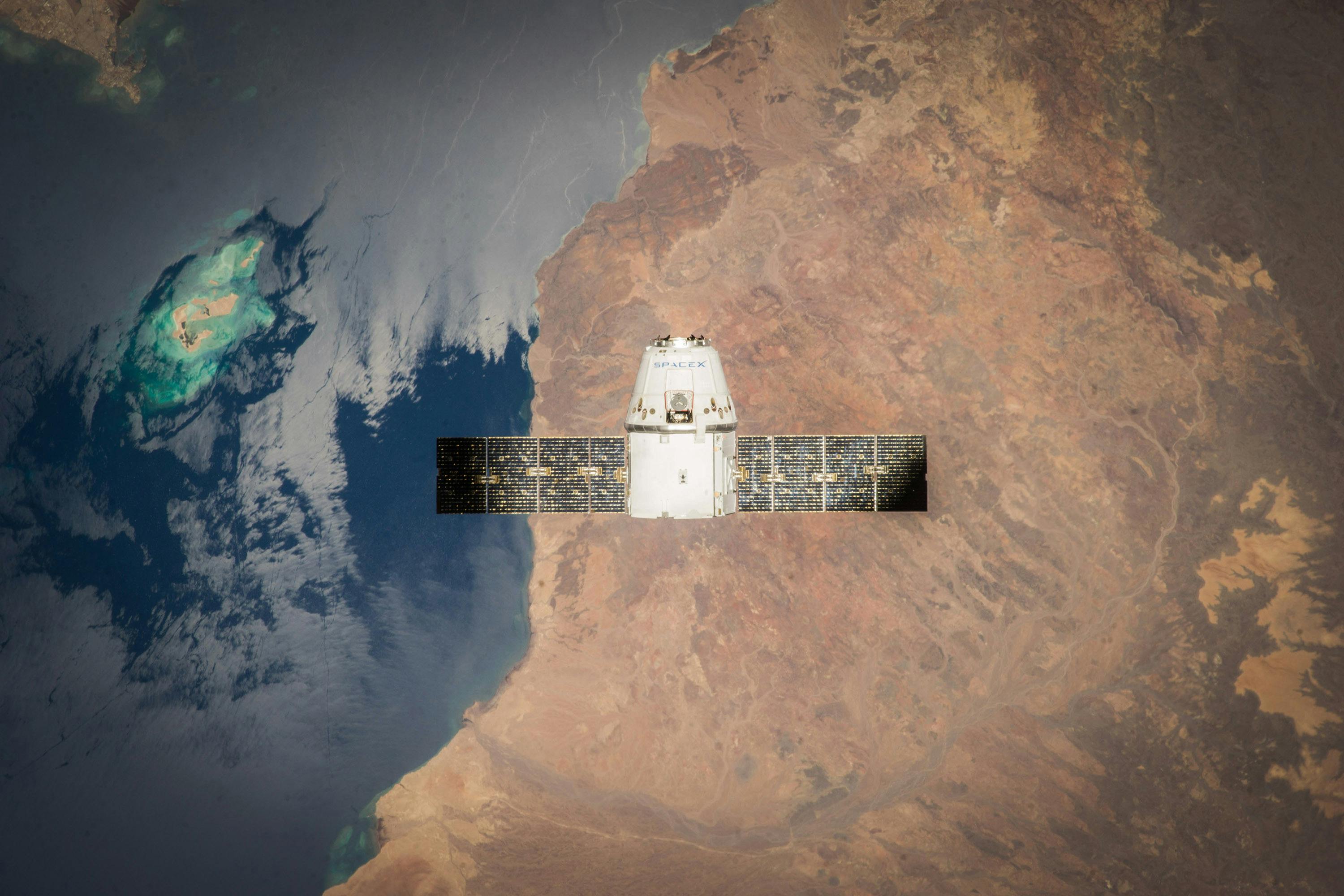
Image
STARLINK-11477 [DTC] Satellite Image
Additional Sources
Launch Details

Launch Date

December 31, 2024

Launch Pad

LC39A

Launch Vehicle

Falcon 9

Orbital Elements

NORAD ID

62471

International Designator

2024-254K

Epoch

Sun, 19 Jul 2026 21:06:46 GMT

Apogee

Calculating...

Perigee

Calculating...

Inclination

43.00°

Right Ascension

145.97°

Eccentricity

Calculating...

Argument of Perigee

239.95°

Period

91.66 min

Mean Motion

15.71 rev/day

Latitude

Calculating...

Longitude

Calculating...

Altitude

Calculating...

Velocity

Calculating...

Polar Plot
3D Visualization
Basic Satellite Info

Name

STARLINK-11477 [DTC]

Alternative Name

Starlink 11477

Type

Payload

Status

Operational

Owner

SPXS

Country

United States

Constellation

N/A

Related Satellites

Major Events

N/A

Latest TLEs
1 62471U 24254K   26200.87970426  .00191983  00000+0  14583-2 0  9993
2 62471  43.0007 145.9728 0001584 239.9496 120.1214 15.70955470 90184

Source: Celestrak

Summary
The satellite named STARLINK-11477 [DTC], also known as Starlink 11477, is a part of the Starlink Group 12-6-10 and was launched on December 31, 2024, from LC39A at AFETR using a Falcon 9 launch vehicle. It has a BUS type of Starlink V2M with a configuration that remains unspecified. The satellite measures 0.3 meters in length, 4.1 meters in diameter, and spans 29 meters when fully deployed. It weighs approximately 700 kilograms dry and 730 kilograms at launch. The satellite is owned by SPXS (SpaceX) and its shape is described as a box with a pan attachment. Additional details about the equipment, mission purpose, power source, or transmitter frequencies are not provided in the available data.

Starlink is a satellite constellation developed by SpaceX with the aim of providing global broadband internet coverage. Thousands of small satellites are deployed in low Earth orbit (LEO), enabling high-speed internet access even in remote areas. However, the rapid increase in satellites raises concerns about space debris and the potential for collisions, which can lead to further debris creation and endanger other spacecraft. Additionally, the sheer number of Starlink satellites can affect astronomical observations by increasing light pollution. Proper deorbiting plans and international coordination are essential to mitigate these challenges and ensure long-term sustainability in space.
Physical Characteristics

Length

0.3

Diameter

4.1

Span

29

Dry Mass

700

Launch Mass

730

Shape

Box + pan

Radar Cross Section

Unknown

Visual Magnitude

Unknown

Color

Unknown

Material Composition

Unknown

Technical Details

Payload

Starlink Group 12-6-10

Purpose

Unknown

Mission

Unknown

Manufacturer

SPXS

Life Expectancy

Unknown

Bus

Starlink V2M

Configuration

Unknown

Motor

Unknown

Equipment

Unknown

Power System

Unknown

ADCS

Unknown

Transmitter Frequency

Unknown

Map
This tool will help you track the satellite's position and predict its upcoming passes over your location. Simply input the coordinates or click the geolocation button to get started.
Next Pass
Azimuth Elevation Time (Local)
Start Azimuth
Max Elevation
Stop Azimuth
Time Until
Pass Duration

Satellite Articles

View All Posts »

Learn more about satellites and other related topics.

Space Brief 5 Sep 2025

Space Brief 5 Sep 2025

Today's Space Brief delves into key military developments in space, including the Space Force's pioneering officer training and innovative small satellite communication strategies.

Why Nobody Can See What Is Happening Near the Moon

Why Nobody Can See What Is Happening Near the Moon

The volume of space between Earth and the Moon is roughly a thousand times larger than the orbit we actually watch, and almost none of it is under surveillance. As the U.S. and China race to build lunar outposts, the Space Force is scrambling to put eyes on a region it has been effectively blind to.

Starbase Pad 2 Preps for Booster 19, Starlink Disrupts Russian Comms | KeepTrack X Report

Starbase Pad 2 Preps for Booster 19, Starlink Disrupts Russian Comms | KeepTrack X Report

Starbase Pad 2 passes water-cooled deck test ahead of Booster 19. Starlink restrictions disrupt Russian battlefield communications. California city weighs banning Musk companies.

China Launches VLEO Alliance With Sats Below 300km | KeepTrack Space Brief

China Launches VLEO Alliance With Sats Below 300km | KeepTrack Space Brief

China formalized a national VLEO industry alliance with multiple satellites sustaining operations below 300 kilometers altitude. Propulsion startups attracting investment.

Vulcan Grounded as GEM 63XL Booster Passes Test | KeepTrack Space Brief

Vulcan Grounded as GEM 63XL Booster Passes Test | KeepTrack Space Brief

ULA's Vulcan remains grounded after February in-flight GEM 63XL booster anomaly. Northrop Grumman completed successful static fire test, but investigation ongoing with no return-to-flight date.

X Report 31 Mar 2025

X Report 31 Mar 2025

New experiments in space agriculture begin with Fram2 mission, a historic polar orbit flight, and a Starlink launch postponement.

X Report 17 Feb 2025

X Report 17 Feb 2025

Key insights on Starship development challenges and latest Starlink satellite status.

GPS III SV10 Launches on Falcon 9, X Report 20 Apr 2026

GPS III SV10 Launches on Falcon 9, X Report 20 Apr 2026

GPS III SV10 launched April 21 on a SpaceX Falcon 9 with 3x better accuracy and 8x anti-jamming. Starlink stands at 10,263 working satellites.