


X Report 24 Mar 2025
SpaceX sets a rocket re-use record, Starlink satellites continue to proliferate, and Botswana launches its first national satellite.


![STARLINK-11518 [DTC] Satellite Image](/images/sat/starlink.jpg)
Launch Date
December 31, 2024
Launch Site
Launch Pad
LC39A
Launch Vehicle
NORAD ID
62462
International Designator
2024-254A
Epoch
Sun, 19 Jul 2026 05:20:47 GMT
Apogee
Calculating...
Perigee
Calculating...
Inclination
43.00°
Right Ascension
150.53°
Eccentricity
Calculating...
Argument of Perigee
274.28°
Period
91.67 min
Mean Motion
15.71 rev/day
Latitude
Calculating...
Longitude
Calculating...
Altitude
Calculating...
Velocity
Calculating...
Name
STARLINK-11518 [DTC]
Alternative Name
Starlink 11518
Type
Status
Owner
SPXS
Country
United States
Constellation
N/A
Related Satellites
Major Events
N/A
1 62462U 24254A 26200.22276875 .00163275 00000+0 12501-2 0 9990
2 62462 42.9999 150.5340 0001416 274.2836 85.7870 15.70859307 90094
Source: Celestrak
Length
0.3
Diameter
4.1
Span
29
Dry Mass
700
Launch Mass
730
Shape
Box + pan
Radar Cross Section
Unknown
Visual Magnitude
Unknown
Color
Unknown
Material Composition
Unknown
Payload
Starlink Group 12-6-01
Purpose
Unknown
Mission
Unknown
Manufacturer
SPXS
Life Expectancy
Unknown
Bus
Starlink V2M
Configuration
Unknown
Motor
Unknown
Equipment
Unknown
Power System
Unknown
ADCS
Unknown
Transmitter Frequency
Unknown
Learn more about satellites and other related topics.
SpaceX sets a rocket re-use record, Starlink satellites continue to proliferate, and Botswana launches its first national satellite.
Today's highlights include China's Yaogan-40 satellite launch, military contracts for rocket studies, and SpaceX's 500th booster landing.
SpaceX conducts another Starship test flight, with high-profile audience; SEOPS secures Falcon 9 for rideshare mission; Ontario partners with Starlink for rural connectivity.
On December 15, 1970, a battered Soviet probe accomplished something no spacecraft had done before - it survived landing on another world and lived to tell about it.
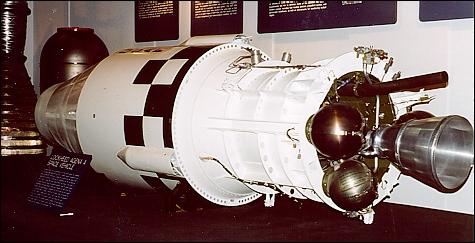
Sixty-six years ago, a Thor-Agena rocket thundered into the California sky carrying Discoverer 1, the first satellite attempt at polar orbit and the secret vanguard of Americas space reconnaissance program

Today's highlights include the release of a mystery object by Russian military satellites, SpaceX Fram2 mission insights, Amazon's upcoming satellite launch, and more.
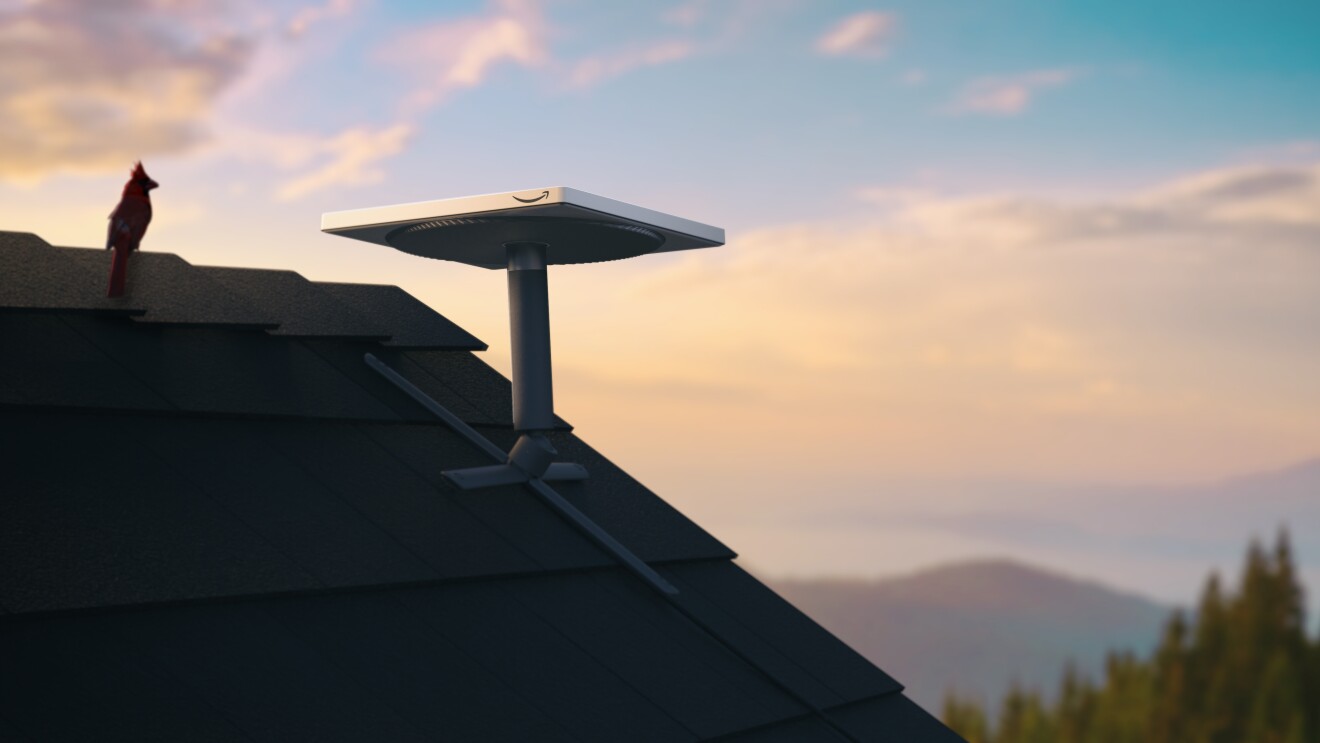
Today's brief highlights critical discussions in military space readiness, potential satellite 'dogfighting' scenarios, international defense collaborations, and a notable communications satellite launch.

DARPA's robotic satellite servicing mission targets GEO orbit by summer 2026. NASA adds six SpaceX crew missions as Boeing Starliner remains uncertified.