



Space Brief 30 Nov 2025
Today's highlights include Europe's record space budget for independence, Transporter-15's successful launch of 140 payloads, and the damage to the Baikonur pad affecting upcoming ISS missions.


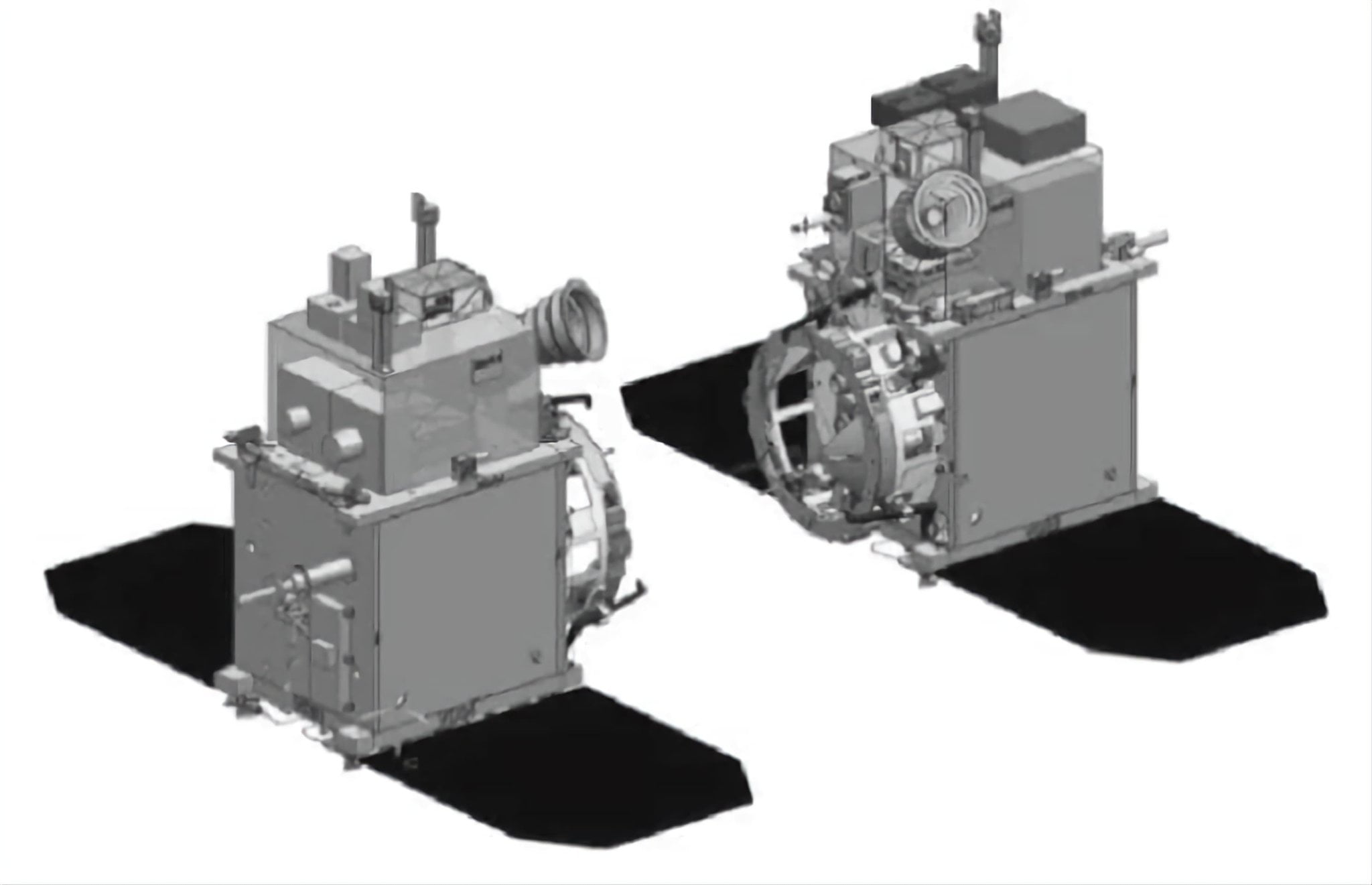
Launch Date
December 30, 2024
Launch Site
Satish Dhawan Space Centre
Launch Pad
First Launch Pad
Launch Vehicle
PSLV-CA C60
NORAD ID
62459
International Designator
2024-253A
Epoch
Sun, 19 Jul 2026 20:24:22 GMT
Apogee
Calculating...
Perigee
Calculating...
Inclination
54.99°
Right Ascension
193.10°
Eccentricity
Calculating...
Argument of Perigee
28.79°
Period
91.42 min
Mean Motion
15.75 rev/day
Latitude
Calculating...
Longitude
Calculating...
Altitude
Calculating...
Velocity
Calculating...
Name
SDX01
Alternative Name
SPADEX-A
Type
Status
Owner
ISRO
Country
India
Constellation
N/A
Related Satellites
Major Events
Successful docking with SDX02 on January 16, 2025, making India the fourth country to achieve in-space docking
1 62459U 24253A 26200.85026250 .00047125 00000+0 31193-3 0 9998
2 62459 54.9923 193.1002 0006066 28.7923 331.3454 15.75107662 87676
Source: Celestrak
Length
1
Diameter
0.5
Span
2.5
Dry Mass
180
Launch Mass
220
Shape
Box with 2 panels
Radar Cross Section
0.15
Visual Magnitude
5.5
Color
Silver
Material Composition
Aluminum and composite materials
Payload
High-resolution camera for imaging and video capture
Purpose
Technology, docking
Mission
Demonstrate autonomous rendezvous and docking capabilities, verify electrical power transfer between docked spacecraft, and execute composite spacecraft control using the Attitude Control System in a docked configuration
Manufacturer
U R Rao Satellite Centre (ISRO) and Ananth Technologies
Life Expectancy
Designed for a mission duration of two years, with plans to operate payloads independently after undocking
Bus
Modified IMS-1
Configuration
Microsatellite-SSB (SSB-2)
Motor
Unknown
Equipment
Laser rangefinder, rendezvous sensor, proximity and docking sensor, image sensor, accelerometers, star tracker
Power System
2 deployable solar arrays, batteries
ADCS
Autonomous rendezvous and docking system
Transmitter Frequency
VHF/UHF bands for inter-satellite communication
Learn more about satellites and other related topics.
Today's highlights include Europe's record space budget for independence, Transporter-15's successful launch of 140 payloads, and the damage to the Baikonur pad affecting upcoming ISS missions.

CSIS analysis identifies 75 unusual orbital maneuvers by Chinese GEO satellites over 10 years, consistent with military reconnaissance. Track GEO objects via KeepTrack.

Today's Space Brief highlights the U.S. Air Force's $48 million investment in testing reentry capsules, a Pentagon-backed GPS alternative, and the Space Force's quest for funding autonomy.
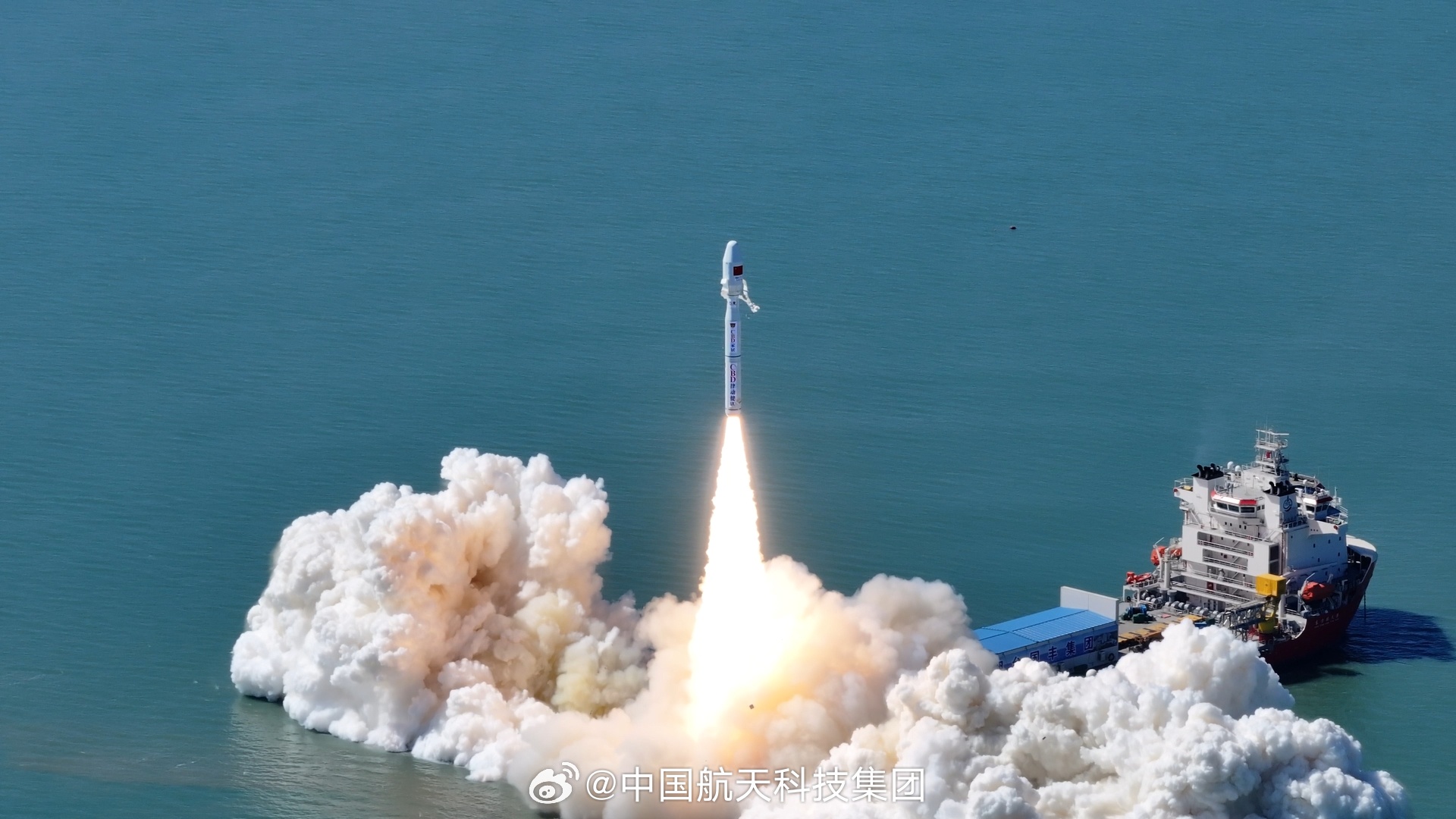
Artemis 2 splashdown marks first crewed lunar flyby since Apollo 17 in 1972. Four astronauts completed historic mission, validating systems for Artemis 3 landing attempt.

Today's highlights include new ESA Euclid data, upcoming Blue Origin flight, and multiple Starlink launches, delivering fresh satellite tracking opportunities.

For nearly two decades, the U.S. Air Force and Space Force have been the world's unofficial civilian space traffic control system. The Department of Commerce's Traffic Coordination System for Space (TraCSS) is now taking over that job for commercial satellite operators - in stages, against persistent congressional pressure to kill the program, and with Department of Defense advocates pushing to make it happen before it is too late.
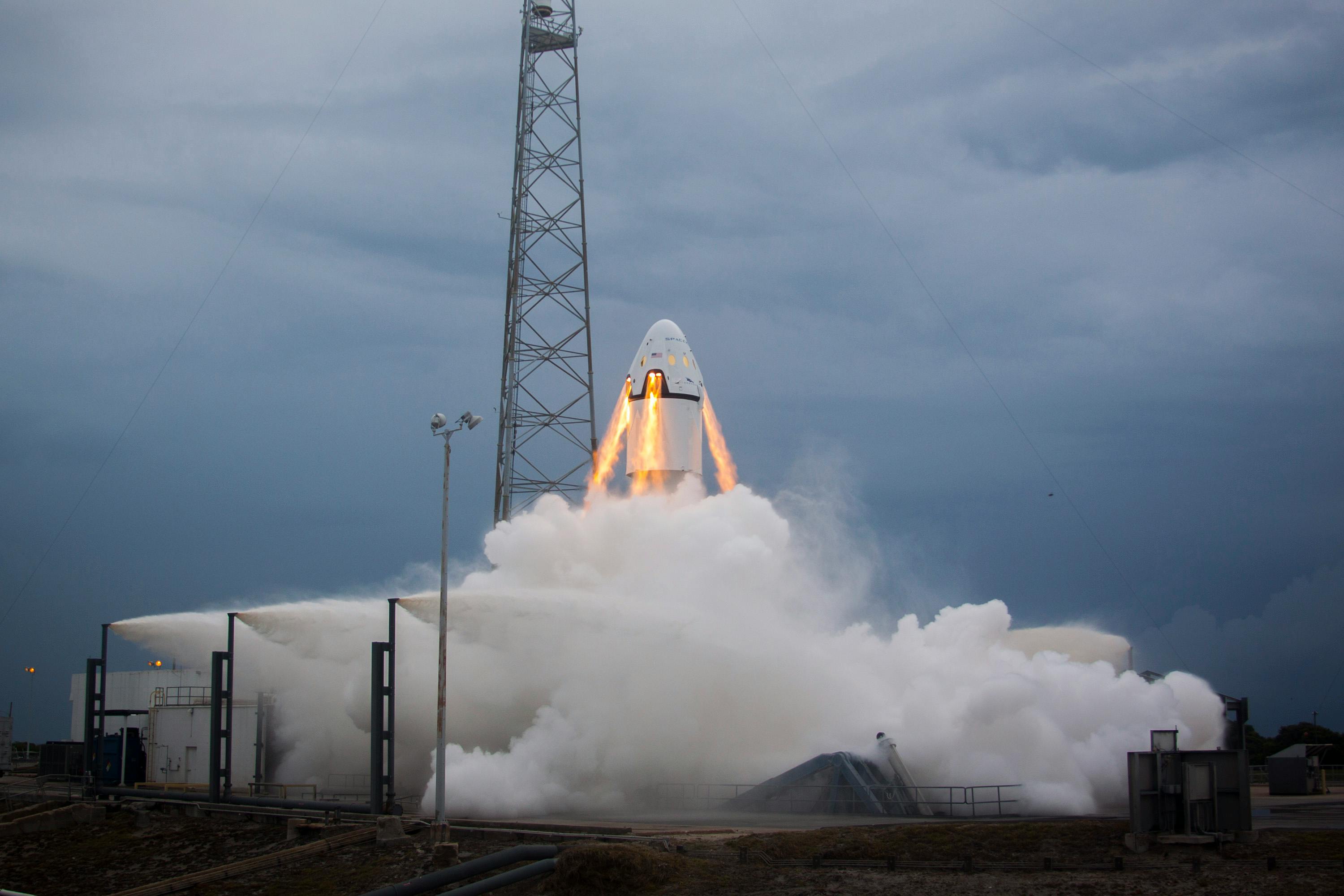
SpaceX secured a $178.5M Space Force contract to launch missile-tracking satellites from 2027, backing the Missile Track Custody threat-tracking layer.
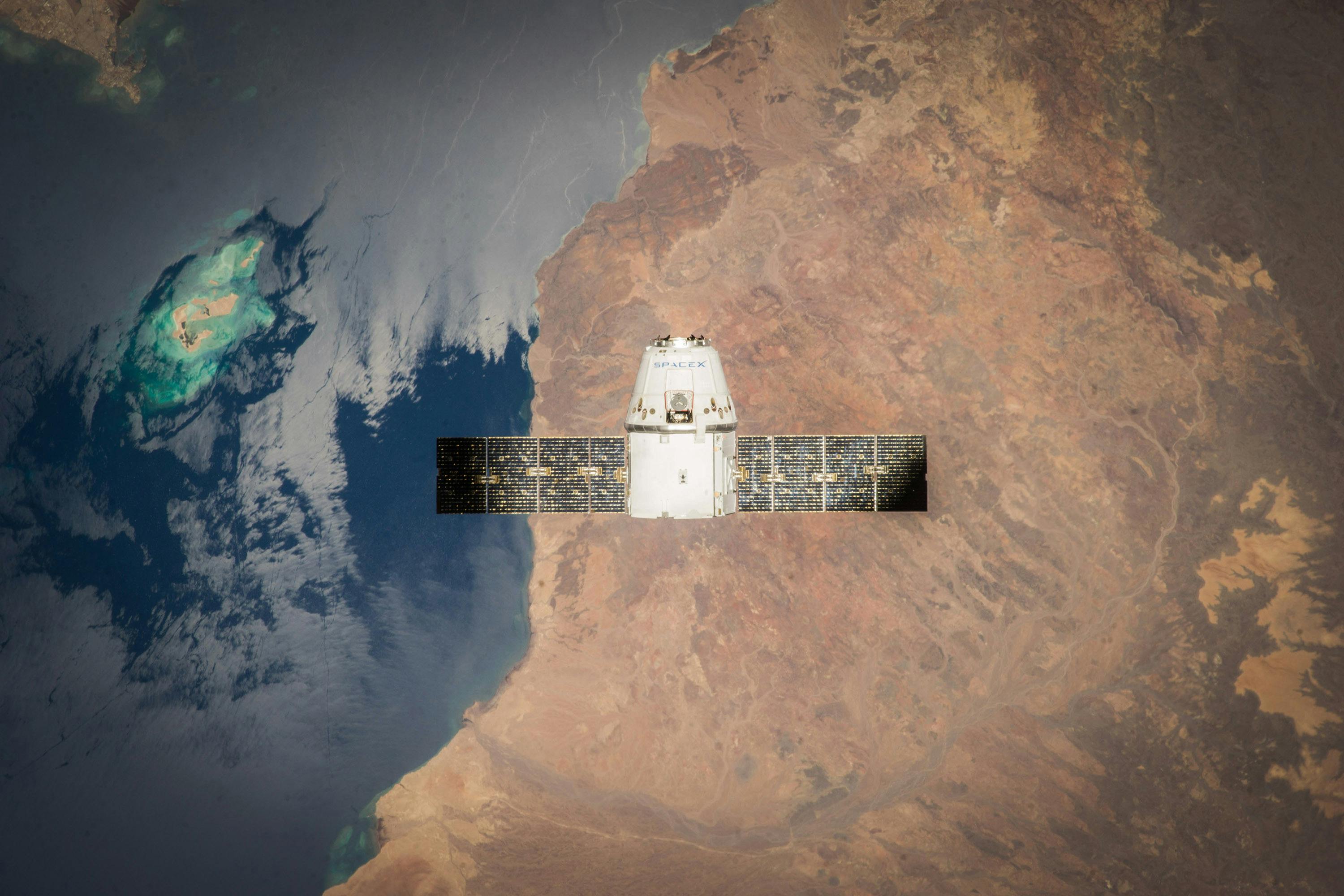
SpaceX made strides in both Starship and Starlink missions this week, launching another round of satellites while concurrently testing their Starship capabilities amidst challenges.