



Space Brief 18 Dec 2024
Today's highlights include SpaceX's rapid response GPS launch, Raytheon's new rocket motor test, and Starlink's revenue surge. Plus, the Space Force's modernization push.


Launch Date
December 21, 2024
Launch Site
Rocket Lab Launch Complex 1B, Mahia Peninsula, New Zealand
Launch Pad
LC1B
Launch Vehicle
Electron
NORAD ID
62406
International Designator
2024-248A
Epoch
Sun, 19 Jul 2026 19:53:44 GMT
Apogee
Calculating...
Perigee
Calculating...
Inclination
97.63°
Right Ascension
156.29°
Eccentricity
Calculating...
Argument of Perigee
218.41°
Period
95.41 min
Mean Motion
15.09 rev/day
Latitude
Calculating...
Longitude
Calculating...
Altitude
Calculating...
Velocity
Calculating...
Name
StriX-2
Alternative Name
StriX-2
Type
Status
Owner
Synspective Inc.
Country
JP
Constellation
StriX
Related Satellites
Major Events
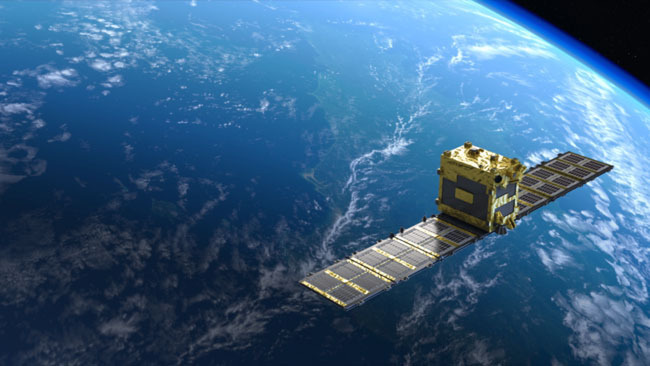
Successfully launched on December 21, 2024, and deployed its 5-meter-long antenna in orbit.
1 62406U 24248A 26200.82898888 .00003198 00000+0 20478-3 0 9991
2 62406 97.6301 156.2893 0014072 218.4144 141.6084 15.09216811 86516
Source: Celestrak
Length
0.8
Diameter
0.8
Span
5
Dry Mass
100
Launch Mass
100
Shape
Rectangular with deployable antenna
Radar Cross Section
Unknown
Visual Magnitude
Estimated at 6.5 based on satellite dimensions and reflectivity.
Color
Metallic with black solar panels
Material Composition
Aluminum and composite materials
Payload
StriX-2 SAR Instrument
Purpose
To enhance Earth observation capabilities by providing high-resolution SAR imagery, contributing to areas such as disaster response, urban planning, and environmental monitoring.
Mission
Earth observation using Synthetic Aperture Radar (SAR) technology to provide high-resolution imagery for various applications, including disaster monitoring and infrastructure management.
Manufacturer
Synspective Inc.
Life Expectancy
Approximately 5 years
Bus
StriX
Configuration
Small SAR Satellite
Motor
Unknown
Equipment
X-band Synthetic Aperture Radar (SAR) with a center frequency of 9.65 GHz, capable of operating in Stripmap and Sliding Spotlight modes.
Power System
Equipped with multiple solar cells and a high-capacity battery to support the high-output 1kW amplifier required for SAR operations.
ADCS
Three-axis stabilization
Transmitter Frequency
9.65 GHz (X-band)
Learn more about satellites and other related topics.
Today's highlights include SpaceX's rapid response GPS launch, Raytheon's new rocket motor test, and Starlink's revenue surge. Plus, the Space Force's modernization push.

Hanwha Systems in talks with MDA Space and Telesat for South Korean defense satellite constellation. SpaceX preps GPS satellite launch for Space Force. Seismic networks now track space junk reentry.

ULA's Vulcan Centaur faces potential months-long stand-down. Space Force actively exploring payload reassignment and satellite operational life extensions to cover critical national security missions.
Today's brief covers Blue Origin’s new defense launch contracts, the ISS launch of a Navy SEAL astronaut, Sierra Space’s GPS security advancements for the U.S. Space Force, and the Space Force's 'Orbital Watch' initiative.
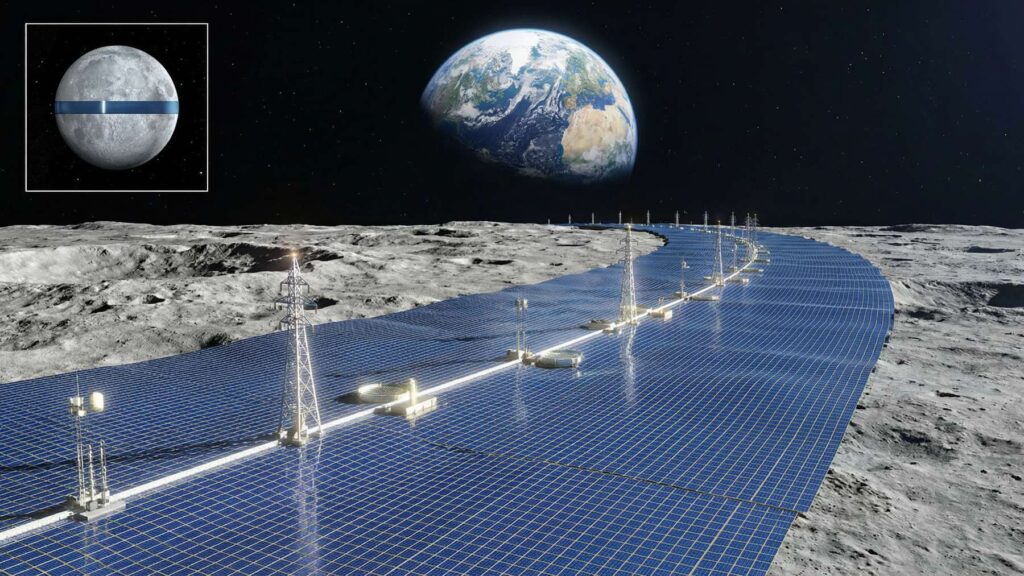
A 220-year-old Japanese construction company wants to build an 11,000-kilometer belt of solar cells around the lunar equator and beam the power back to Earth. The physics checks out. Everything else is another story.
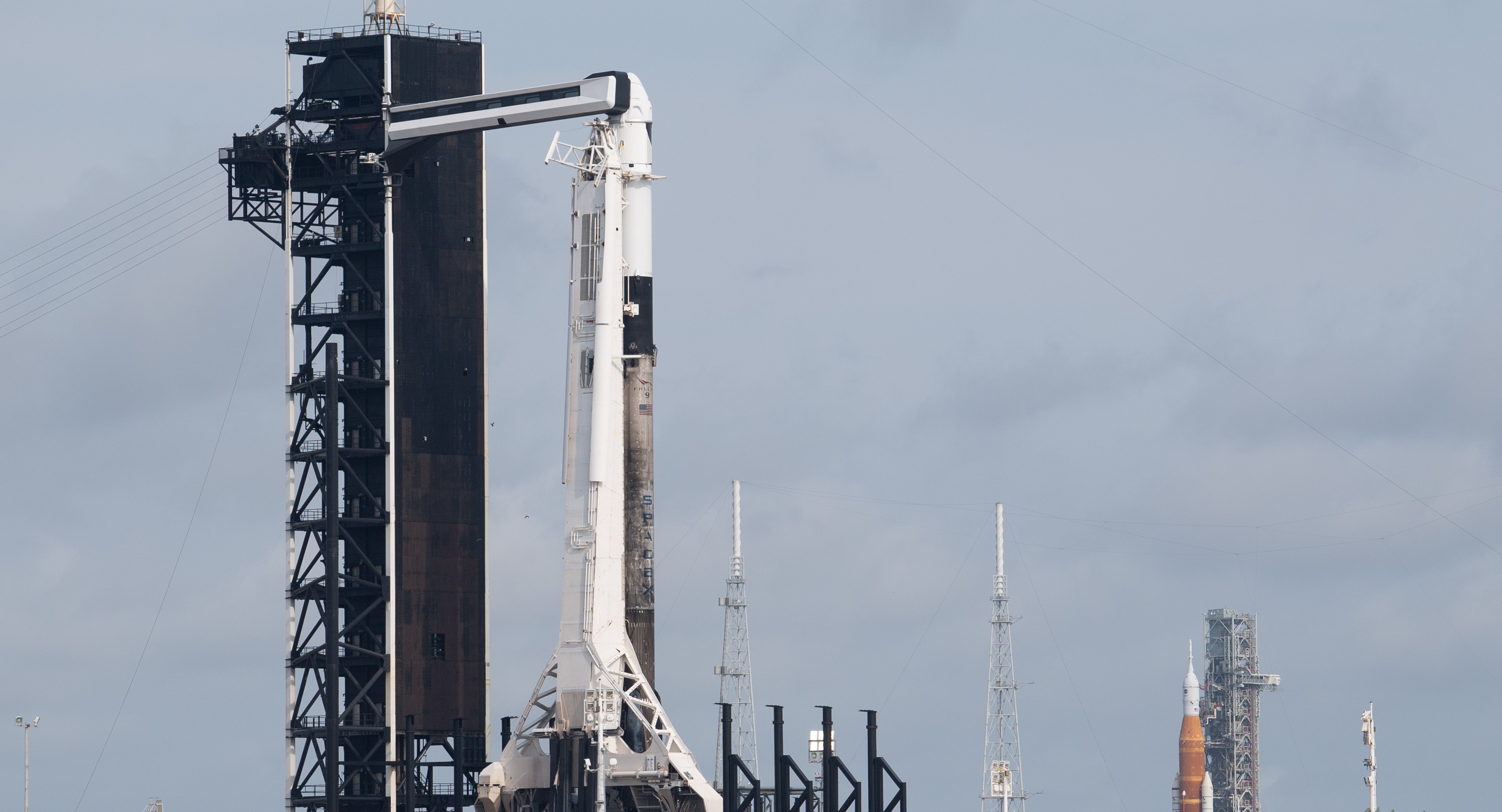
Discover lesser-known aspects of SpaceX's history, achievements, and innovations that have shaped the commercial space industry over the past two decades.
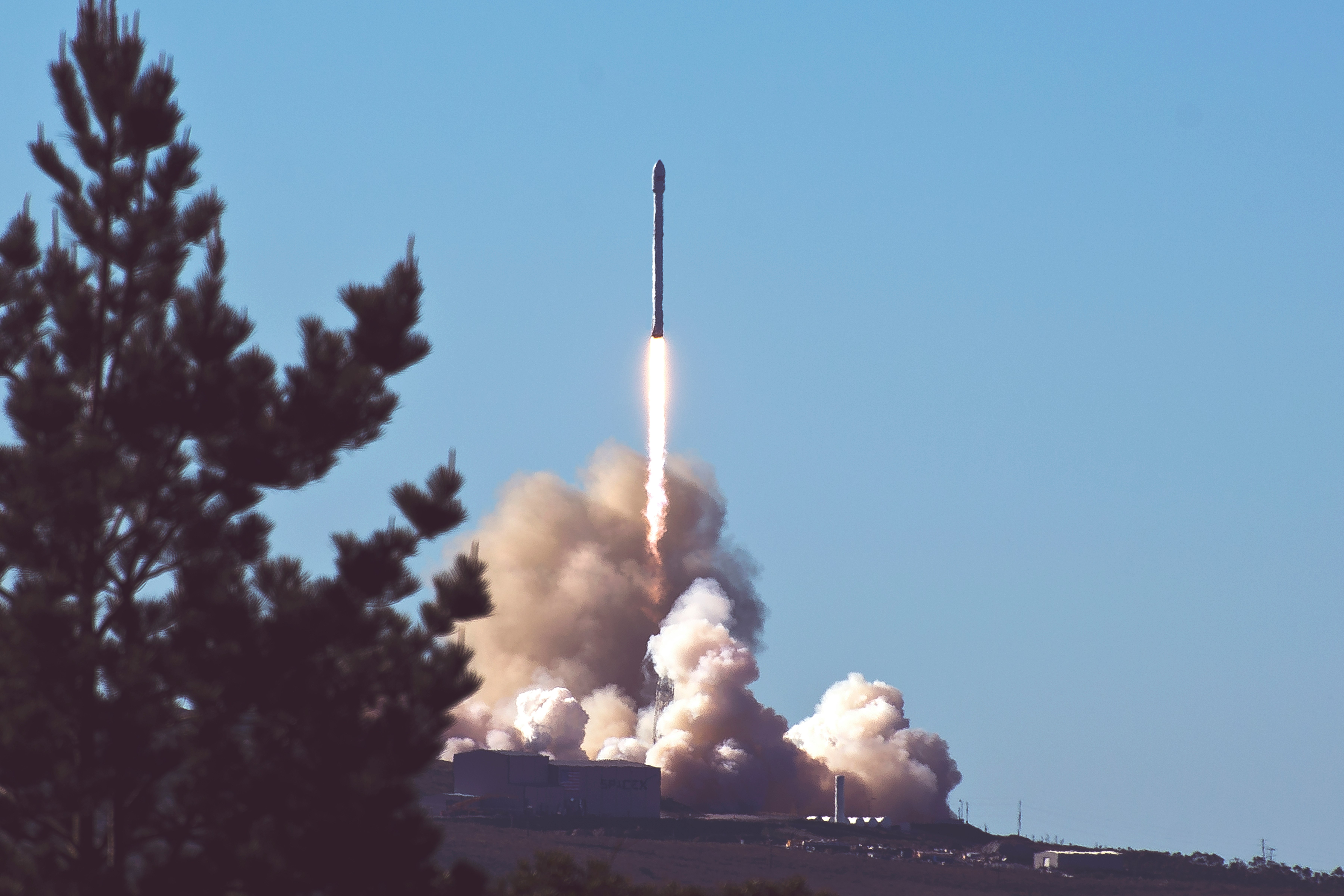
SpaceX launches two Falcon 9 rockets in one day carrying Starlink satellites from both coasts. Most-flown booster achieves record 33rd flight. 28 V2 Mini Optimized sats deployed.

SpaceX successfully launched the Transporter-15 mission, deploying 140 payloads, while Elon Musk addressed media narratives related to Starlink's humanitarian efforts following recent disasters.