


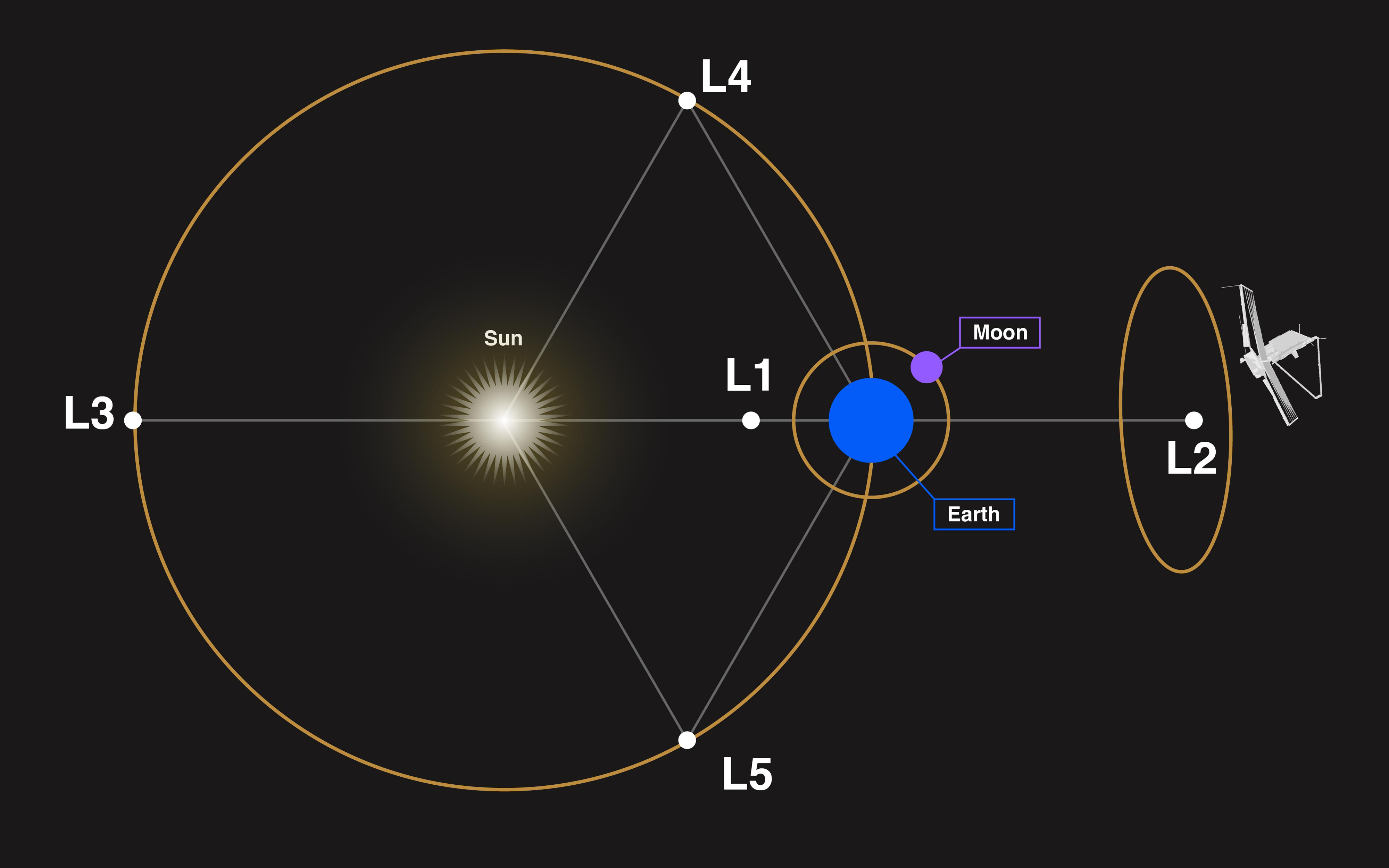
Lagrange Points
Five spots in the Earth-Sun system where the gravitational tug of two massive bodies and the pull of circular motion all cancel out, creating gravitational parking spaces where spacecraft can sit for decades with almost no fuel.


NORAD ID
62388
International Designator
2024-247M
Epoch
Sun, 19 Jul 2026 13:10:41 GMT
Apogee
Calculating...
Perigee
Calculating...
Inclination
45.00°
Right Ascension
136.61°
Eccentricity
Calculating...
Argument of Perigee
262.23°
Period
94.63 min
Mean Motion
15.22 rev/day
Latitude
Calculating...
Longitude
Calculating...
Altitude
Calculating...
Velocity
Calculating...
Name
GITAI-SC1
Alternative Name
GITAI SC1
Type
Status
Owner
GITAI
Country
United States
Constellation
N/A
Related Satellites
Major Events
N/A
1 62388U 24247M 26200.54909207 .00002601 00000+0 12514-3 0 9996
2 62388 45.0010 136.6080 0000410 262.2343 97.8491 15.21642575 87663
Source: Celestrak
Length
0.4
Diameter
0.2
Span
0.4
Dry Mass
20
Launch Mass
20
Shape
Box
Radar Cross Section
Unknown
Visual Magnitude
Unknown
Color
Unknown
Material Composition
Unknown
Payload
GITAI SC1
Purpose
Communications, technology
Mission
Communications, technology
Manufacturer
GITAI
Life Expectancy
Unknown
Bus
Cubesat 16U
Configuration
CubeSat (16U, 2x2x4U)
Motor
None
Equipment
Unknown
Power System
Solar cells, batteries
ADCS
Unknown
Transmitter Frequency
Unknown
Learn more about satellites and other related topics.
Five spots in the Earth-Sun system where the gravitational tug of two massive bodies and the pull of circular motion all cancel out, creating gravitational parking spaces where spacecraft can sit for decades with almost no fuel.

Today's Space Brief covers the Space Force's AI integration, NASA's lunar nuclear reactor plans, ESA's Flight Ticket Initiative, Martian mantle revelations, and SpaceX's latest Starlink launch.

Today's brief covers SpaceX's launch of a secret US spy satellite, national security satellite launches, and Japan's missile ambitions. Also highlighted are Estonia's AI defense upgrades and autonomous airpower in Australia.
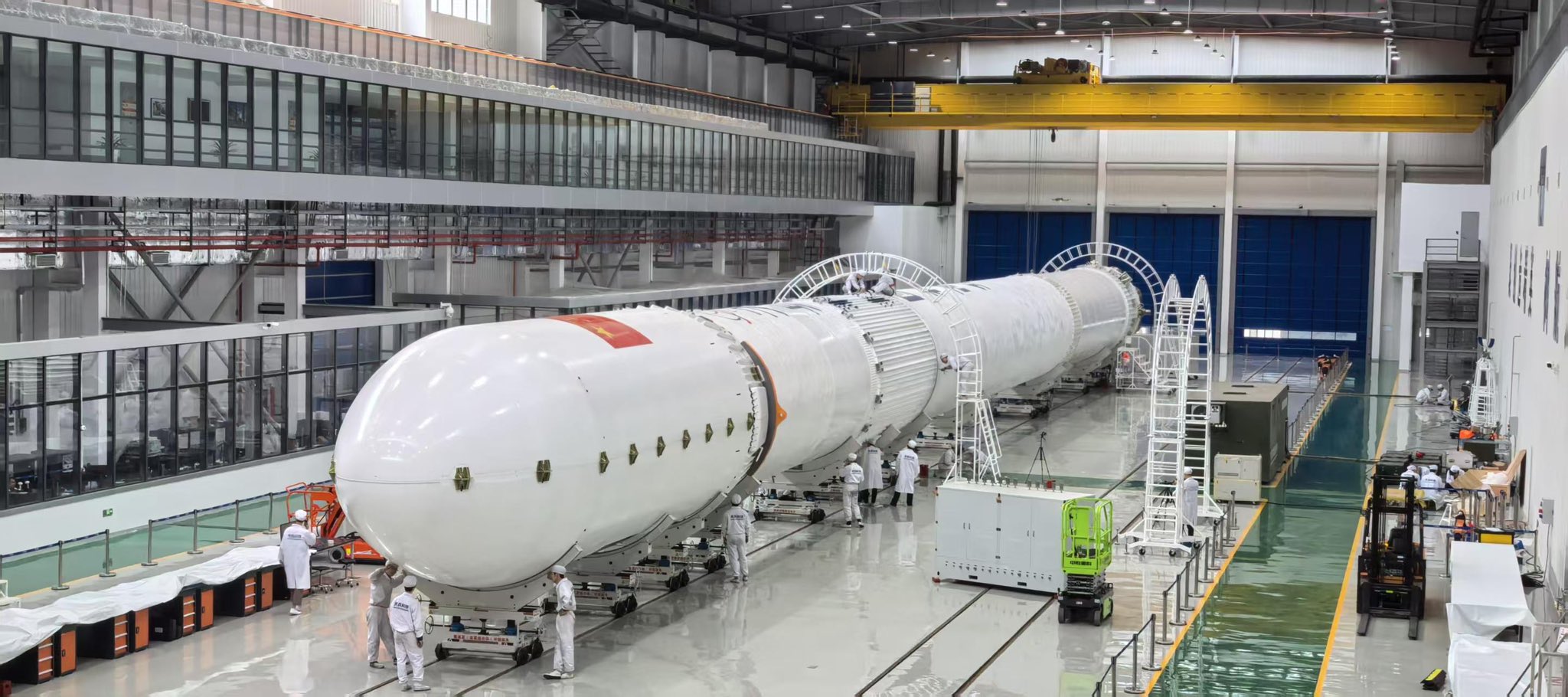
Second Starlink satellite malfunctioned on orbit and generated debris within three months of prior event. Falcon 9 booster completed record 34th mission from Cape Canaveral.
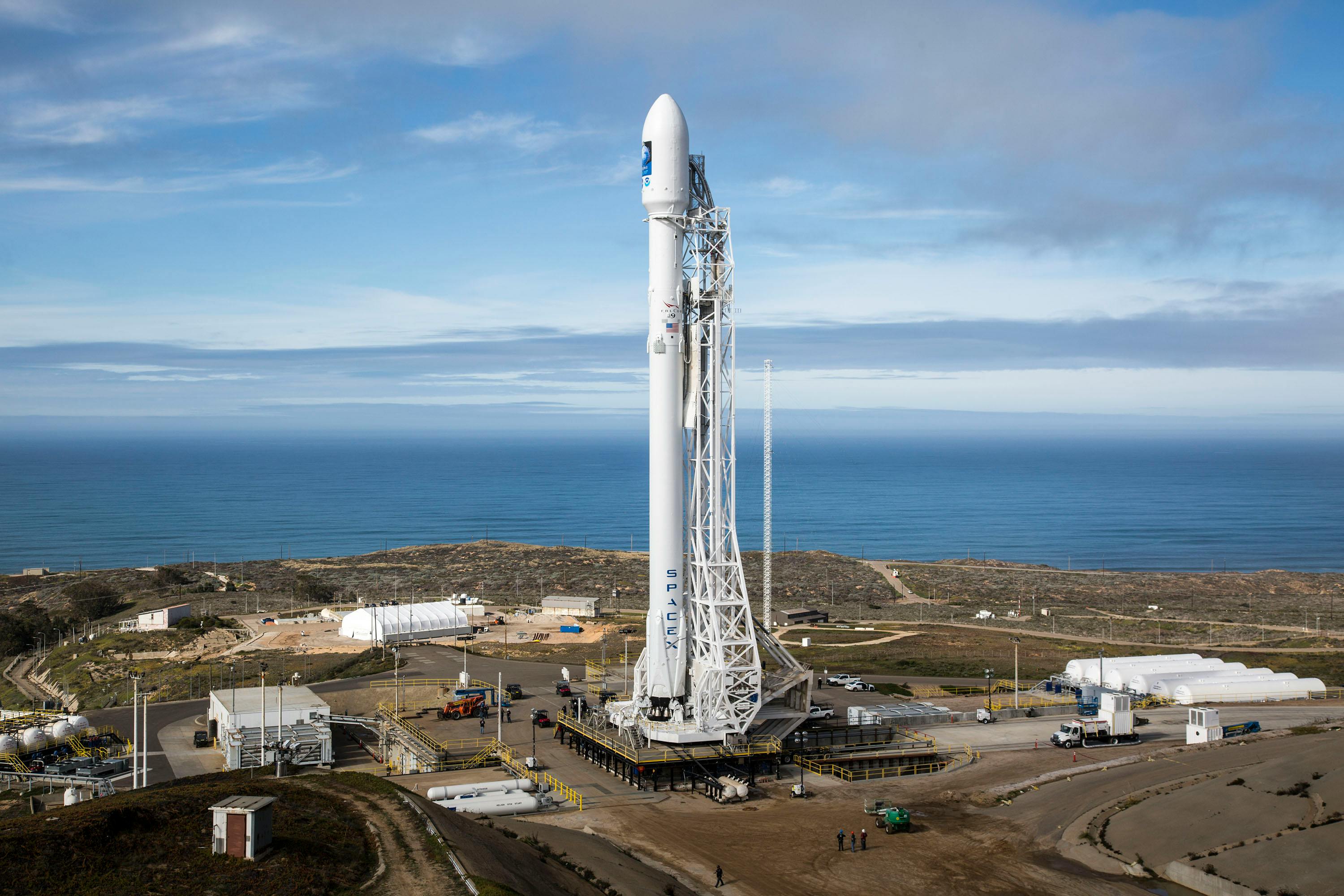
Anticipated NISAR launch now scheduled for March 2025; Rivada persists in broadband constellation quest despite setbacks; SpaceX scrubbed RRT-1 launch holds mystery.
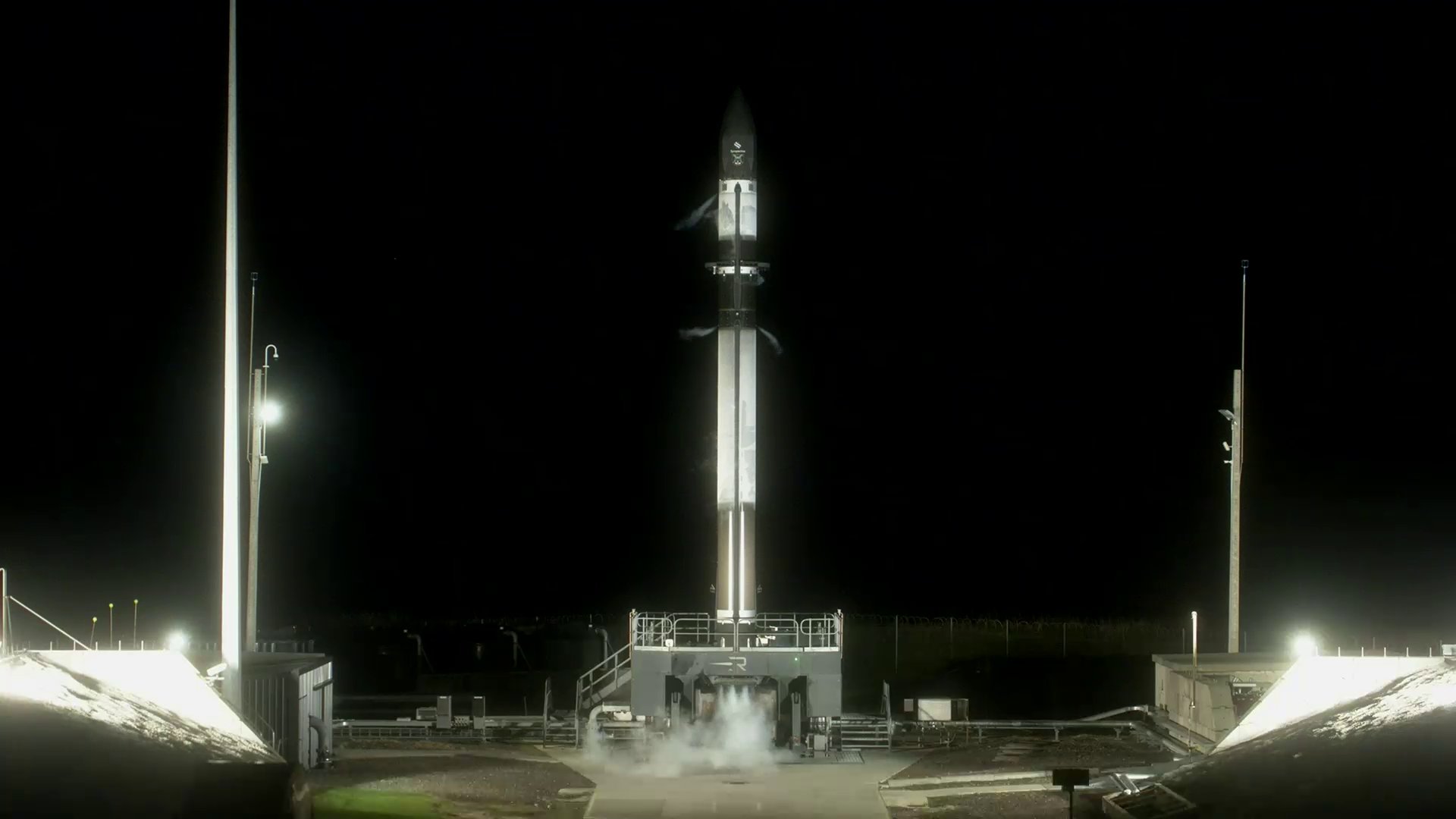
Space Force confirms plan to double active-duty Guardians by 2030, targeting faster response to satellite anomalies and adversary maneuvers in space domain awareness operations.

Rocket Lab Neutron's first launch is targeted for Q4 2026 after a tank test failure, backed by a new 5-launch deal. Plus Globalstar's 1,410 km refresh.
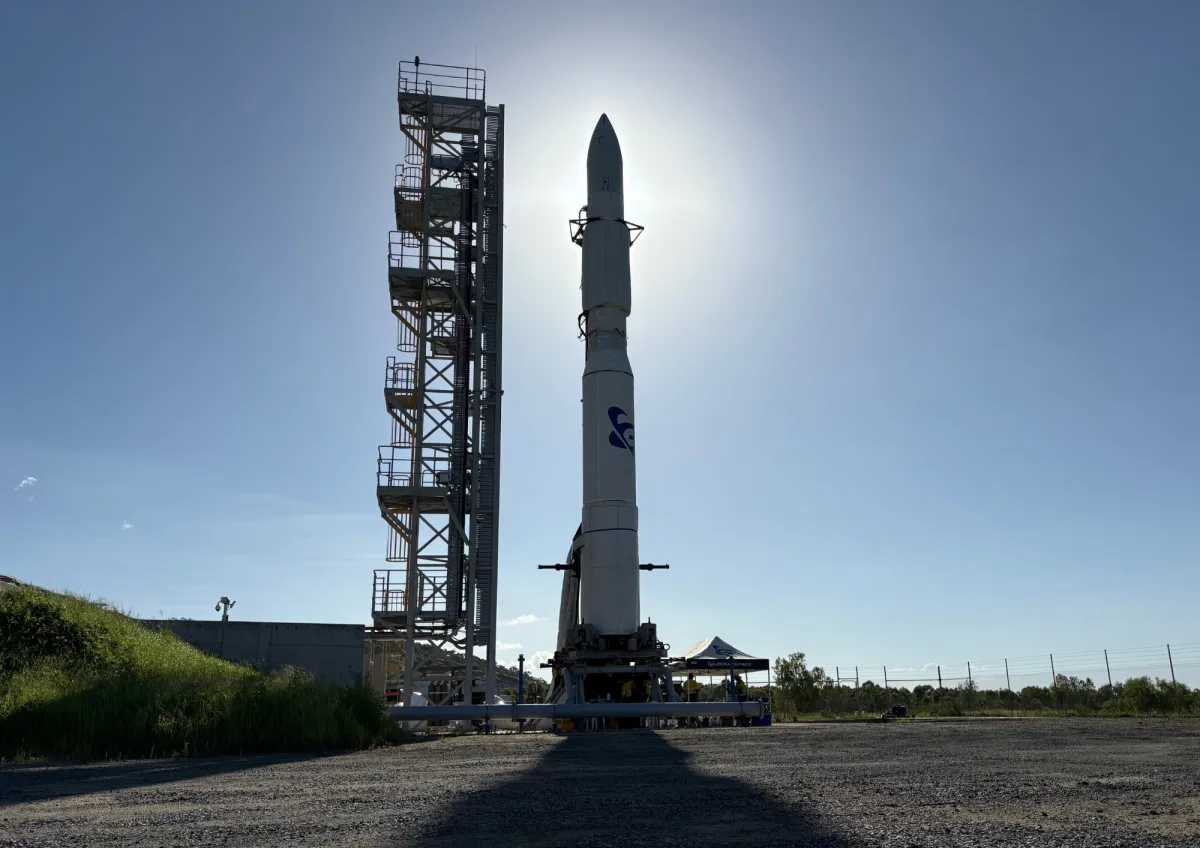
Today's brief highlights the US Space Force's new space conflict doctrine, Ukraine's search for Starlink alternatives, and updates on regional military activities affecting space dynamics.