


Space Brief 16 Dec 2024
Today's briefing covers the ULA's military application for Vulcan's upper stage, FAA's efforts to expedite launch licensing, and a fascinating flyby of Mercury by BepiColombo.


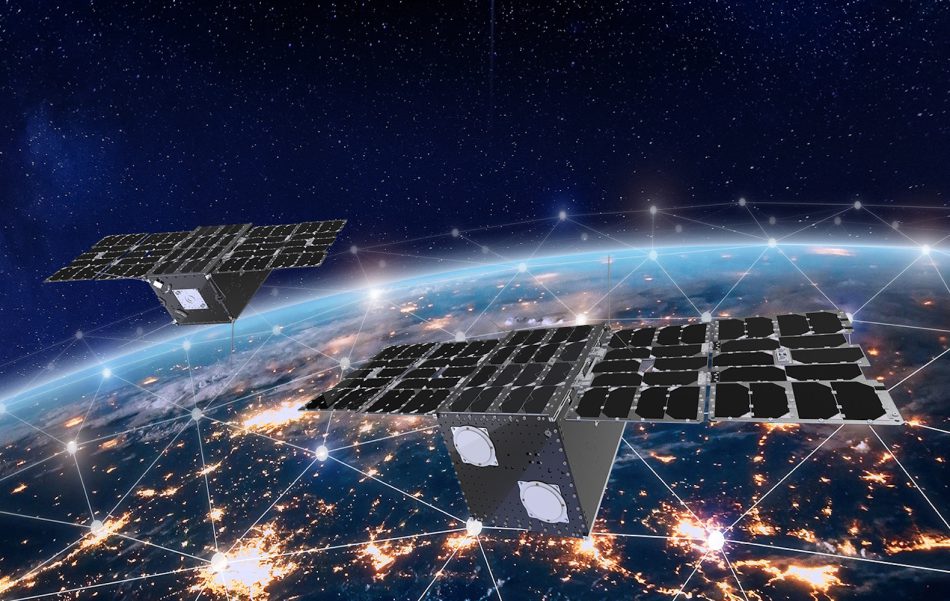
Launch Date
December 19, 2024
Launch Site
Oriental Spaceport
Launch Pad
Mobile Sea Platform
Launch Vehicle
Ceres-1S
NORAD ID
62368
International Designator
2024-245D
Epoch
Sun, 19 Jul 2026 19:30:31 GMT
Apogee
Calculating...
Perigee
Calculating...
Inclination
44.98°
Right Ascension
176.34°
Eccentricity
Calculating...
Argument of Perigee
178.94°
Period
102.92 min
Mean Motion
13.99 rev/day
Latitude
Calculating...
Longitude
Calculating...
Altitude
Calculating...
Velocity
Calculating...
Name
TIANQI 36
Alternative Name
Tianqi Xingzuo 36
Type
Status
Owner
Guodian Gaoke
Country
China
Constellation
Tianqi
Related Satellites
Major Events
Launched on December 19, 2024, as part of a four-satellite deployment to expand the Tianqi constellation
1 62368U 24245D 26200.81286347 -.00000102 00000+0 18484-4 0 9993
2 62368 44.9828 176.3386 0007478 178.9410 181.1440 13.99190599 80914
Source: Celestrak
Length
0.5
Diameter
0.3
Span
0.5
Dry Mass
40
Launch Mass
40
Shape
Box
Radar Cross Section
0.1
Visual Magnitude
6.5
Color
Silver with solar panel arrays
Material Composition
Aluminum alloy structure with composite materials
Payload
IoT communication payload
Purpose
To enhance connectivity and efficiency through smart, connected devices
Mission
Part of the Tianqi constellation, providing global IoT data services
Manufacturer
Guodian Gaoke
Life Expectancy
Expected operational lifetime of 5 years
Bus
StarLightB
Configuration
CubeSat
Motor
Unknown
Equipment
Communication payload for Internet of Things (IoT) data relay
Power System
Solar panels with battery storage
ADCS
Three-axis stabilization
Transmitter Frequency
401 MHz
Learn more about satellites and other related topics.
Today's briefing covers the ULA's military application for Vulcan's upper stage, FAA's efforts to expedite launch licensing, and a fascinating flyby of Mercury by BepiColombo.

Space Force selects 14 companies for $1.8 billion Andromeda program to replace GSSAP geosynchronous surveillance satellites with commercial alternatives through 2036.

Key developments in space today include significant satellite launches, advancements in space technology, and an exciting crewed suborbital flight. Highlights cover China's satellite internet progress, a promising innovation for solar cells, and recent SpaceX and Blue Origin activities.

Today's brief covers ULA's new mission for the US Space Force, China's moon rocket test, delays in the DARC radar system, and SpaceX's Starlink launches.
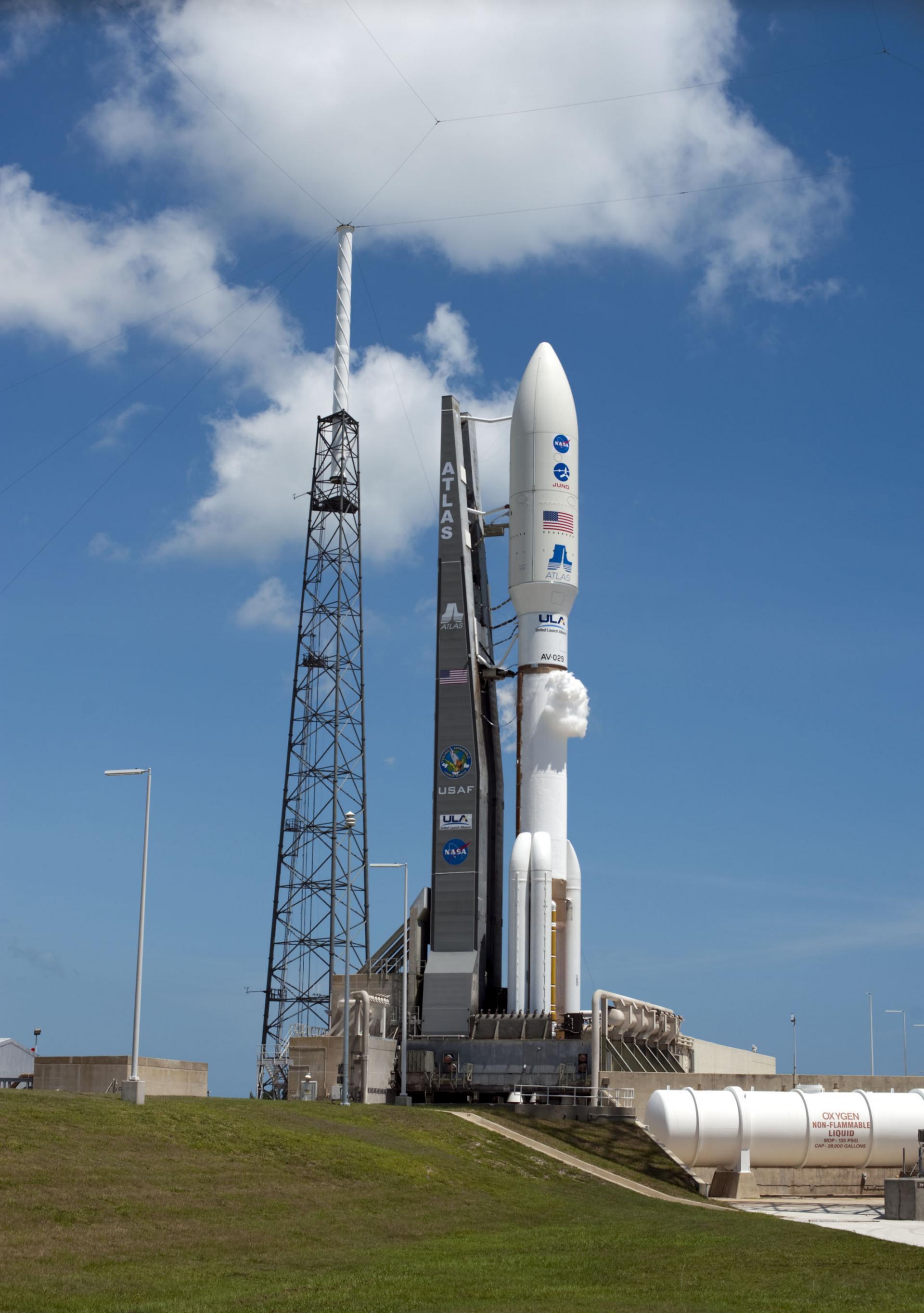
U.S. GSSAP satellites execute coordinated GEO maneuvers for continuous surveillance of Chinese Shijian-29 spacecraft. Handoff approach maintains coverage with zero gaps.
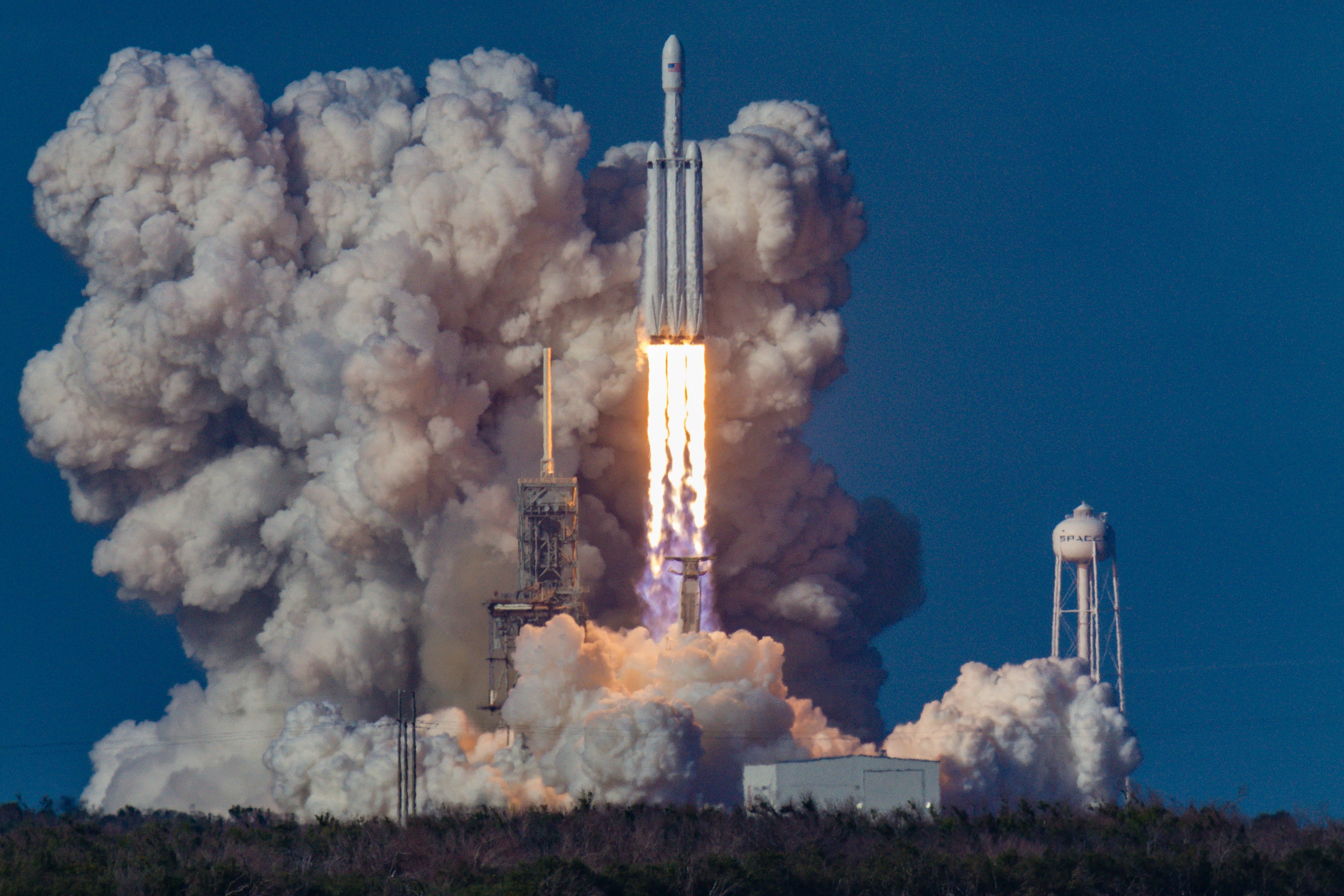
SpaceX gears up for an exciting July with a doubleheader launch planned for the east coast and ongoing advancements in Starlink technology.
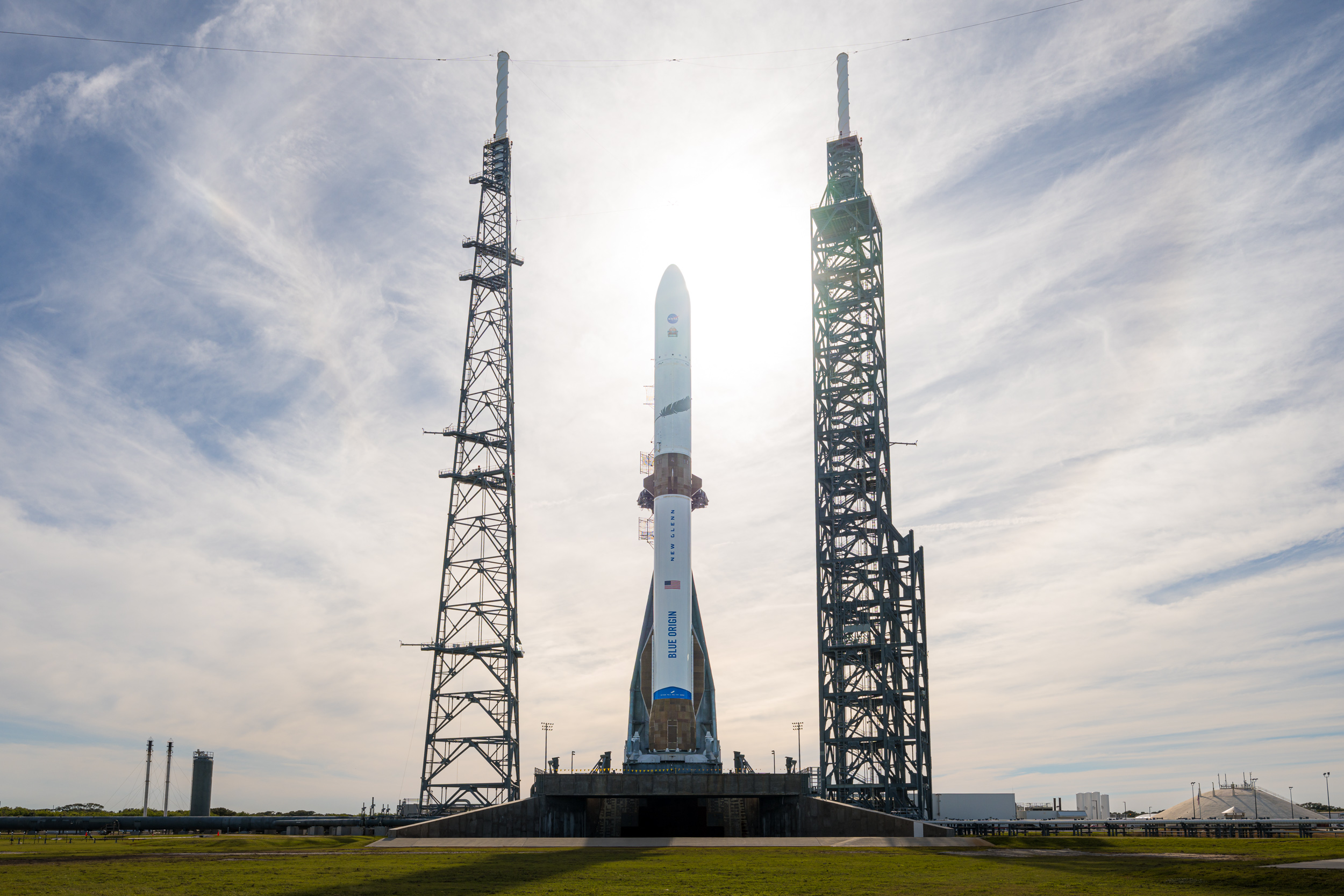
Blue Origin's New Glenn successfully reused its first stage booster for the first time on Mission 3, launching April 19. Booster reuse accelerates operational tempo.
Artemis 2 astronauts completed first crewed lunar flyby since Apollo 17, traveling 690,000 miles aboard Orion. Four crew validated deep-space systems.