

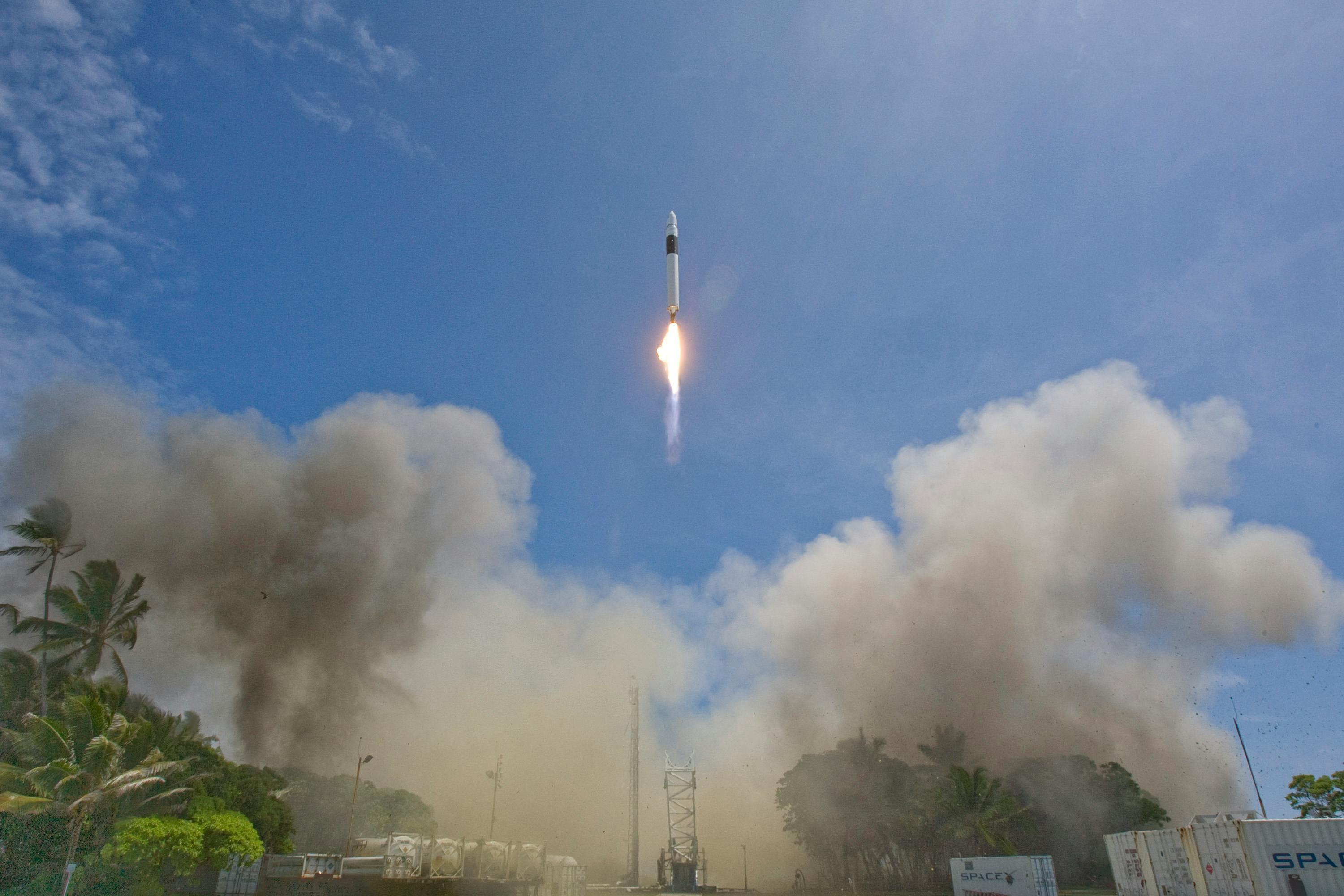
Falcon 9 Lofts 46 Payloads Including CAS500-2 | KeepTrack X Report
SpaceX's third rideshare mission of 2026 delivered South Korea's CAS500-2 imager and 45 secondary payloads to Sun-synchronous orbit on Falcon 9.


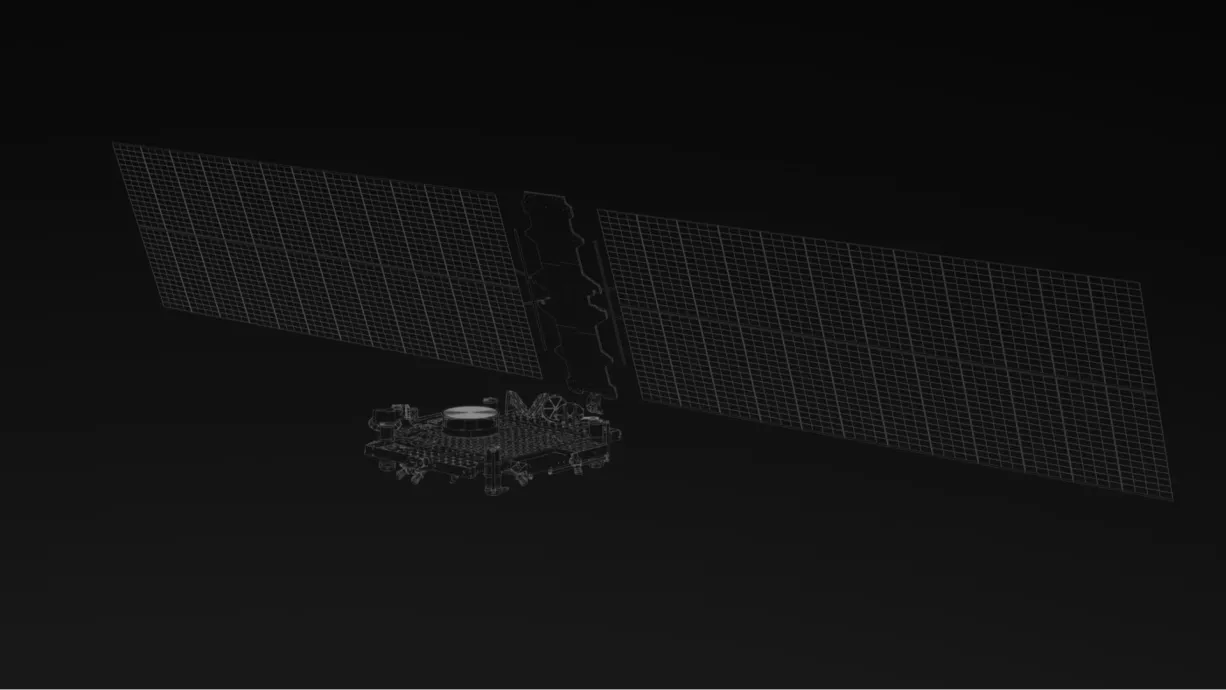
NORAD ID
62357
International Designator
2024-243T
Decay Date
Unknown
Name
USA 458
Alternative Name
USA 458
Type
Status
Owner
NROC
Country
United States
Constellation
N/A
Related Satellites
Major Events
N/A
Length
0.3
Diameter
4.1
Span
29
Dry Mass
750
Launch Mass
800
Shape
Box + pan
Radar Cross Section
Unknown
Visual Magnitude
Unknown
Color
Unknown
Material Composition
Unknown
Payload
Starshield 5-18
Purpose
Unknown (imaging or SIGINT)
Mission
Unknown (imaging or SIGINT)
Manufacturer
SPXS
Life Expectancy
Unknown
Bus
Starshield
Configuration
Starshield bus ?
Motor
?
Equipment
Unknown
Power System
deployable solar arrays
ADCS
Unknown
Transmitter Frequency
Unknown
Learn more about satellites and other related topics.
SpaceX's third rideshare mission of 2026 delivered South Korea's CAS500-2 imager and 45 secondary payloads to Sun-synchronous orbit on Falcon 9.
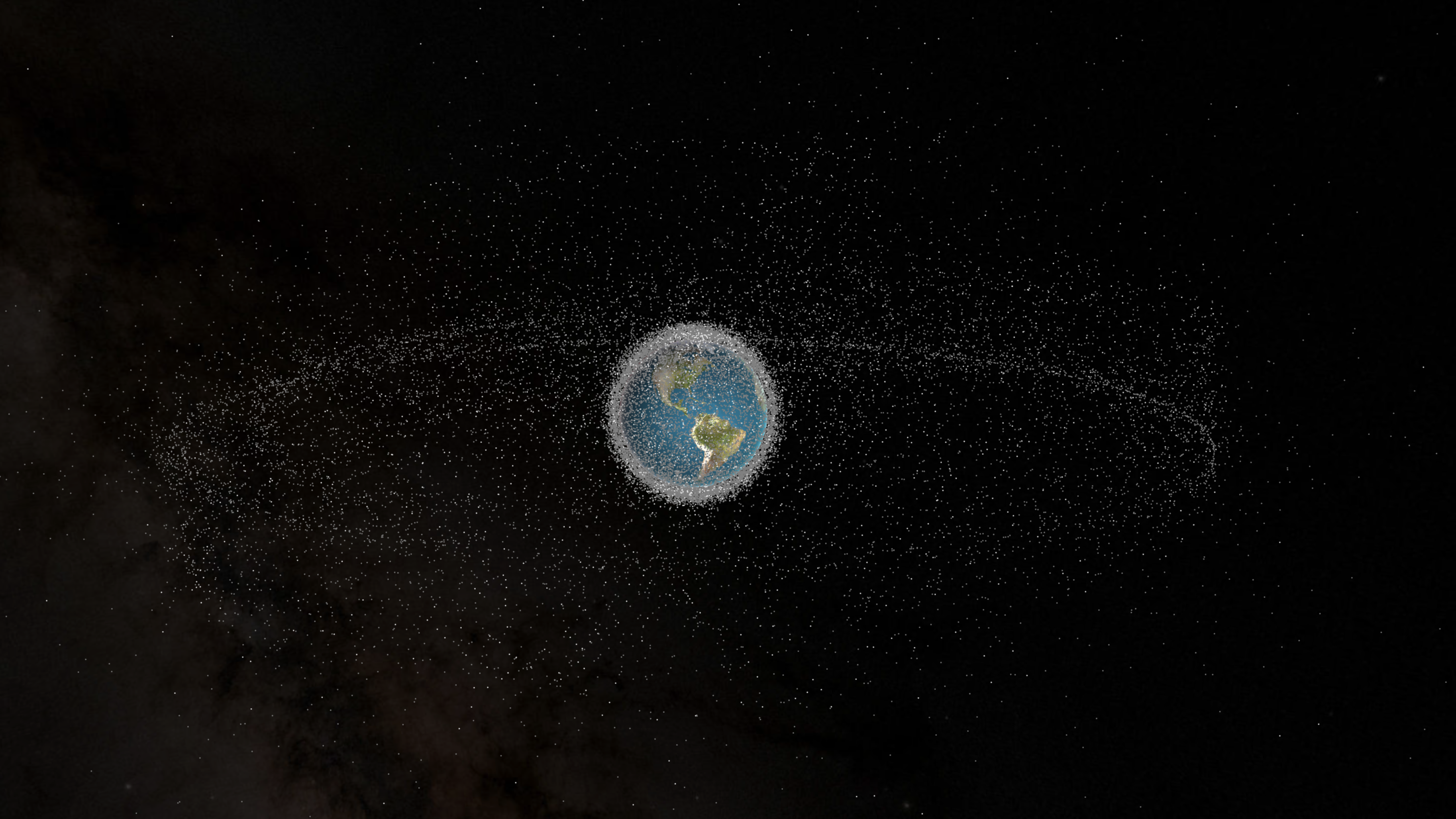
From shattered satellites to exploded rocket stages, space debris poses a growing risk to satellites, space stations, and astronauts. Here's a deep dive into what causes space debris, notable generating events, and what we're doing about it.
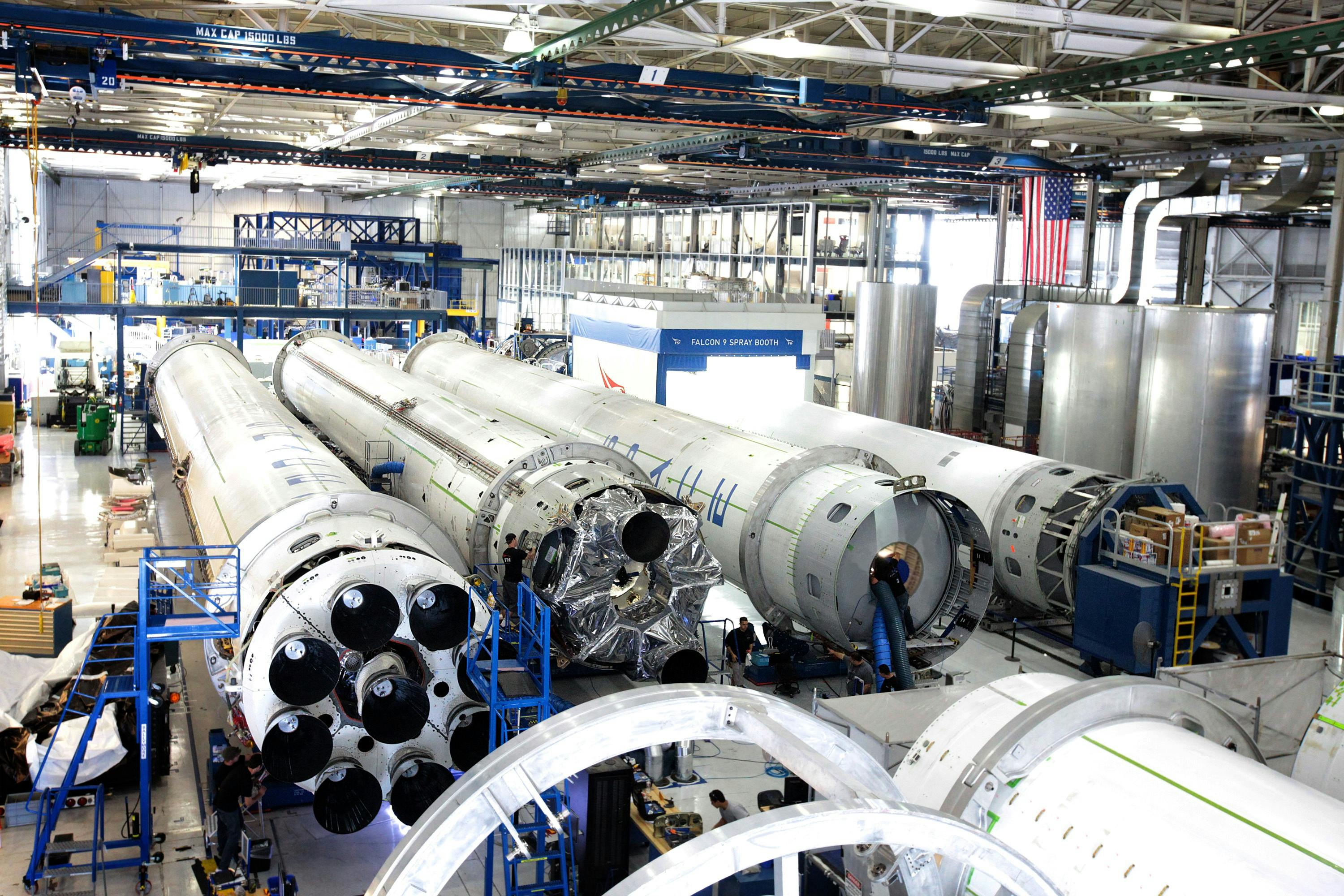
SpaceX Starfall reentry capsule debuted June 23: the 2,100 kg disk launched on a Falcon 9 from Cape Canaveral to demo cargo return from orbit.
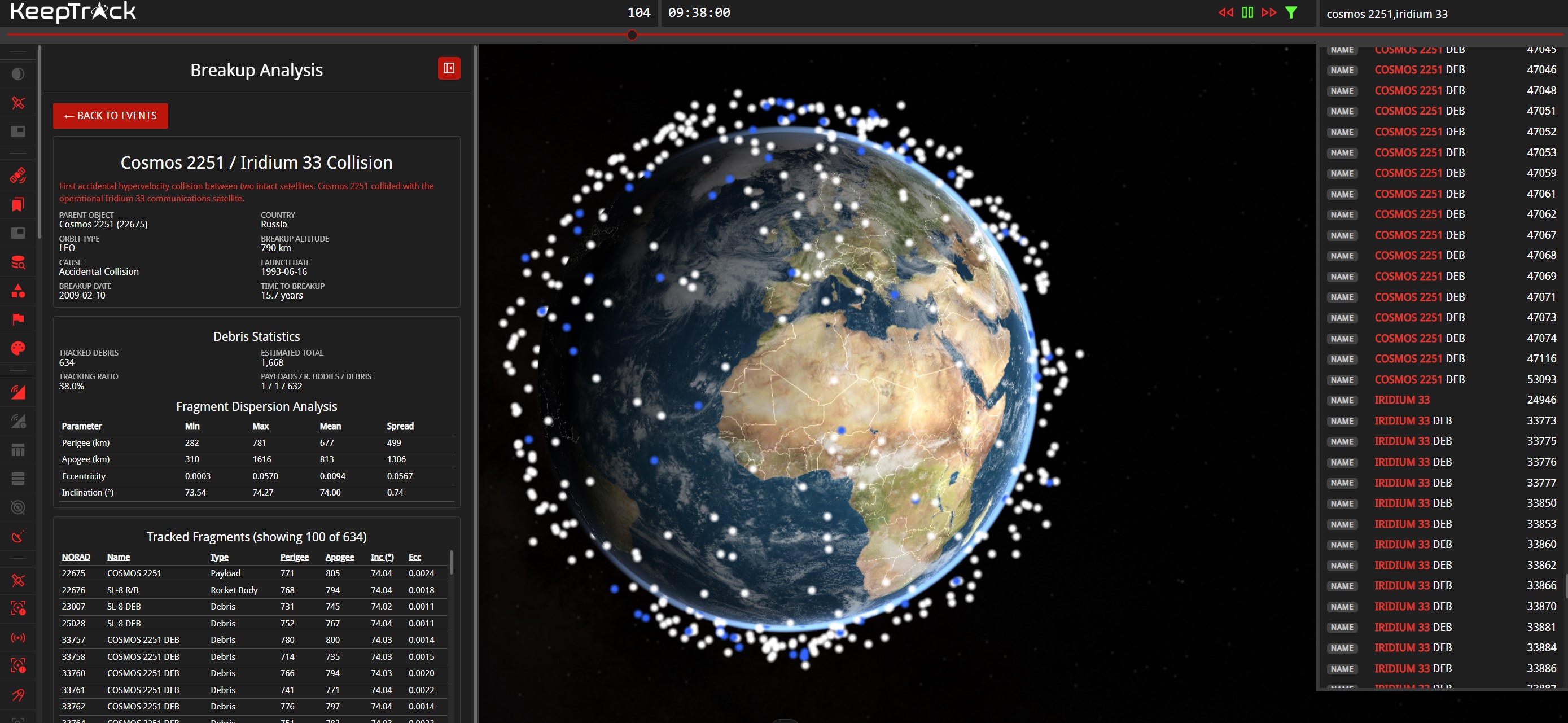
On February 10, 2009, an active Iridium communications satellite and a derelict Soviet military spacecraft slammed into each other 789 kilometers above Siberia. The collision produced more than 2,300 pieces of trackable debris that are still up there. Seventeen years later, the Iridium-Cosmos collision remains the event that made space debris a policy problem the world could no longer ignore.
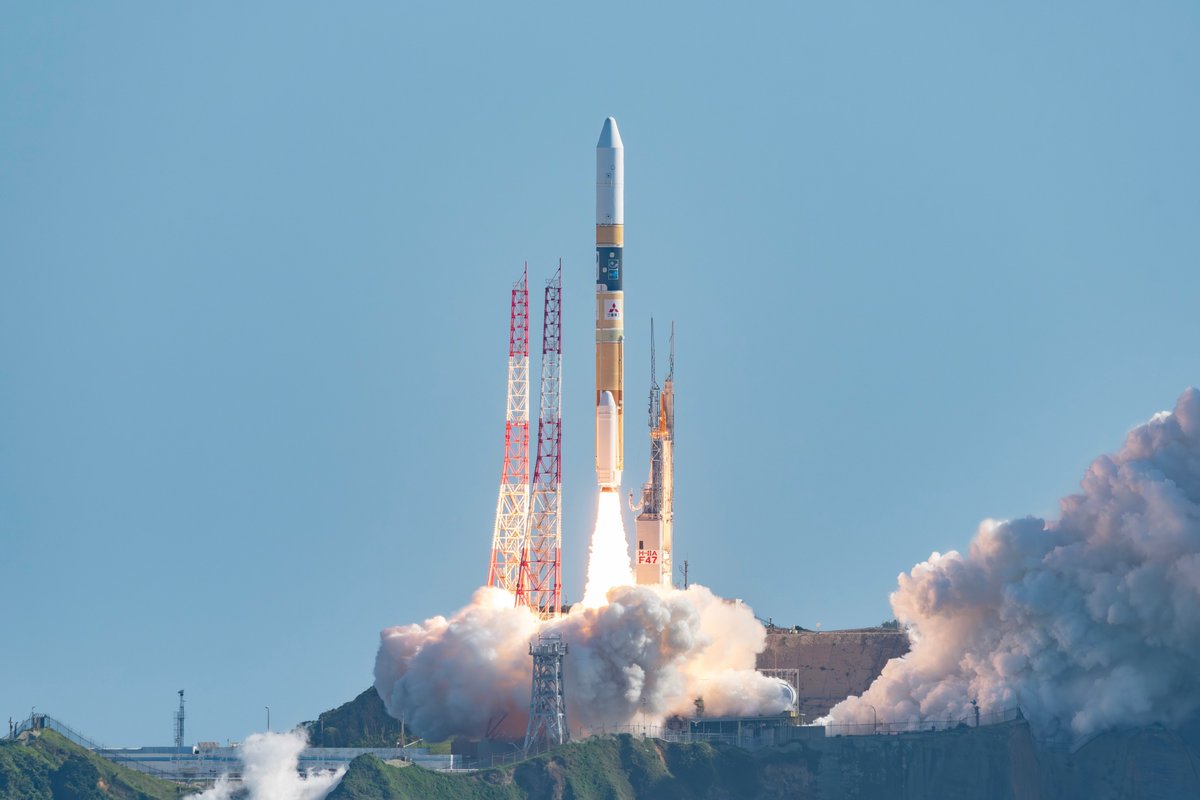
Today's update covers NASA's Ax-4 mission preparations, ESA's satellite imaging program, Ursa Major's military contract, and China's expanding nuclear arsenal.
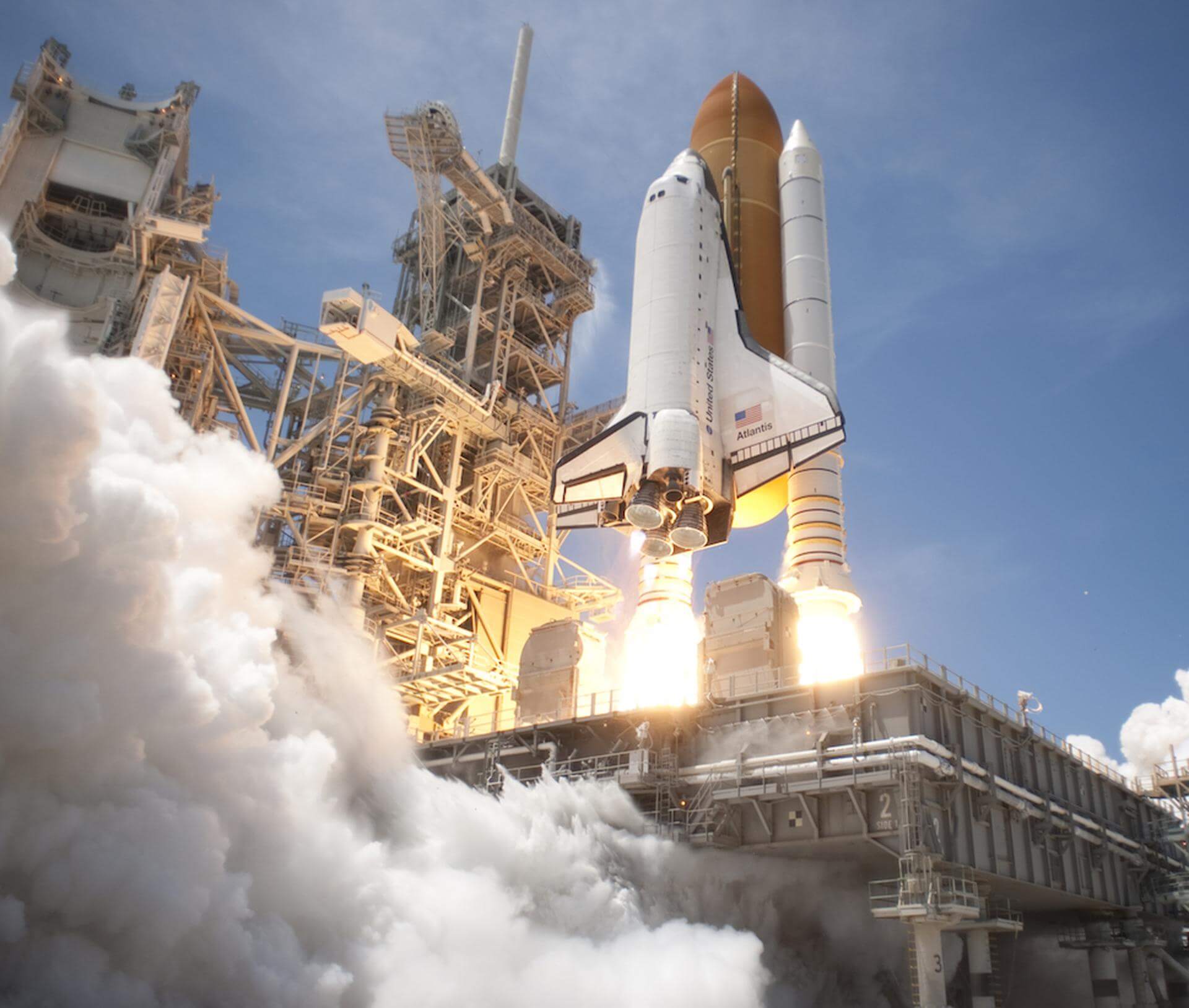
Rocket Lab to acquire Iridium's 66-satellite LEO constellation for end-to-end vertical integration. Deal includes spacecraft manufacturing, launch, and on-orbit operations control.
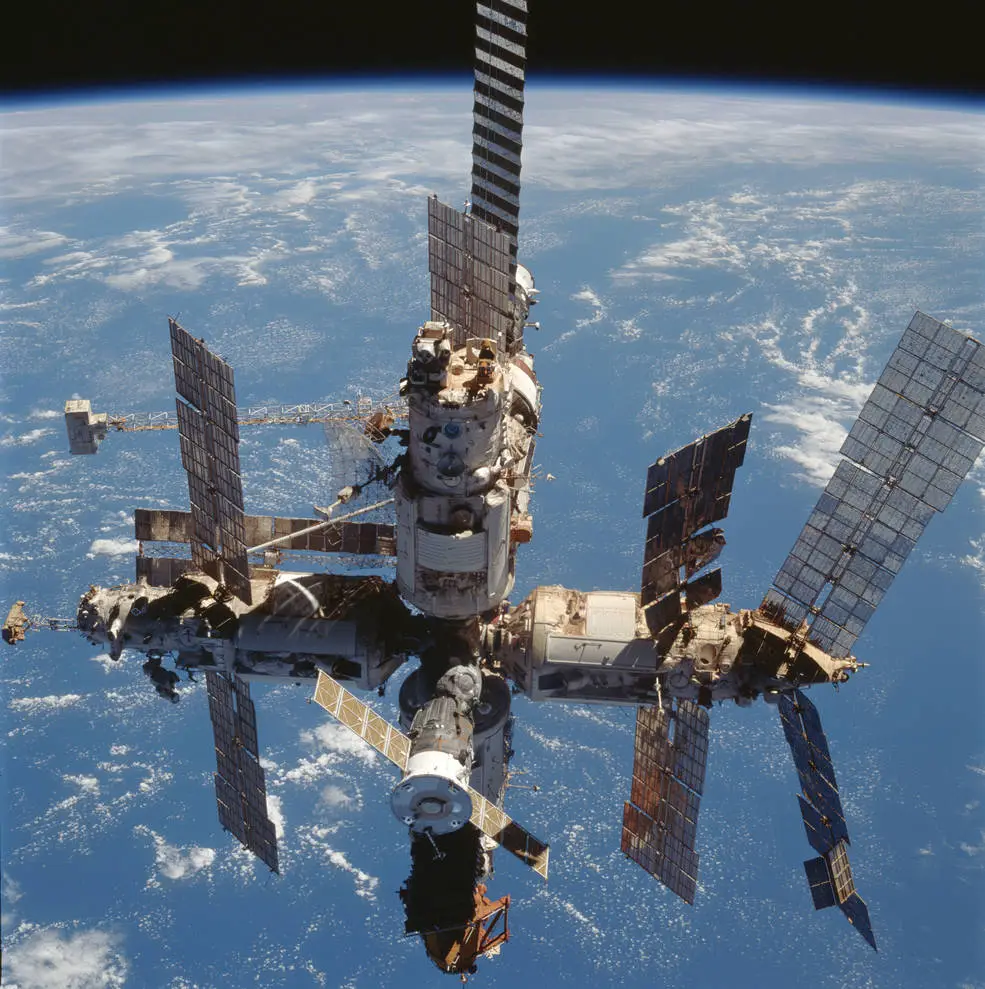
Thirty-nine years ago, a Proton rocket carried the core of the Mir space station into orbit, launching an unprecedented era of continuous human presence in space and international cooperation

Falcon 9 successfully deployed NROL-72 for National Reconnaissance Office's 13th proliferated architecture mission. Low-Earth orbit intelligence constellation expanding since 2021.