



Space Brief 20 Nov 2025
Today's briefing covers a DARPA award for Redwire's innovative satellite project, Ursa Major's expansion in defense engines, a Rocket Lab military test flight, and more.


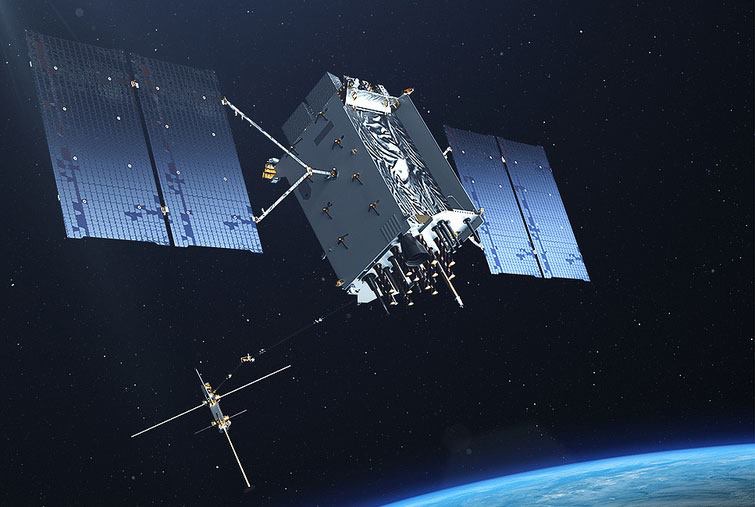
Launch Date
December 16, 2024
Launch Site
Cape Canaveral Space Force Station
Launch Pad
SLC-40
Launch Vehicle
NORAD ID
62339
International Designator
2024-242A
Epoch
Sun, 19 Jul 2026 17:19:15 GMT
Apogee
Calculating...
Perigee
Calculating...
Inclination
54.83°
Right Ascension
332.86°
Eccentricity
Calculating...
Argument of Perigee
4.35°
Period
717.95 min
Mean Motion
2.01 rev/day
Latitude
Calculating...
Longitude
Calculating...
Altitude
Calculating...
Velocity
Calculating...
Name
NAVSTAR 83 (USA 440)
Alternative Name
GPS III SV07
Type
Status
Owner
United States Space Force
Country
United States
Constellation
GPS
Related Satellites
Major Events
Launched on December 16, 2024, as part of the Rapid Response Trailblazer program to demonstrate expedited launch capabilities.
1 62339U 24242A 26200.72170845 -.00000109 00000+0 00000+0 0 9990
2 62339 54.8338 332.8621 0017996 4.3540 337.1791 02.00572353 11908
Source: Celestrak
Length
3.4
Diameter
1.8
Span
14
Dry Mass
2160
Launch Mass
4352
Shape
Box with two solar panel arrays
Radar Cross Section
0.5
Visual Magnitude
5.5
Color
Silver and white
Material Composition
Aluminum and composite materials
Payload
Navigation payload with L1C and M-code signals
Purpose
Provides enhanced global positioning and timing services for military and civilian users
Mission
Navigation
Manufacturer
Lockheed Martin
Life Expectancy
15 years
Bus
A2100
Configuration
A2100A
Motor
LEROS-1c
Equipment
The satellite is equipped with advanced navigation payloads, including the new L1C civil signal compatible with international global navigation satellite systems, and M-code for improved anti-jamming and secure military communications.
Power System
Two deployable solar arrays, batteries
ADCS
Three-axis stabilization
Transmitter Frequency
L1 (1575.42 MHz), L2 (1227.60 MHz), L5 (1176.45 MHz)
Learn more about satellites and other related topics.
Today's briefing covers a DARPA award for Redwire's innovative satellite project, Ursa Major's expansion in defense engines, a Rocket Lab military test flight, and more.

SpaceX set to launch GPS 3-9 for Space Force after strategic switch from ULA's Vulcan to Falcon 9. 25 Starlink satellites deployed to polar orbit. Musk explains SpaceX exponential growth trajectory.

Today's briefing covers the latest satellite communications advancements, a secretive military launch by SpaceX, and new space defense organizational structures.
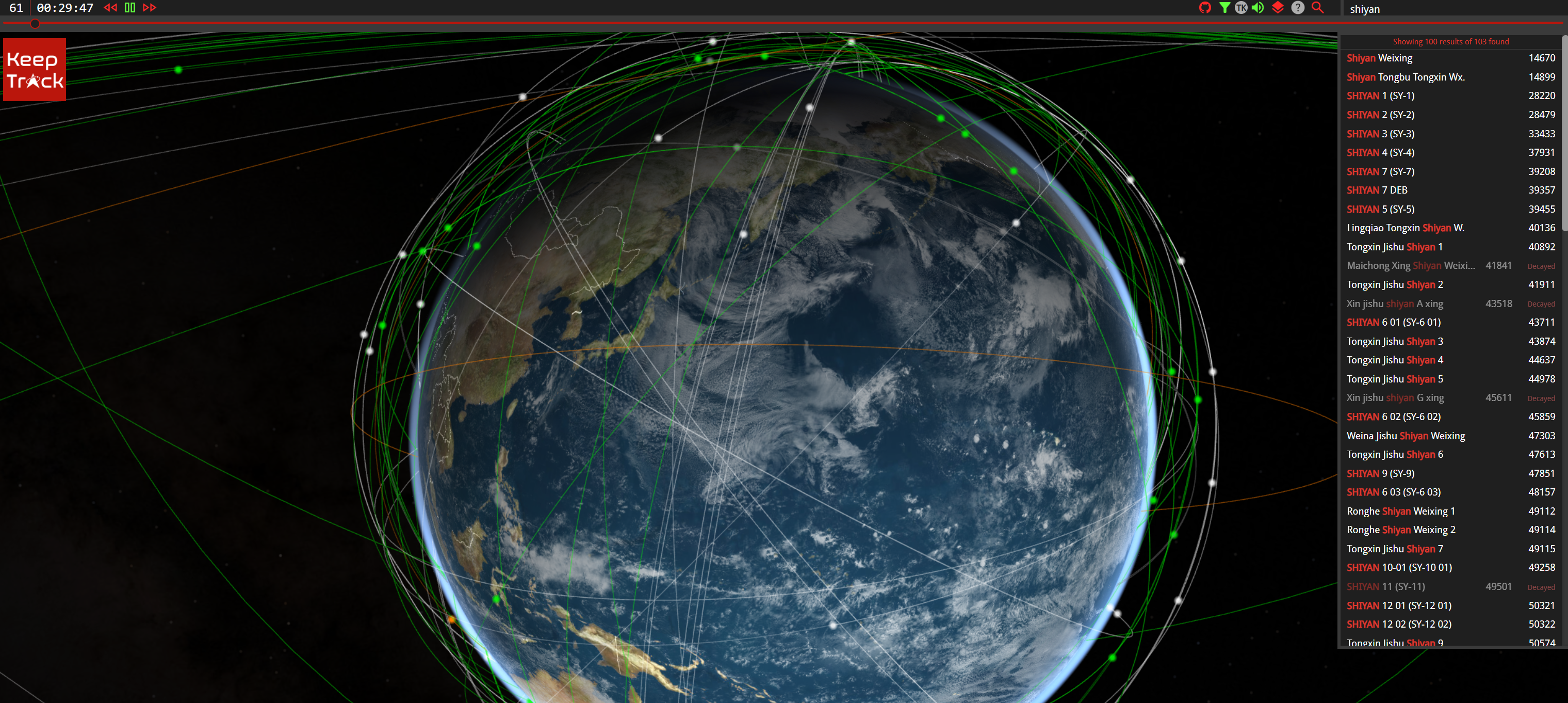
The master ledger of everything orbiting Earth: how tens of thousands of satellites, rocket bodies, and debris fragments are tracked and numbered

SpaceX safely returns Crew-9 from ISS, launches new Starlink satellites, and showcases its satellite kit production capabilities.
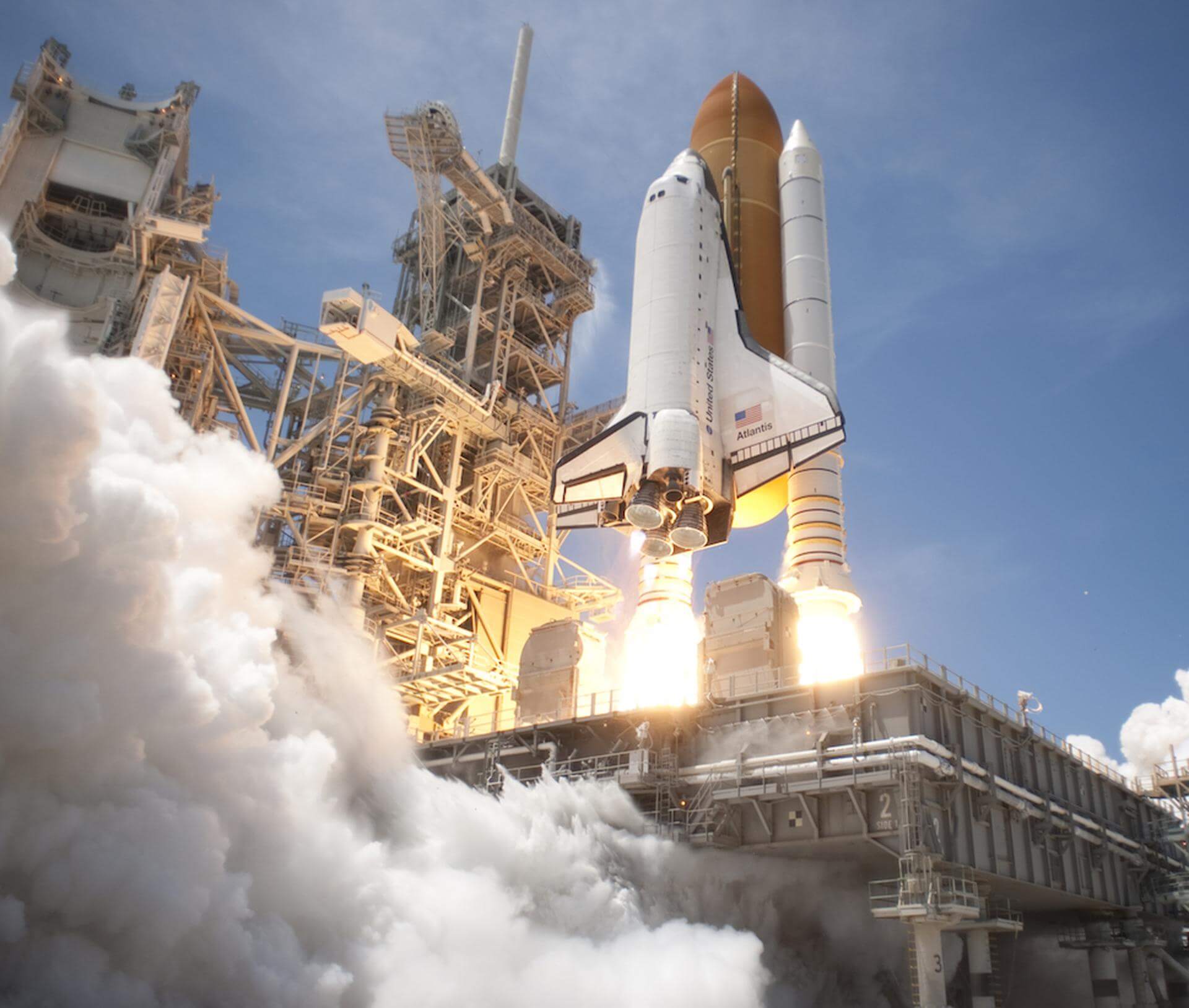
Rocket Lab to acquire Iridium's 66-satellite LEO constellation for end-to-end vertical integration. Deal includes spacecraft manufacturing, launch, and on-orbit operations control.
SpaceX makes headlines with dual Starlink launches, Rocket Lab inaugurates new launch complex, while AI's impact on space missions and satellite technology continues to stir discussions.
Today's space updates include a new EU space commissioner's priorities, insights from declassified satellite images, and an update on NASA's Europa Clipper mission. A highlight in the Satellite Spotlight features the Russian satellite COSMOS 2070.