


X Report 22 Jun 2025
Key updates include the impending Falcon 9 launch for Transporter-14, insights on Starship's explosion, and a last-minute abort of the Starlink 10-23 mission.


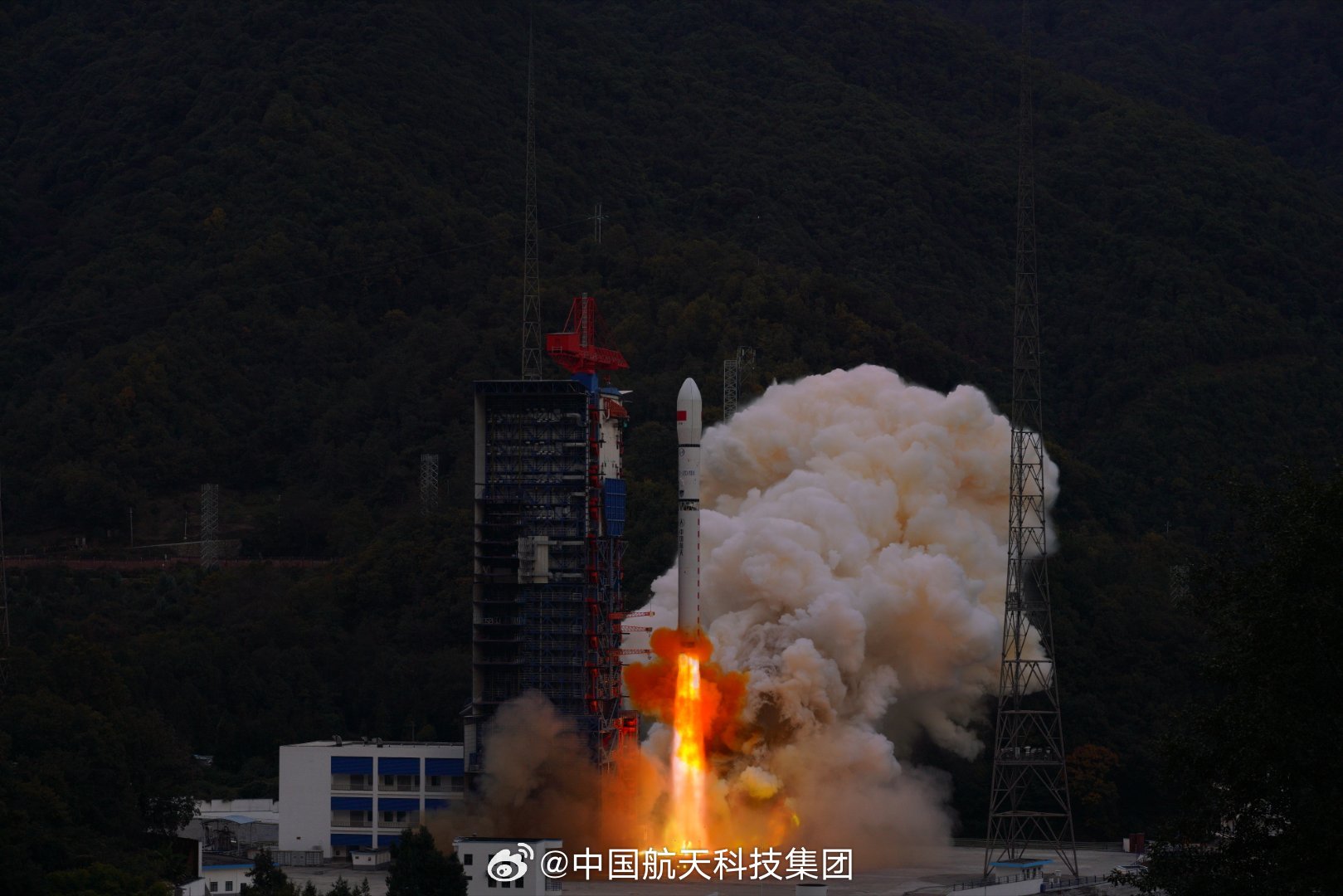
Launch Date
December 12, 2024
Launch Site
JSC
Launch Pad
LC43/94
Launch Vehicle
Chang Zheng 2D/YZ-3
NORAD ID
62290
International Designator
2024-238A
Epoch
Mon, 20 Jul 2026 06:42:33 GMT
Apogee
Calculating...
Perigee
Calculating...
Inclination
59.91°
Right Ascension
186.49°
Eccentricity
Calculating...
Argument of Perigee
282.76°
Period
104.71 min
Mean Motion
13.75 rev/day
Latitude
Calculating...
Longitude
Calculating...
Altitude
Calculating...
Velocity
Calculating...
Name
GJZ 01
Alternative Name
Gaosu Jiguang Zuanzhi 1
Type
Status
Owner
CASC
Country
China
Constellation
N/A
Related Satellites
Major Events
N/A
1 62290U 24238A 26201.27955036 -.00000070 00000+0 51402-4 0 9999
2 62290 59.9115 186.4917 0012838 282.7646 77.1927 13.75225222 80152
Source: Celestrak
Length
0.3
Diameter
0.2
Span
3
Dry Mass
150
Launch Mass
150
Shape
Box + 2 pan
Radar Cross Section
Unknown
Visual Magnitude
Unknown
Color
Unknown
Material Composition
Unknown
Payload
GJZ XSX 1
Purpose
?
Mission
?
Manufacturer
HITSAT
Life Expectancy
Unknown
Bus
HarbFlat
Configuration
Unknown
Motor
Unknown
Equipment
Unknown
Power System
Solar array, batteries
ADCS
Unknown
Transmitter Frequency
Unknown
Learn more about satellites and other related topics.
Key updates include the impending Falcon 9 launch for Transporter-14, insights on Starship's explosion, and a last-minute abort of the Starlink 10-23 mission.

Key developments include political attention on SpaceX's ISS crew return and competition forecasts between SpaceX and ULA for national security missions.

Explore China's ambitions to expand its Tiangong space station, NASA's next steps for the Europa Clipper mission, and ESA's efforts to support the European space industry. Discover the latest in satellite tracking and consider the fascinating findings on potential life on Mars.
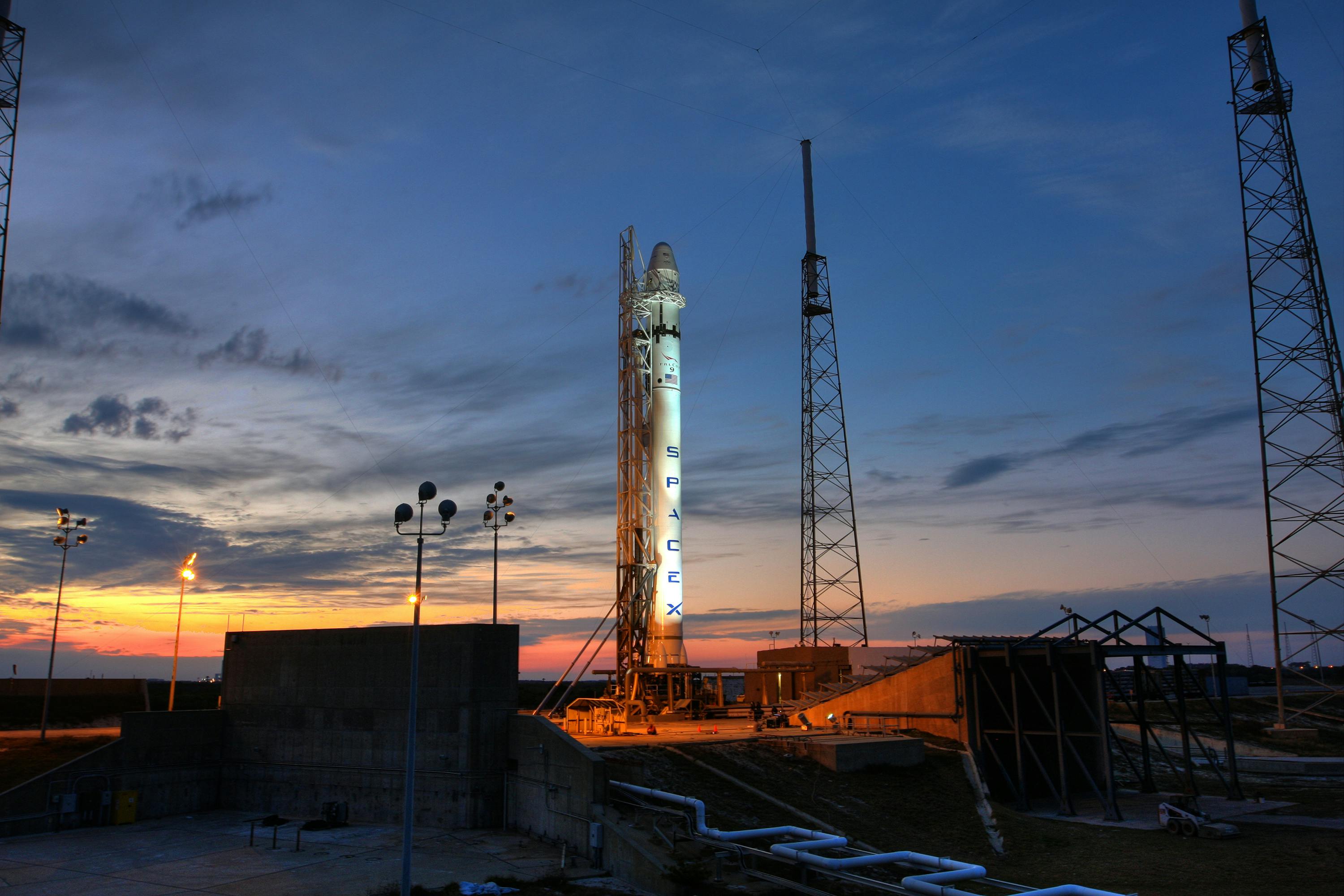
SpaceX successfully launched 29 Starlink satellites, bolstering its broadband network and expanding global internet coverage.
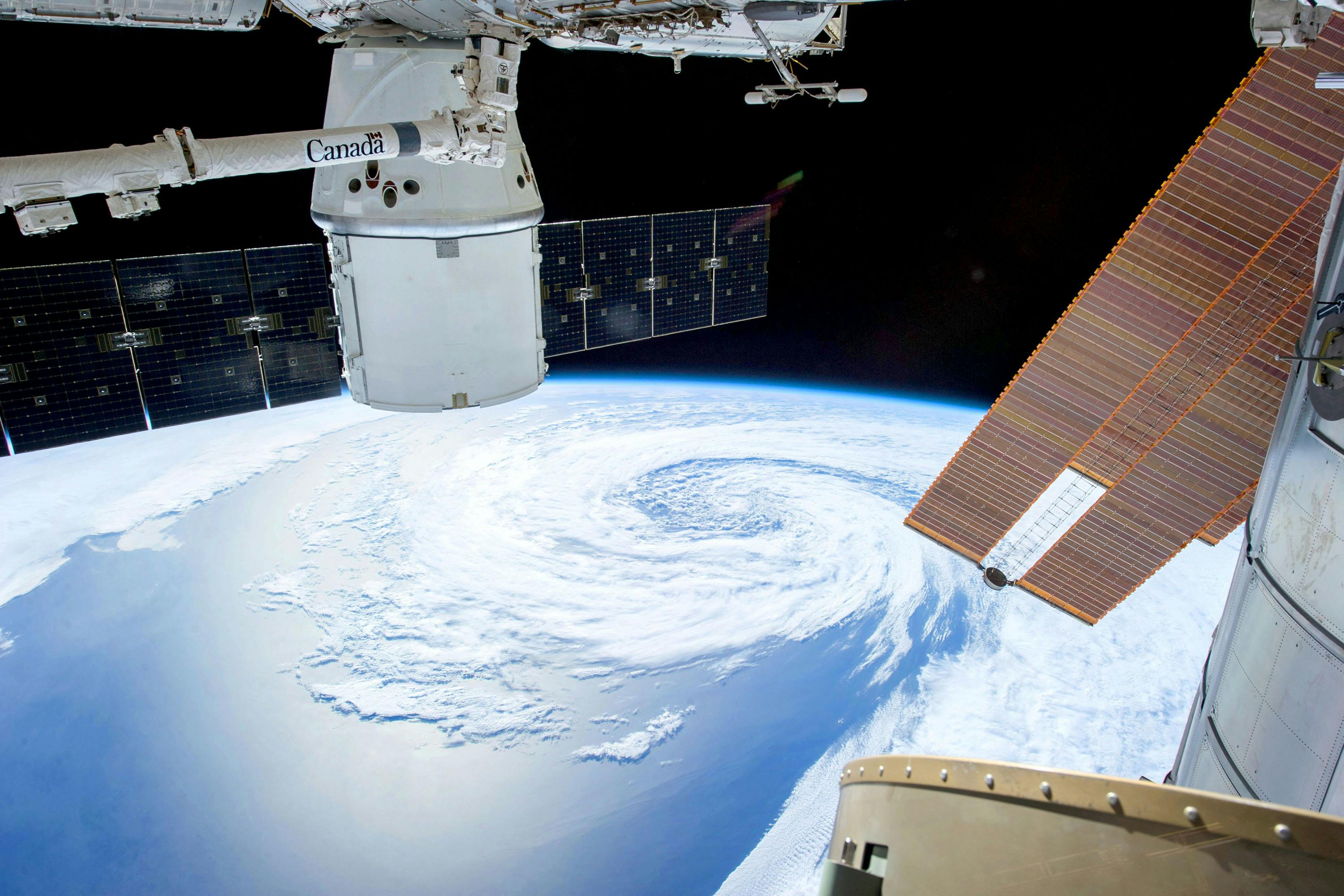
SpaceX successfully launched 23 Starlink satellites using a new Falcon 9 rocket, marking a significant milestone for the company as it expands its satellite internet constellation.
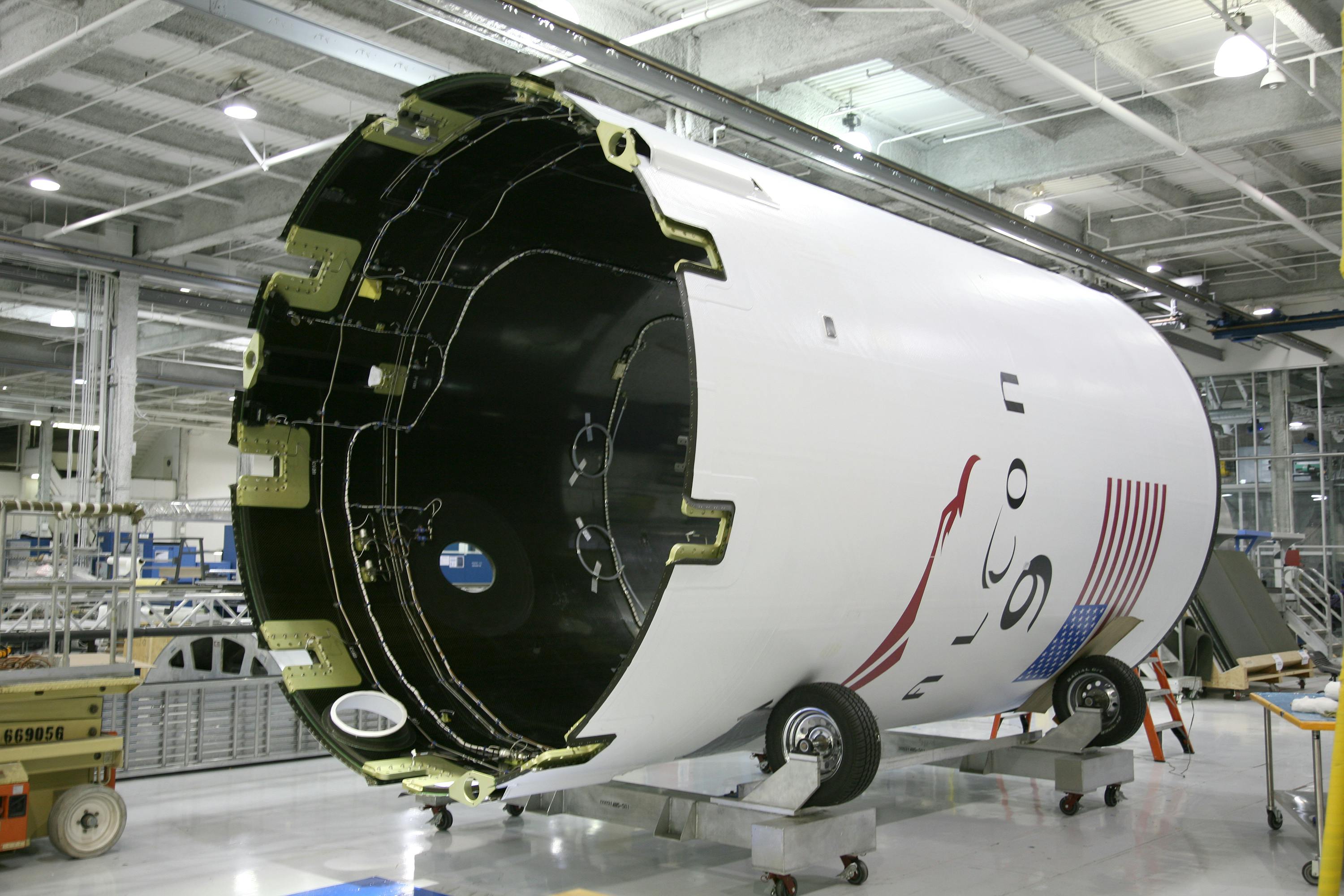
SpaceX flew a Falcon 9 booster for a record 35th time on July 10, deploying 29 Starlink satellites as direct-to-cell tech expands to pet collars.

Exactly 64 years ago today, Scott Carpenter became the fourth American to orbit the Earth aboard Aurora 7. His five-hour flight produced new science, a tense reentry, and 39 minutes of silence in which the country wondered if it had just lost its astronaut.

German defense giant Rheinmetall may bid for laser-comm firm Mynaric, challenging Rocket Lab's plans. SpaceX sets Falcon 9 reuse record. Juno reveals Europa ice sheet data.