


X Report 8 Sep 2025
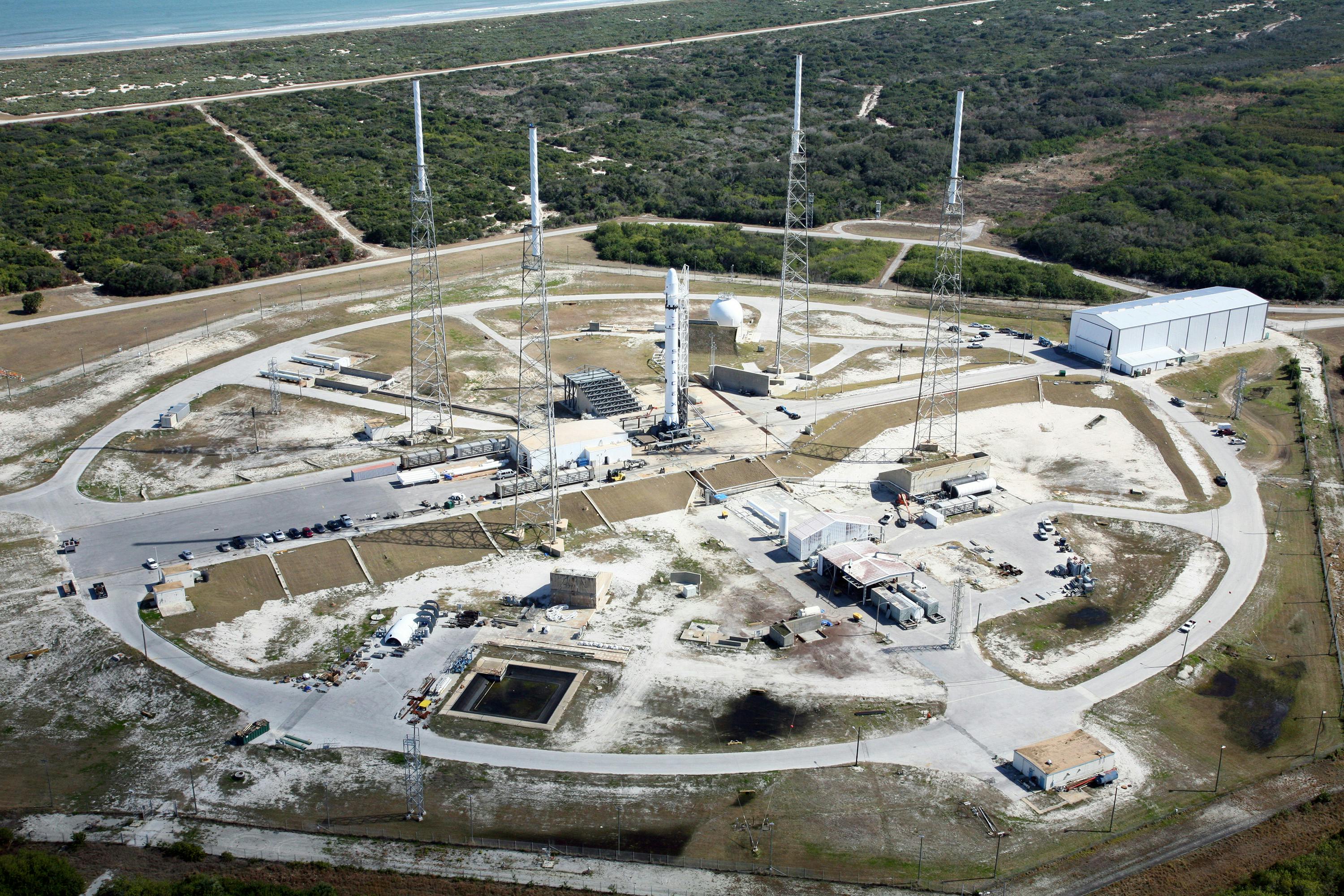
The FAA has approved an increase in Falcon 9 launches while reviewing the environmental impacts of Starship launches in Florida, amidst growing community concerns on noise and other issues related to the Starship program.


![STARLINK-11333 [DTC] Satellite Image](/images/sat/starlink.jpg)
Launch Date
December 8, 2024
Launch Site
Launch Pad
LC40
Launch Vehicle
NORAD ID
62273
International Designator
2024-237G
Epoch
Sun, 19 Jul 2026 17:26:10 GMT
Apogee
Calculating...
Perigee
Calculating...
Inclination
43.00°
Right Ascension
341.15°
Eccentricity
Calculating...
Argument of Perigee
267.86°
Period
91.67 min
Mean Motion
15.71 rev/day
Latitude
Calculating...
Longitude
Calculating...
Altitude
Calculating...
Velocity
Calculating...
Name
STARLINK-11333 [DTC]
Alternative Name
Starlink 11333
Type
Status
Owner
SPXS
Country
United States
Constellation
N/A
Related Satellites
Major Events
N/A
1 62273U 24237G 26200.72651281 .00099533 00000+0 76982-3 0 9993
2 62273 43.0008 341.1479 0001808 267.8564 92.2097 15.70842640 93818
Source: Celestrak
Length
0.3
Diameter
4.1
Span
29
Dry Mass
700
Launch Mass
730
Shape
Box + pan
Radar Cross Section
Unknown
Visual Magnitude
Unknown
Color
Unknown
Material Composition
Unknown
Payload
Starlink Group 12-5-07
Purpose
Unknown
Mission
Unknown
Manufacturer
SPXS
Life Expectancy
Unknown
Bus
Starlink V2M
Configuration
Unknown
Motor
Unknown
Equipment
Unknown
Power System
Unknown
ADCS
Unknown
Transmitter Frequency
Unknown
Learn more about satellites and other related topics.
The FAA has approved an increase in Falcon 9 launches while reviewing the environmental impacts of Starship launches in Florida, amidst growing community concerns on noise and other issues related to the Starship program.

Today's Space Brief highlights a SpaceX launch of Starlink satellites, international efforts to tackle space debris, and innovative lunar power solutions from China.
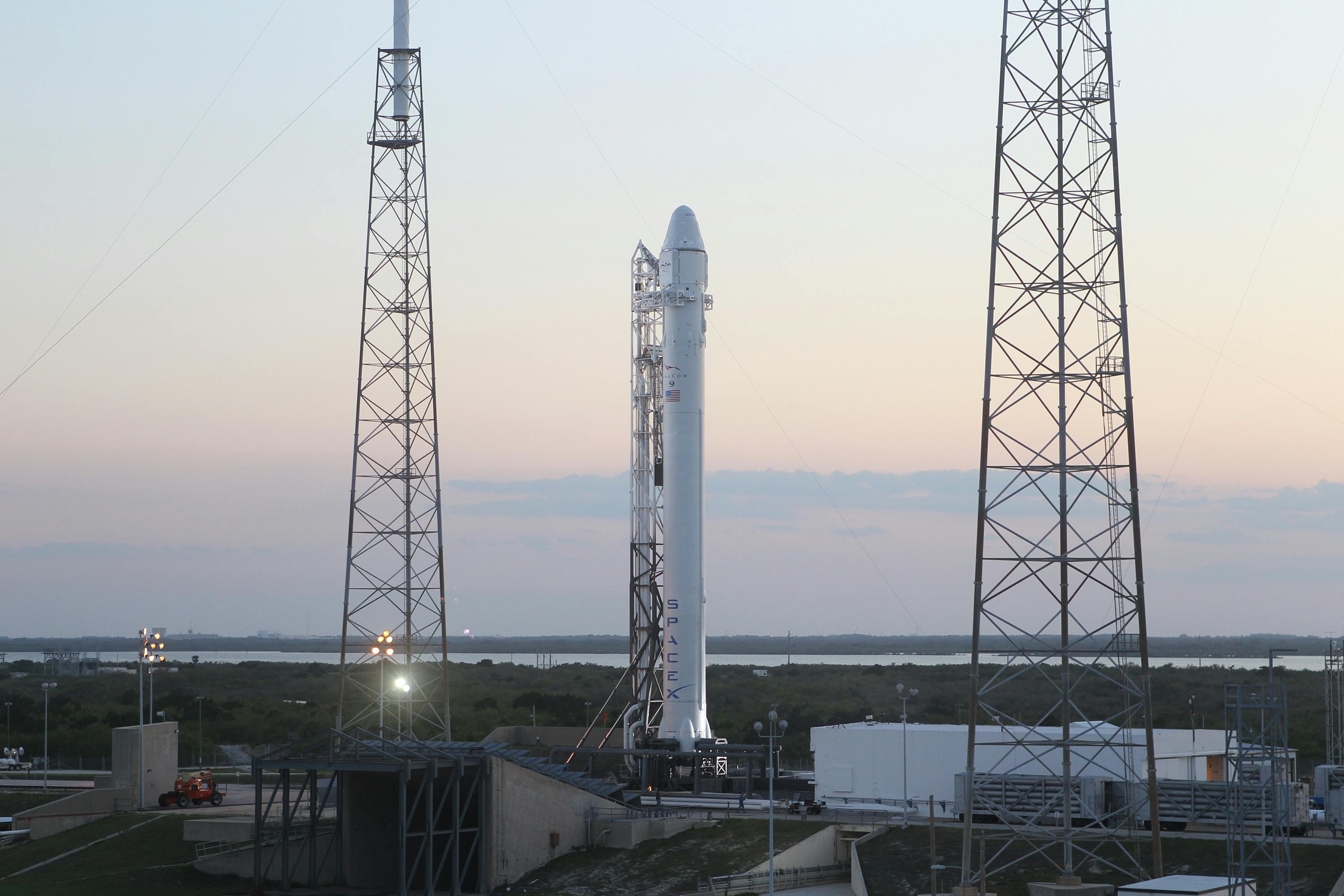
SpaceX successfully launches NASA missions, prepares for Crew-10 flight, and overcomes Falcon 9 launch anomalies.
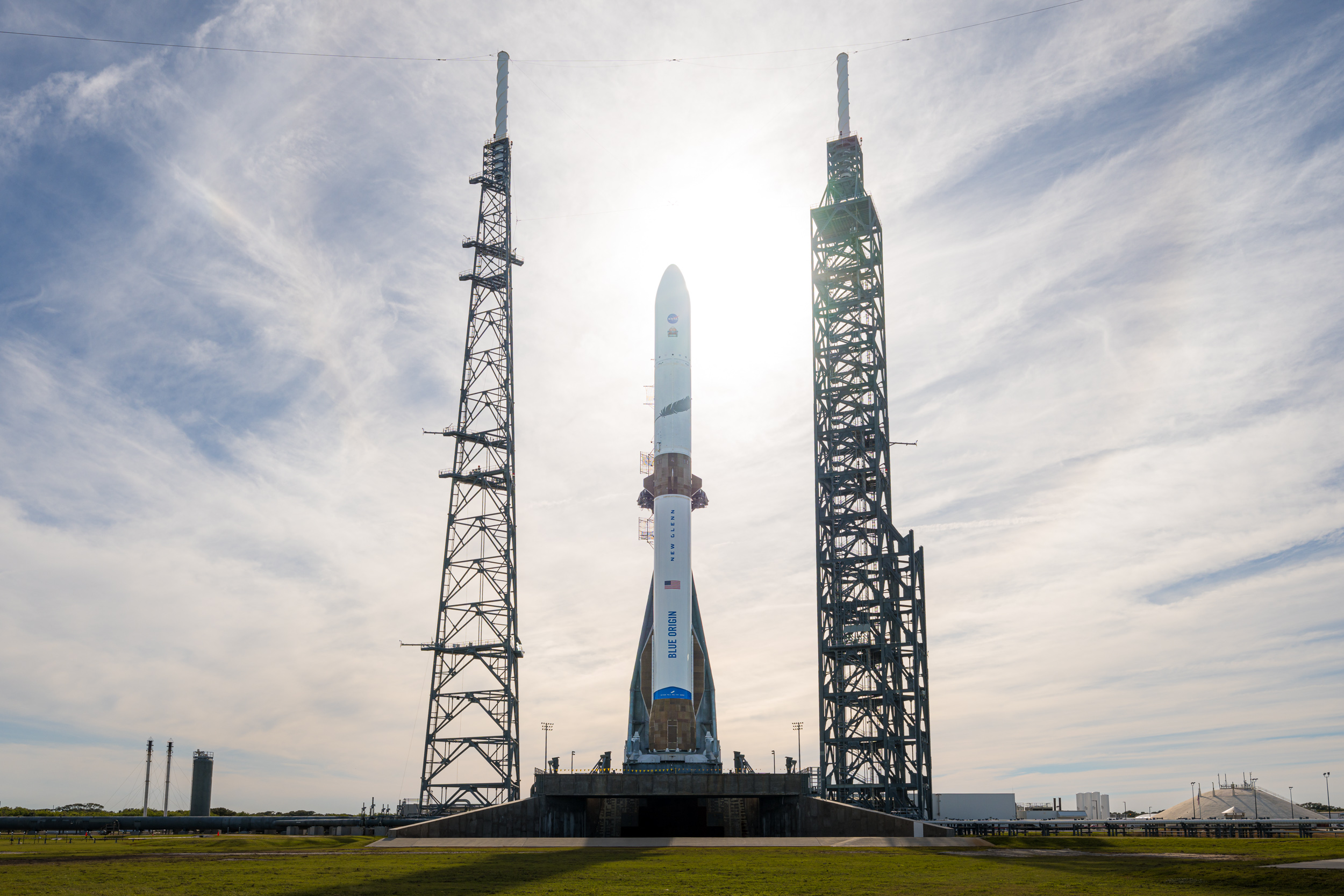
Artemis 2 astronauts completed first crewed lunar flyby since Apollo 17, traveling 690,000 miles aboard Orion. Four crew validated deep-space systems.

Pentagon's $50B Iran supplemental request signals major investment in missile defense and ISR satellites. Amazon reshuffles LEO government leadership amid Kuiper competition.

SpaceX scrubs Crew-10 launch due to hydraulics issue; successful Falcon 9 launch for NASA missions, and Texas supports SpaceX expansion.

Today's briefing covers the Long March 12A's first launch, a major advance in space radio communication, and highlights from key military developments impacting space operations.
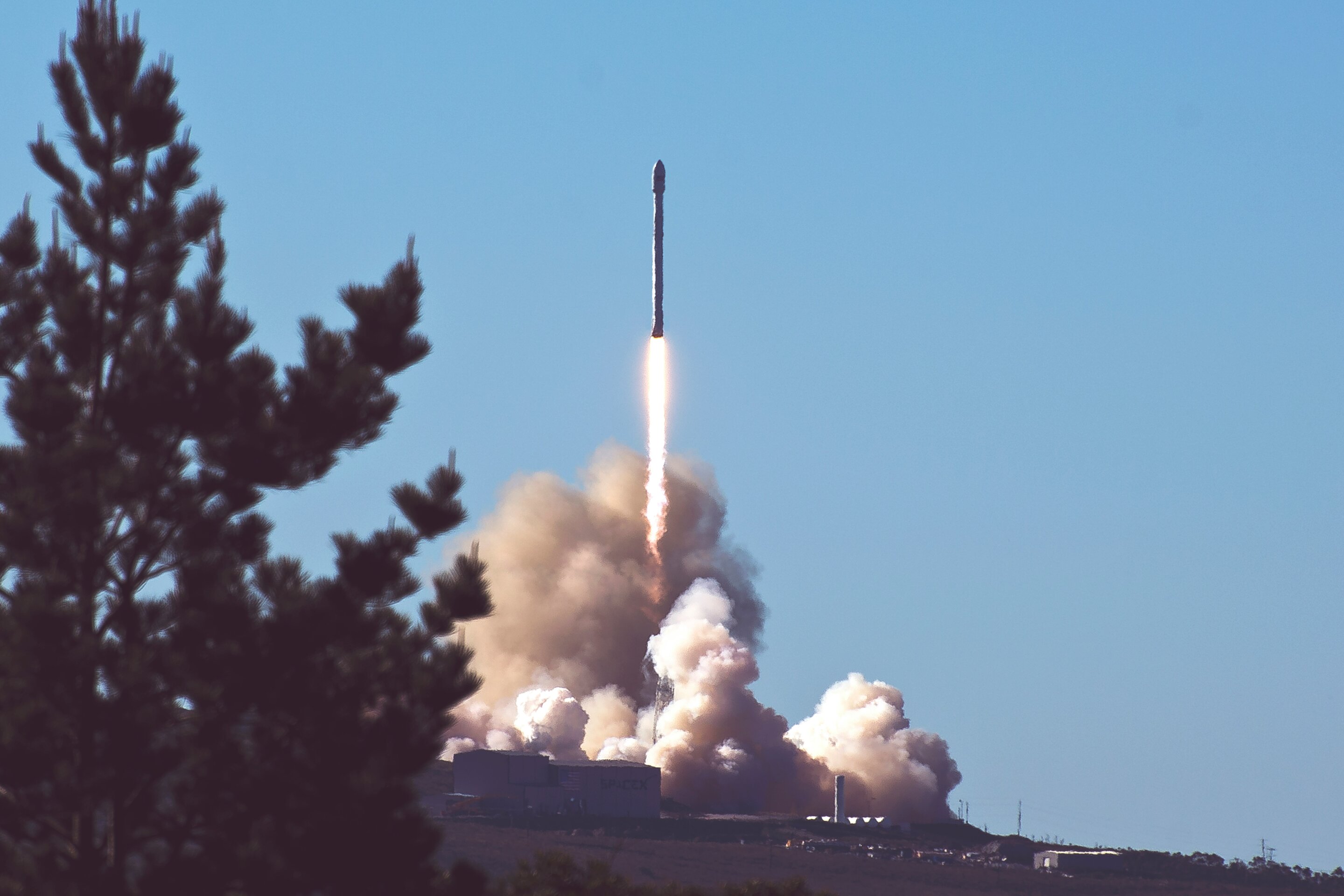
An exciting day in space with potential maneuver revelations from the X-37B, SpaceX's resumption of Falcon 9 launches, and significant advancements in lunar exploration tied to new U.S. spacesuits.