


X Report 18 Jun 2025
SpaceX successfully launched 28 Starlink satellites while preparing for the upcoming Ax-4 mission to the ISS. Significant progress continues in their ongoing space endeavors.



NORAD ID
62262
International Designator
2024-231V
Epoch
Sun, 19 Jul 2026 16:38:26 GMT
Apogee
Calculating...
Perigee
Calculating...
Inclination
53.16°
Right Ascension
326.14°
Eccentricity
Calculating...
Argument of Perigee
62.07°
Period
94.01 min
Mean Motion
15.32 rev/day
Latitude
Calculating...
Longitude
Calculating...
Altitude
Calculating...
Velocity
Calculating...
Name
STARLINK-32632
Alternative Name
Starlink 32632
Type
Status
Owner
SPXS
Country
United States
Constellation
N/A
Related Satellites
Major Events
N/A
1 62262U 24231V 26200.69336130 .00019582 00000+0 64088-3 0 9994
2 62262 53.1598 326.1372 0001202 62.0685 298.0438 15.31712716 91982
Source: Celestrak
Length
0.3
Diameter
4.1
Span
29
Dry Mass
700
Launch Mass
730
Shape
Box + pan
Radar Cross Section
Unknown
Visual Magnitude
Unknown
Color
Unknown
Material Composition
Unknown
Payload
Starlink Group 9-14-20
Purpose
Unknown
Mission
Unknown
Manufacturer
SPXS
Life Expectancy
Unknown
Bus
Starlink V2M
Configuration
Unknown
Motor
Unknown
Equipment
Unknown
Power System
Unknown
ADCS
Unknown
Transmitter Frequency
Unknown
Learn more about satellites and other related topics.
SpaceX successfully launched 28 Starlink satellites while preparing for the upcoming Ax-4 mission to the ISS. Significant progress continues in their ongoing space endeavors.
Starbase Pad 2 passes water-cooled deck test ahead of Booster 19. Starlink restrictions disrupt Russian battlefield communications. California city weighs banning Musk companies.
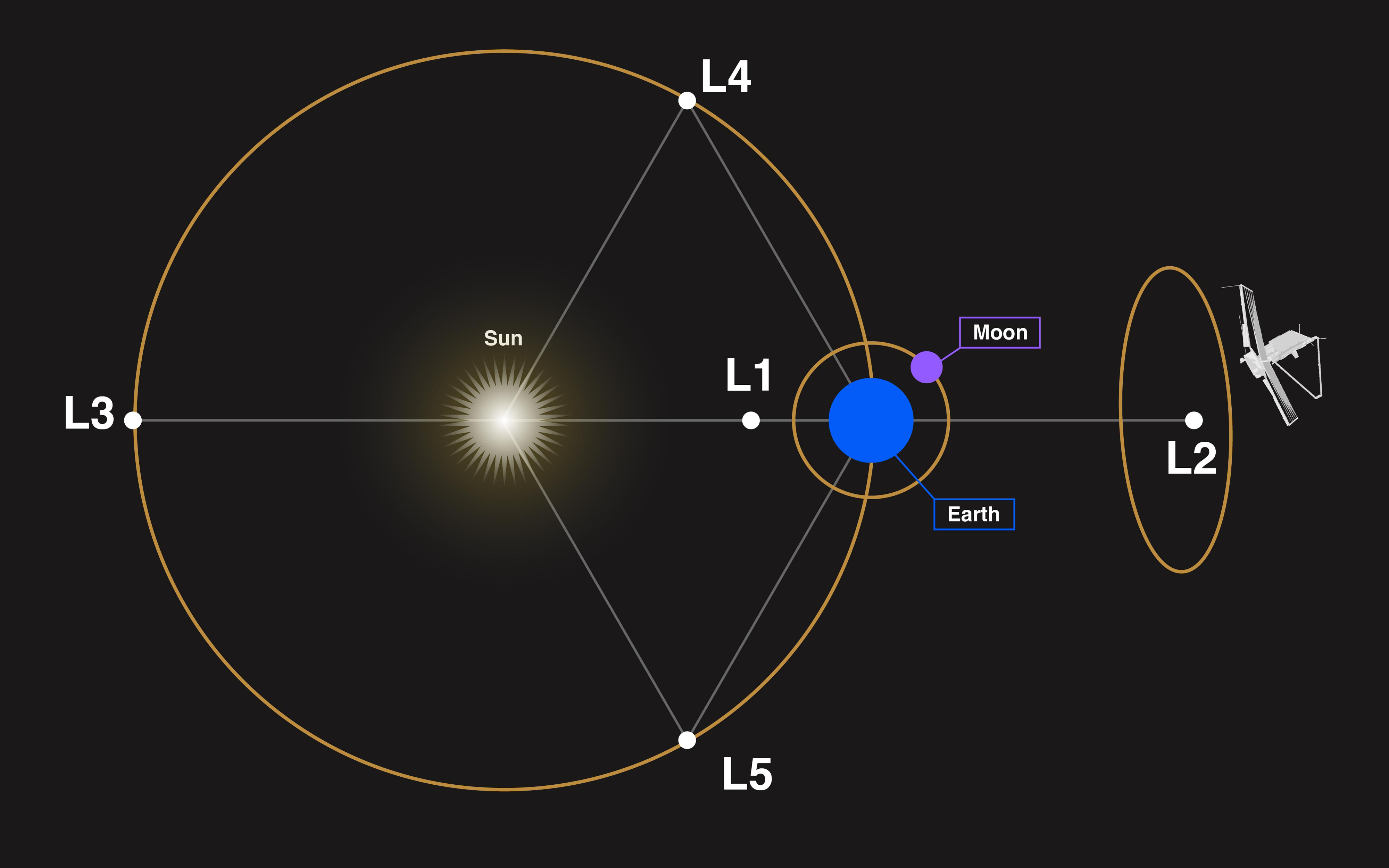
Five spots in the Earth-Sun system where the gravitational tug of two massive bodies and the pull of circular motion all cancel out, creating gravitational parking spaces where spacecraft can sit for decades with almost no fuel.

Key updates today focus on SpaceX's latest satellite launch for the U.S. military, critical space resource assessments by the U.S. Space Force, and new developments in space infrastructure and equipment for defense operations.
Space Force suspends all Vulcan launches pending solid rocket booster investigation. Rocket Lab scrubs HASTE hypersonic vehicle launch. Military space funding hits record highs.
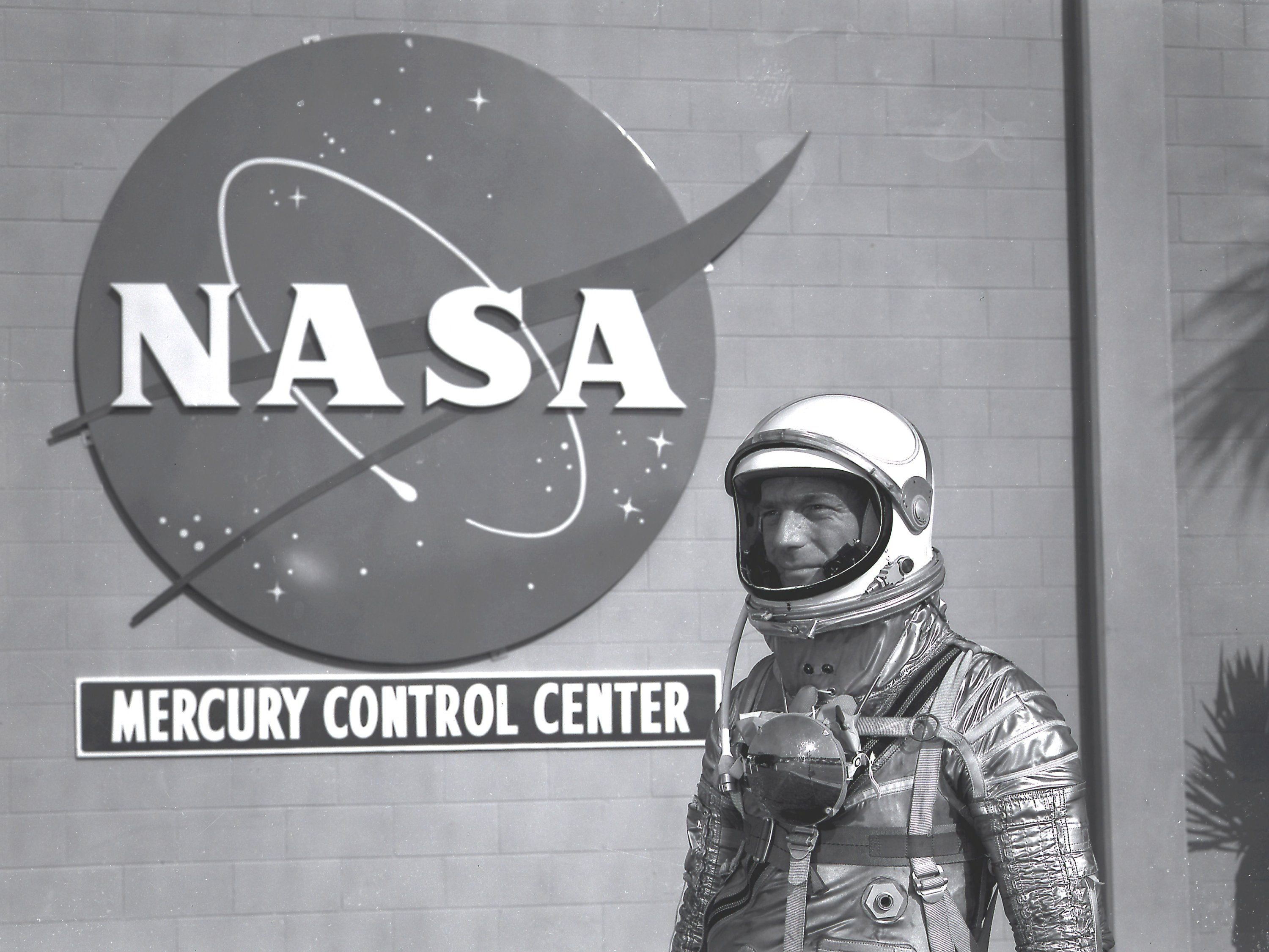
Exactly 64 years ago today, Scott Carpenter became the fourth American to orbit the Earth aboard Aurora 7. His five-hour flight produced new science, a tense reentry, and 39 minutes of silence in which the country wondered if it had just lost its astronaut.
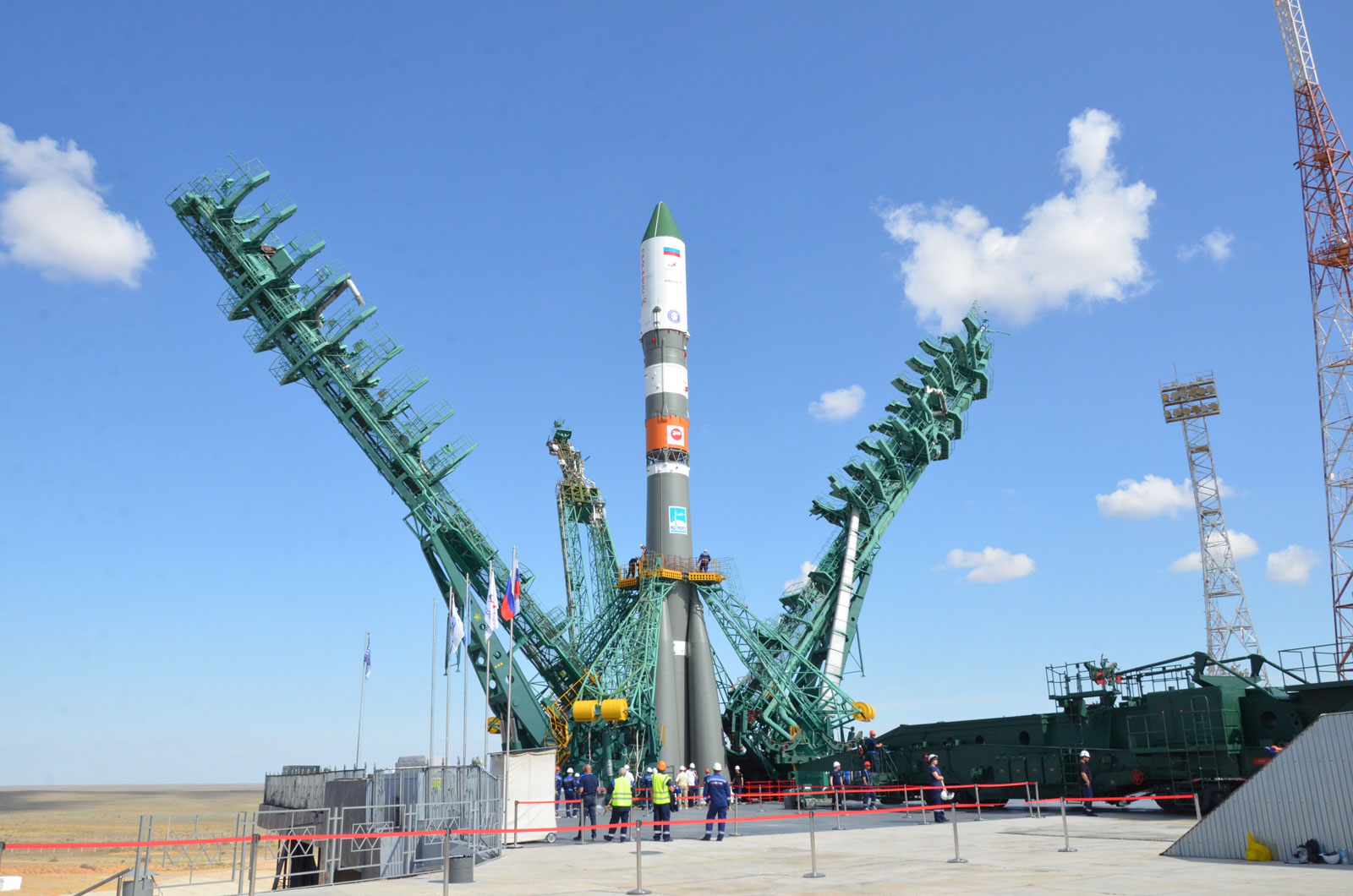
Today's brief covers the Vulcan Centaur's first mission, military space automation insights, and the retirement reflections of a Space Force leader.
Today's updates focus on significant developments in U.S. national security space launches, Army space training, potential shifts in satellite procurement strategies, and the Meteor 2-21 satellite.