

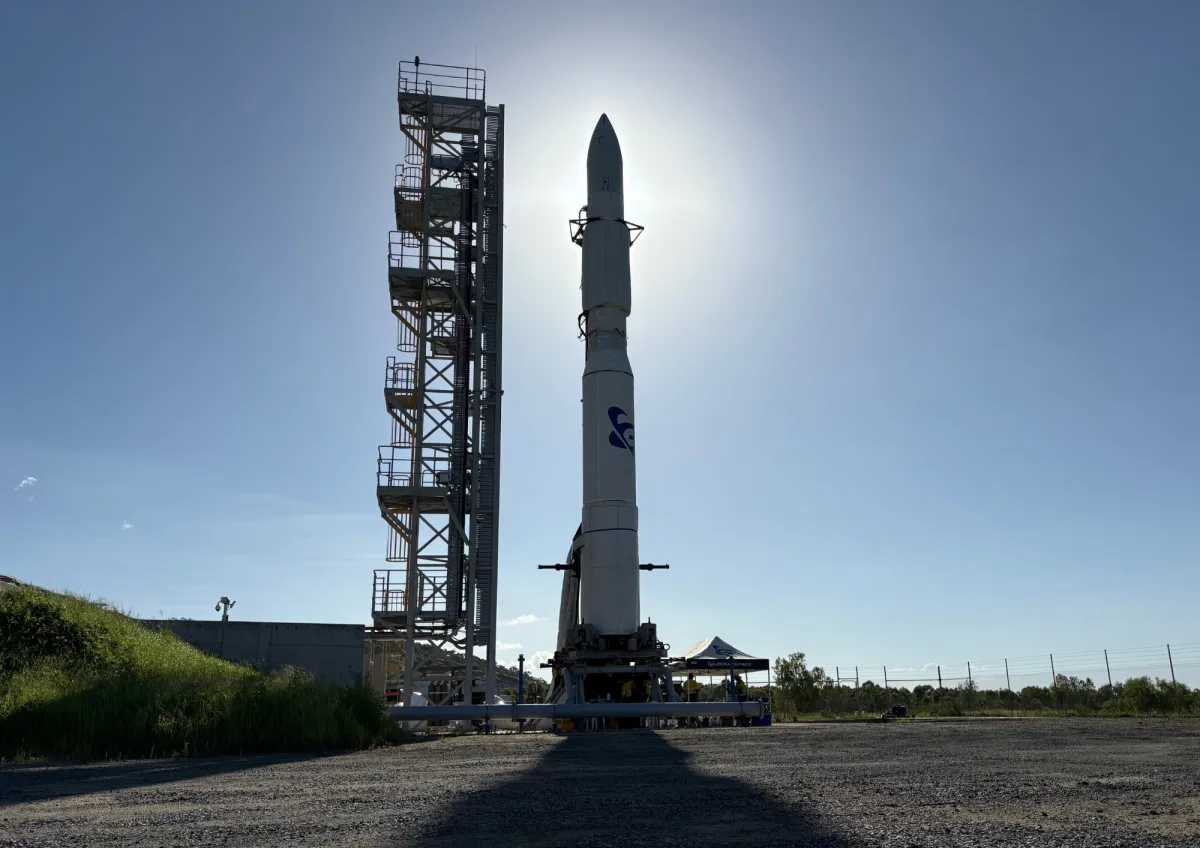
Space Brief 2 Apr 2025
DARPA's accidental SpaceX detection highlights Earth as a natural sensor, while SpaceX's Fram2 launches into a polar orbit. Helsinki's defense budget rise hints at increased military satellite activity.



Launch Date
October 5, 1972
Launch Site
PLMSC
Launch Pad
LC133/3
Launch Vehicle
Kosmos 11K63
NORAD ID
06226
International Designator
1972-078D
Decay Date
11/8/1972
Name
COSMOS 523 DEB
Alternative Name
deb S1M
Type
Status
Owner
RVSN
Country
USSR
Constellation
N/A
Related Satellites
Major Events
N/A
Length
0
Diameter
0
Span
0
Dry Mass
0
Launch Mass
0
Shape
N/A
Radar Cross Section
Unknown
Visual Magnitude
Unknown
Color
Unknown
Material Composition
Unknown
Payload
Unknown
Purpose
Unknown
Mission
Unknown
Manufacturer
Unknown
Life Expectancy
Unknown
Bus
Unknown
Configuration
Unknown
Motor
Unknown
Equipment
Unknown
Power System
Unknown
ADCS
Unknown
Transmitter Frequency
Unknown
Learn more about satellites and other related topics.
DARPA's accidental SpaceX detection highlights Earth as a natural sensor, while SpaceX's Fram2 launches into a polar orbit. Helsinki's defense budget rise hints at increased military satellite activity.
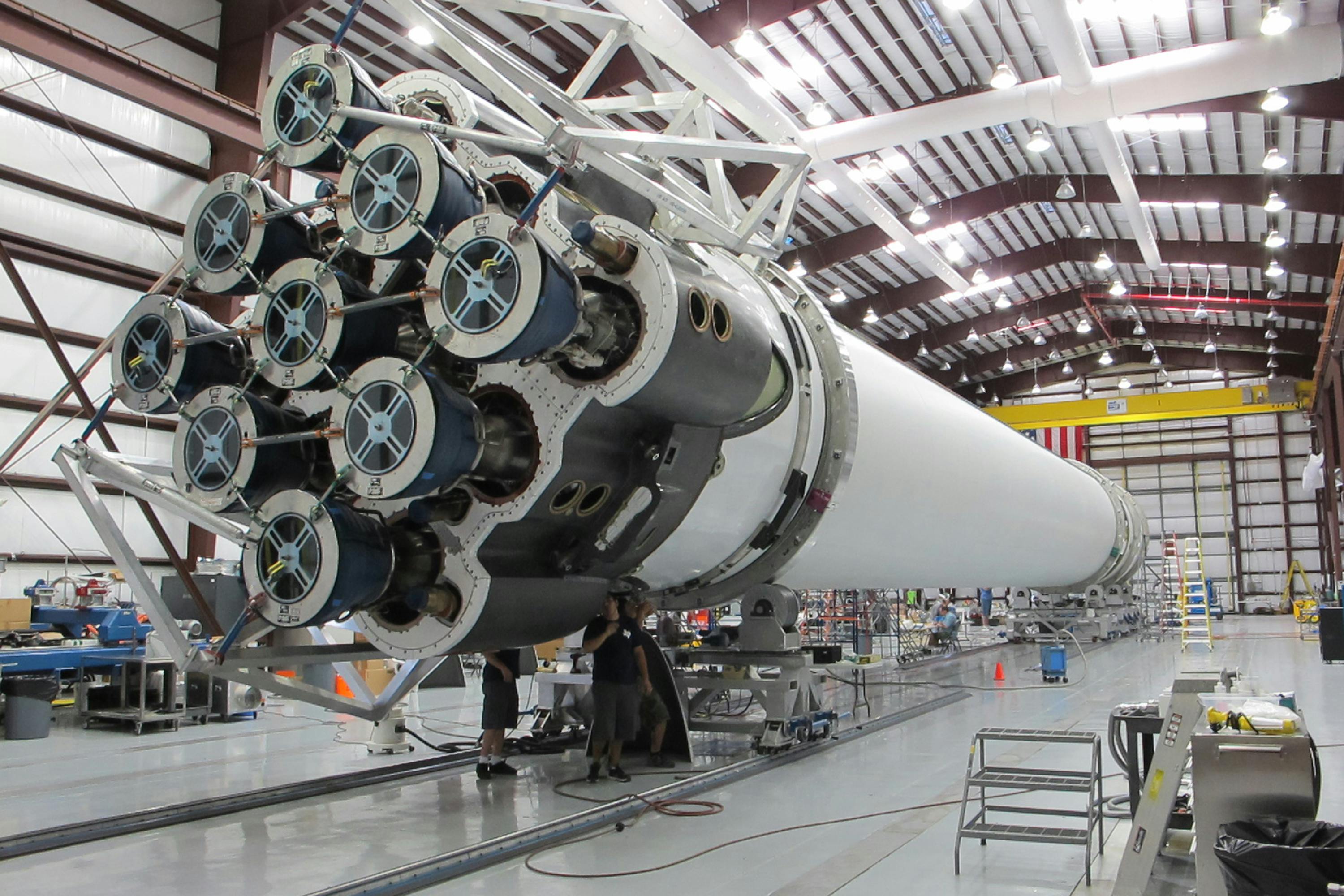
SpaceX makes strides in various sectors, from Starlink expanding services on United Airlines to new hardware aimed at enhancing home connectivity.
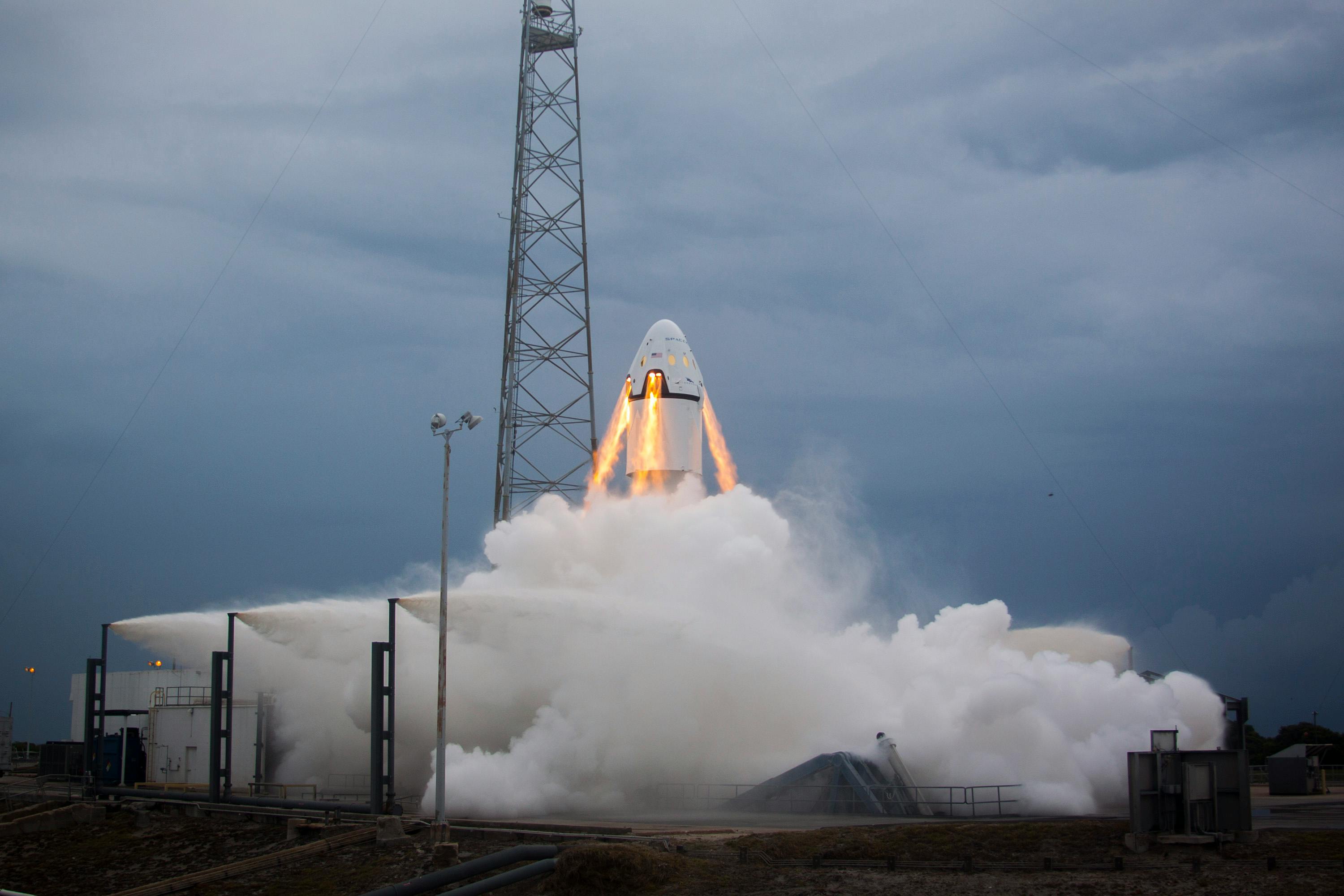
SpaceX successfully launched 28 Starlink satellites while returning to form with Starship testing at Starbase. Meanwhile, preparations for upcoming launches are underway.
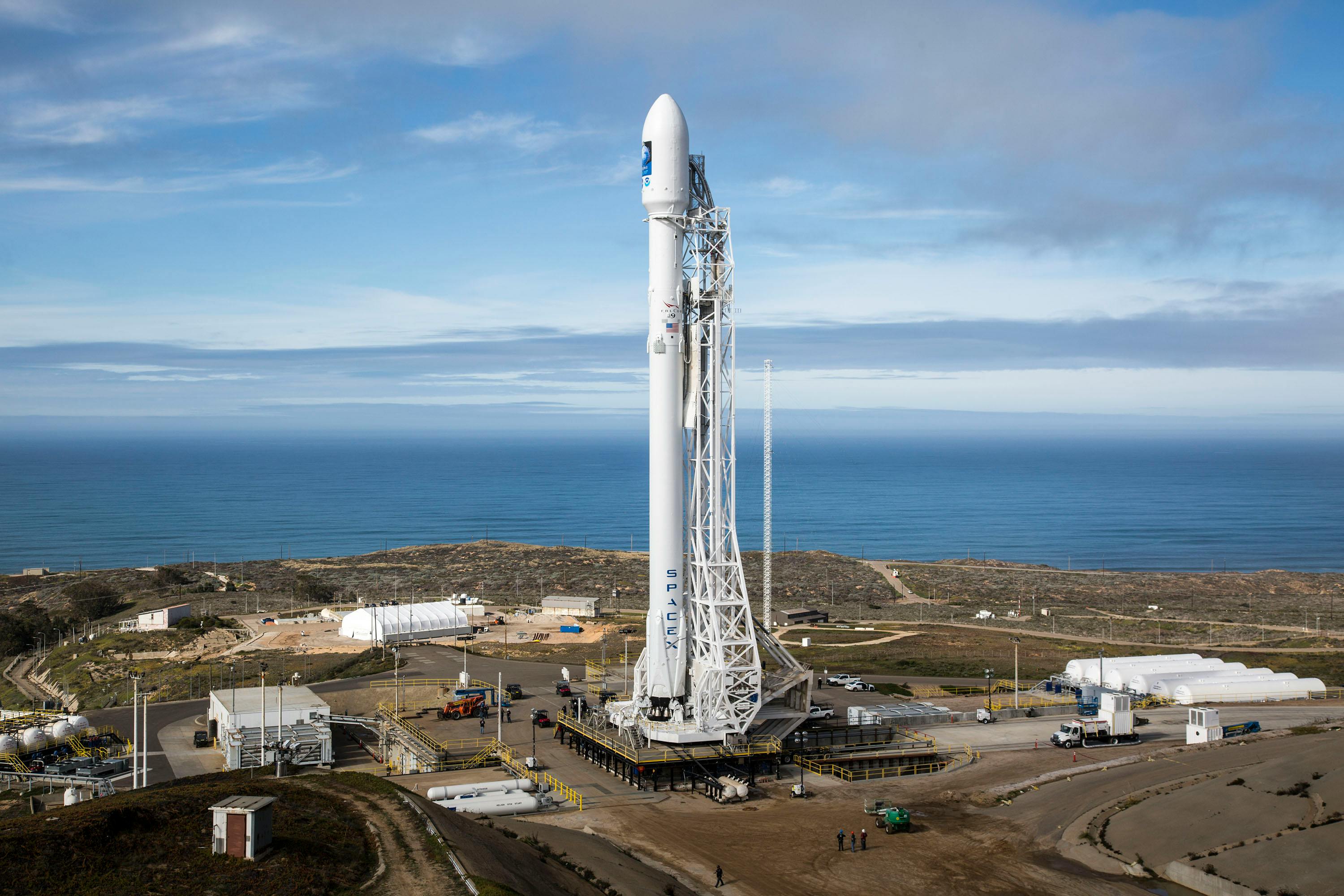
SpaceX secures major U.S. military contracts, Fram2 concludes historic mission, and preparations for another Starlink launch.
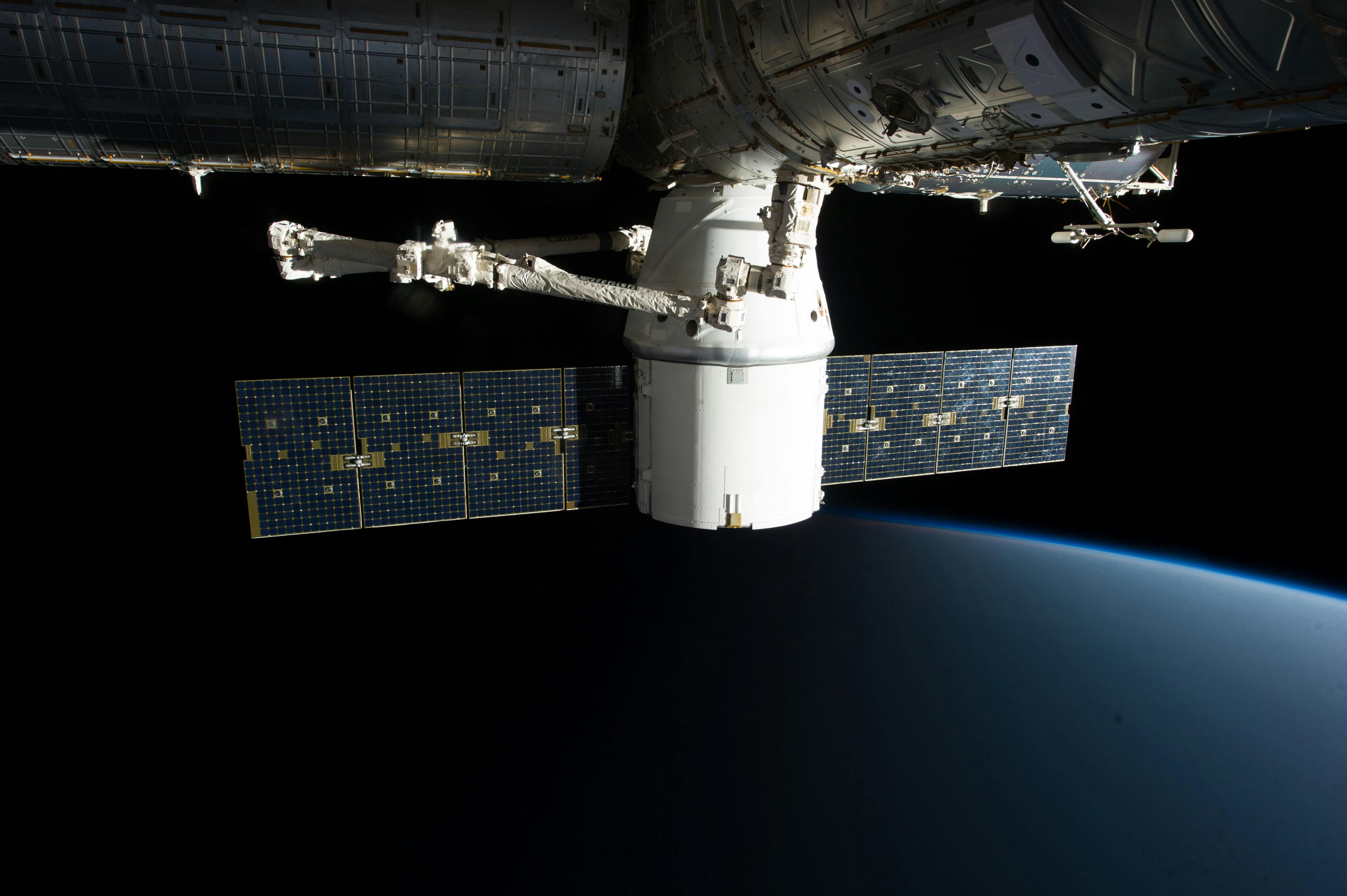
SpaceX gears up for another busy week with a Falcon 9 launch to the ISS while Vast Space expands its Haven-1 payload roster.
Elon Musk controls 79% of SpaceX's votes with just 42% of the equity - and the company just merged with his AI startup at a $1.25 trillion valuation. Here's who actually owns what, how the money works, and what a $1.75 trillion IPO means for investors.
ISS astronauts evacuated to a SpaceX Dragon capsule on June 5 as cosmonauts worked to seal a persistent air leak on the Russian segment.
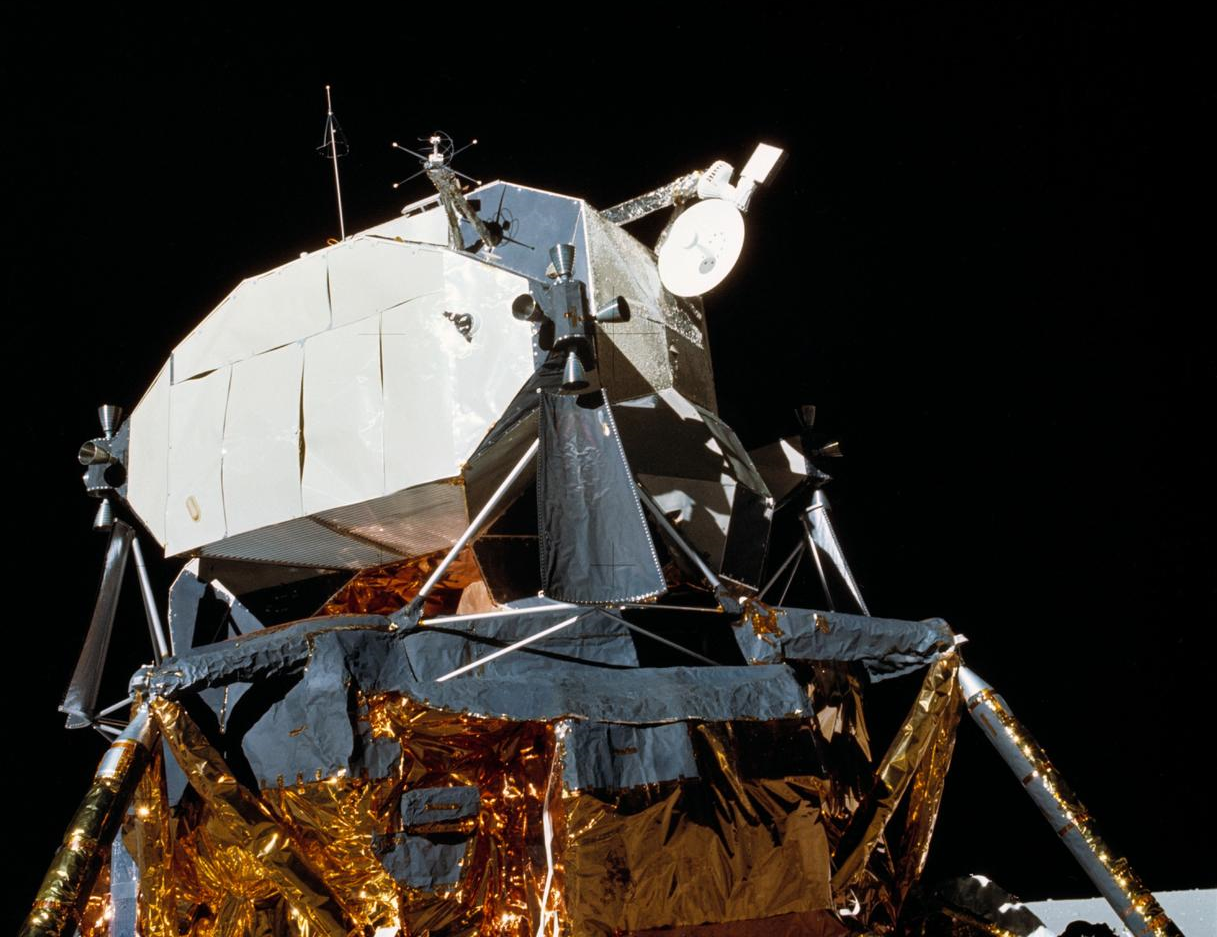
Six hours behind schedule, with a backup engine system shuddering in lunar orbit and mission controllers in Houston running out of options, Apollo 16 came within one meeting of being sent home without landing. The problem was a wobble in a gimbal. The solution was math done under pressure.