


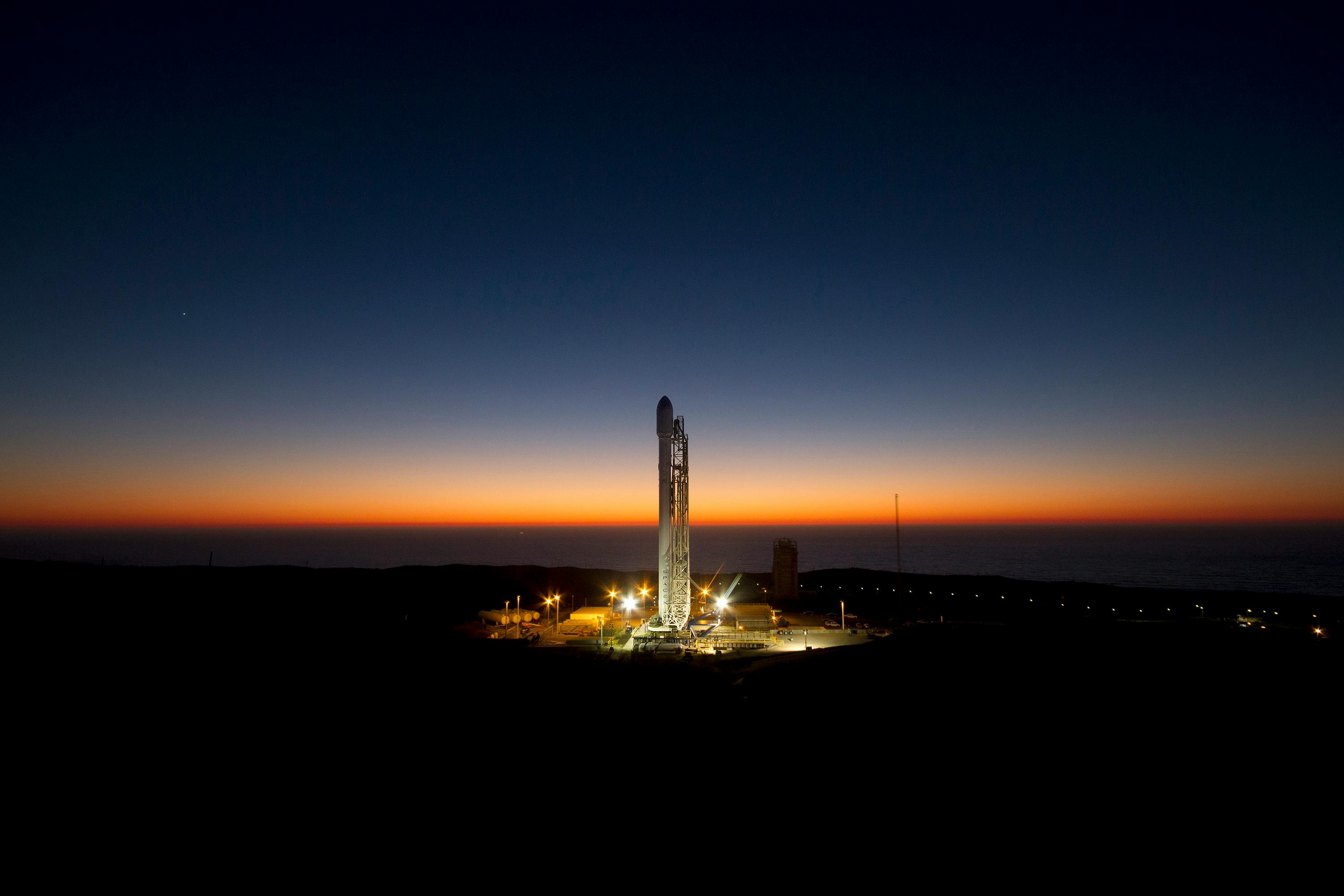
X Report 26 Jul 2025
This week's SpaceX developments include notable upcoming missions, with a Starlink launch on the horizon and Crew Dragon's readiness for the next astronaut mission.


Launch Date
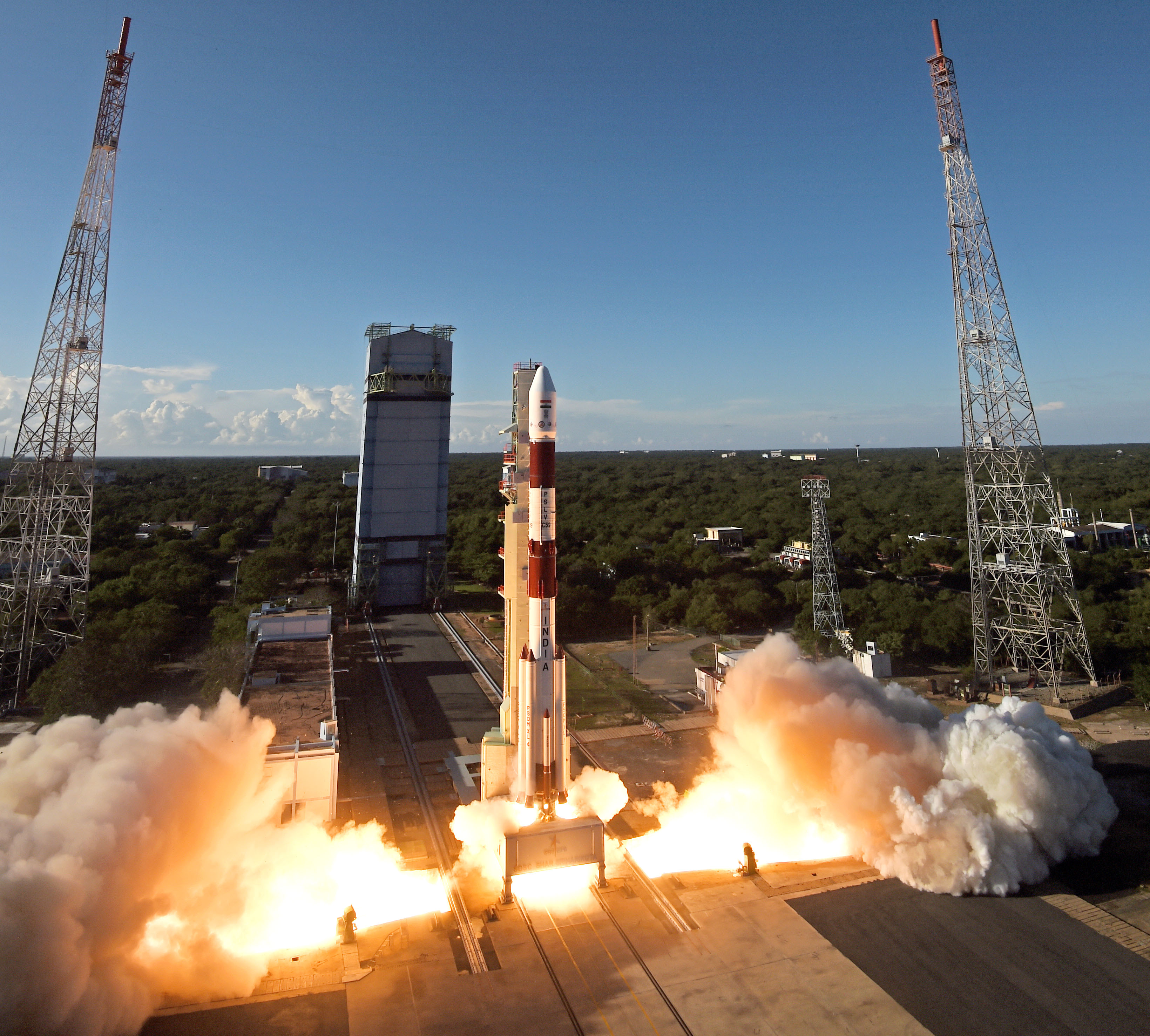
December 5, 2024
Launch Site
Satish Dhawan Space Centre, India
Launch Pad
First Launch Pad
Launch Vehicle
PSLV-XL
NORAD ID
62258
International Designator
2024-233C
Epoch
Sat, 04 Jul 2026 12:11:09 GMT
Apogee
Calculating...
Perigee
Calculating...
Inclination
59.72°
Right Ascension
96.02°
Eccentricity
Calculating...
Argument of Perigee
206.06°
Period
1179.60 min
Mean Motion
1.22 rev/day
Latitude
Calculating...
Longitude
Calculating...
Altitude
Calculating...
Velocity
Calculating...
Name
PROBA-3 OSC
Alternative Name
Occulter Spacecraft
Type
Status
Owner
European Space Agency (ESA)
Country
European Space Agency
Constellation
PROBA-3
Related Satellites
Major Events
Launch on 2024-12-05; Initiation of formation flying operations; Commencement of solar corona observations
1 62258U 24233C 26185.50774909 -.00000317 00000+0 00000+0 0 9990
2 62258 59.7187 96.0232 8000227 206.0626 67.6161 01.22075363 7020
Source: Celestrak
Length
1.378
Diameter
1.4
Span
1.378
Dry Mass
231
Launch Mass
231
Shape
Cuboid with an attached circular occulter disk
Radar Cross Section
0.5
Visual Magnitude
N/A
Color
Silver with black occulter disk
Material Composition
Aluminum honeycomb panels with carbon fiber occulter disk and solar panels
Payload
The primary payload is the occulting disk used in conjunction with the Coronagraph Spacecraft's ASPIICS instrument to observe the solar corona.
Purpose
Unknown
Mission
The PROBA-3 mission aims to demonstrate precise formation flying by using two spacecraft to create artificial solar eclipses, allowing detailed study of the Sun's corona.
Manufacturer
SENER Aerospace
Life Expectancy
The mission is planned to last two years, during which the OSC will work in tandem with the Coronagraph Spacecraft to study the Sun's corona.
Bus
Myriade
Configuration
Occulter Spacecraft
Motor
The OSC utilizes a cold gas propulsion system with 12 milli-Newton thrusters for fine position control during formation flying.
Equipment
The OSC is equipped with a 1.4-meter diameter occulting disk to block the Sun's light, creating an artificial eclipse. It also houses metrology instruments, including laser and visual-based optical heads, for precise formation flying.
Power System
The OSC is powered by solar panels and a Li-Ion battery system.
ADCS
Three-axis stabilized with star trackers and sun sensors
Transmitter Frequency
S-Band for telemetry and inter-satellite communication
Learn more about satellites and other related topics.
This week's SpaceX developments include notable upcoming missions, with a Starlink launch on the horizon and Crew Dragon's readiness for the next astronaut mission.

Over 27,000 high-speed pieces of space junk now threaten vital satellites, requiring sophisticated tracking and urgent innovation of orbital debris removal methods like harpoons and nets.
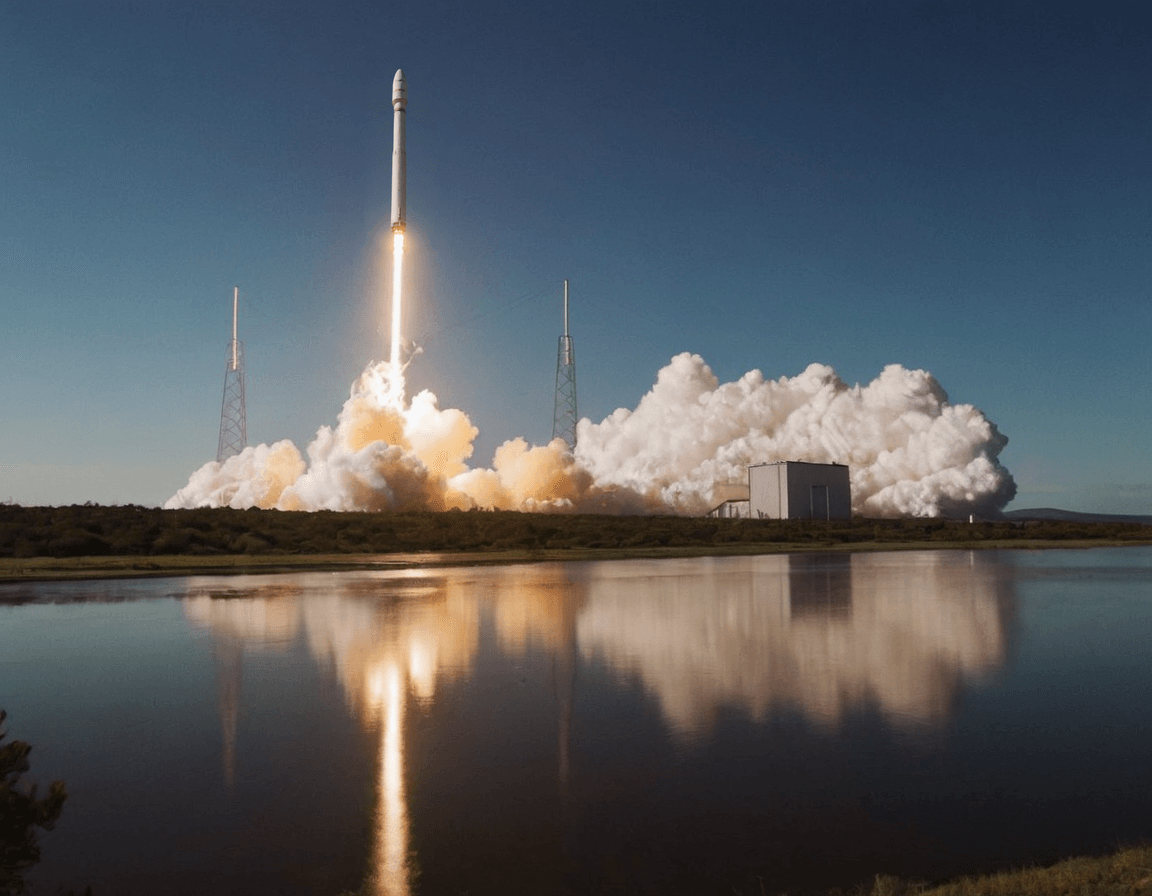
The FAA grounds SpaceX's Falcon 9 rocket after a launch mishap, potentially impacting NASA's crewed missions and disrupting SpaceX's ambitious launch schedule.
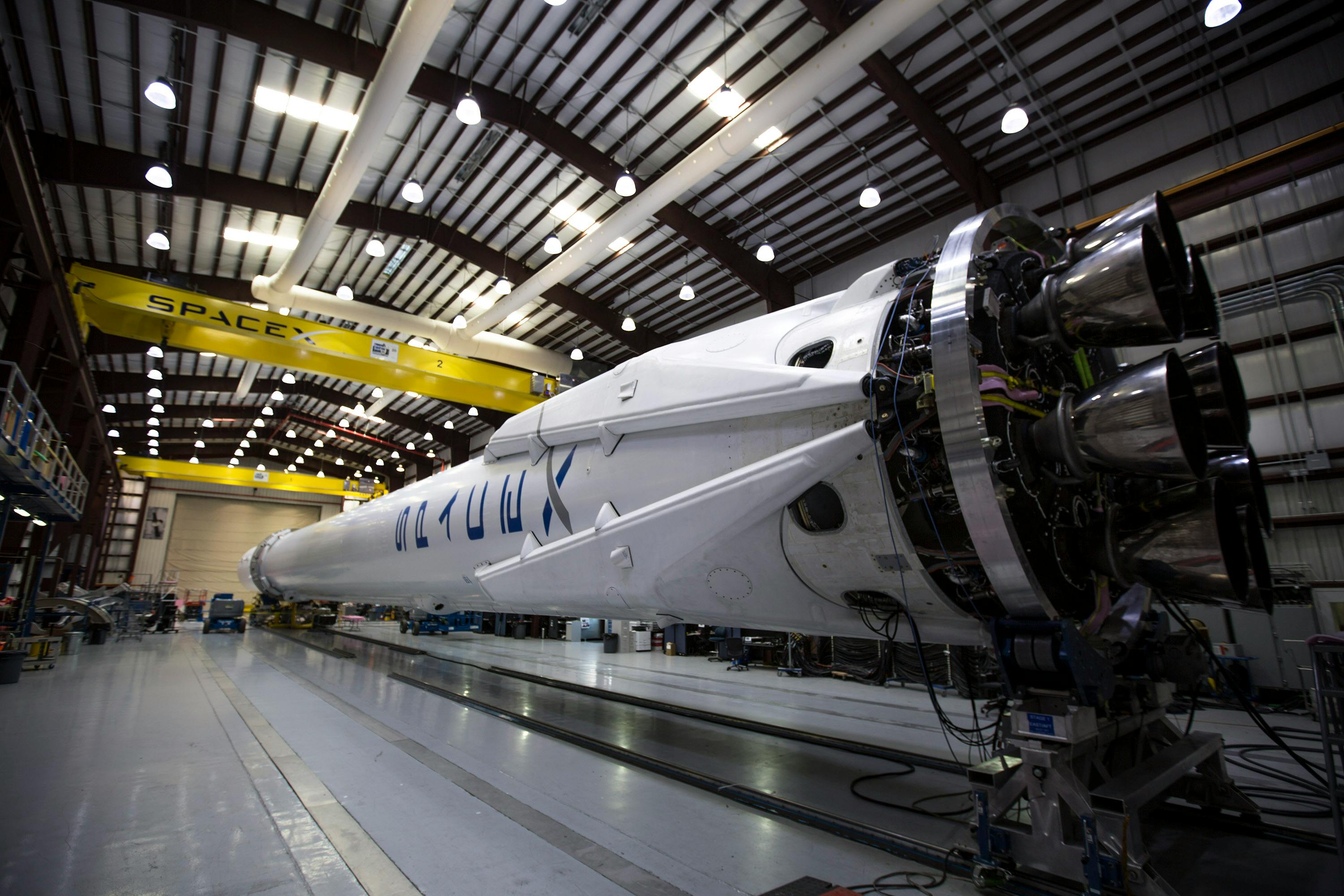
SpaceX made significant strides in satellite deployment with successful launches of 27 and 29 Starlink satellites, marking both a milestone in landings and ongoing expansion of the Starlink constellation.
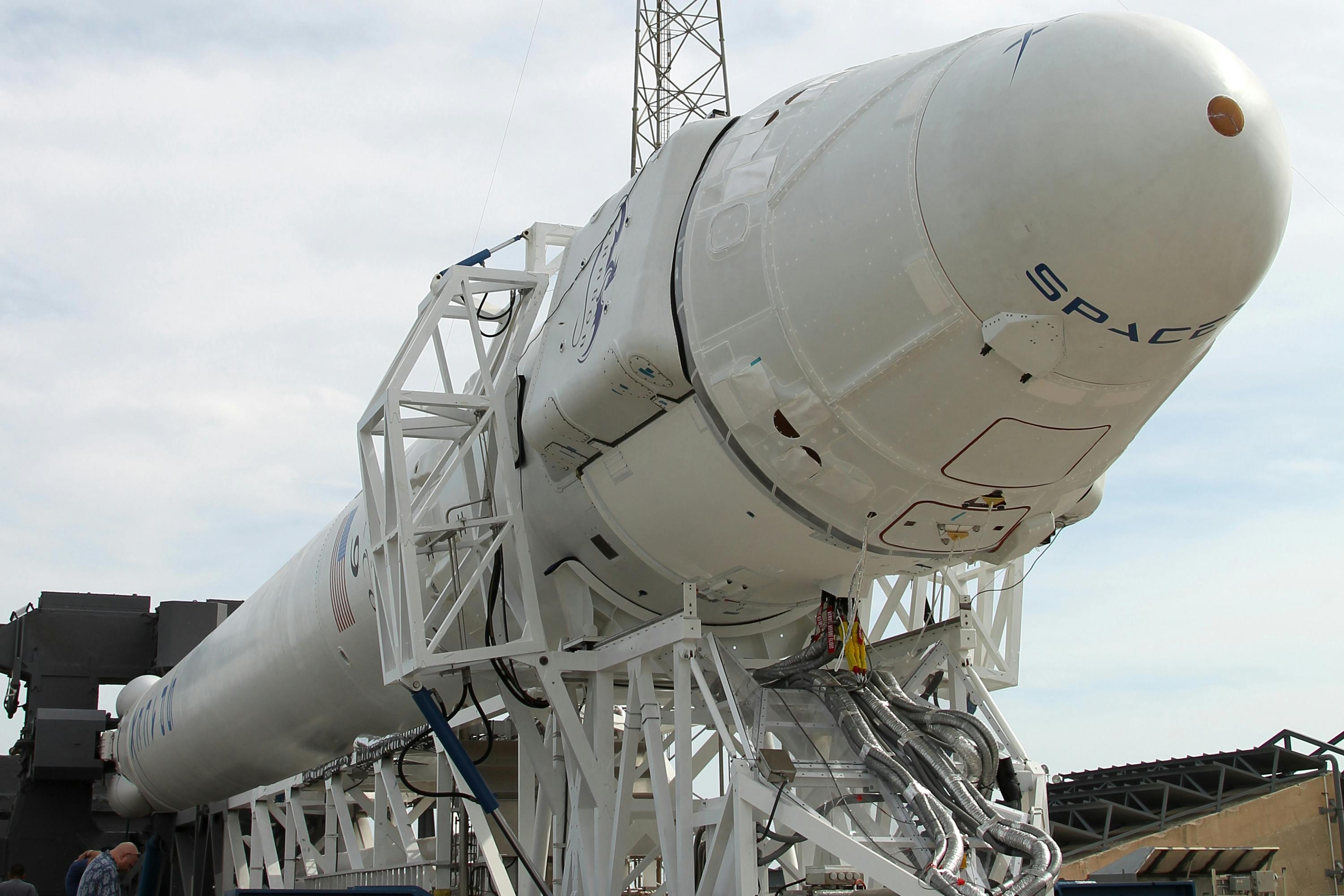
A week of highs and lows for SpaceX, including weather-related delays and a return to Falcon launches.
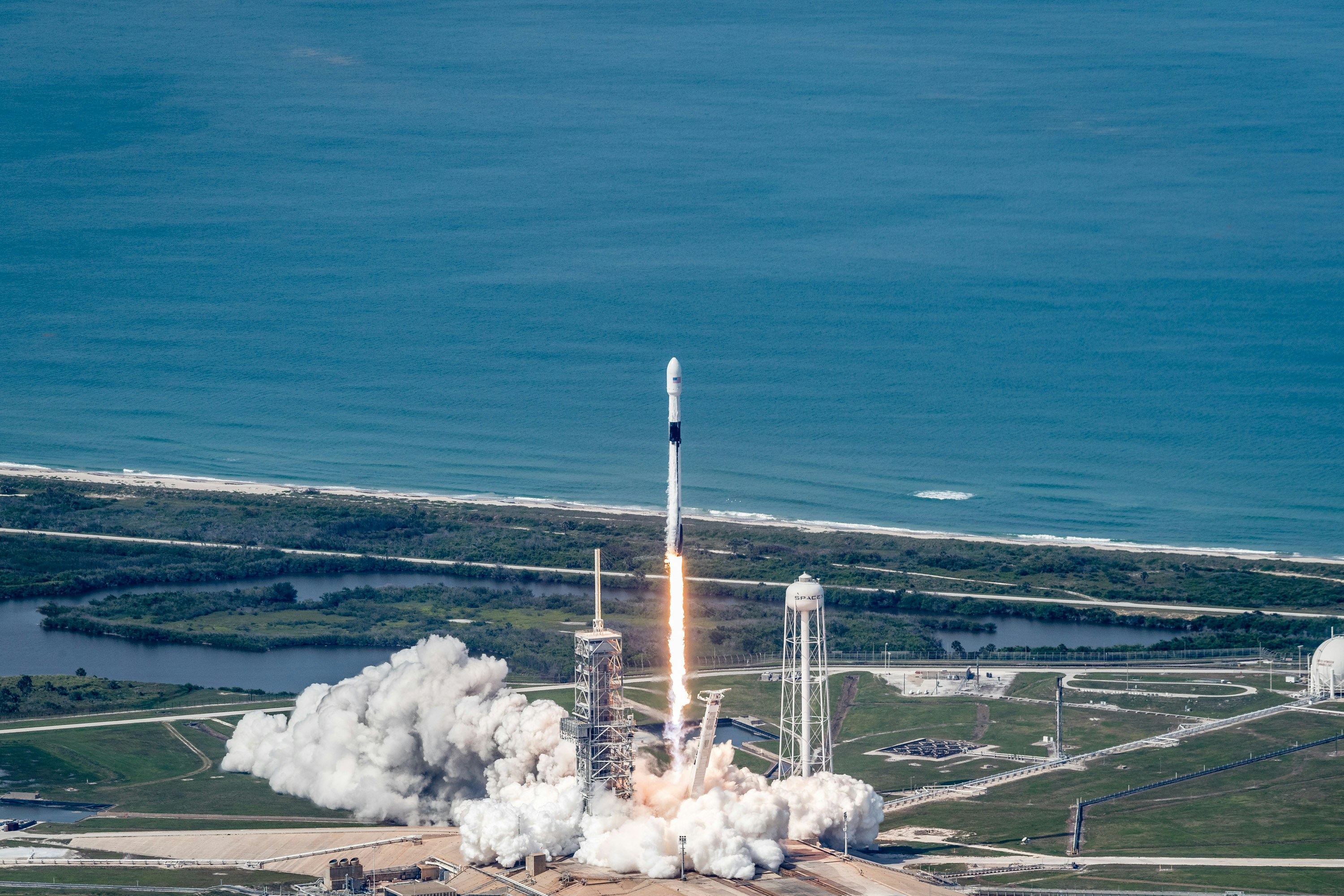
Starship receives FAA approval for its next test flight, while SpaceX prepares to launch more Starlink satellites amidst reaching 5 million subscribers.

SpaceX successfully launched another batch of Starlink satellites in a night mission, marking a significant return to evening launches post-regulations.
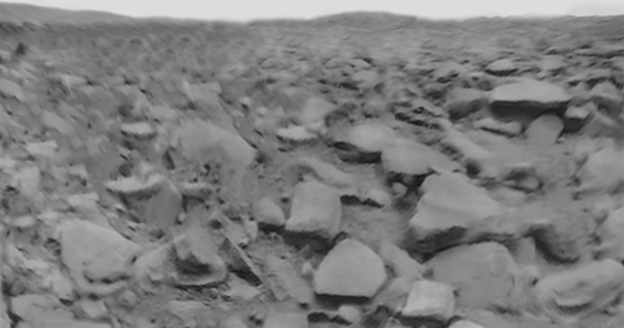
On December 15, 1970, a battered Soviet probe accomplished something no spacecraft had done before - it survived landing on another world and lived to tell about it.