


Space Brief 26 Nov 2025
Today's update covers new military space initiatives, impacts of drone threats in Europe, and advancements in secure cloud technology for NATO and Ukraine.


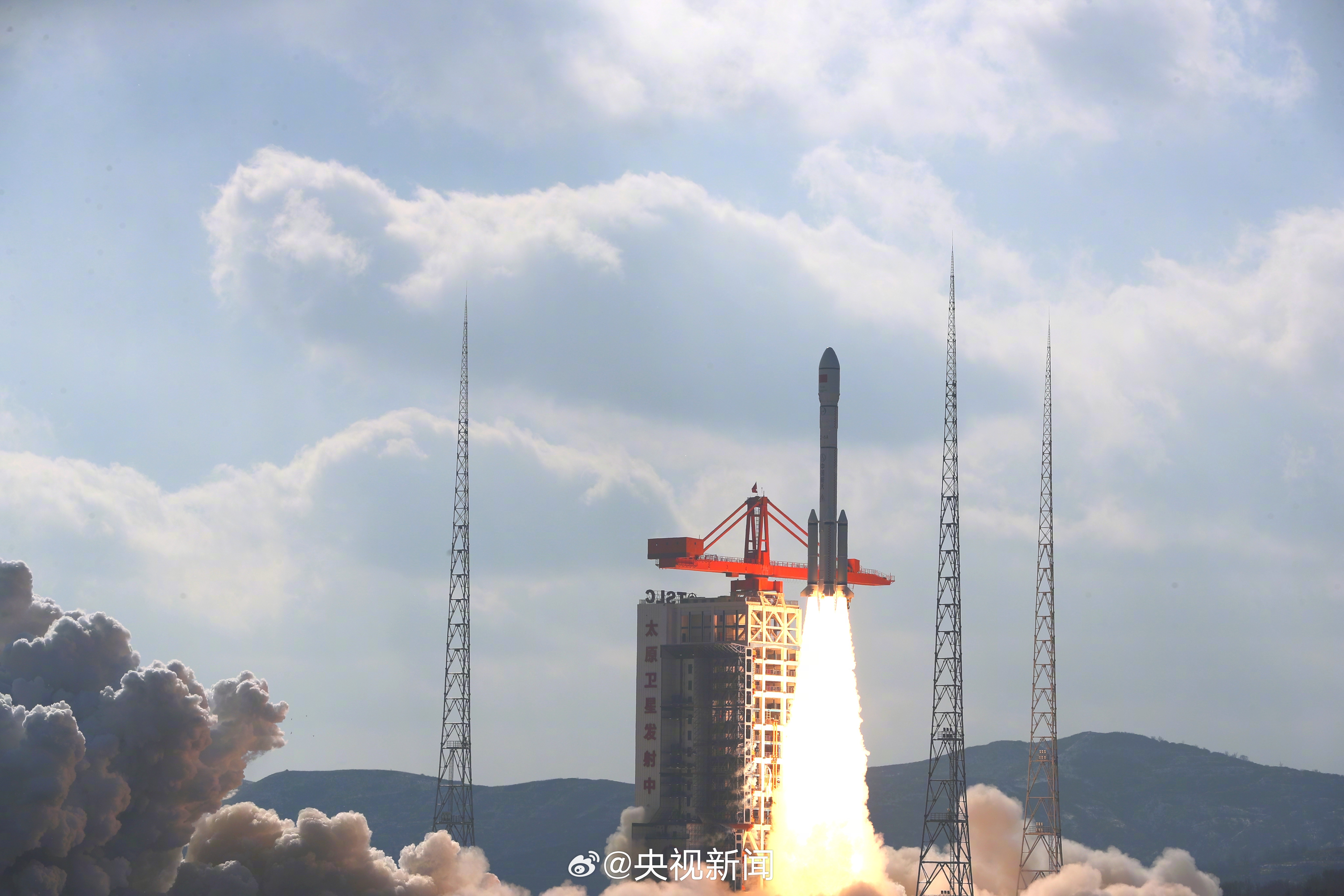
Launch Date
December 5, 2024
Launch Site
TAISC
Launch Pad
TYSC -
Launch Vehicle
Chang Zheng 6A
NORAD ID
62250
International Designator
2024-232P
Epoch
Sun, 19 Jul 2026 20:16:54 GMT
Apogee
Calculating...
Perigee
Calculating...
Inclination
89.01°
Right Ascension
19.22°
Eccentricity
Calculating...
Argument of Perigee
284.07°
Period
106.59 min
Mean Motion
13.51 rev/day
Latitude
Calculating...
Longitude
Calculating...
Altitude
Calculating...
Velocity
Calculating...
Name
QIANFAN-49
Alternative Name
Qianfan Jigui 03-13
Type
Status
Owner
YUANX
Country
China
Constellation
N/A
Related Satellites
Major Events
N/A
1 62250U 24232P 26200.84507904 .00000036 00000+0 37019-4 0 9997
2 62250 89.0077 19.2232 0012147 284.0720 75.9081 13.51014286 97428
Source: Celestrak
Length
0.3
Diameter
3
Span
10
Dry Mass
300
Launch Mass
300
Shape
Box+pan
Radar Cross Section
Unknown
Visual Magnitude
Unknown
Color
Unknown
Material Composition
Unknown
Payload
Qianfan Jigui 03-13
Purpose
Communications
Mission
Communications
Manufacturer
SECM
Life Expectancy
Unknown
Bus
Qianfan
Configuration
Unknown
Motor
Unknown
Equipment
Unknown
Power System
Solar cells, batteries
ADCS
Unknown
Transmitter Frequency
Unknown
Learn more about satellites and other related topics.
Today's update covers new military space initiatives, impacts of drone threats in Europe, and advancements in secure cloud technology for NATO and Ukraine.

SpaceX secures environmental approval for Starship launches at SLC-37 while Castelion, a company founded by SpaceX veterans, raises $350 million for hypersonic missile production.
Key insights from the latest SpaceX Starship breakup, the establishment of a new satellite mobile service, and enhancing America's missile shield capabilities through satellites.
Focus on Varda's second mission launch, new U.S. Defense Department tool for satellite anomaly investigation, and a detailed Satellite Spotlight on CELESTIS 21/Varisat 1C.
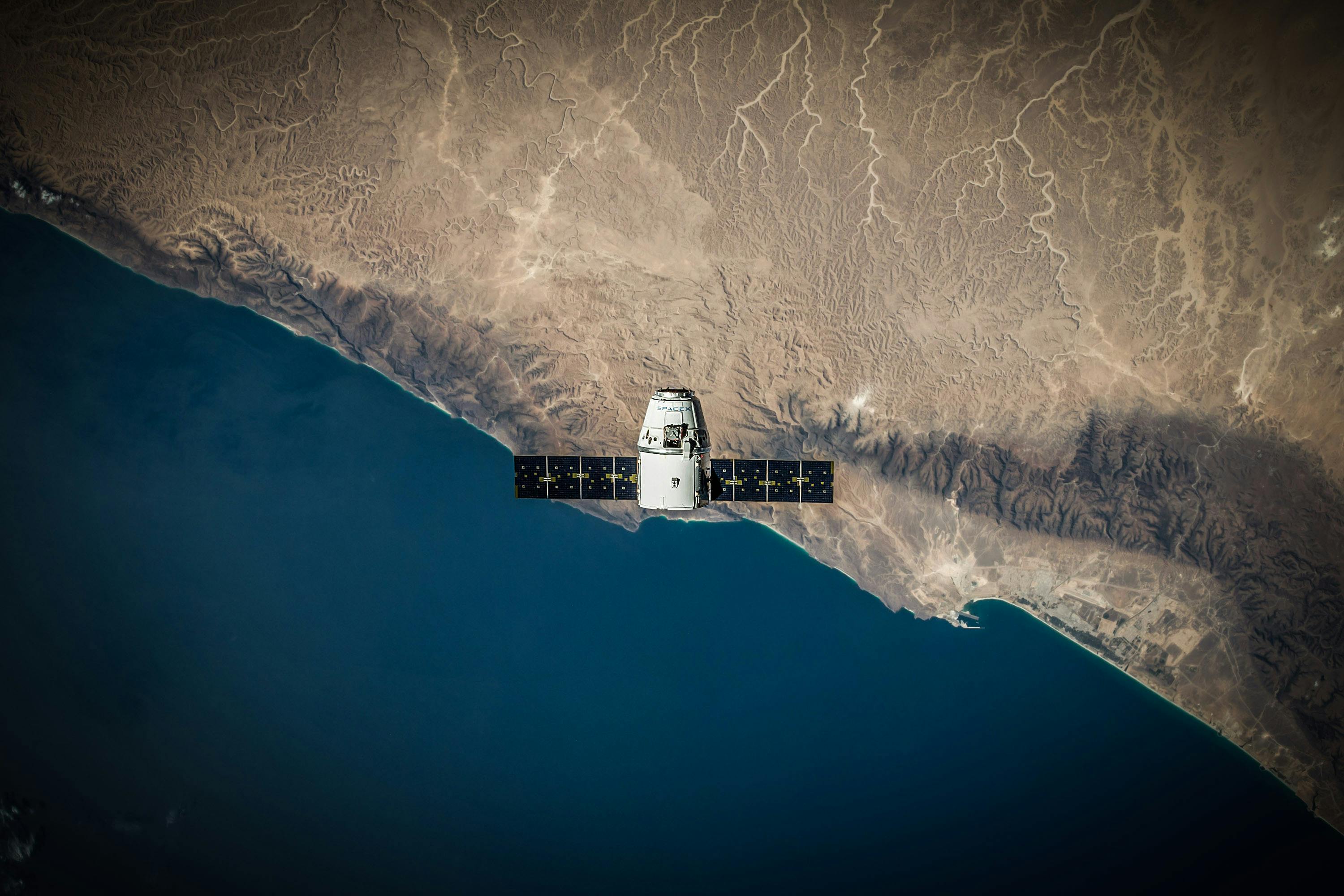
On December 14, 2025, SpaceX achieved a significant milestone with its 550th booster landing following the launch of 27 new Starlink satellites, while exploring potential IPO strategies to fund future projects.

Today's highlights include the successes and setbacks in recent rocket launches, a notable satellite anomaly, and a significant expansion announcement from ESA.

ESA's Proba-3 spacecraft lost contact last month, grounding the dual-satellite solar eclipse mission. Formation flying between both craft is critical for coronagraph science.
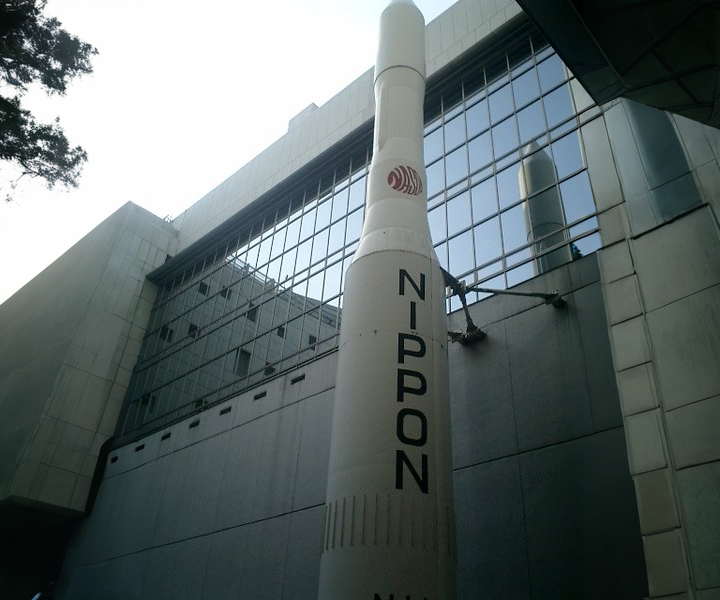
Forty-eight years ago, a pioneering satellite named Kiku 2 propelled Japan into the exclusive group of nations capable of operating satellites in geostationary orbit