


X Report 29 Aug 2025
SpaceX celebrates a record-breaking Falcon 9 launch while Starship demonstrates strong performance in its recent test flight, fueling excitement for upcoming projects.



NORAD ID
62235
International Designator
2024-231T
Epoch
Sun, 19 Jul 2026 16:33:53 GMT
Apogee
Calculating...
Perigee
Calculating...
Inclination
53.16°
Right Ascension
312.63°
Eccentricity
Calculating...
Argument of Perigee
85.95°
Period
94.01 min
Mean Motion
15.32 rev/day
Latitude
Calculating...
Longitude
Calculating...
Altitude
Calculating...
Velocity
Calculating...
Name
STARLINK-32631
Alternative Name
Starlink 32631
Type
Status
Owner
SPXS
Country
United States
Constellation
N/A
Related Satellites
Major Events
N/A
1 62235U 24231T 26200.69020477 .00008273 00000+0 27796-3 0 9998
2 62235 53.1582 312.6335 0001286 85.9508 274.1641 15.31711905 92165
Source: Celestrak
Length
0.3
Diameter
4.1
Span
29
Dry Mass
700
Launch Mass
730
Shape
Box + pan
Radar Cross Section
Unknown
Visual Magnitude
Unknown
Color
Unknown
Material Composition
Unknown
Payload
Starlink Group 9-14-18
Purpose
Unknown
Mission
Unknown
Manufacturer
SPXS
Life Expectancy
Unknown
Bus
Starlink V2M
Configuration
Unknown
Motor
Unknown
Equipment
Unknown
Power System
Unknown
ADCS
Unknown
Transmitter Frequency
Unknown
Learn more about satellites and other related topics.
SpaceX celebrates a record-breaking Falcon 9 launch while Starship demonstrates strong performance in its recent test flight, fueling excitement for upcoming projects.

Today's highlights include SpaceX's rapid Starlink launches, insights into China's Mars sample return mission, and ULA's future launch plans. Also, a new Space Force general takes the reins of the U.S. missile defense program.
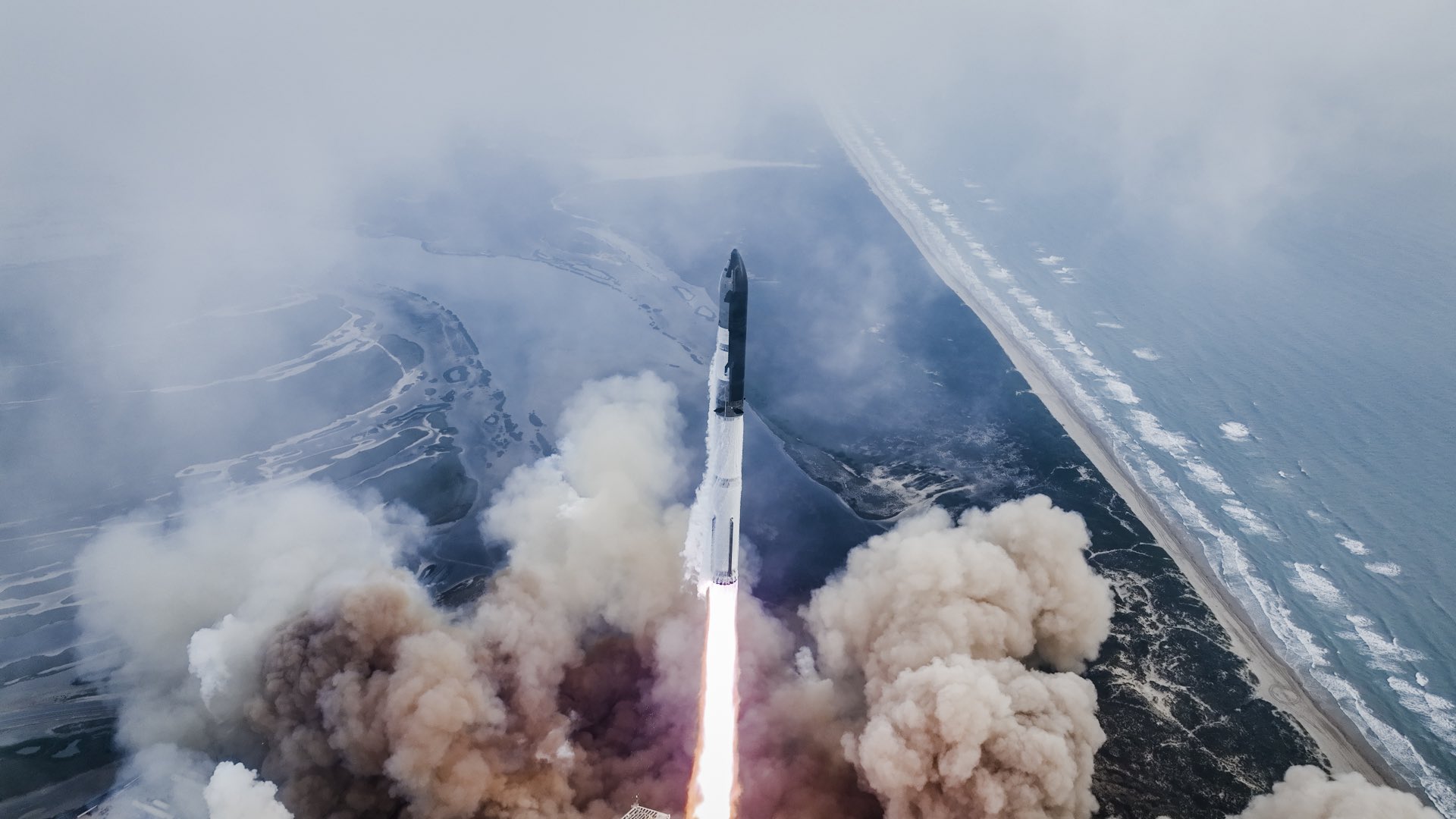
Today's edition covers China's latest launches in their classified satellite programs, ongoing discussions in the U.S. Senate on missile defense, and the ever-escalating space debris crisis threatening national security.

Scientists use earthquake sensors to track space debris reentry via sonic boom detection. SpaceX launches 25 Starlink satellites in seventh mission of 2026. NASA and DOE partner for lunar nuclear power.
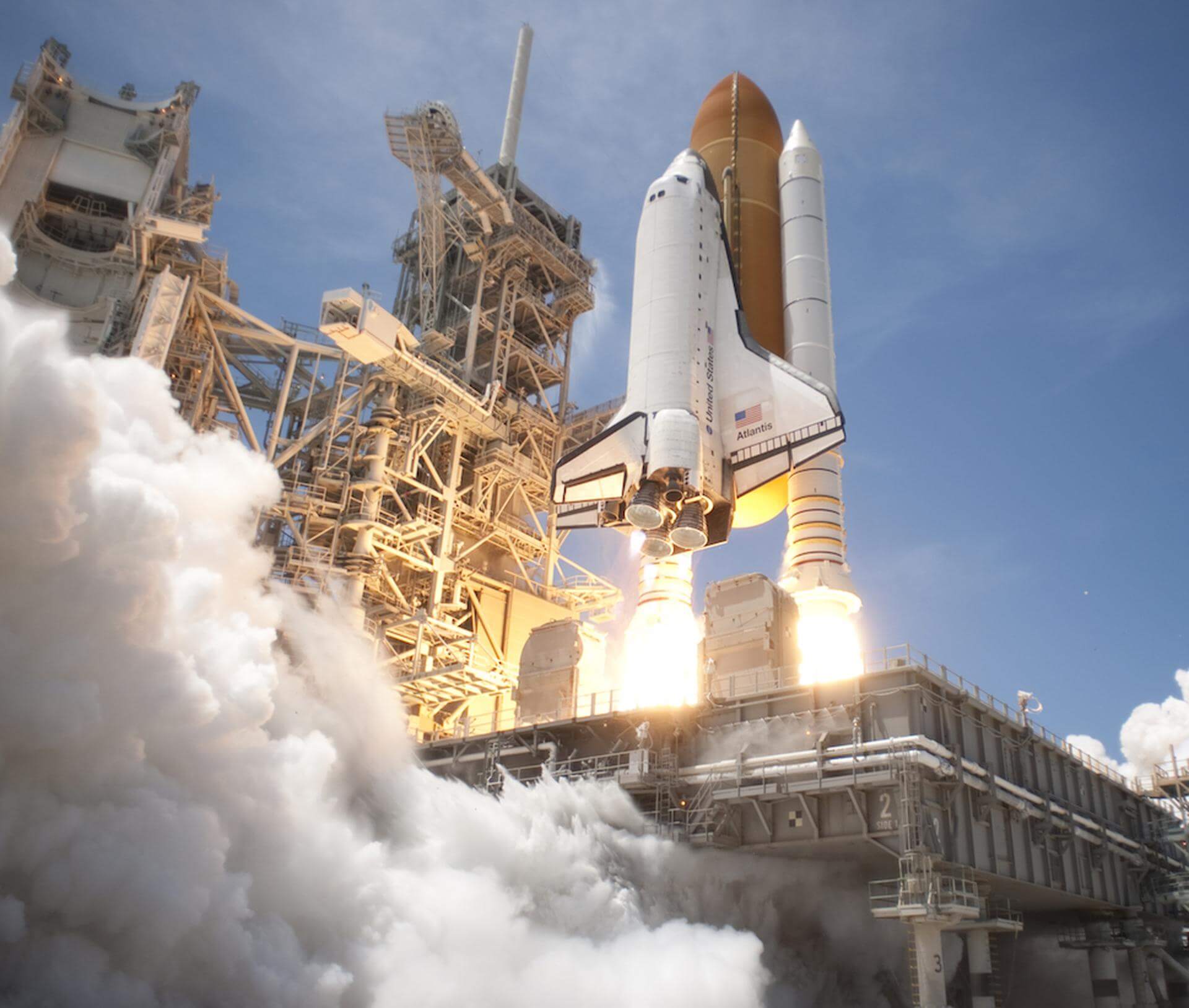
Starcloud files FCC plans for 88,000-satellite orbital data center constellation, matching scale of Starlink and Amazon Kuiper expansions. Massive LEO conjunction risk implications.
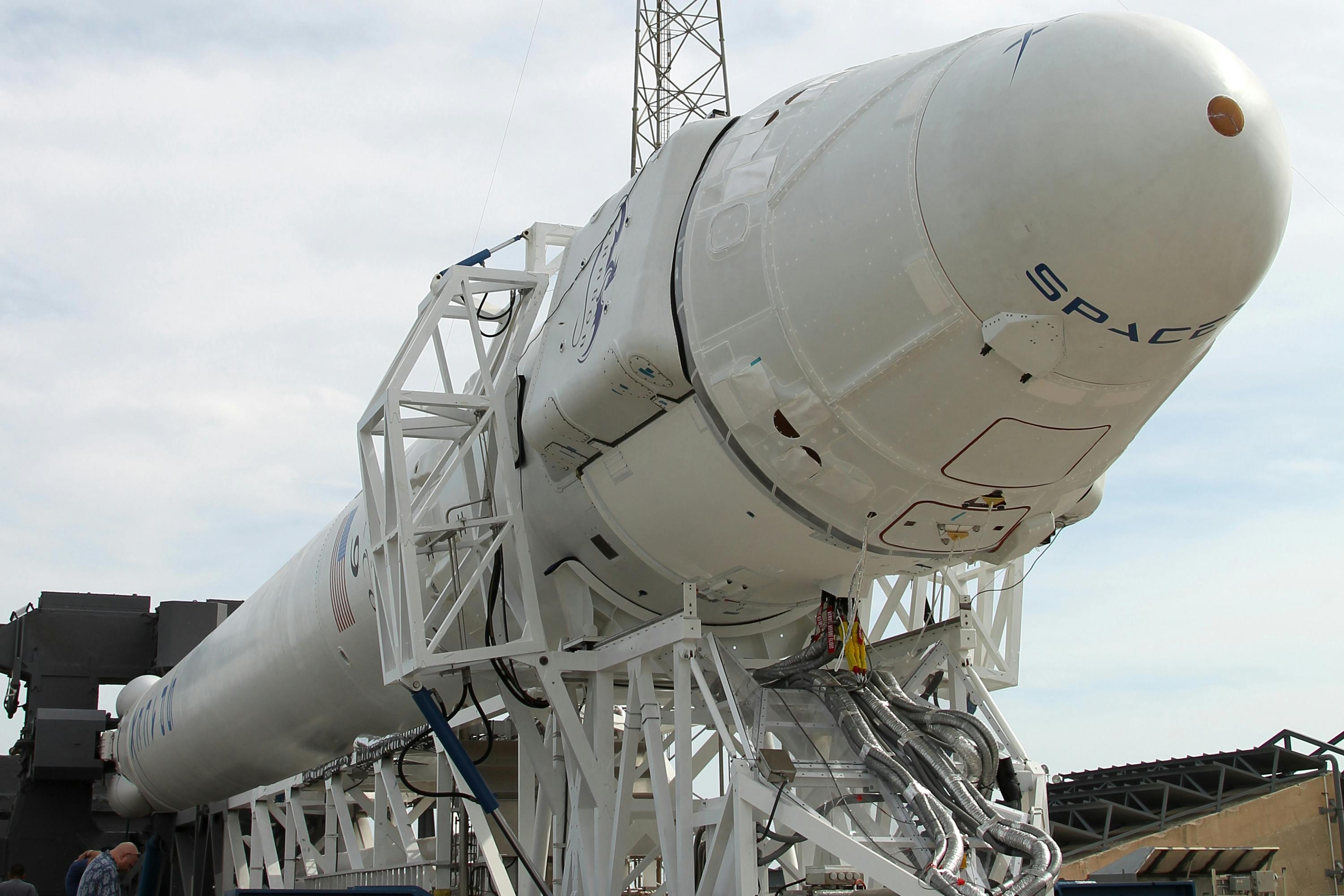
Starship V3 timeline: Musk puts Flight 12 about 4 weeks out, early to mid April 2026. SpaceX also hit 30 missions of 2026 with the 15,000-lb EchoStar 25.

Space Force suspends all Vulcan launches pending solid rocket booster investigation. Rocket Lab scrubs HASTE hypersonic vehicle launch. Military space funding hits record highs.

Today's Space Brief covers a major partnership in space tech distribution, China's orbital refueling preparations under U.S. scrutiny, recent U.S. defense budget reveals, and an exciting hyperspectral imagery release from Xplore.