


X Report 27 Nov 2024
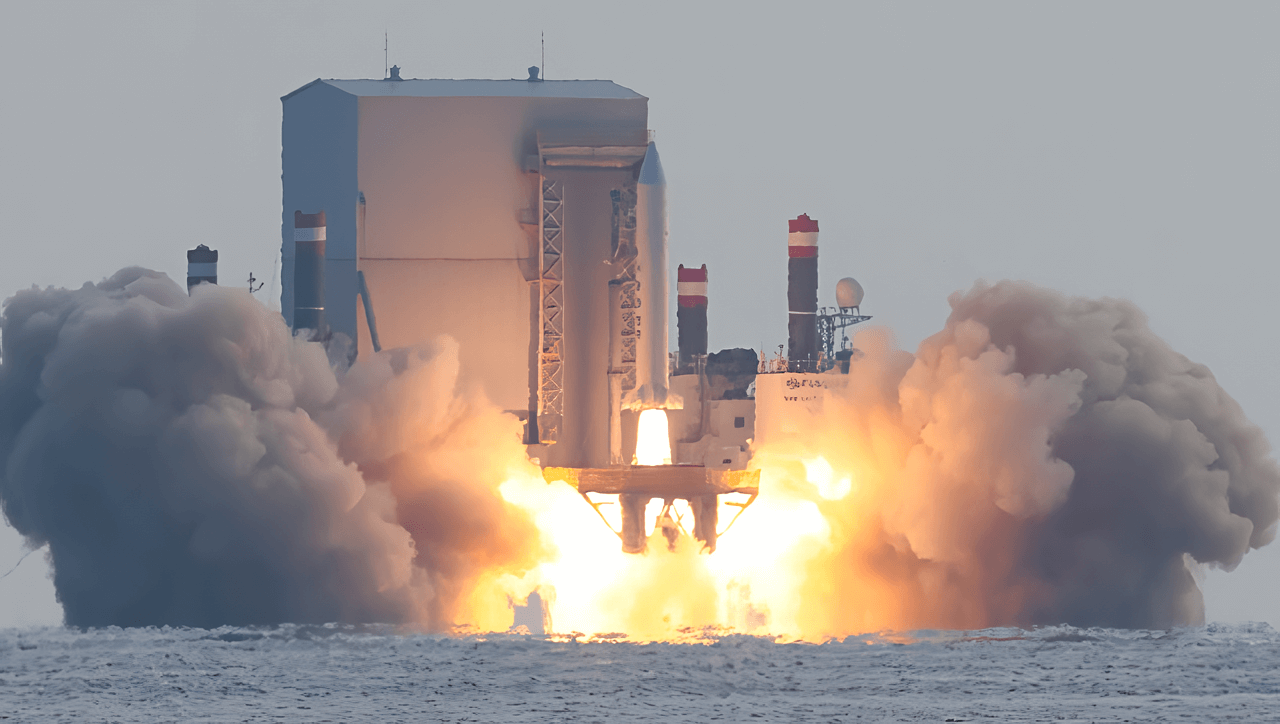
SpaceX secures FCC nod for Starlink's direct-to-phone connectivity, lands NASA's Dragonfly mission, and sees new competition with the ZhuQue-2E launch.



Launch Date
December 4, 2024
Launch Site
Launch Pad
LC40
Launch Vehicle
NORAD ID
62198
International Designator
2024-229G
Epoch
Mon, 20 Jul 2026 03:54:30 GMT
Apogee
Calculating...
Perigee
Calculating...
Inclination
43.00°
Right Ascension
242.39°
Eccentricity
Calculating...
Argument of Perigee
281.31°
Period
94.27 min
Mean Motion
15.28 rev/day
Latitude
Calculating...
Longitude
Calculating...
Altitude
Calculating...
Velocity
Calculating...
Name
STARLINK-32640
Alternative Name
Starlink 32640
Type
Status
Owner
SPXS
Country
United States
Constellation
N/A
Related Satellites
Major Events
N/A
1 62198U 24229G 26201.16284821 .00005560 00000+0 21141-3 0 9995
2 62198 43.0038 242.3886 0001953 281.3132 78.7500 15.27583884 90824
Source: Celestrak
Length
0.3
Diameter
4.1
Span
29
Dry Mass
700
Launch Mass
730
Shape
Box + pan
Radar Cross Section
Unknown
Visual Magnitude
Unknown
Color
Unknown
Material Composition
Unknown
Payload
Starlink Group 6-70-07
Purpose
Unknown
Mission
Unknown
Manufacturer
SPXS
Life Expectancy
Unknown
Bus
Starlink V2M
Configuration
Unknown
Motor
Unknown
Equipment
Unknown
Power System
Unknown
ADCS
Unknown
Transmitter Frequency
Unknown
Learn more about satellites and other related topics.
SpaceX secures FCC nod for Starlink's direct-to-phone connectivity, lands NASA's Dragonfly mission, and sees new competition with the ZhuQue-2E launch.

Hanwha Systems in talks with MDA Space and Telesat for South Korean defense satellite constellation. SpaceX preps GPS satellite launch for Space Force. Seismic networks now track space junk reentry.
Today's Space Brief covers China's latest satellite launch, Russian threats to UK satellites, European defense strategies, and upcoming satellite launches from SatLeo and Quantum Space.
NASA officially ended the MAVEN Mars orbiter mission after months of radio silence following an anomaly. Space Force assessing Eastern Range damage from separate incident affecting launch cadence.

Today's space updates include a new EU space commissioner's priorities, insights from declassified satellite images, and an update on NASA's Europa Clipper mission. A highlight in the Satellite Spotlight features the Russian satellite COSMOS 2070.
SpaceX engineers are overhauling Starbase launch infrastructure for Block 3 Starships as Falcon 9 prepares another Starlink batch run.

SpaceX successfully launched its 60th mission of the year, deploying 27 Starlink satellites from California. The company continues to hit milestones, confirming its dominance in spaceflight as Elon Musk acknowledges the achievement. Spire also expands its partnership with Deloitte to enhance cybersecurity in orbit.
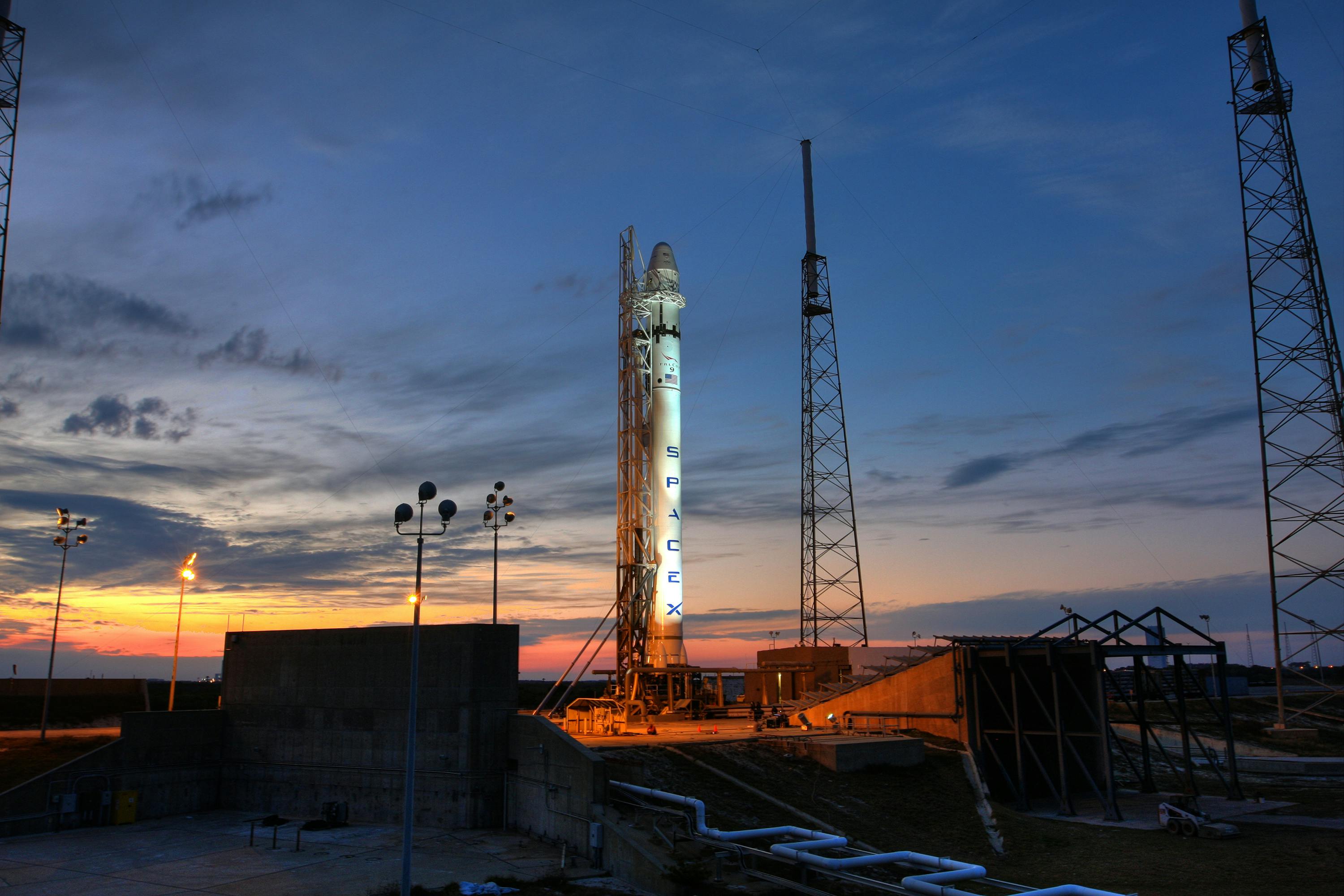
SpaceX kicks off 2025 with successful launches and a record-breaking outlook, aiming to maintain its market leadership amidst emerging competition.