


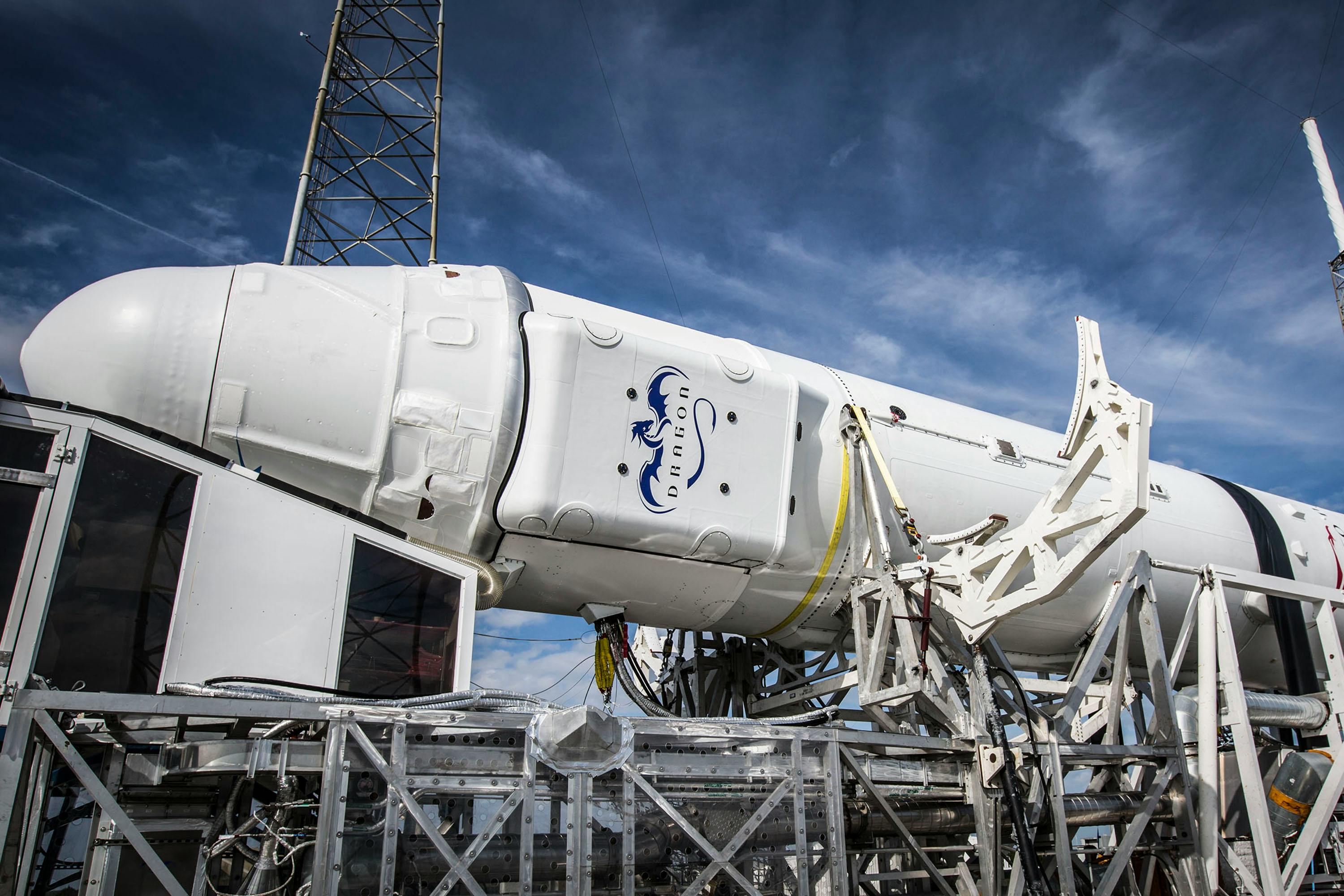
SpaceX Starfall Reentry Vehicle Plans Revealed by FAA | KeepTrack X Report
FAA documents expose SpaceX's Starfall reentry vehicle program, targeting in-space manufacturing support as the Starlink constellation holds 10,397 working satellites.


Launch Date
October 2, 1972
Launch Site
AFWTR
Launch Pad
BMRSA1
Launch Vehicle
Atlas Burner 2
NORAD ID
06218
International Designator
1972-076C
Epoch
Sat, 04 Jul 2026 05:37:32 GMT
Apogee
Calculating...
Perigee
Calculating...
Inclination
98.52°
Right Ascension
271.53°
Eccentricity
Calculating...
Argument of Perigee
226.40°
Period
98.85 min
Mean Motion
14.57 rev/day
Latitude
Calculating...
Longitude
Calculating...
Altitude
Calculating...
Velocity
Calculating...
Name
ATLAS F BURNER 2 R/B
Alternative Name
Burner II No. 23
Type
Status
Owner
SAMSO
Country
United States
Constellation
N/A
Related Satellites
Major Events
N/A
1 06218U 72076C 26185.23440119 .00000211 00000-0 57949-4 0 9997
2 06218 98.5172 271.5281 0010580 226.4015 133.6305 14.56752401848939
Source: Celestrak
Length
1.5
Diameter
0.9
Span
1.5
Dry Mass
65
Launch Mass
65
Shape
Sphere + Cone
Radar Cross Section
2.6014
Visual Magnitude
Unknown
Color
Unknown
Material Composition
Unknown
Payload
Star 37B S/N 023
Purpose
Unknown
Mission
Unknown
Manufacturer
THKE
Life Expectancy
Unknown
Bus
Star 37
Configuration
Unknown
Motor
Unknown
Equipment
Unknown
Power System
Unknown
ADCS
Unknown
Transmitter Frequency
Unknown
Learn more about satellites and other related topics.
FAA documents expose SpaceX's Starfall reentry vehicle program, targeting in-space manufacturing support as the Starlink constellation holds 10,397 working satellites.

SpaceX launches Starlink while debuting on Nasdaq at $1.77 trillion valuation. Meanwhile, Senate FY2027 NDAA would dissolve SDA into Space Force, affecting Tranche constellation tracking.

For nearly two decades, the U.S. Air Force and Space Force have been the world's unofficial civilian space traffic control system. The Department of Commerce's Traffic Coordination System for Space (TraCSS) is now taking over that job for commercial satellite operators - in stages, against persistent congressional pressure to kill the program, and with Department of Defense advocates pushing to make it happen before it is too late.

Today marks a significant milestone as SpaceX successfully launches another batch of Starlink satellites, boosting global connectivity efforts.

Today's highlights include significant data release from NASA's Atmospheric Waves Experiment, SpaceX's dual launches of Crew-10 and Starlink satellites, and intriguing findings from the arctic ice studies.
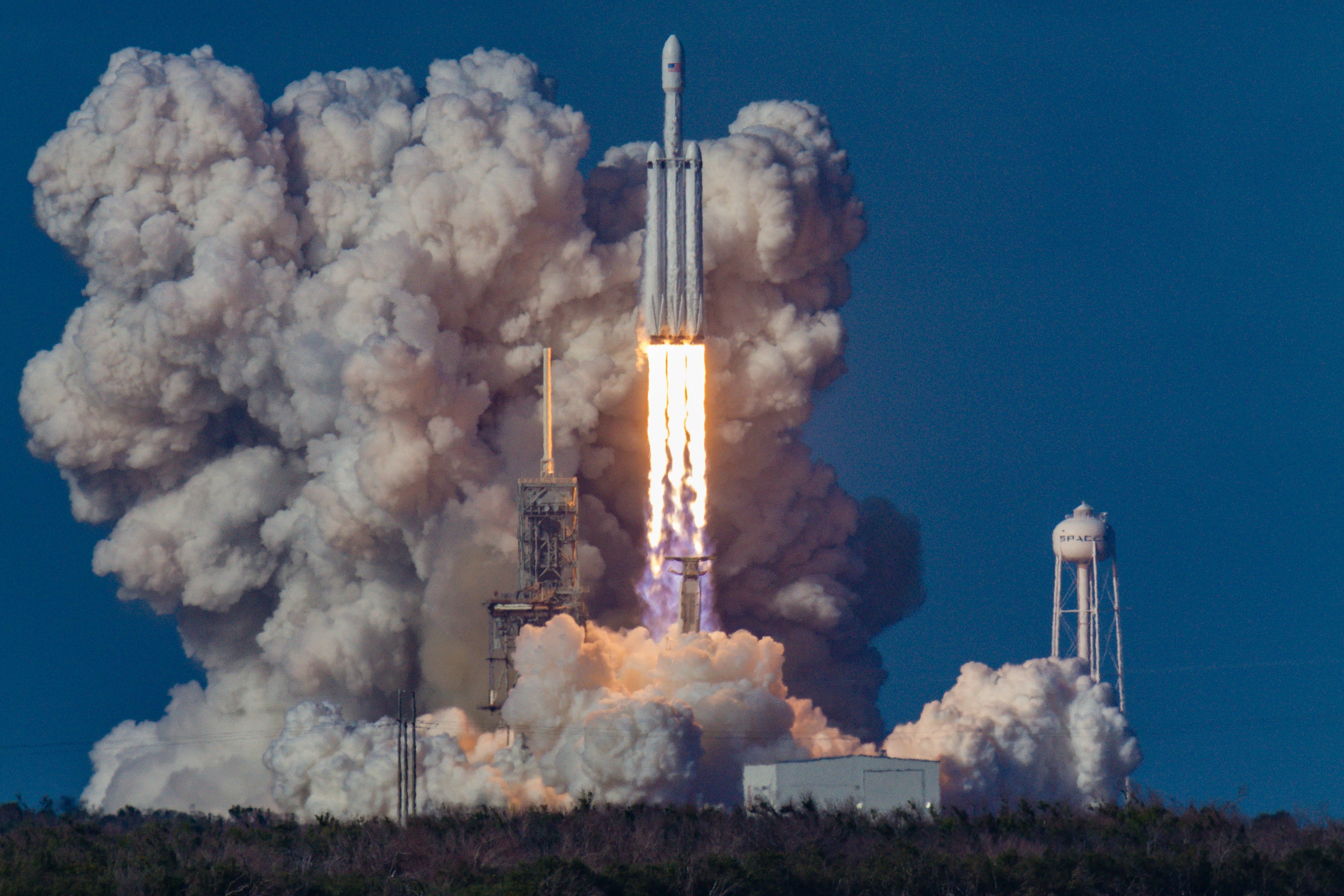
Falcon Heavy completed its 12th flight ever on April 29, ending an 18-month stand-down by lofting the 6-ton ViaSat-3 F3 comsat to GTO.

SpaceX launches its first crewed mission over Earth's poles and FAA concludes investigation into the Starship Flight 7 incident.
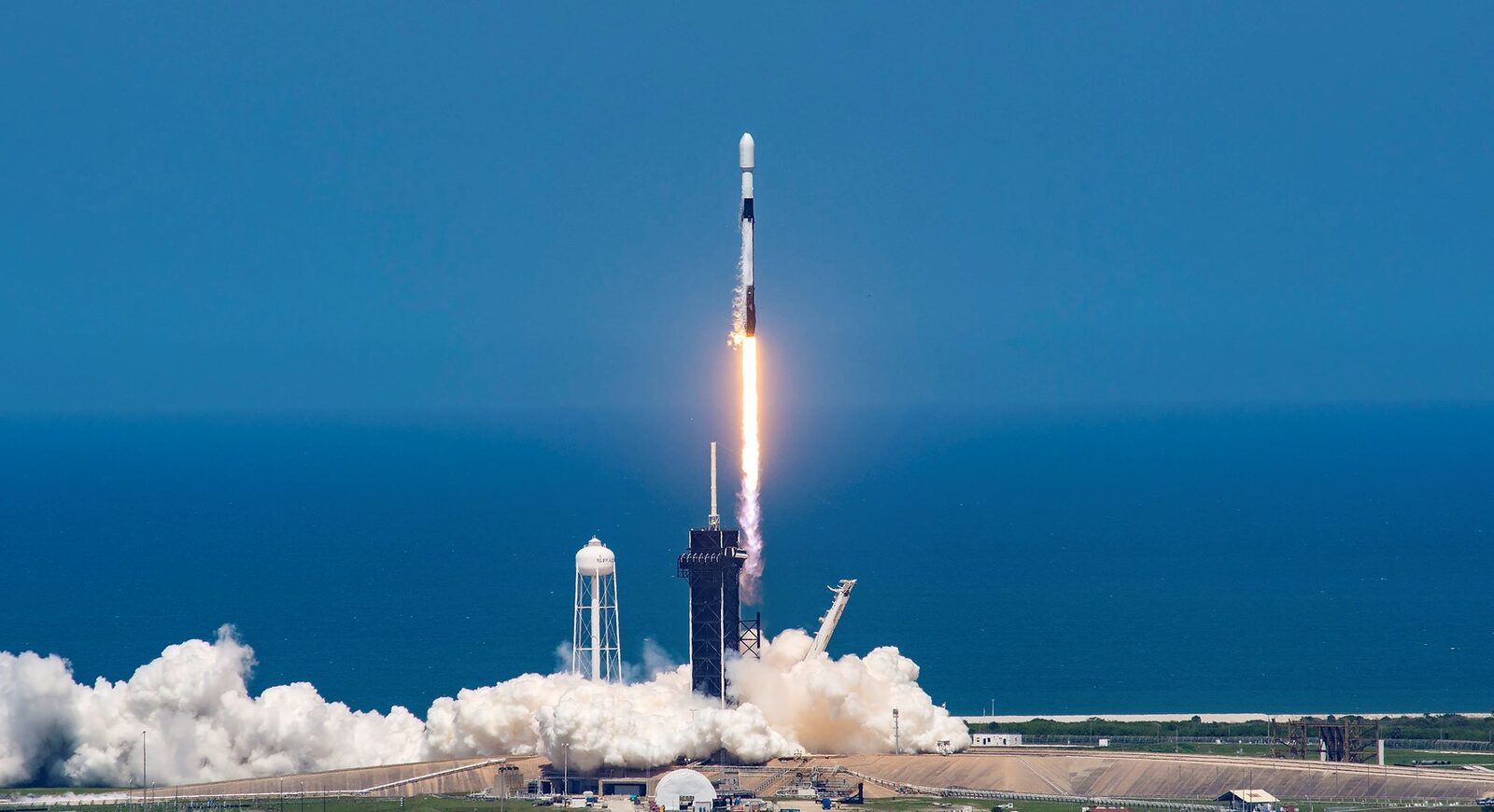
SpaceX completed a full 33-engine static fire on Booster 20, the longest duration test to date. The milestone clears a major hurdle before the next Starship flight attempt.