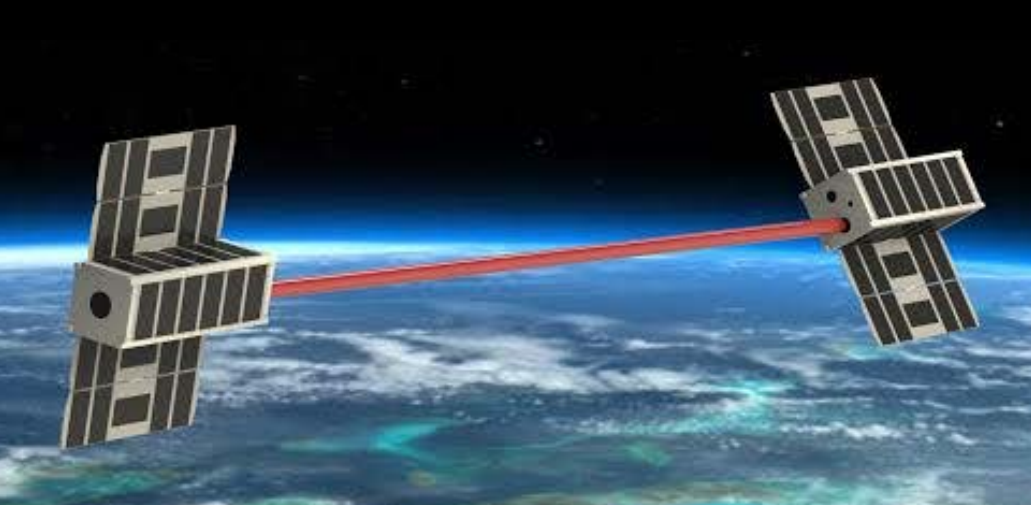
STARLINK-32644 (62151)

COSPAR: 2024-224N | Alt Name: Starlink 32644

Image
STARLINK-32644 Satellite Image
Additional Sources
Launch Details

Launch Date

November 30, 2024

Launch Pad

LC40

Launch Vehicle

Falcon 9

Orbital Elements

NORAD ID

62151

International Designator

2024-224N

Epoch

Sun, 19 Jul 2026 21:02:51 GMT

Apogee

Calculating...

Perigee

Calculating...

Inclination

43.00°

Right Ascension

131.81°

Eccentricity

Calculating...

Argument of Perigee

270.45°

Period

94.27 min

Mean Motion

15.28 rev/day

Latitude

Calculating...

Longitude

Calculating...

Altitude

Calculating...

Velocity

Calculating...

Polar Plot
3D Visualization
Basic Satellite Info

Name

STARLINK-32644

Alternative Name

Starlink 32644

Type

Payload

Status

Operational

Owner

SPXS

Country

United States

Constellation

N/A

Related Satellites

Major Events

N/A

Latest TLEs
1 62151U 24224N   26200.87698493  .00009320  00000+0  34770-3 0  9990
2 62151  43.0016 131.8094 0001339 270.4492  89.6206 15.27586759 92693

Source: Celestrak

Summary
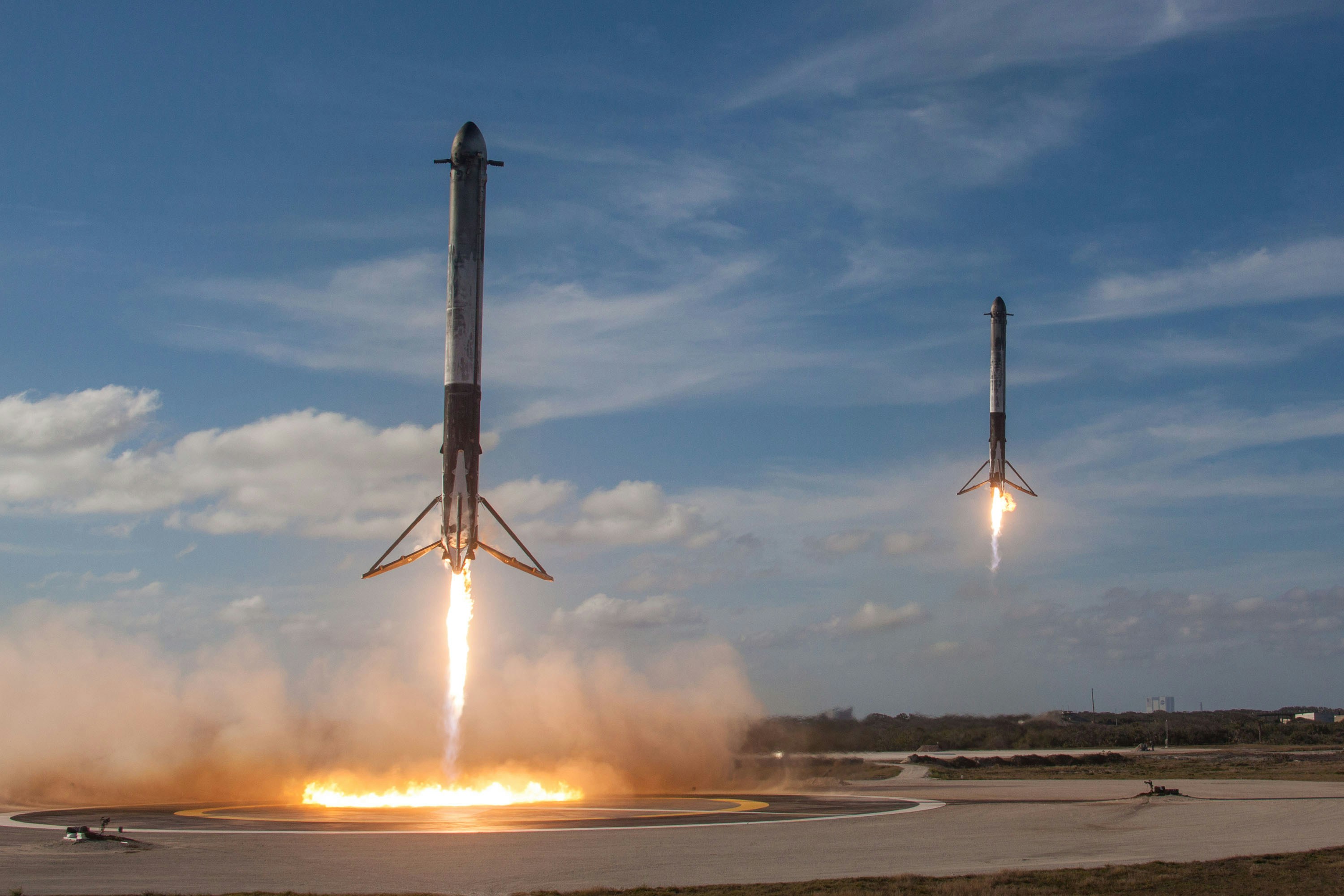
The satellite STARLINK-32644 (OBJECT_ID: 2024-224N) is a Starlink V2M spacecraft launched on November 30, 2024, from Launch Complex 40 at Cape Canaveral Air Force Station using a Falcon 9 launch vehicle. With dimensions of approximately 0.3 meters in length and 4.1 meters in diameter, it features a span of 29 meters, indicative of its solar arrays or antennas. The satellite has a dry mass of 700 kilograms and launched with a total mass of 730 kilograms. It is owned and manufactured by SpaceX (SPXS) as part of the Starlink Group 6-65-13 payload. Its shape is described as "Box + pan," suggesting a combination of box-like structure with additional elements resembling a pan, likely related to its solar panels or antennas configuration.

Starlink is a satellite constellation developed by SpaceX with the aim of providing global broadband internet coverage. Thousands of small satellites are deployed in low Earth orbit (LEO), enabling high-speed internet access even in remote areas. However, the rapid increase in satellites raises concerns about space debris and the potential for collisions, which can lead to further debris creation and endanger other spacecraft. Additionally, the sheer number of Starlink satellites can affect astronomical observations by increasing light pollution. Proper deorbiting plans and international coordination are essential to mitigate these challenges and ensure long-term sustainability in space.
Physical Characteristics

Length

0.3

Diameter

4.1

Span

29

Dry Mass

700

Launch Mass

730

Shape

Box + pan

Radar Cross Section

Unknown

Visual Magnitude

Unknown

Color

Unknown

Material Composition

Unknown

Technical Details

Payload

Starlink Group 6-65-13

Purpose

Unknown

Mission

Unknown

Manufacturer

SPXS

Life Expectancy

Unknown

Bus

Starlink V2M

Configuration

Unknown

Motor

Unknown

Equipment

Unknown

Power System

Unknown

ADCS

Unknown

Transmitter Frequency

Unknown

Map
This tool will help you track the satellite's position and predict its upcoming passes over your location. Simply input the coordinates or click the geolocation button to get started.
Next Pass
Azimuth Elevation Time (Local)
Start Azimuth
Max Elevation
Stop Azimuth
Time Until
Pass Duration

Satellite Articles

View All Posts »

Learn more about satellites and other related topics.

The Multi-Orbit Myth? Why One Startup Thinks the Satellite Industry Got It Wrong

The Multi-Orbit Myth? Why One Startup Thinks the Satellite Industry Got It Wrong

The satellite industry's biggest operators are betting on multi-orbit architectures that combine LEO, MEO, and GEO into unified networks. A San Francisco startup called Contrivian thinks they've overcomplicated the problem, and the physics might be on its side.
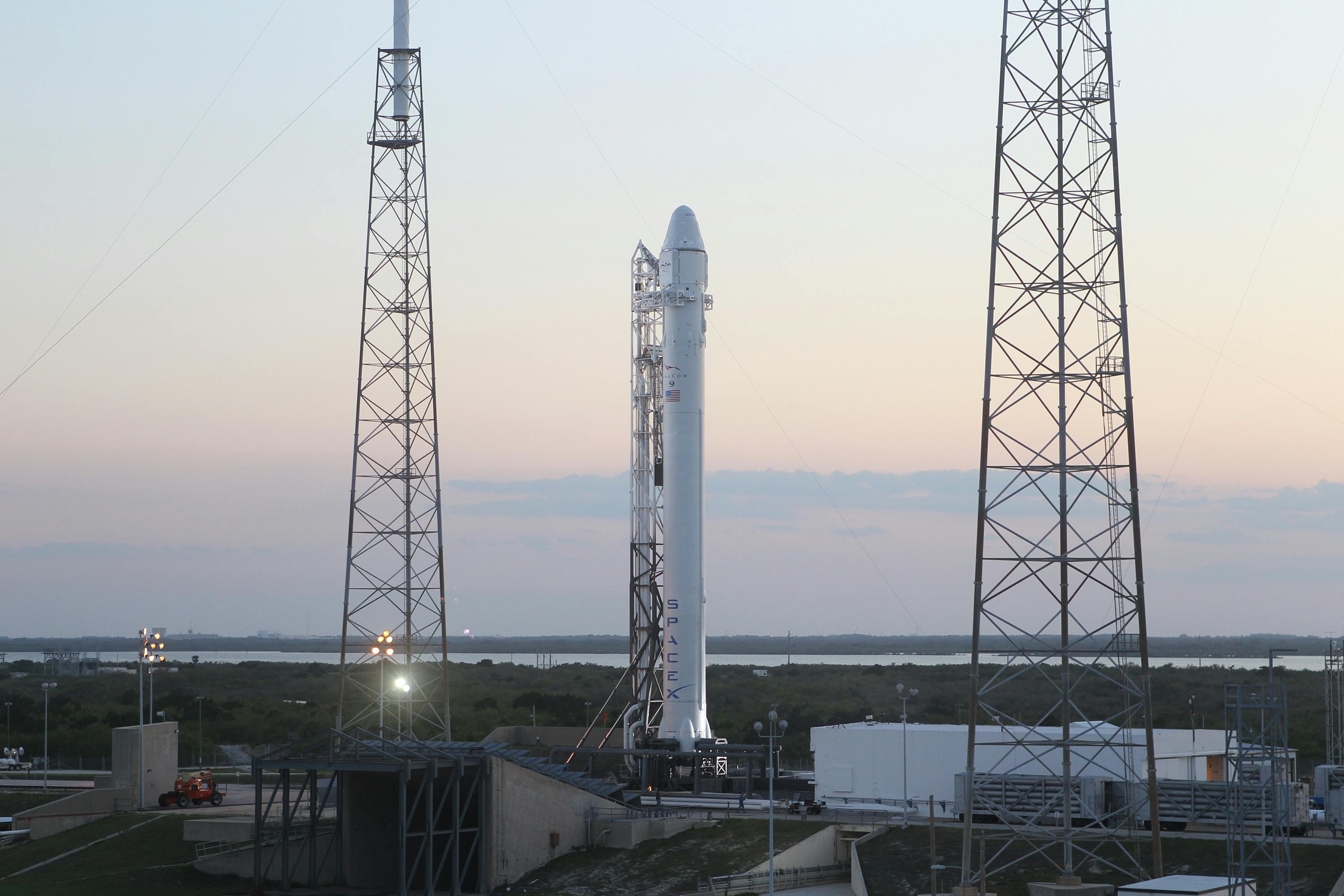
X Report 13 May 2025

X Report 13 May 2025

SpaceX continues to expand its Starlink network with multiple launches and gains momentum in international markets, while revisiting launch tariffs and new regulations.

The Day Destiny Changed the Space Station Forever

The Day Destiny Changed the Space Station Forever

Twenty-four years ago, two spacewalking astronauts battled an ammonia leak while installing the U.S. Laboratory module Destiny, transforming the International Space Station from a construction site to a world-class research facility

X Report 26 Feb 2025

X Report 26 Feb 2025

SpaceX progresses with Starship Flight 8 preparations, completes investigation into Flight 7 mishap, and prepares for upcoming launches.

Falcon 9 Booster B1067 Reaches 35th Flight Record | KeepTrack Space Brief

Falcon 9 Booster B1067 Reaches 35th Flight Record | KeepTrack Space Brief

Booster B1067 sets new Falcon 9 reuse record with 35th successful flight, deploying 29 Starlink satellites. Quantum Space pursues public markets via SPAC.

Space Brief 17 Sep 2025

Space Brief 17 Sep 2025

Highlights include China's recent satellite launch, advancements in nuclear propulsion, non-kinetic tech developments for maritime defense, SpaceX's direct-to-device spectrum tests, and maneuvering satellites for Space Force missions.

Space Brief 23 Nov 2024

Space Brief 23 Nov 2024

Today's highlights include Canada's and Australia's investment in hypersonic defense, China's successful test of an inflatable space module, and Sweden's support of Ukrainian missile and drone production.

All 33 Raptor V3 Engines Ignite in Super Heavy Static Fire | KeepTrack X Report

All 33 Raptor V3 Engines Ignite in Super Heavy Static Fire | KeepTrack X Report

SpaceX ignited all 33 next-gen Raptor V3 engines on the Super Heavy booster at Starbase, Texas, marking a critical milestone toward the next Starship flight.