


X Report 3 Aug 2025
SpaceX bids farewell to LZ-1 while continuing its mission towards advancements in satellite technology and the ongoing Starlink project.



Launch Date
November 27, 2024
Launch Site
Launch Pad
LC39A
Launch Vehicle
NORAD ID
62120
International Designator
2024-222G
Epoch
Sun, 19 Jul 2026 04:03:57 GMT
Apogee
Calculating...
Perigee
Calculating...
Inclination
43.00°
Right Ascension
113.95°
Eccentricity
Calculating...
Argument of Perigee
268.87°
Period
94.27 min
Mean Motion
15.28 rev/day
Latitude
Calculating...
Longitude
Calculating...
Altitude
Calculating...
Velocity
Calculating...
Name
STARLINK-32548
Alternative Name
Starlink 32548
Type
Status
Owner
SPXS
Country
United States
Constellation
N/A
Related Satellites
Major Events
N/A
1 62120U 24222G 26200.16941977 .00010808 00000+0 40163-3 0 9990
2 62120 43.0008 113.9517 0001413 268.8652 91.2038 15.27585141 92868
Source: Celestrak
Length
0.3
Diameter
4.1
Span
29
Dry Mass
700
Launch Mass
730
Shape
Box + pan
Radar Cross Section
Unknown
Visual Magnitude
Unknown
Color
Unknown
Material Composition
Unknown
Payload
Starlink Group 6-76-07
Purpose
Unknown
Mission
Unknown
Manufacturer
SPXS
Life Expectancy
Unknown
Bus
Starlink V2M
Configuration
Unknown
Motor
Unknown
Equipment
Unknown
Power System
Unknown
ADCS
Unknown
Transmitter Frequency
Unknown
Learn more about satellites and other related topics.
SpaceX bids farewell to LZ-1 while continuing its mission towards advancements in satellite technology and the ongoing Starlink project.

Space Force stands up 2 cyber defense squadrons at Cape Canaveral and Vandenberg to protect launch operations against adversary interference targeting pad networks and telemetry systems.

Today's Space Brief highlights major developments in satellite launches, regulatory milestones for spectrum sales, and the evolving landscape of space-related cyber conflicts.
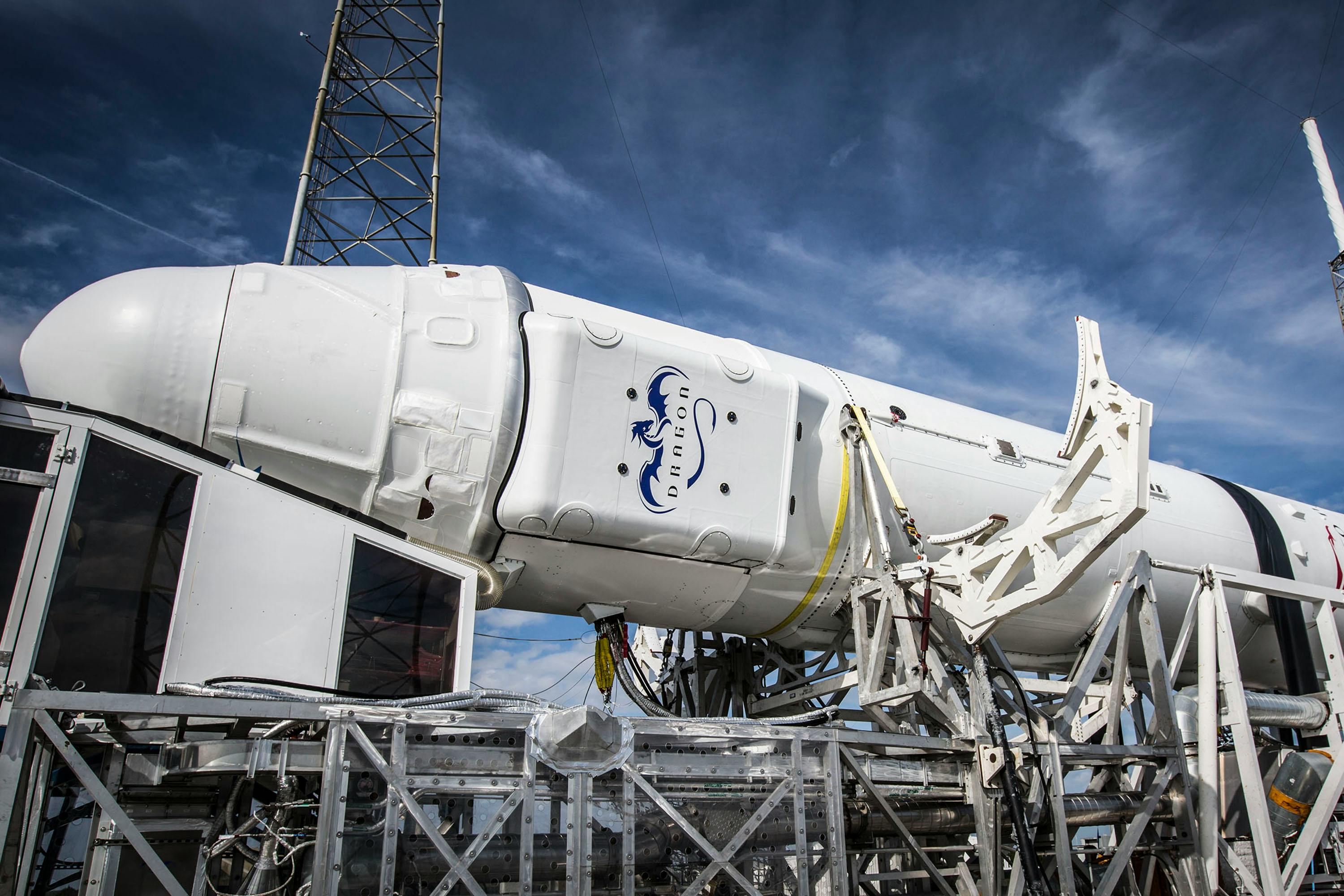
A second Starlink satellite malfunction in just over three months has generated on-orbit debris, raising fresh questions about SpaceX's 10,151-strong working constellation.
Blue Origin's New Glenn successfully reused its first stage booster for the first time on Mission 3, launching April 19. Booster reuse accelerates operational tempo.

Today's highlights include ExoMars' successful parachute test, developments in military satellite systems, and leadership changes at NASA Goddard.
Today's brief covers a significant hypersonic flight by Stratolaunch, the US Space Force's missile warning upgrades, and major government space investments.
Today's brief highlights a landmark cooperation between NASA and China to prevent satellite collision, strategic steps in American space leadership through nuclear energy, a U.S. military missile test, and more.