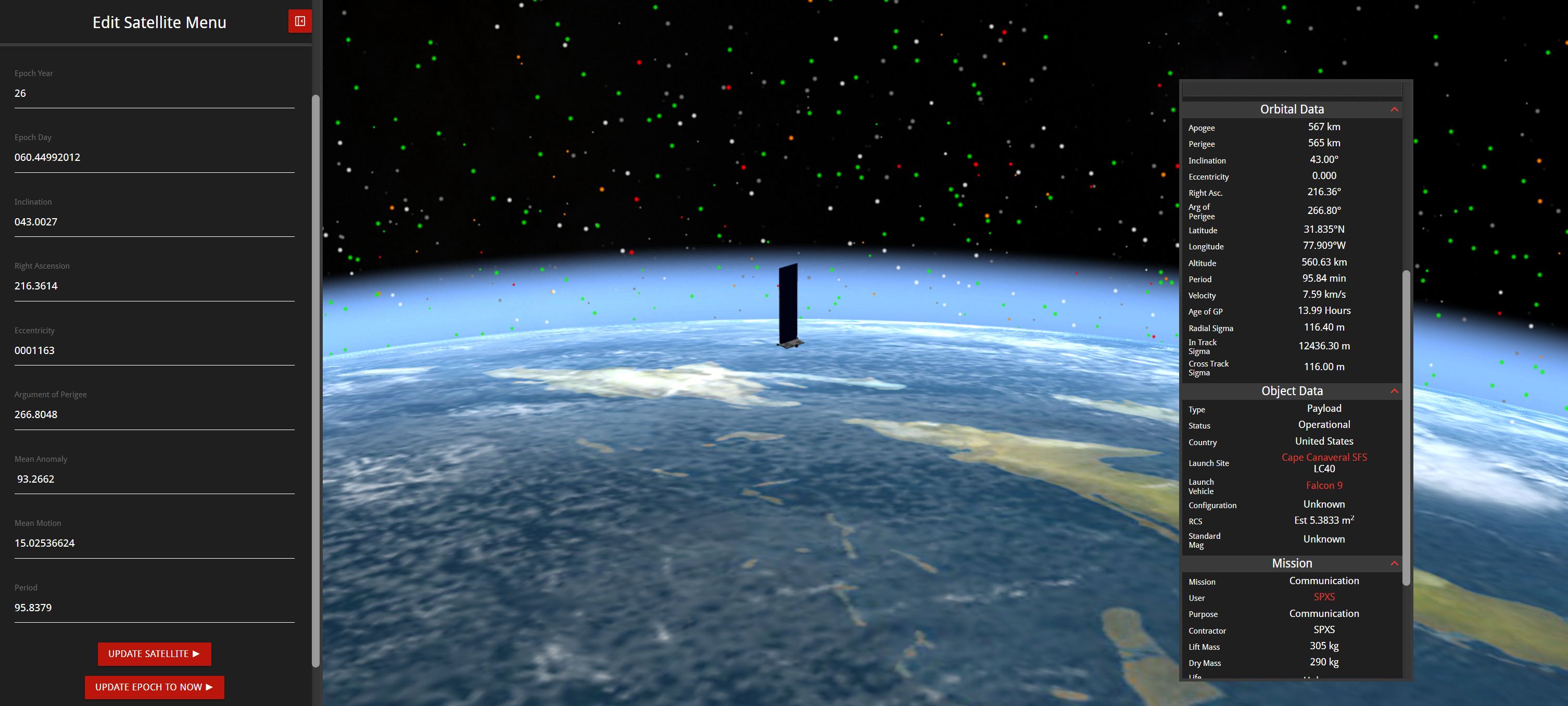
STARLINK-11388 [DTC] (62092)

COSPAR: 2024-220E | Alt Name: Starlink 11388

Image
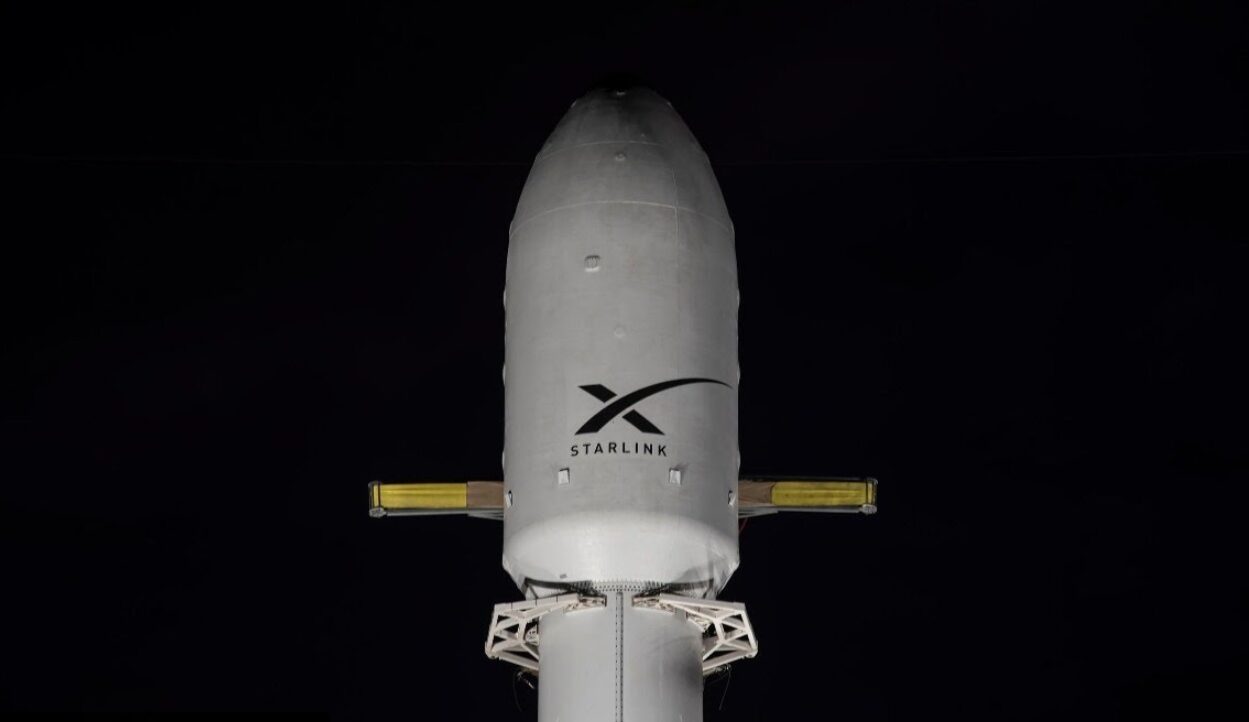
STARLINK-11388 [DTC] Satellite Image
Additional Sources
Launch Details

Launch Date

November 25, 2024

Launch Pad

LC40

Launch Vehicle

Falcon 9

Orbital Elements

NORAD ID

62092

International Designator

2024-220E

Epoch

Sun, 19 Jul 2026 18:15:10 GMT

Apogee

Calculating...

Perigee

Calculating...

Inclination

43.00°

Right Ascension

327.07°

Eccentricity

Calculating...

Argument of Perigee

264.66°

Period

91.66 min

Mean Motion

15.71 rev/day

Latitude

Calculating...

Longitude

Calculating...

Altitude

Calculating...

Velocity

Calculating...

Polar Plot
3D Visualization
Basic Satellite Info

Name

STARLINK-11388 [DTC]

Alternative Name

Starlink 11388

Type

Payload

Status

Operational

Owner

SPXS

Country

United States

Constellation

N/A

Related Satellites

Major Events

N/A

Latest TLEs
1 62092U 24220E   26200.76054025  .00150598  00000+0  11498-2 0  9990
2 62092  43.0028 327.0691 0003118 264.6634  95.3878 15.70965577 95725

Source: Celestrak

Summary
The Starlink-11388 [DTC] satellite, also known as Starlink 11388, is a member of SpaceX's Starlink V2M series launched on November 25, 2024, from Cape Canaveral Air Force Station using a Falcon 9 launch vehicle. With dimensions of 0.3 meters in length and 4.1 meters in diameter, it features an extended span of 29 meters, likely for its solar arrays or antennas. The satellite has a dry mass of 700 kilograms and launched with a total mass of 730 kilograms. It is owned by SpaceX (SPXS) and forms part of the Starlink Group 12-1-05 payload, designed to provide broadband internet coverage as part of the broader Starlink constellation. Its shape is described as "Box + pan," indicating a box-like structure with additional components for functionality.

Starlink is a satellite constellation developed by SpaceX with the aim of providing global broadband internet coverage. Thousands of small satellites are deployed in low Earth orbit (LEO), enabling high-speed internet access even in remote areas. However, the rapid increase in satellites raises concerns about space debris and the potential for collisions, which can lead to further debris creation and endanger other spacecraft. Additionally, the sheer number of Starlink satellites can affect astronomical observations by increasing light pollution. Proper deorbiting plans and international coordination are essential to mitigate these challenges and ensure long-term sustainability in space.
Physical Characteristics

Length

0.3

Diameter

4.1

Span

29

Dry Mass

700

Launch Mass

730

Shape

Box + pan

Radar Cross Section

Unknown

Visual Magnitude

Unknown

Color

Unknown

Material Composition

Unknown

Technical Details

Payload

Starlink Group 12-1-05

Purpose

Unknown

Mission

Unknown

Manufacturer

SPXS

Life Expectancy

Unknown

Bus

Starlink V2M

Configuration

Unknown

Motor

Unknown

Equipment

Unknown

Power System

Unknown

ADCS

Unknown

Transmitter Frequency

Unknown

Map
This tool will help you track the satellite's position and predict its upcoming passes over your location. Simply input the coordinates or click the geolocation button to get started.
Next Pass
Azimuth Elevation Time (Local)
Start Azimuth
Max Elevation
Stop Azimuth
Time Until
Pass Duration

Satellite Articles

View All Posts »

Learn more about satellites and other related topics.

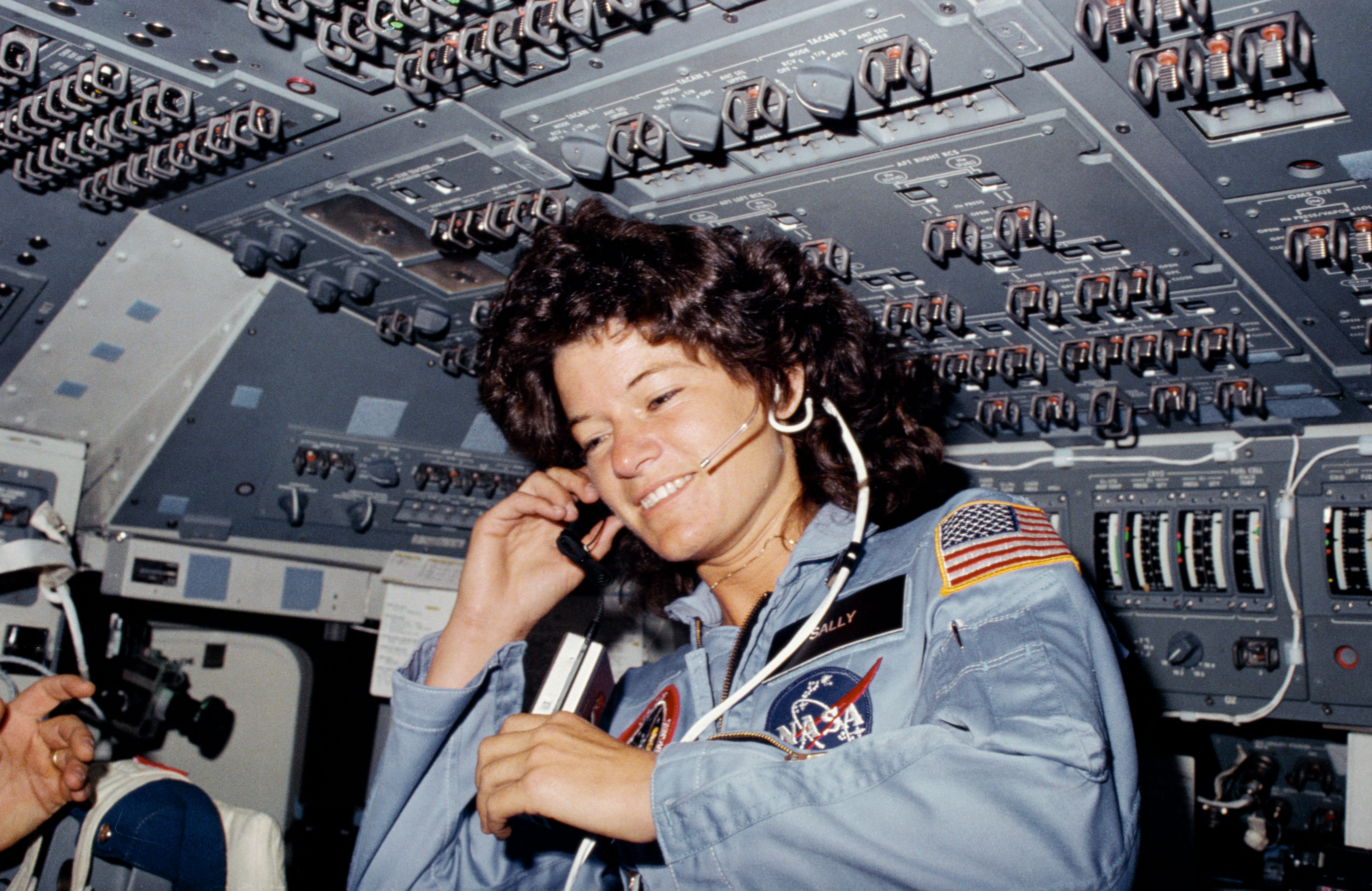
Sally Ride and the Twenty Years It Took America to Catch Up

Sally Ride and the Twenty Years It Took America to Catch Up

At 7:33 on the morning of 18 June 1983, a 32-year-old astrophysicist named Sally Ride rode Challenger off Pad 39A and became the first American woman in space. She got there two decades after the Soviets, and only after months of being asked whether spaceflight would damage her reproductive organs and whether she planned to cry.
X Report 11 Sep 2025

X Report 11 Sep 2025

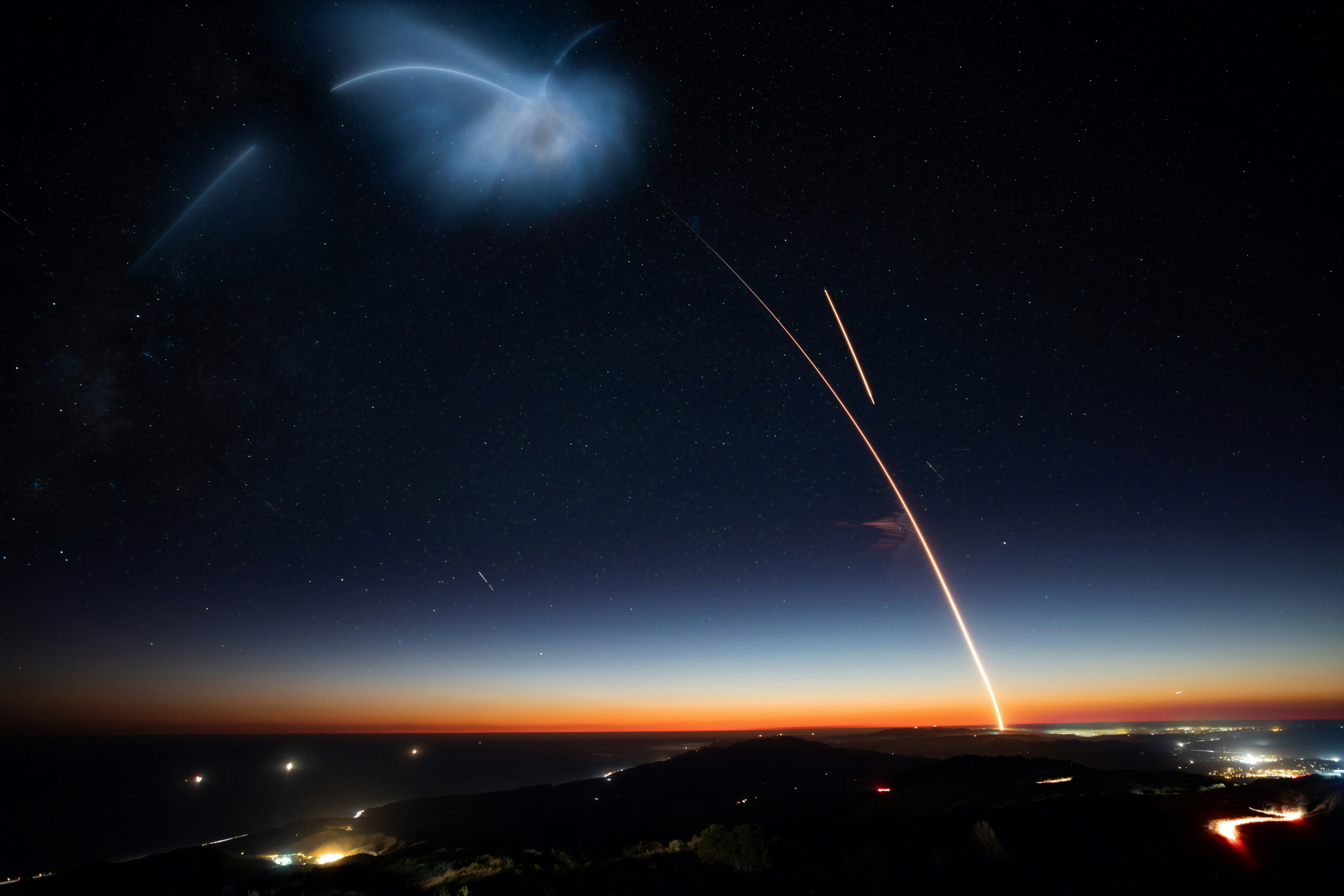
SpaceX successfully launched 21 military satellites, marking a key achievement in national security efforts, while preparations continue for the upcoming NASA mission and insights emerge from the Starship development process.

X Report 4 May 2025

X Report 4 May 2025

Today's brief highlights the successful launch of 29 Starlink satellites, progress on the Starship fleet, and ongoing adjustments in SpaceX's launch schedules.

X Report 3 Sep 2025

X Report 3 Sep 2025

SpaceX successfully launched 24 Starlink satellites aboard a brand-new Falcon 9 rocket. The company aims for five missions this week, bolstering its satellite internet constellation.

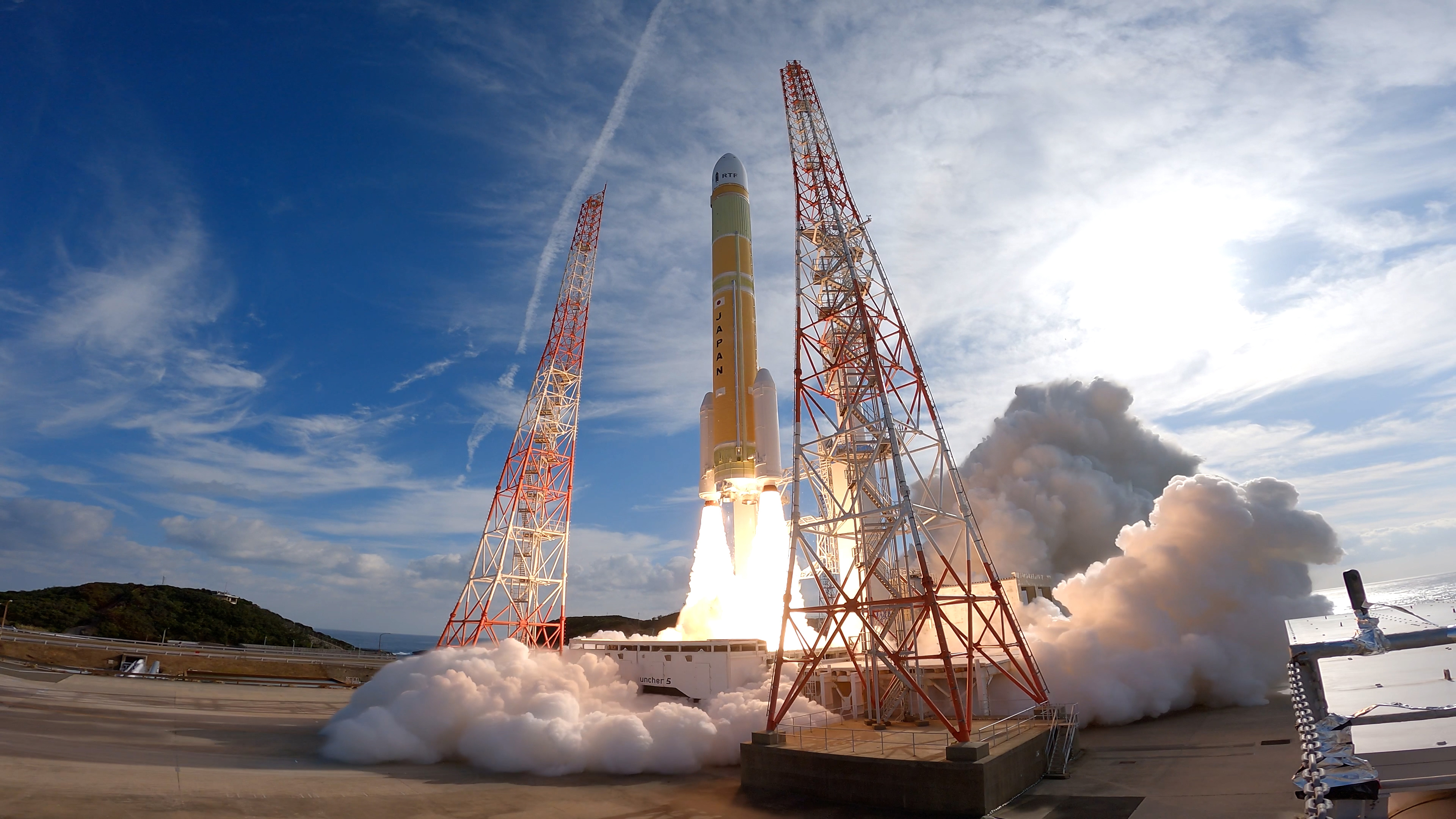
NASA Cancels Draper Lunar Lander; Skyroot Reaches Orbit, Space Brief 19 Jul 2026

NASA Cancels Draper Lunar Lander; Skyroot Reaches Orbit, Space Brief 19 Jul 2026

NASA terminated Draper's commercial lunar lander after development delays. Meanwhile, Skyroot Aerospace's Vikram-1 became India's first commercial rocket to reach orbit on July 18.

X Report 25 Aug 2025

X Report 25 Aug 2025

SpaceX faced delays in launching its 10th Starship test flight while successfully deploying a Cargo Dragon to resupply the ISS, marking a significant milestone in the ongoing collaboration with NASA.

Space Brief 27 Nov 2025

Space Brief 27 Nov 2025

Today's highlights include new space-based interceptor developments, a UK space tracking partnership, a strategic satellite imagery alliance, and more.

Two-Line Element Set (TLE)

Two-Line Element Set (TLE)

The compact data format that describes every tracked satellite orbit in just two lines of text, and how to read it