STARLINK-11387 [DTC] (62090)

COSPAR: 2024-220C | Alt Name: Starlink 11387

Image
STARLINK-11387 [DTC] Satellite Image
Additional Sources
Launch Details

Launch Date

November 25, 2024

Launch Pad

LC40

Launch Vehicle

Falcon 9

Orbital Elements

NORAD ID

62090

International Designator

2024-220C

Epoch

Sun, 19 Jul 2026 18:30:28 GMT

Apogee

Calculating...

Perigee

Calculating...

Inclination

43.00°

Right Ascension

327.16°

Eccentricity

Calculating...

Argument of Perigee

267.54°

Period

91.67 min

Mean Motion

15.71 rev/day

Latitude

Calculating...

Longitude

Calculating...

Altitude

Calculating...

Velocity

Calculating...

Polar Plot
3D Visualization
Basic Satellite Info

Name

STARLINK-11387 [DTC]

Alternative Name

Starlink 11387

Type

Payload

Status

Operational

Owner

SPXS

Country

United States

Constellation

N/A

Related Satellites

Major Events

N/A

Latest TLEs
1 62090U 24220C   26200.77116352  .00132720  00000+0  10212-2 0  9991
2 62090  42.9997 327.1565 0001374 267.5377  92.5333 15.70844082 95828

Source: Celestrak

Summary
The satellite named STARLINK-11387 [DTC], also known as Starlink 11387, is a member of the Starlink V2M series launched by SpaceX (SPXS) on November 25, 2024. It was deployed from Launch Complex 40 at Cape Canaveral Air Force Station using a Falcon 9 launch vehicle. The satellite has dimensions of approximately 0.3 meters in length and 4.1 meters in diameter with a span of 29 meters, likely due to its solar arrays or antennas when deployed. Its dry mass is 700 kilograms, while the total launch mass was 730 kilograms. The spacecraft's shape is described as "Box + pan." It belongs to the Starlink Group 12-1-03 payload and operates under the ownership of SpaceX (SPXS).

Starlink is a satellite constellation developed by SpaceX with the aim of providing global broadband internet coverage. Thousands of small satellites are deployed in low Earth orbit (LEO), enabling high-speed internet access even in remote areas. However, the rapid increase in satellites raises concerns about space debris and the potential for collisions, which can lead to further debris creation and endanger other spacecraft. Additionally, the sheer number of Starlink satellites can affect astronomical observations by increasing light pollution. Proper deorbiting plans and international coordination are essential to mitigate these challenges and ensure long-term sustainability in space.
Physical Characteristics

Length

0.3

Diameter

4.1

Span

29

Dry Mass

700

Launch Mass

730

Shape

Box + pan

Radar Cross Section

Unknown

Visual Magnitude

Unknown

Color

Unknown

Material Composition

Unknown

Technical Details

Payload

Starlink Group 12-1-03

Purpose

Unknown

Mission

Unknown

Manufacturer

SPXS

Life Expectancy

Unknown

Bus

Starlink V2M

Configuration

Unknown

Motor

Unknown

Equipment

Unknown

Power System

Unknown

ADCS

Unknown

Transmitter Frequency

Unknown

Map
This tool will help you track the satellite's position and predict its upcoming passes over your location. Simply input the coordinates or click the geolocation button to get started.
Next Pass
Azimuth Elevation Time (Local)
Start Azimuth
Max Elevation
Stop Azimuth
Time Until
Pass Duration

Satellite Articles

View All Posts »

Learn more about satellites and other related topics.

The Bomb That NASA Built by Accident

The Bomb That NASA Built by Accident

An overlooked thermostat, eight hours of overheating on a Florida launch pad, and 200,000 miles of coasting through deep space. Then Oxygen Tank No. 2 tore itself apart, and three men had to figure out how to come home alive in a spacecraft designed to land on the Moon.
Understanding Space Debris

Understanding Space Debris

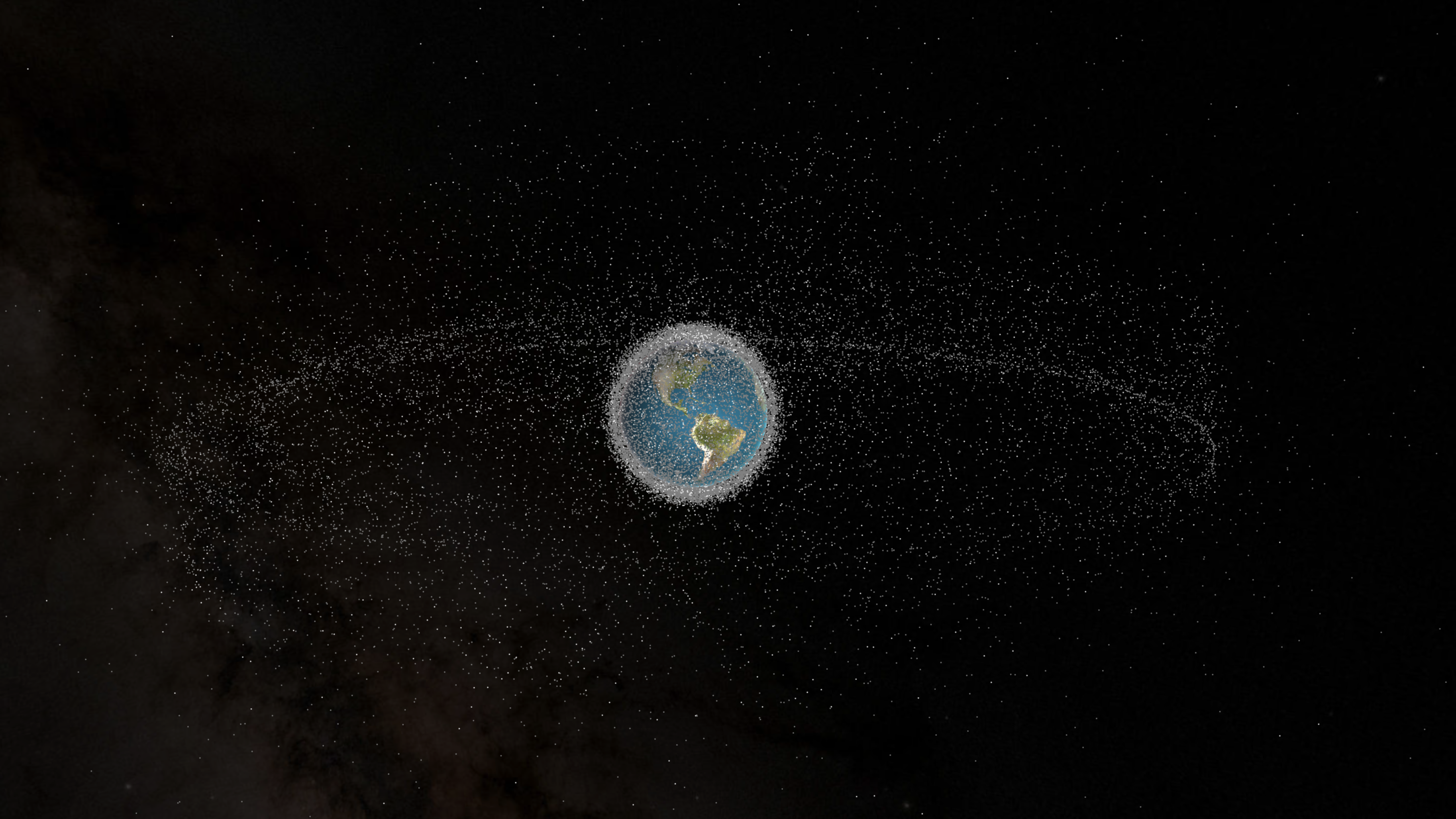
From shattered satellites to exploded rocket stages, space debris poses a growing risk to satellites, space stations, and astronauts. Here's a deep dive into what causes space debris, notable generating events, and what we're doing about it.

Starlink Hits 10,000 Satellites in Orbit, X Report 17 Mar 2026

Starlink Hits 10,000 Satellites in Orbit, X Report 17 Mar 2026

How many Starlink satellites are in orbit in 2026? SpaceX passed 10,000 after the Starlink 17-24 launch, with 10,020 in orbit and 11,529 launched.

Space Force Eyes Space Tugs, On-Orbit Refueling by 2030 | KeepTrack Space Brief

Space Force Eyes Space Tugs, On-Orbit Refueling by 2030 | KeepTrack Space Brief

Space Force commits to operational space tugs and on-orbit refueling by 2030. New capabilities will complicate conjunction analysis for GEO and MEO satellite tracking.

Crew-11 Returns to Earth After Historic ISS Medical Evacuation | KeepTrack X Report

Crew-11 Returns to Earth After Historic ISS Medical Evacuation | KeepTrack X Report

SpaceX Crew-11 mission returns safely to Earth after first-ever medical evacuation from ISS. Crew Dragon splashes down in Pacific Ocean off California coast. Mission ended early due to health concern.

X Report 2 Dec 2024

X Report 2 Dec 2024

SpaceX continues its Starship testing while advancing Starlink deployments, and collaborates on satellite missions with industry partners.

The International Scientific Optical Network (ISON)

The International Scientific Optical Network (ISON)

How a controversial telescope network has become a significant player in tracking the increasingly crowded orbital environment, raising important questions about transparency, dual-use technologies, and the future of space situational awareness.

Space Brief 31 Oct 2025

Space Brief 31 Oct 2025

Today we explore defense-driven shifts in satellite operations amid geopolitical tensions and innovative projects pushing the boundaries of space technology.