


X Report 1 Apr 2025
SpaceX launches its first crewed mission over Earth's poles and FAA concludes investigation into the Starship Flight 7 incident.


Launch Date
September 30, 1972
Launch Site
PLMSC
Launch Pad
LC41/1
Launch Vehicle
Molniya 8K78M
NORAD ID
06208
International Designator
1972-075A
Decay Date
1/12/1978
Name
MOLNIYA 2-3
Alternative Name
Molniya-2
Type
Status
Owner
GUKOSR
Country
USSR
Constellation
N/A
Related Satellites
Major Events
N/A
Apologies, there is no summary for this satellite yet. I am working to generate these for every object in the catalog, but it is going to take time.
Length
4.4
Diameter
1.4
Span
8.2
Dry Mass
1620
Launch Mass
1650
Shape
Cyl + 6 Pan
Radar Cross Section
31.0614
Visual Magnitude
Unknown
Color
Unknown
Material Composition
Unknown
Payload
Molniya-2 No. 13L
Purpose
Unknown
Mission
Unknown
Manufacturer
OKB10
Life Expectancy
Unknown
Bus
Molniya-2
Configuration
Unknown
Motor
Unknown
Equipment
Unknown
Power System
Unknown
ADCS
Unknown
Transmitter Frequency
Unknown
Learn more about satellites and other related topics.
SpaceX launches its first crewed mission over Earth's poles and FAA concludes investigation into the Starship Flight 7 incident.
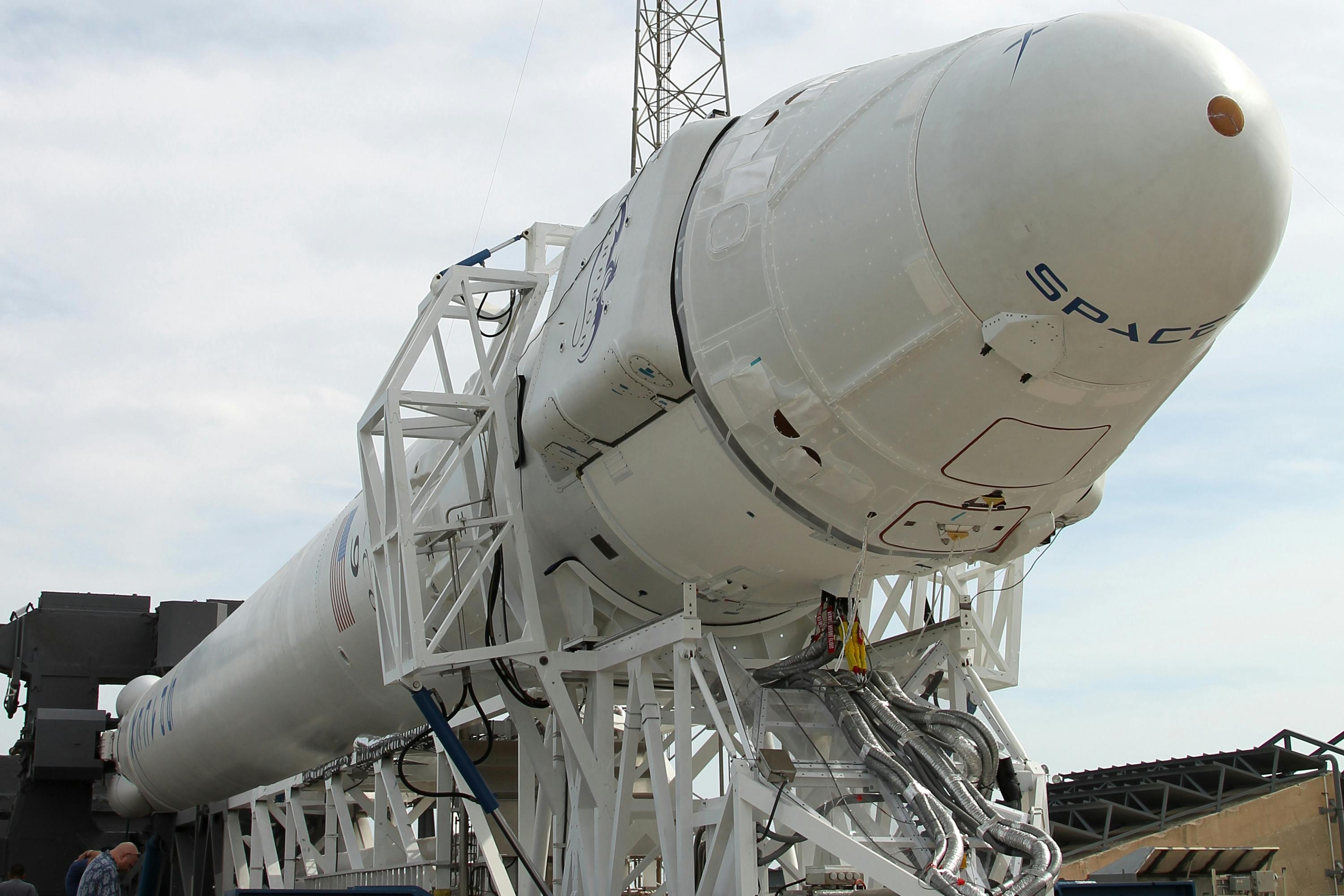
SpaceX readies Starlink 6-96 launch of 29 satellites from Cape Canaveral. Thermal Protection System evaluations underway at Starbase for next Starship prototypes. SpaceX IPO expected to reshape market.
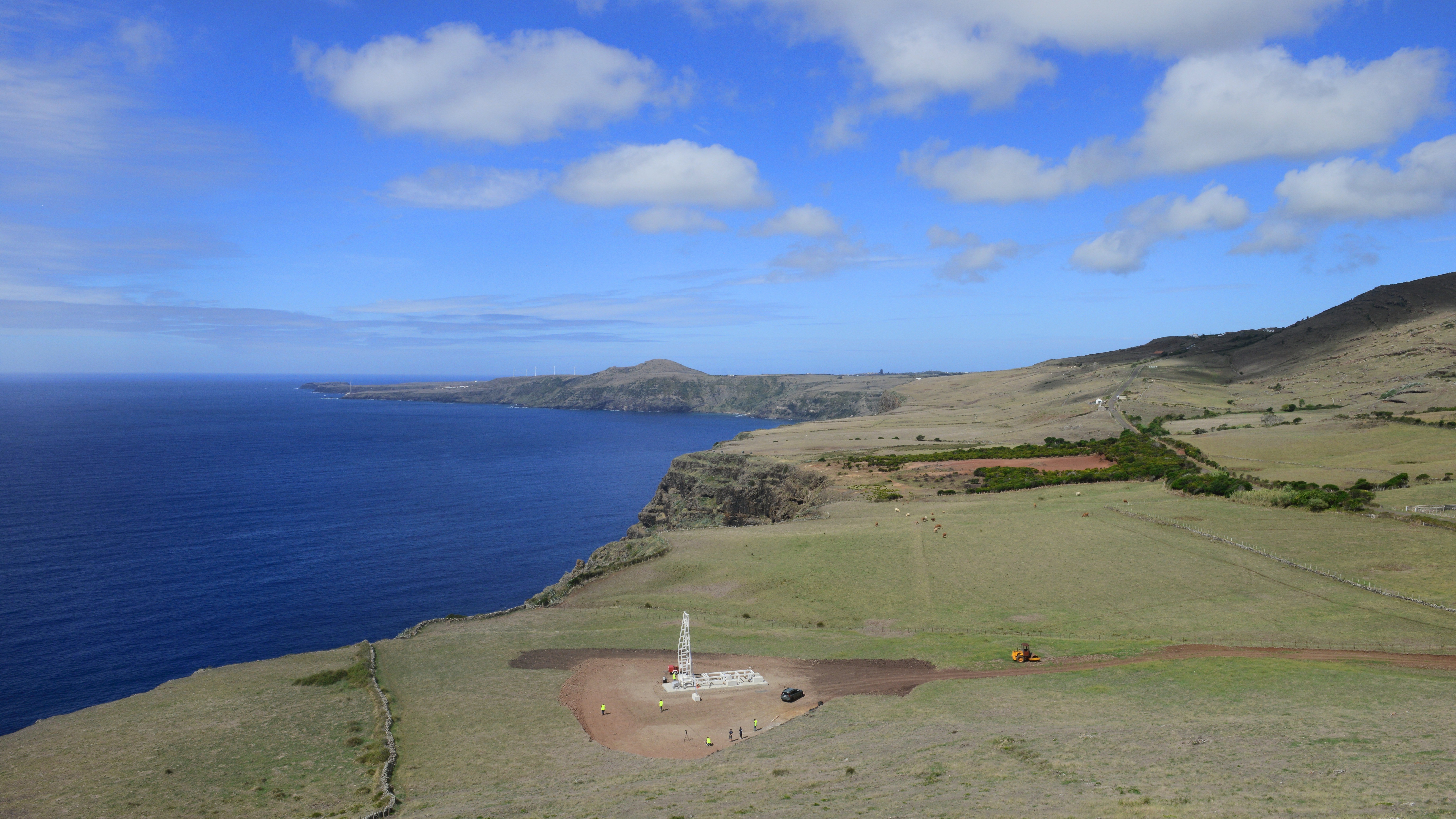
Europe's Atlantic outpost enters the launch business. How Portugal's first licensed spaceport in the Azores is preparing for suborbital flights in 2026 and positioning to receive ESA's Space Rider in 2028.
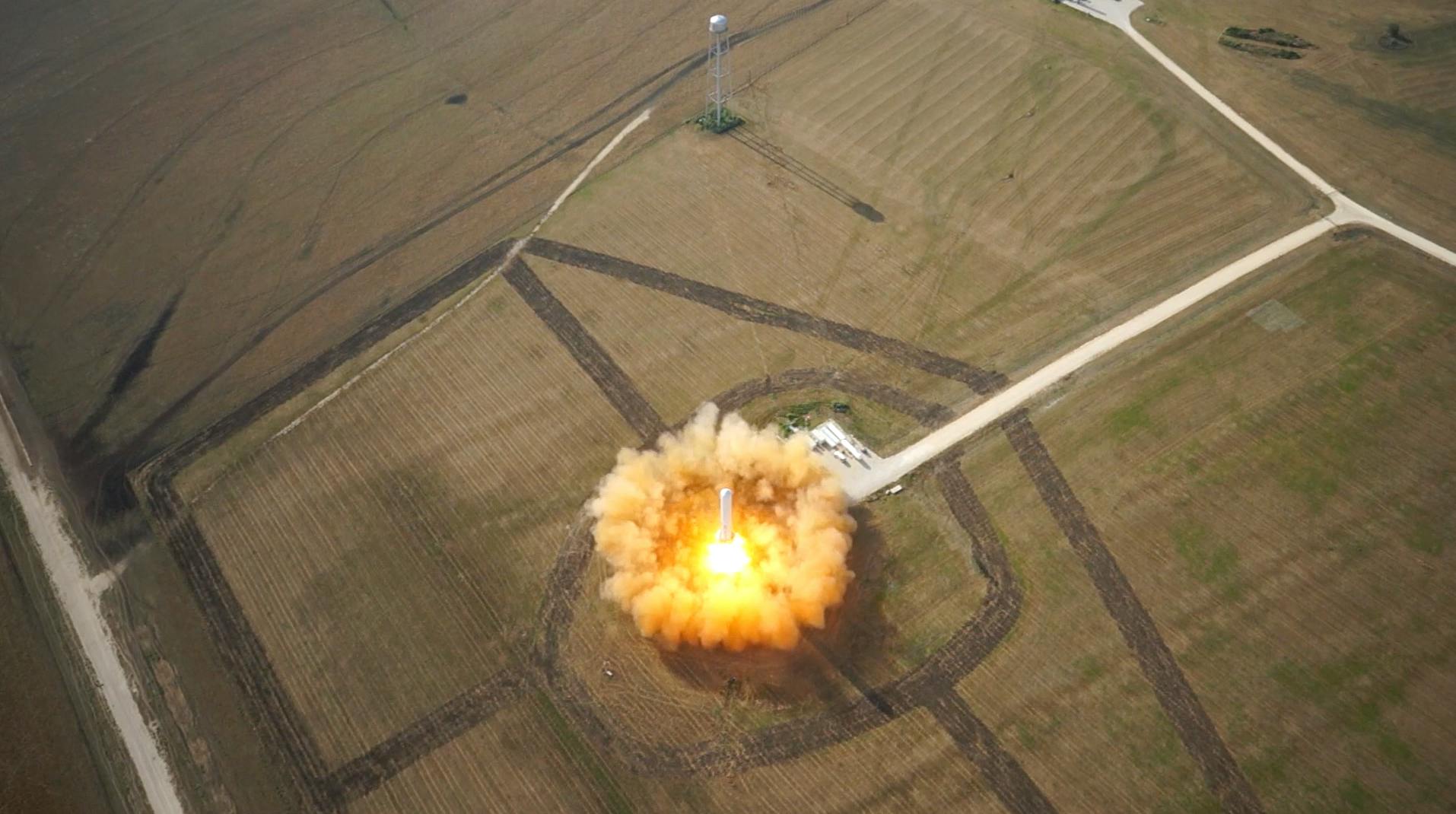
SpaceX progresses with plans for Starship launches from a ULA site while continuing its Starlink expansion. New satellite tracking update enhances user engagement.
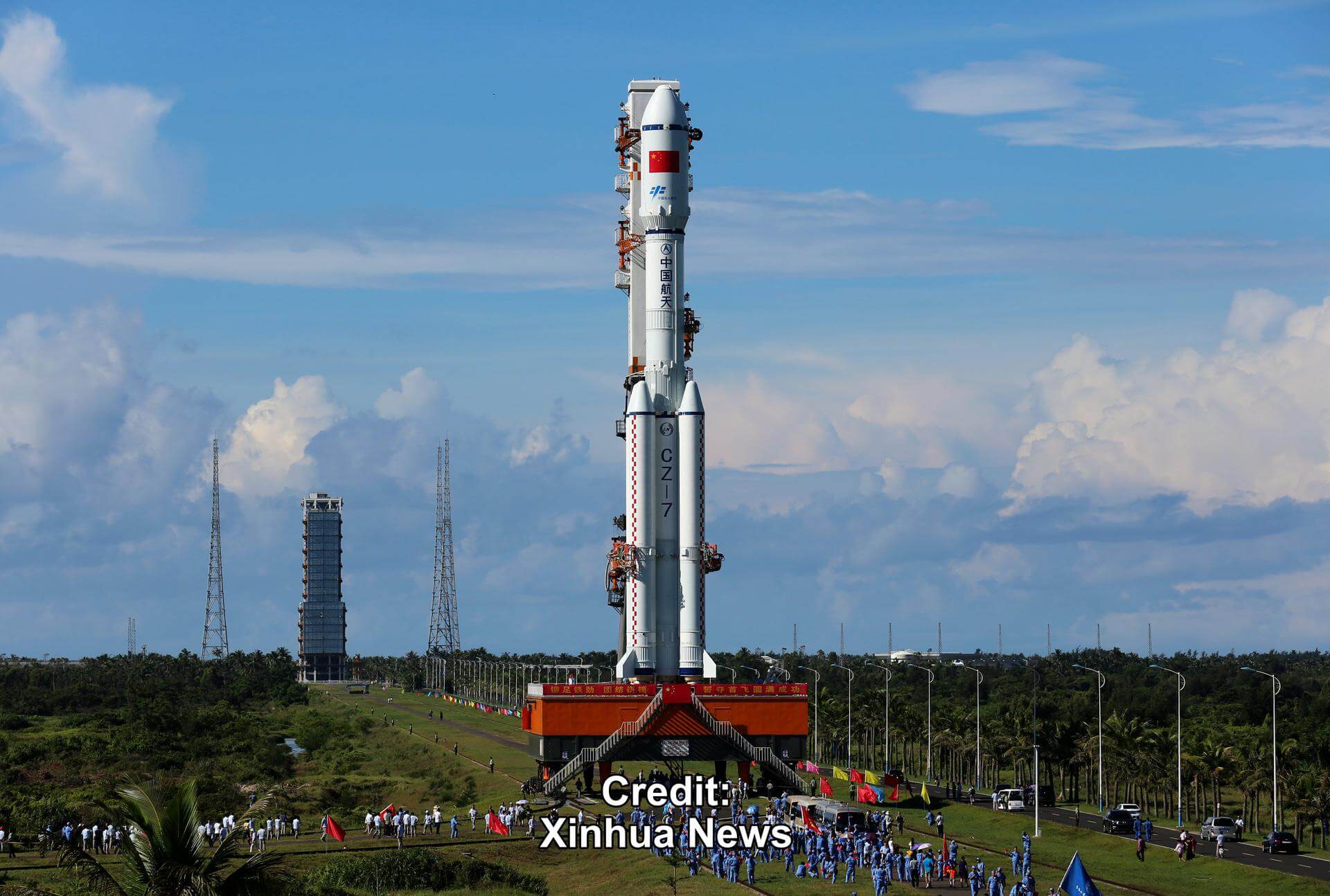
Today's key topics include the halting of the U.S. Air Force's rocket landing pad plans, the Space Force's shift to a flexible satellite strategy, delays in Australia's Eris 1 rocket launch, and the controversial cut of satellite sea-ice data to climate scientists.

Today's Space Brief covers Blue Origin's historic all-female spaceflight, the selection of companies for nuclear microreactor development by DIU, and NATO's adoption of AI technology for military planning.
Today's Space Brief focuses on multi-billion dollar contracts for missile-tracking satellites, developments in optical nuclear clock research, and innovative drone projects for military collaboration.
Today's brief covers significant developments in missile defense, military space operations, and upcoming rocket launches. Keep an eye on the evolving Golden Dome program and the advanced capabilities it brings.