STARLINK-32571 (62055)

COSPAR: 2024-216Z | Alt Name: Starlink 32571

Image
STARLINK-32571 Satellite Image
Additional Sources
Launch Details

Launch Date

November 21, 2024

Launch Pad

LC40

Launch Vehicle

Falcon 9

Orbital Elements

NORAD ID

62055

International Designator

2024-216Z

Epoch

Mon, 20 Jul 2026 02:37:40 GMT

Apogee

Calculating...

Perigee

Calculating...

Inclination

43.00°

Right Ascension

227.95°

Eccentricity

Calculating...

Argument of Perigee

272.62°

Period

94.27 min

Mean Motion

15.28 rev/day

Latitude

Calculating...

Longitude

Calculating...

Altitude

Calculating...

Velocity

Calculating...

Polar Plot
3D Visualization
Basic Satellite Info

Name

STARLINK-32571

Alternative Name

Starlink 32571

Type

Payload

Status

Operational

Owner

SPXS

Country

United States

Constellation

N/A

Related Satellites

Major Events

N/A

Latest TLEs
1 62055U 24216Z   26201.10949955  .00007214  00000+0  27136-3 0  9991
2 62055  42.9989 227.9514 0001753 272.6226  87.4425 15.27585626 94239

Source: Celestrak

Summary
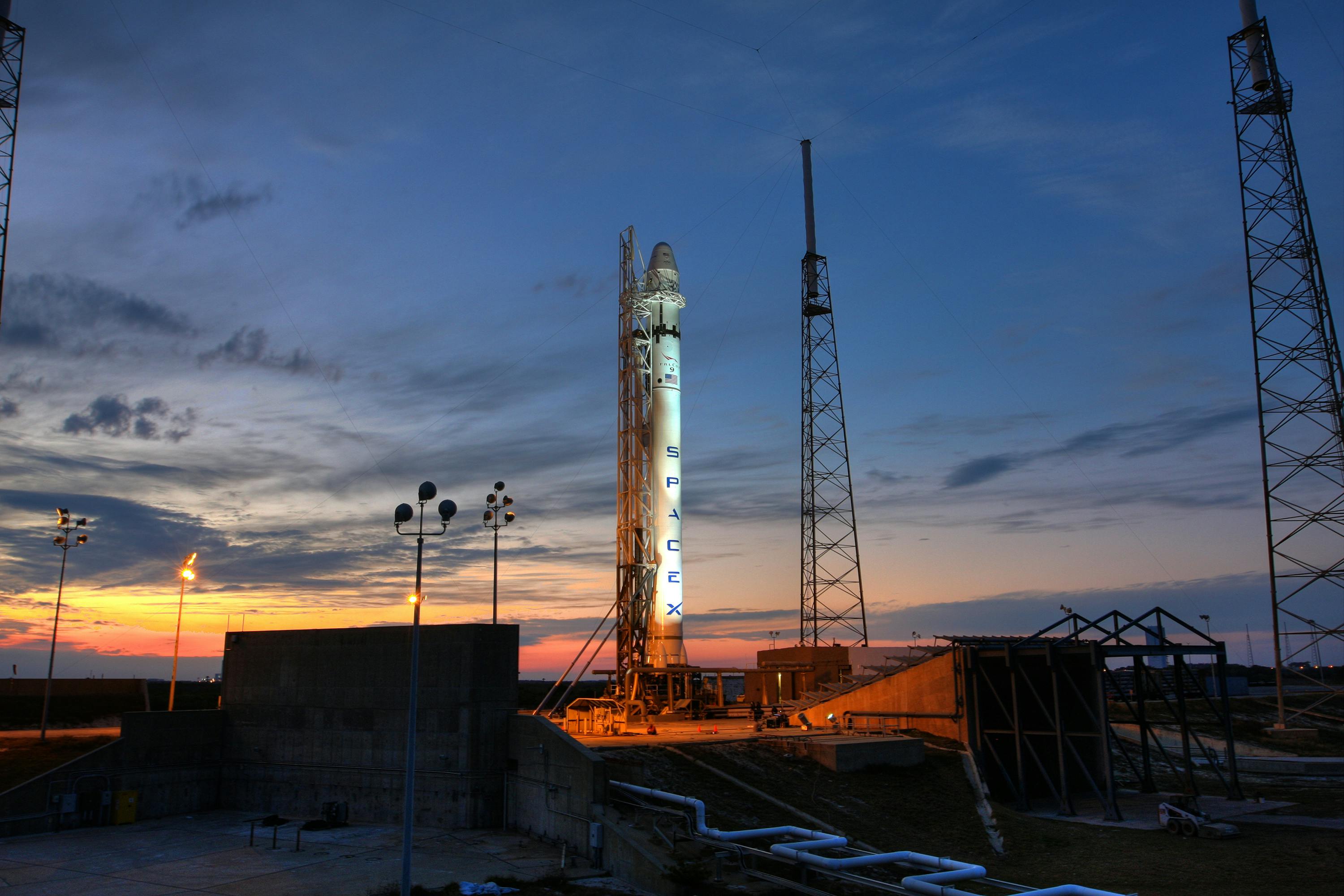
The satellite STARLINK-32571, also known as Starlink 32571, is a Starlink v2 Mini satellite launched on November 21, 2024, from the AFTSR Launch Complex 40 using a Falcon 9 launch vehicle. The spacecraft measures 0.3 meters in length with a diameter of 4.1 meters and spans 29 meters when deployed. It has a dry mass of 700 kilograms and a launch mass of 730 kilograms. Equipped with Ku/Ka/E-band payload, an optical inter-satellite link, solar arrays, batteries, and Argon ion thrusters for propulsion, the satellite is designed primarily for communication purposes as part of Starlink Group 6-66-24 constellation. The satellite was manufactured by SPXS and has a box-shaped body with deployable panels.

Starlink is a satellite constellation developed by SpaceX with the aim of providing global broadband internet coverage. Thousands of small satellites are deployed in low Earth orbit (LEO), enabling high-speed internet access even in remote areas. However, the rapid increase in satellites raises concerns about space debris and the potential for collisions, which can lead to further debris creation and endanger other spacecraft. Additionally, the sheer number of Starlink satellites can affect astronomical observations by increasing light pollution. Proper deorbiting plans and international coordination are essential to mitigate these challenges and ensure long-term sustainability in space.
Physical Characteristics

Length

0.3

Diameter

4.1

Span

29

Dry Mass

700

Launch Mass

730

Shape

Box + pan

Radar Cross Section

Unknown

Visual Magnitude

Unknown

Color

Unknown

Material Composition

Unknown

Technical Details

Payload

Starlink Group 6-66-24

Purpose

Communication

Mission

Communication

Manufacturer

SPXS

Life Expectancy

Unknown

Bus

Starlink V2M

Configuration

Starlink v2 Mini

Motor

Argon ion thrusters

Equipment

Ku/Ka/E-band payload, optical inter-satellite link

Power System

Solar arrays, batteries

ADCS

Unknown

Transmitter Frequency

Unknown

Map
This tool will help you track the satellite's position and predict its upcoming passes over your location. Simply input the coordinates or click the geolocation button to get started.
Next Pass
Azimuth Elevation Time (Local)
Start Azimuth
Max Elevation
Stop Azimuth
Time Until
Pass Duration

Satellite Articles

View All Posts »

Learn more about satellites and other related topics.

The Kessler Syndrome

The Kessler Syndrome

The Kessler Syndrome threatens humanity's future in space as cascading satellite collisions create exponential debris growth. With 36,000+ tracked objects and recent incidents accelerating risks, we face a critical juncture: implement solutions now or potentially lose access to low Earth orbit forever.

Space Force Awards $1.8B Andromeda Program to 14 Firms | KeepTrack Space Brief

Space Force Awards $1.8B Andromeda Program to 14 Firms | KeepTrack Space Brief

Space Force selects 14 companies for $1.8 billion Andromeda program to replace GSSAP geosynchronous surveillance satellites with commercial alternatives through 2036.

Starship Barge Spotted for Component Transport to Kennedy Space Center | KeepTrack X Report

Starship Barge Spotted for Component Transport to Kennedy Space Center | KeepTrack X Report

Starship transport barge identified for shipping components from Starbase to Kennedy Space Center. Starlink's 2025 report shows 4.6M new customers and expansion to 35 new regions.

X Report 8 May 2025

X Report 8 May 2025

SpaceX launches 28 more Starlink satellites while addressing conflicts of interest and expanding home connectivity with a new router.

Planet Delays Iran Imagery 14 Days Amid Regional Conflict | KeepTrack Space Brief

Planet Delays Iran Imagery 14 Days Amid Regional Conflict | KeepTrack Space Brief

Planet Labs institutes 14-day delay on imagery covering Iran and Gulf States. Commercial remote sensing faces new operational security pressures as conflict escalates.

X Report 16 Aug 2025

X Report 16 Aug 2025

SpaceX receives FAA approval for its 10th Starship test flight scheduled for August 24, while also making strides in construction at the Cape and contesting broadband funding in Virginia.

SpaceX Launches GPS Satellite Tonight, Starship V3 Targets Mid-March | KeepTrack X Report

SpaceX Launches GPS Satellite Tonight, Starship V3 Targets Mid-March | KeepTrack X Report

SpaceX to launch GPS III SV09 satellite for Space Force at 11:38 p.m. EST from Cape Canaveral. Musk confirms Starship V3 with Raptor V3 engines targets mid-March first flight.

Neil Gehrels Swift Observatory

Neil Gehrels Swift Observatory

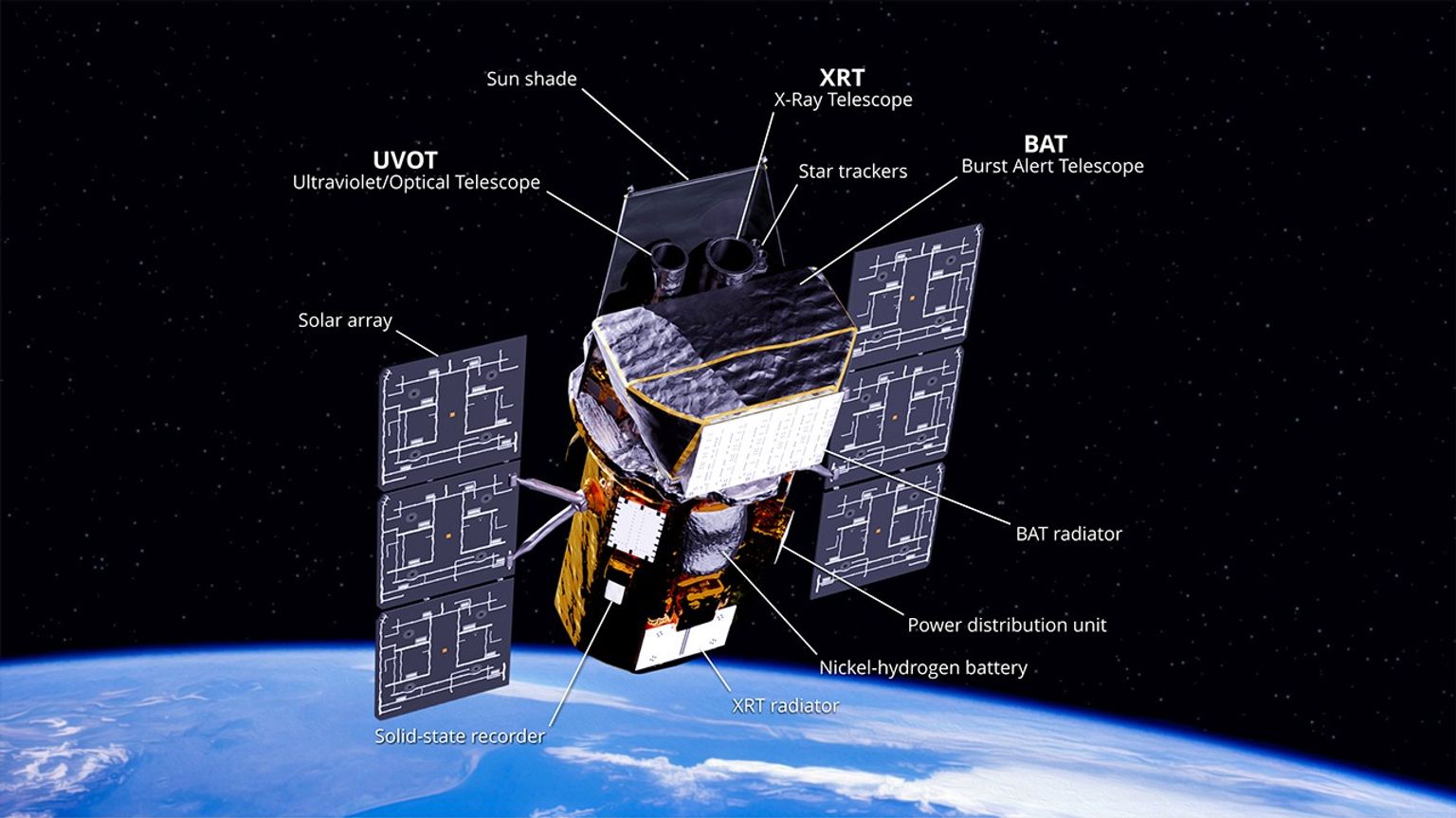
Designed for a two-year mission to catch gamma-ray bursts in the act, Swift is now 21 years old, slowly falling out of the sky, and the subject of an unprecedented private rescue mission. Nobody planned for it to be this hard to let go.