STARLINK-32492 (62050)

COSPAR: 2024-216U | Alt Name: Starlink 32492

Image
STARLINK-32492 Satellite Image
Additional Sources
Launch Details

Launch Date

November 21, 2024

Launch Pad

LC40

Launch Vehicle

Falcon 9

Orbital Elements

NORAD ID

62050

International Designator

2024-216U

Epoch

Mon, 20 Jul 2026 03:39:13 GMT

Apogee

Calculating...

Perigee

Calculating...

Inclination

43.00°

Right Ascension

235.20°

Eccentricity

Calculating...

Argument of Perigee

271.66°

Period

94.27 min

Mean Motion

15.28 rev/day

Latitude

Calculating...

Longitude

Calculating...

Altitude

Calculating...

Velocity

Calculating...

Polar Plot
3D Visualization
Basic Satellite Info

Name

STARLINK-32492

Alternative Name

Starlink 32492

Type

Payload

Status

Operational

Owner

SPXS

Country

United States

Constellation

N/A

Related Satellites

Major Events

N/A

Latest TLEs
1 62050U 24216U   26201.15223672 -.00001505  00000+0 -45227-4 0  9993
2 62050  43.0002 235.2026 0001291 271.6640  88.4064 15.27549630 94053

Source: Celestrak

Summary
The satellite STARLINK-32492, also known as Starlink 32492, is a Starlink v2 Mini spacecraft belonging to SpaceX (SPXS). Launched on November 21, 2024, from Cape Canaveral Air Force Station's Launch Complex 40 using a Falcon 9 launch vehicle, it has a dry mass of 700 kg and measures 0.3 meters in length with a diameter of 4.1 meters and a span of 29 meters. Equipped with Ku/Ka/E-band payload and an optical inter-satellite link, the satellite uses Argon ion thrusters for propulsion and solar arrays along with batteries for power. Its primary mission is communication as part of the Starlink Group 6-66-19 constellation.

Starlink is a satellite constellation developed by SpaceX with the aim of providing global broadband internet coverage. Thousands of small satellites are deployed in low Earth orbit (LEO), enabling high-speed internet access even in remote areas. However, the rapid increase in satellites raises concerns about space debris and the potential for collisions, which can lead to further debris creation and endanger other spacecraft. Additionally, the sheer number of Starlink satellites can affect astronomical observations by increasing light pollution. Proper deorbiting plans and international coordination are essential to mitigate these challenges and ensure long-term sustainability in space.
Physical Characteristics

Length

0.3

Diameter

4.1

Span

29

Dry Mass

700

Launch Mass

730

Shape

Box + pan

Radar Cross Section

Unknown

Visual Magnitude

Unknown

Color

Unknown

Material Composition

Unknown

Technical Details

Payload

Starlink Group 6-66-19

Purpose

Communication

Mission

Communication

Manufacturer

SPXS

Life Expectancy

Unknown

Bus

Starlink V2M

Configuration

Starlink v2 Mini

Motor

Argon ion thrusters

Equipment

Ku/Ka/E-band payload, optical inter-satellite link

Power System

Solar arrays, batteries

ADCS

Unknown

Transmitter Frequency

Unknown

Map
This tool will help you track the satellite's position and predict its upcoming passes over your location. Simply input the coordinates or click the geolocation button to get started.
Next Pass
Azimuth Elevation Time (Local)
Start Azimuth
Max Elevation
Stop Azimuth
Time Until
Pass Duration

Satellite Articles

View All Posts »

Learn more about satellites and other related topics.

FCC Approves 7,500 More Starlink Satellites, SpaceX Wins $739M Launch Contract | KeepTrack X Report

FCC Approves 7,500 More Starlink Satellites, SpaceX Wins $739M Launch Contract | KeepTrack X Report

FCC approves 7,500 additional Starlink Gen2 satellites. Space Force awards SpaceX $739M for nine national security launches. NASA plans Crew-11 medical evacuation from ISS on January 14.

X Report 20 Jan 2025

X Report 20 Jan 2025

SpaceX continues to push forward with its ambitious plans as the FAA investigates Starship debris reports, while Starlink maintains robust satellite operations.

The Day We Banned the Word "Film"

The Day We Banned the Word "Film"

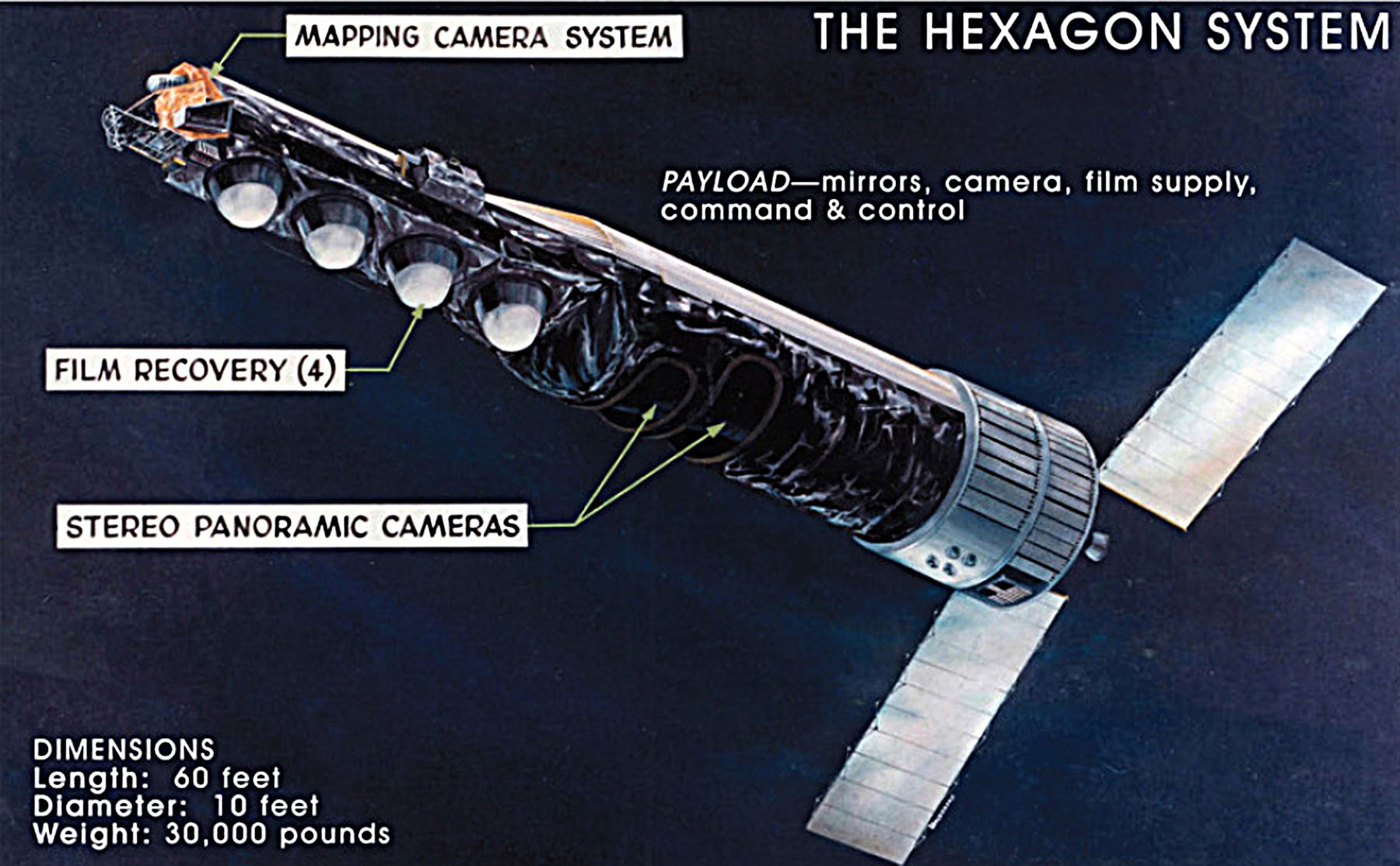
On January 20, 1972, the second KH-9 HEXAGON lifted off from Vandenberg - carrying the most sophisticated reconnaissance system ever built by engineers who weren't allowed to say 'film,' 'camera,' or even talk to each other about what they were doing.

Space Brief 7 Oct 2025

Space Brief 7 Oct 2025

Explore the latest in satellite communications with Cubic's new terminals, strategic acquisitions by Firefly, China's IoT satellite achievements, and key military updates.

Space Brief 15 Jan 2025

Space Brief 15 Jan 2025

Focus on Varda's second mission launch, new U.S. Defense Department tool for satellite anomaly investigation, and a detailed Satellite Spotlight on CELESTIS 21/Varisat 1C.

Space Brief 31 Dec 2024

Space Brief 31 Dec 2024

Today's Space Brief highlights the latest developments in China's megaconstellation funding, Russia's nuclear posturing in Europe, and other significant military activities.

Kulasekarapattinam SSLV Launch Complex

Kulasekarapattinam SSLV Launch Complex

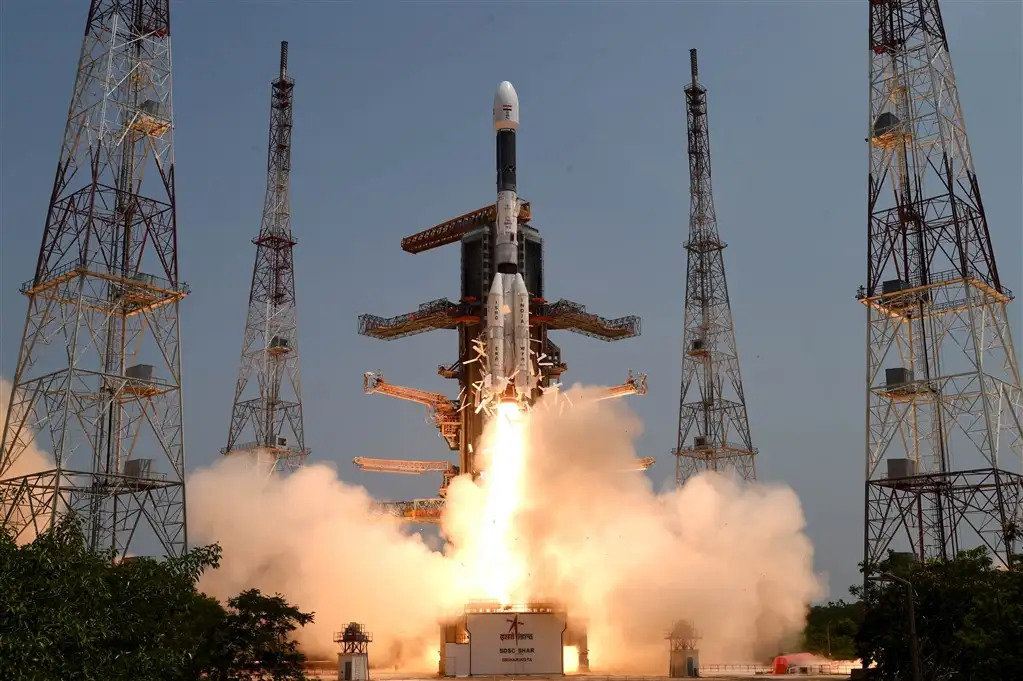
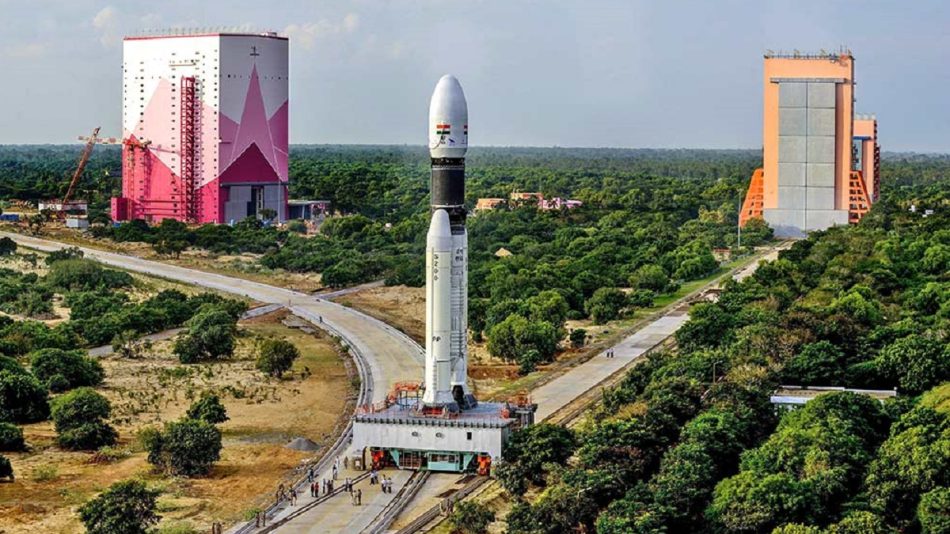
India's second spaceport solves a geometry problem. How ISRO is building a dedicated small satellite facility that eliminates the costly dogleg maneuvers plaguing polar launches from Sriharikota.

The Telescope That Needed Glasses

The Telescope That Needed Glasses

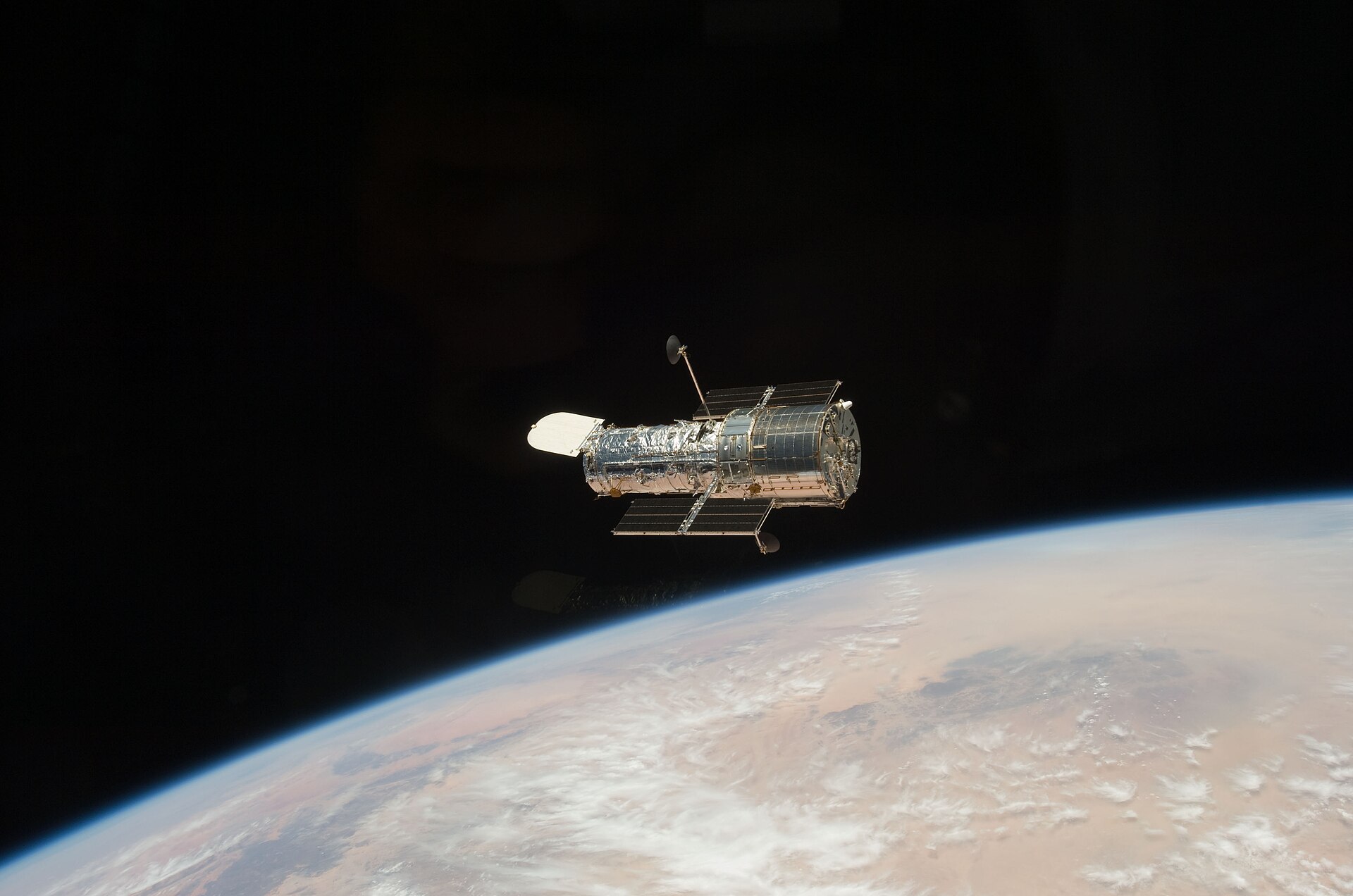
On April 25, 1990, the Space Shuttle Discovery's robotic arm lifted a 11,110-kilogram barrel of mirrors and instruments out of the payload bay and released it into orbit. Six weeks later, the first images came back badly out of focus. The Hubble Space Telescope had been ground to the wrong prescription, and America had just spent $2.5 billion on what the press was calling a 'technoturkey.'