


Four Raptors Fail, Starship 13 Scrubbed at T-0, X Report 18 Jul 2026
Four Raptor engines failed to ignite at T-0, scrubbing Starship Flight 13 on July 16; SpaceX now targets July 20 for next attempt.



NORAD ID
62023
International Designator
2024-213R
Epoch
Sun, 19 Jul 2026 22:01:20 GMT
Apogee
Calculating...
Perigee
Calculating...
Inclination
53.16°
Right Ascension
273.64°
Eccentricity
Calculating...
Argument of Perigee
82.34°
Period
94.11 min
Mean Motion
15.30 rev/day
Latitude
Calculating...
Longitude
Calculating...
Altitude
Calculating...
Velocity
Calculating...
Name
STARLINK-32334
Alternative Name
Starlink 32334
Type
Status
Owner
SPXS
Country
United States
Constellation
N/A
Related Satellites
Major Events
N/A
1 62023U 24213R 26200.91759347 .00005577 00000+0 20026-3 0 9996
2 62023 53.1581 273.6433 0000903 82.3407 277.7697 15.30201139 93408
Source: Celestrak
Length
0.3
Diameter
4.1
Span
29
Dry Mass
700
Launch Mass
730
Shape
Box + pan
Radar Cross Section
Unknown
Visual Magnitude
Unknown
Color
Unknown
Material Composition
Unknown
Payload
Starlink Group 9-12-16
Purpose
Unknown
Mission
Unknown
Manufacturer
SPXS
Life Expectancy
Unknown
Bus
Starlink V2M
Configuration
Unknown
Motor
Unknown
Equipment
Unknown
Power System
Unknown
ADCS
Unknown
Transmitter Frequency
Unknown
Learn more about satellites and other related topics.
Four Raptor engines failed to ignite at T-0, scrubbing Starship Flight 13 on July 16; SpaceX now targets July 20 for next attempt.

Twelve years ago, South Korea successfully launched a satellite using its own launch vehicle and facilities for the first time, marking a crucial milestone in its journey to space independence
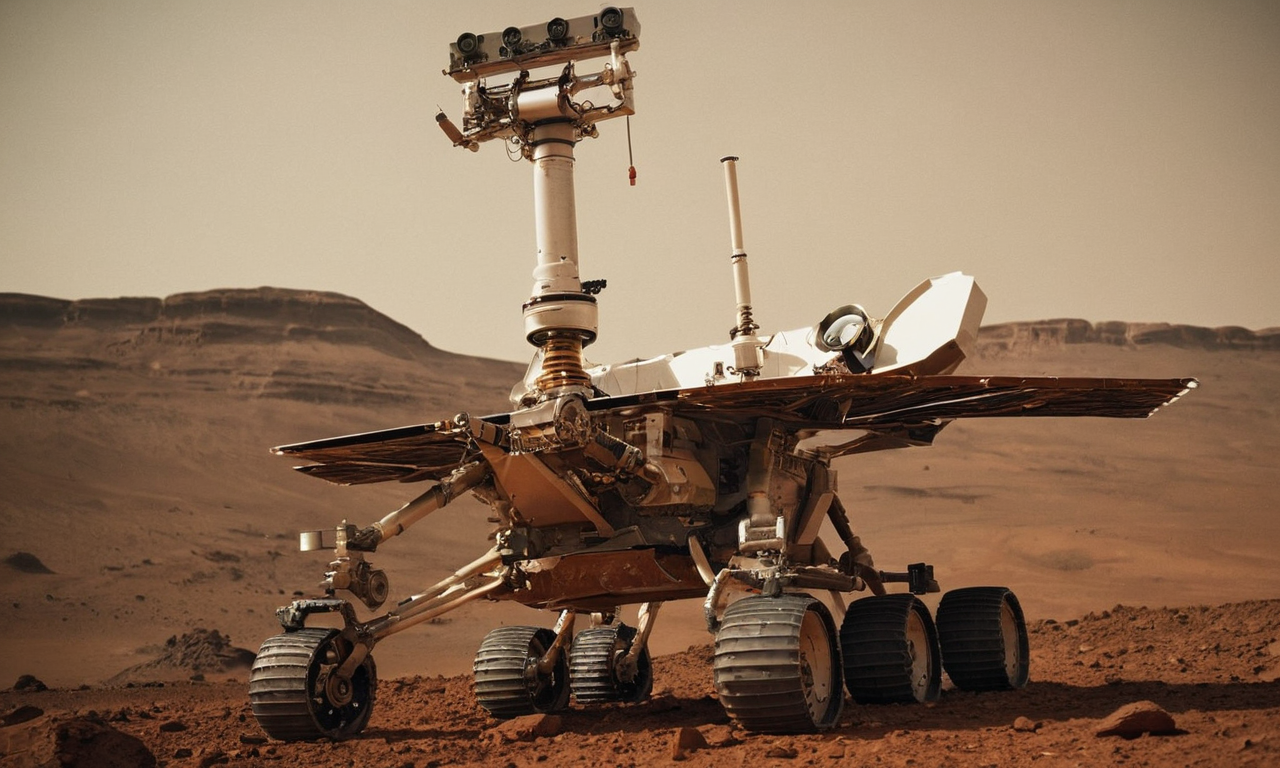
Twenty-one years ago, a golf cart-sized rover bounced to a stop inside a small crater on Mars, beginning one of the most remarkable chapters in space exploration history
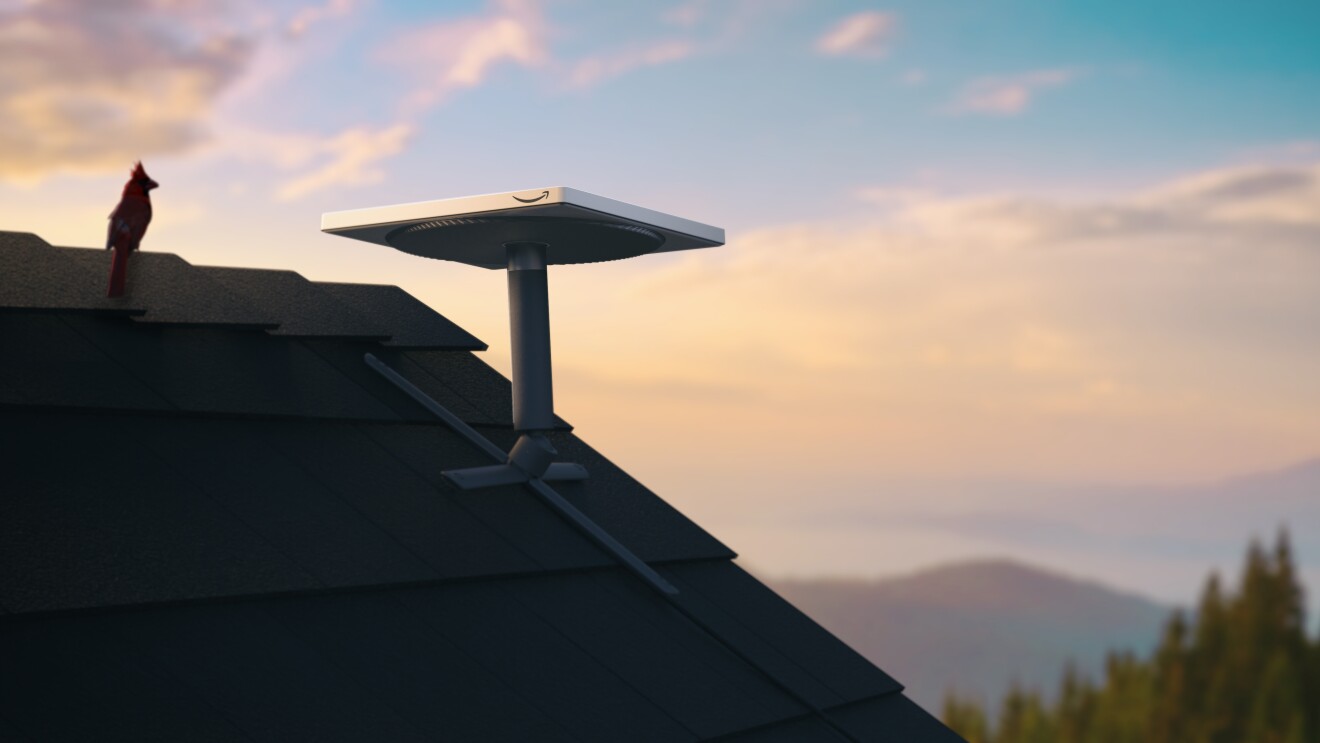
SpaceX awarded $2.29 billion to build Space Force's LEO communications backbone, integrating with SDA Transport layer satellites for military tactical data relay through space.

Today's highlights include Pulsar Fusion's groundbreaking nuclear rocket plans, partnerships for the Haven-1 space station, and a spotlight on military collaboration in quantum technology.
Explore the latest developments in international defense collaborations, aerospace advancements, and emerging military trends shaping our orbital environments.

Today's brief covers developments involving Space Force officials, Sierra Space's satellite milestone, and Voyager Space's rebranding for national security focus. Additionally, we spotlight the Cosmos 447 satellite.
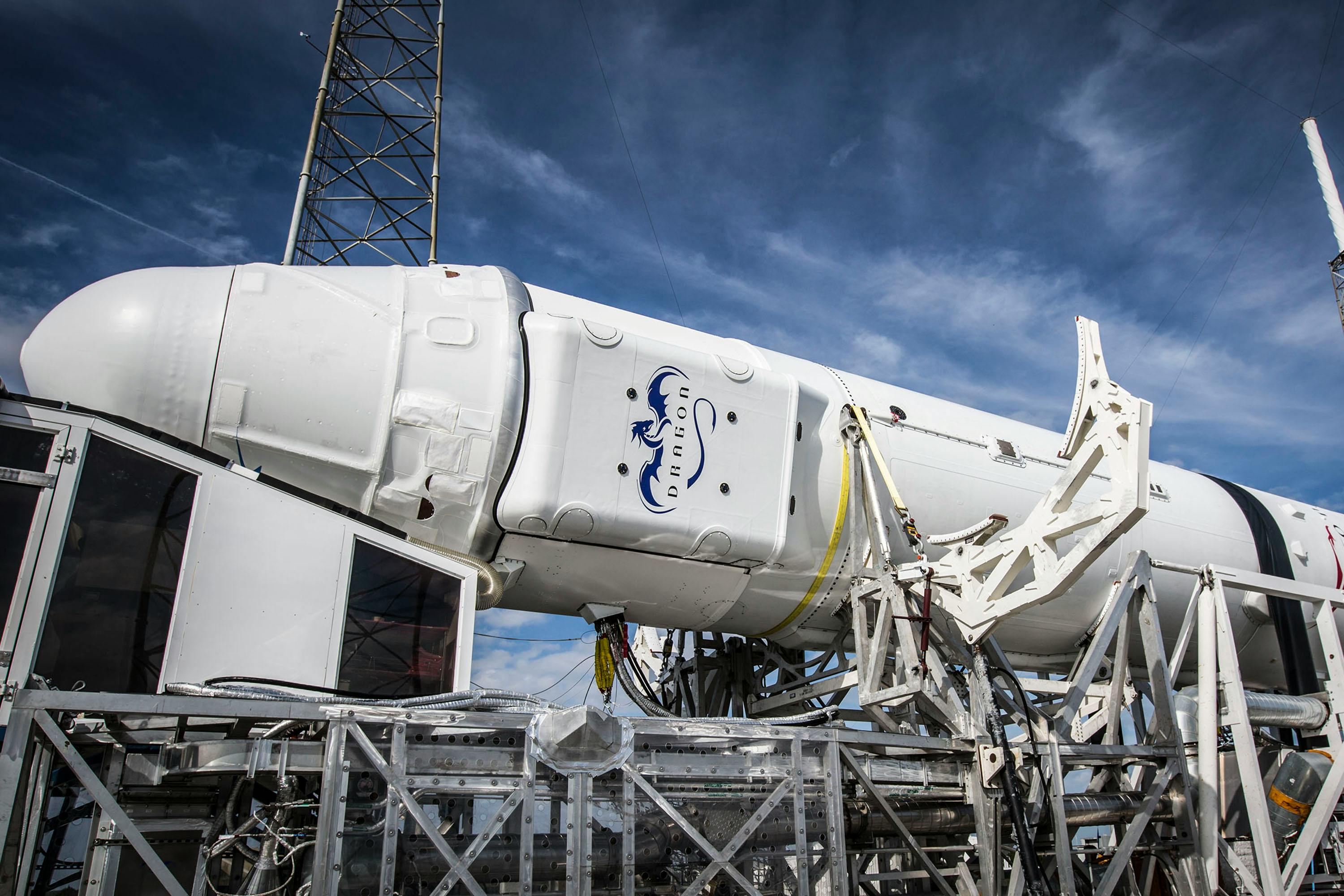
A second Starlink satellite malfunction in just over three months has generated on-orbit debris, raising fresh questions about SpaceX's 10,151-strong working constellation.