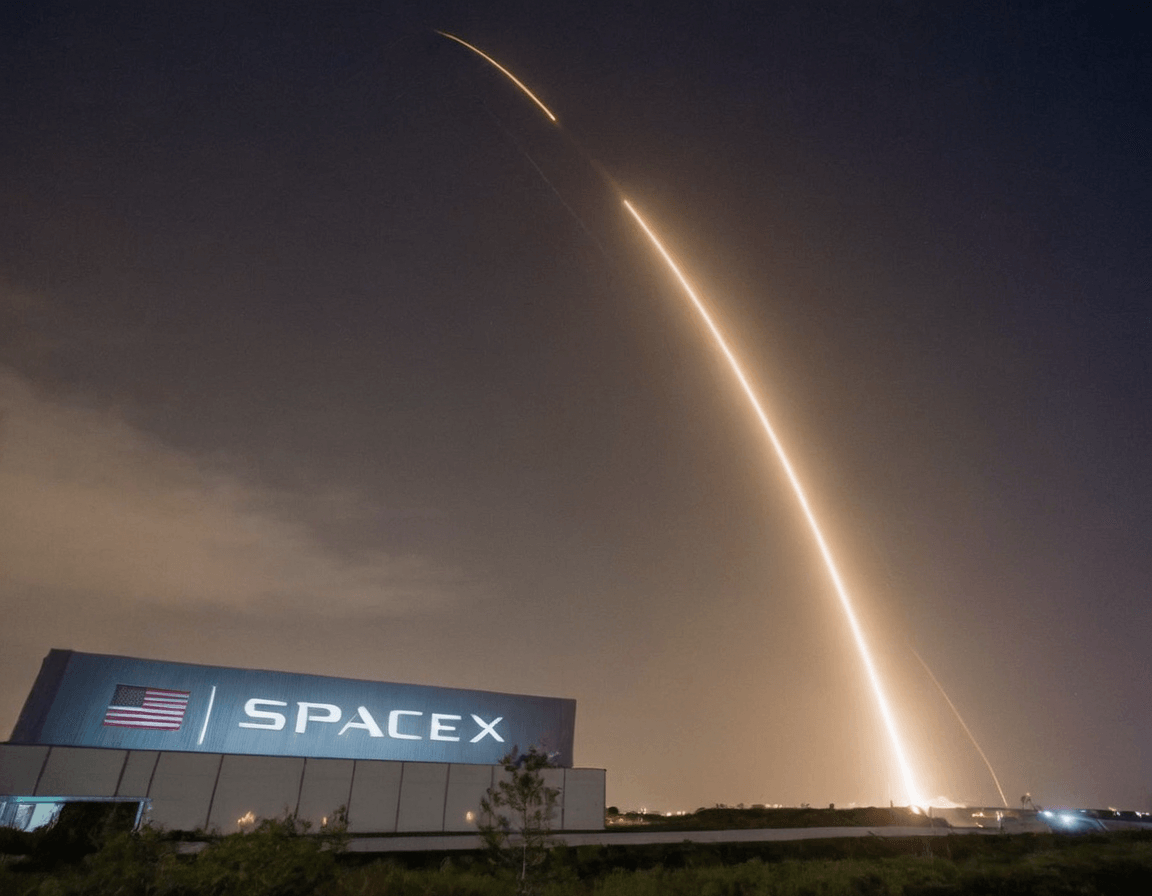
STARLINK-11343 [DTC] (62017)

COSPAR: 2024-213K | Alt Name: Starlink 11343

Image
STARLINK-11343 [DTC] Satellite Image
Additional Sources
Launch Details

Launch Date

November 18, 2024

Launch Site

AFWTR

Launch Pad

SLC4E

Launch Vehicle

Falcon 9

Orbital Elements

NORAD ID

62017

International Designator

2024-213K

Epoch

Sun, 19 Jul 2026 17:45:22 GMT

Apogee

Calculating...

Perigee

Calculating...

Inclination

53.16°

Right Ascension

110.42°

Eccentricity

Calculating...

Argument of Perigee

90.45°

Period

91.73 min

Mean Motion

15.70 rev/day

Latitude

Calculating...

Longitude

Calculating...

Altitude

Calculating...

Velocity

Calculating...

Polar Plot
3D Visualization
Basic Satellite Info

Name

STARLINK-11343 [DTC]

Alternative Name

Starlink 11343

Type

Payload

Status

Operational

Owner

SPXS

Country

United States

Constellation

N/A

Related Satellites

Major Events

N/A

Latest TLEs
1 62017U 24213K   26200.73984624  .00149041  00000+0  12111-2 0  9997
2 62017  53.1576 110.4174 0001549  90.4513 269.6682 15.69749711 95658

Source: Celestrak

Summary
The STARLINK-11343 [DTC] satellite, also known as Starlink 11343, is a member of the Starlink V2M series manufactured by SpaceX (SPXS). It was launched on November 18, 2024, from AFWTR SLC4E using a Falcon 9 launch vehicle. The satellite has dimensions of approximately 0.3 meters in length and 4.1 meters in diameter with a span of 29 meters, indicating the presence of deployable structures such as solar panels or antennas. Its dry mass is 700 kilograms, while its launch mass was 730 kilograms. The satellite's shape consists of a box configuration complemented by a pan-like element. It is part of SpaceX's Starlink Group 9-12-10 payload and operates under the ownership of SpaceX for unspecified purposes within the constellation.

Starlink is a satellite constellation developed by SpaceX with the aim of providing global broadband internet coverage. Thousands of small satellites are deployed in low Earth orbit (LEO), enabling high-speed internet access even in remote areas. However, the rapid increase in satellites raises concerns about space debris and the potential for collisions, which can lead to further debris creation and endanger other spacecraft. Additionally, the sheer number of Starlink satellites can affect astronomical observations by increasing light pollution. Proper deorbiting plans and international coordination are essential to mitigate these challenges and ensure long-term sustainability in space.
Physical Characteristics

Length

0.3

Diameter

4.1

Span

29

Dry Mass

700

Launch Mass

730

Shape

Box + pan

Radar Cross Section

Unknown

Visual Magnitude

Unknown

Color

Unknown

Material Composition

Unknown

Technical Details

Payload

Starlink Group 9-12-10

Purpose

Unknown

Mission

Unknown

Manufacturer

SPXS

Life Expectancy

Unknown

Bus

Starlink V2M

Configuration

Unknown

Motor

Unknown

Equipment

Unknown

Power System

Unknown

ADCS

Unknown

Transmitter Frequency

Unknown

Map
This tool will help you track the satellite's position and predict its upcoming passes over your location. Simply input the coordinates or click the geolocation button to get started.
Next Pass
Azimuth Elevation Time (Local)
Start Azimuth
Max Elevation
Stop Azimuth
Time Until
Pass Duration

Satellite Articles

View All Posts »

Learn more about satellites and other related topics.

The Moon Landing That Almost Didn't Happen

The Moon Landing That Almost Didn't Happen

Six hours behind schedule, with a backup engine system shuddering in lunar orbit and mission controllers in Houston running out of options, Apollo 16 came within one meeting of being sent home without landing. The problem was a wobble in a gimbal. The solution was math done under pressure.

Space Brief 22 Nov 2025

Space Brief 22 Nov 2025

Today's brief covers Blue Origin's national security mission, a new missile interceptor project by Space Force, developments with Starship boosters, and more.

X Report 28 Aug 2025

X Report 28 Aug 2025

SpaceX continues to break records with the Falcon 9's 30th flight while Starship's successful test flight propels the program forward after recent challenges.

Space Brief 14 Dec 2024

Space Brief 14 Dec 2024

Today’s Space Brief covers significant developments such as SpaceX’s latest Starlink launch, the US Space Force testing modular satellite technology, and key long-range missile tests by the Pentagon.

X Report 4 Dec 2025

X Report 4 Dec 2025

SpaceX successfully launched another batch of Starlink satellites and received approval for a new Starship launch site, while facing challenges with crew assignments on upcoming missions.

X Report 6 May 2025

X Report 6 May 2025

SpaceX prepares for its 250th mission from SLC-40, while Starlink experiences a surge during a crisis in Spain and Portugal. Additionally, SpaceX celebrates the official designation of Starbase City, aiming to boost launch capabilities.

Space Brief 24 Apr 2025

Space Brief 24 Apr 2025

Today's brief covers South Korea's fourth spy satellite launch, potential changes in drone deployment strategies by the US Air Force, and the largest-ever spectrum-sharing demonstration set by the Pentagon.

SpaceX Resumes Falcon 9 Launches After Investigating Upper Stage Anomaly

SpaceX Resumes Falcon 9 Launches After Investigating Upper Stage Anomaly

SpaceX successfully returns to flight with a Starlink mission, detailing the cause of the July 11 anomaly and implementing fixes to prevent future incidents.