


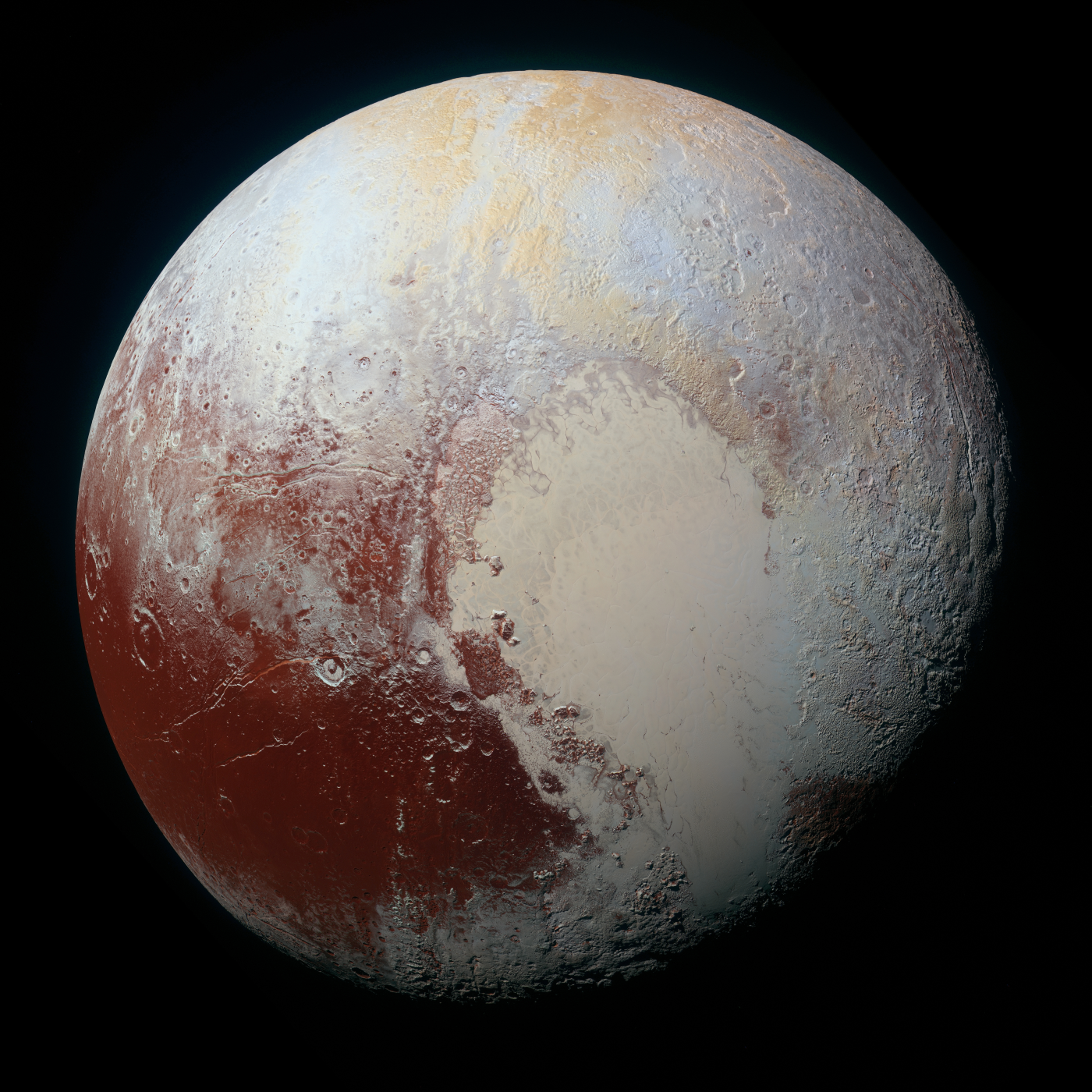
The Day a Farm Boy Found a New World
Ninety-five years ago, a 24-year-old astronomer with no college degree made one of astronomy's most remarkable discoveries, finding a new planet that would challenge our understanding of the solar system



Launch Date
November 11, 2024
Launch Site
Launch Pad
LC40
Launch Vehicle
NORAD ID
61930
International Designator
2024-207U
Epoch
Mon, 20 Jul 2026 04:19:10 GMT
Apogee
Calculating...
Perigee
Calculating...
Inclination
43.00°
Right Ascension
250.12°
Eccentricity
Calculating...
Argument of Perigee
272.50°
Period
94.27 min
Mean Motion
15.28 rev/day
Latitude
Calculating...
Longitude
Calculating...
Altitude
Calculating...
Velocity
Calculating...
Name
STARLINK-32567
Alternative Name
Starlink 32567
Type
Status
Owner
SPXS
Country
United States
Constellation
N/A
Related Satellites
Major Events
N/A
1 61930U 24207U 26201.17998795 .00003730 00000+0 14501-3 0 9996
2 61930 43.0004 250.1235 0001508 272.5043 87.5636 15.27578121 95612
Source: Celestrak
Length
0.3
Diameter
4.1
Span
29
Dry Mass
700
Launch Mass
730
Shape
Box + pan
Radar Cross Section
Unknown
Visual Magnitude
Unknown
Color
Unknown
Material Composition
Unknown
Payload
Starlink Group 6-69-19
Purpose
Communication
Mission
Communication
Manufacturer
SPXS
Life Expectancy
Unknown
Bus
Starlink V2M
Configuration
Starlink v2 Mini
Motor
Argon ion thrusters
Equipment
Ku/Ka/E-band payload, optical inter-satellite link
Power System
Solar arrays, batteries
ADCS
Unknown
Transmitter Frequency
Unknown
Learn more about satellites and other related topics.
Ninety-five years ago, a 24-year-old astronomer with no college degree made one of astronomy's most remarkable discoveries, finding a new planet that would challenge our understanding of the solar system
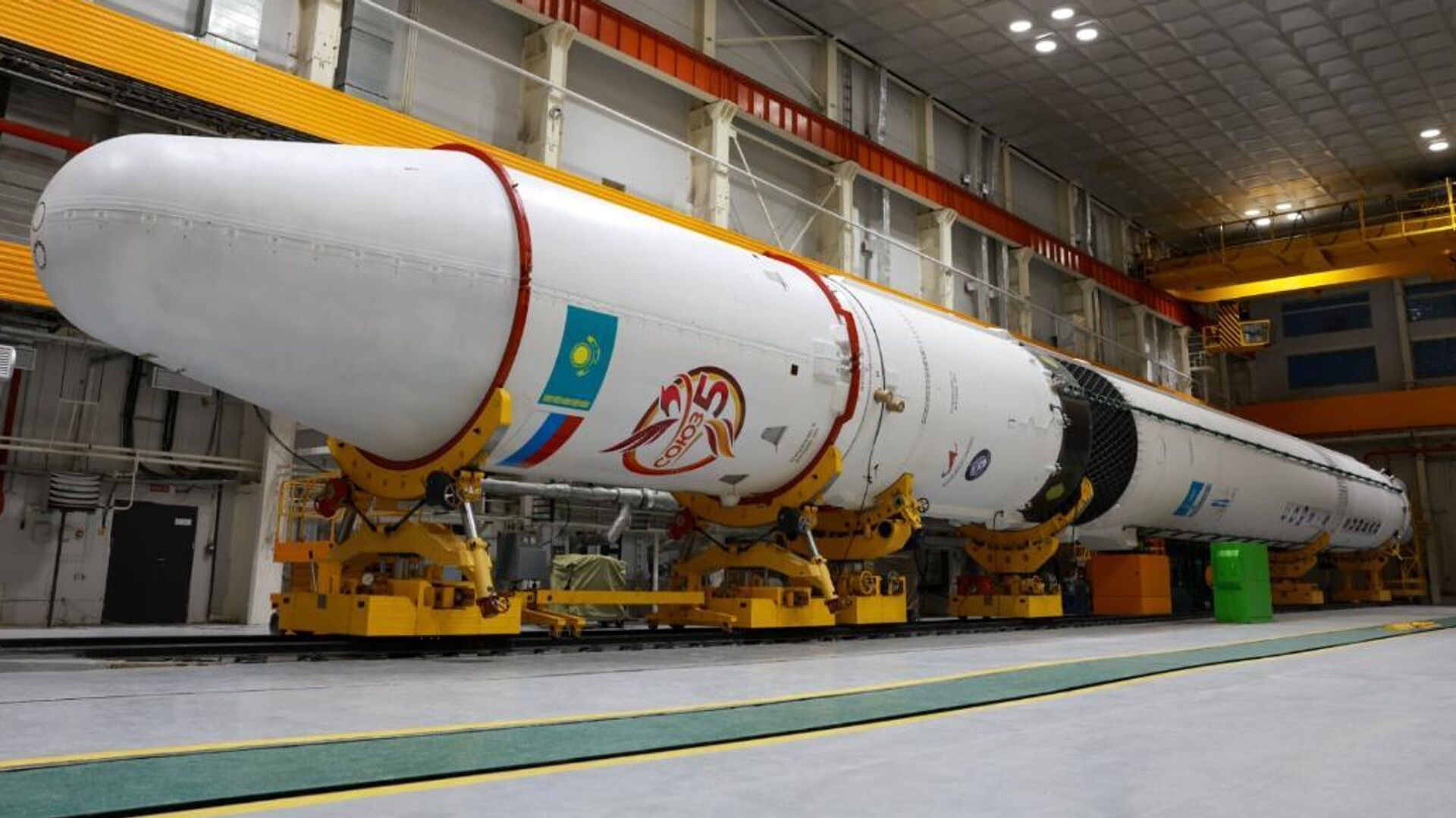
NASA's Artemis 2 launches April 1 with Commander Reid Wiseman and 3 crew members for first crewed lunar flyby since Apollo 17 in 1972.
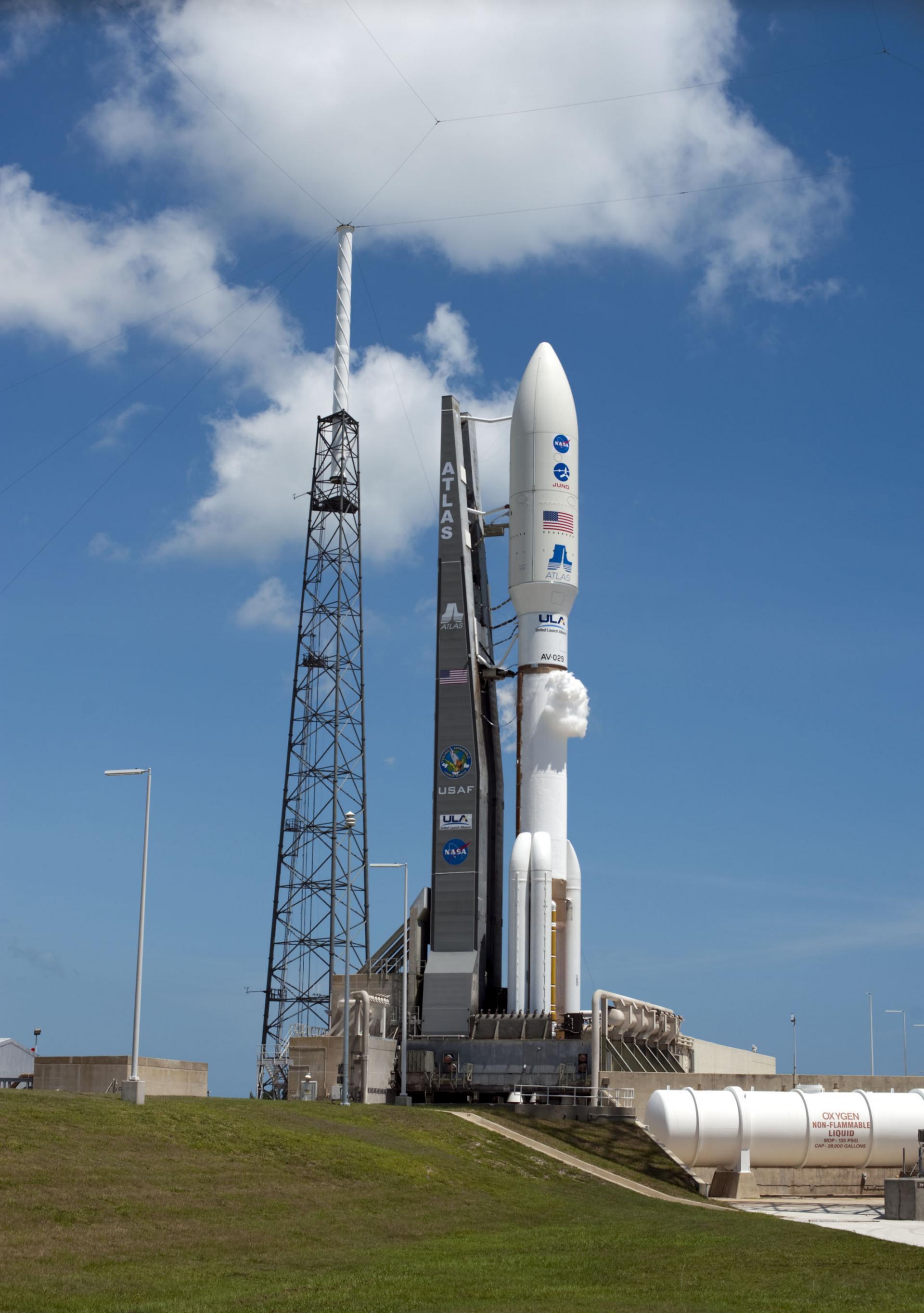
Today's brief covers closer military and intelligence space integration, new satellite servicing advancements, and more insightful defense and space news.
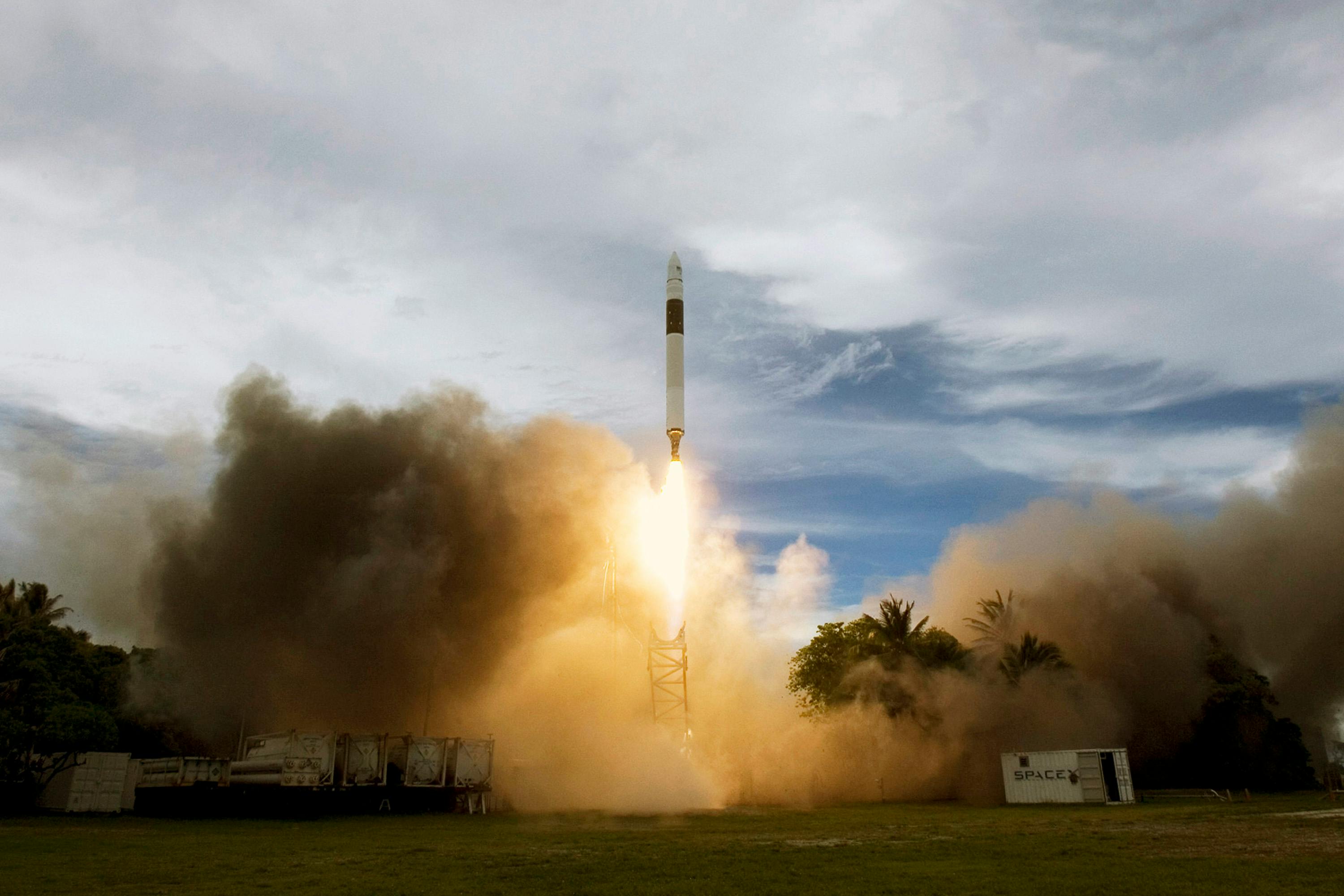
SpaceX faces a series of challenges with scrubbing the Starship Flight 8 launch and losing a Falcon 9 booster post-landing, while successfully deploying new Starlink satellites.

Four Raptor engines failed to ignite at T-0, scrubbing Starship Flight 13 on July 16; SpaceX now targets July 20 for next attempt.
SpaceX celebrated Star Wars Day with a successful launch of Starlink satellites, furthering its mission to enhance global internet access. Lego also revealed a new collectible set tied to the franchise.

In today's update, SpaceX successfully launched 28 Starlink satellites from Vandenberg, while Italy grapples with its satellite strategy amid rising reliance on Starlink services.
Today's highlights include China's remote-sensing satellite launch, U.S. Space Force's investment in missile-tracking satellites, and NASA's MAVEN milestone on Mars.