

Space Brief 23 Feb 2025
SpaceX launches Starlink satellites from both coasts, while first 3D atmospheric map of an exoplanet reveals extreme weather patterns, and Starlink missions push total count over 8,000 satellites.



Launch Date
July 12, 1963
Launch Site
AFWTR
Launch Pad
LC2-3
Launch Vehicle
Atlas Agena D
NORAD ID
00619
International Designator
1963-028B
Decay Date
7/13/1963
Name
ATLAS AGENA D DEB
Alternative Name
AFP-206 sensor cover
Type
Status
Owner
SAFSP
Country
United States
Constellation
N/A
Related Satellites
Major Events
N/A
Length
0
Diameter
0
Span
0
Dry Mass
0
Launch Mass
0
Shape
N/A
Radar Cross Section
Unknown
Visual Magnitude
Unknown
Color
Unknown
Material Composition
Unknown
Payload
Unknown
Purpose
Unknown
Mission
Unknown
Manufacturer
Unknown
Life Expectancy
Unknown
Bus
Unknown
Configuration
Unknown
Motor
Unknown
Equipment
Unknown
Power System
Unknown
ADCS
Unknown
Transmitter Frequency
Unknown
Learn more about satellites and other related topics.
SpaceX launches Starlink satellites from both coasts, while first 3D atmospheric map of an exoplanet reveals extreme weather patterns, and Starlink missions push total count over 8,000 satellites.

Trump seeks Musk's help to restore internet in Iran via Starlink. China files for 200,000-satellite constellation. Sweden allocates $1.6B for air defense and $140M for space capabilities.

SpaceX celebrates 300 successful booster landings, further solidifying its dominance in reusable rocket technology.

Explore a comprehensive breakdown of satellite counts by country, detailing the USA, Russia, China, and others.
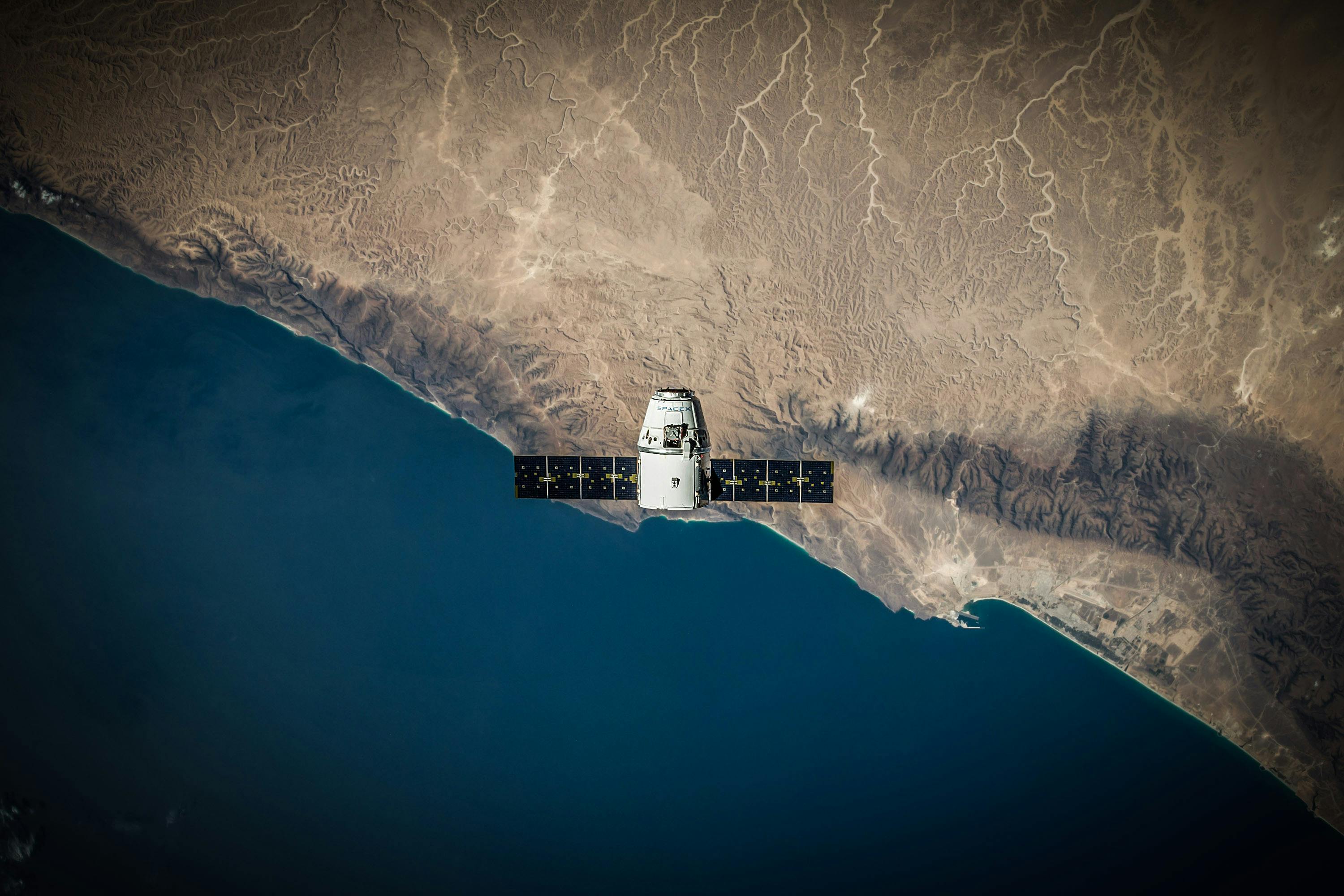
On December 14, 2025, SpaceX achieved a significant milestone with its 550th booster landing following the launch of 27 new Starlink satellites, while exploring potential IPO strategies to fund future projects.

SpaceX gears up for a series of launches, including Starlink deployments, lunar missions, and updates on the Starship program.

SpaceX continues its historic launch cadence, includes Starlink expansion and business strategies in focus.

Artemis 2's four-person crew splashed down April 10 after first crewed lunar flyby since Apollo 17. Orion performance data critical for Artemis 3 south pole landing planning.