


X Report 11 Mar 2025
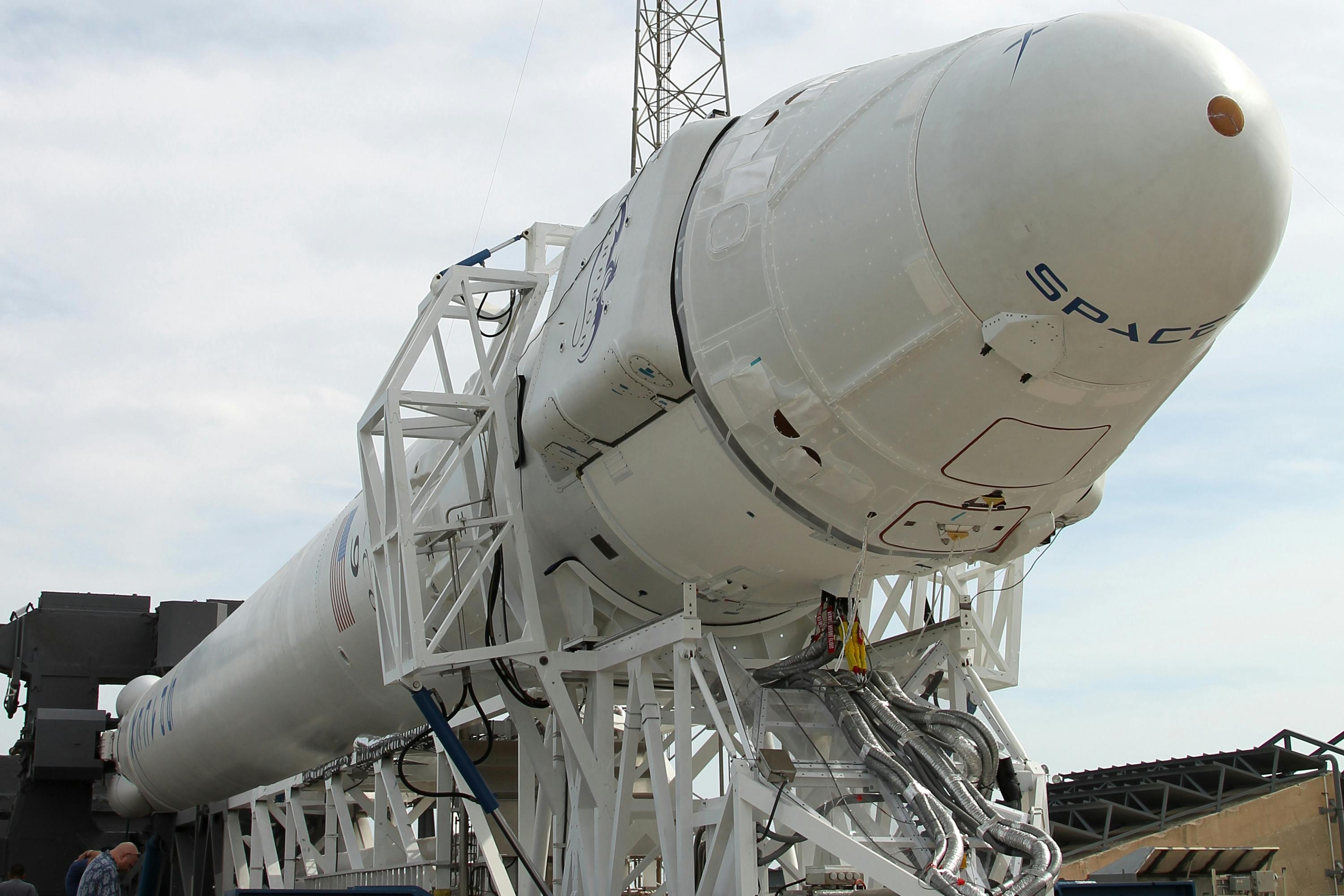
A week of highs and lows for SpaceX, including weather-related delays and a return to Falcon launches.


![STARLINK-11398 [DTC] Satellite Image](/images/sat/starlink.jpg)
NORAD ID
61882
International Designator
2024-204J
Epoch
Sun, 19 Jul 2026 19:01:09 GMT
Apogee
Calculating...
Perigee
Calculating...
Inclination
53.16°
Right Ascension
64.99°
Eccentricity
Calculating...
Argument of Perigee
95.03°
Period
91.74 min
Mean Motion
15.70 rev/day
Latitude
Calculating...
Longitude
Calculating...
Altitude
Calculating...
Velocity
Calculating...
Name
STARLINK-11398 [DTC]
Alternative Name
Starlink 11398
Type
Status
Owner
SPXS
Country
United States
Constellation
N/A
Related Satellites
Major Events
N/A
1 61882U 24204J 26200.79247198 .00000581 00000+0 96559-5 0 9996
2 61882 53.1583 64.9859 0000981 95.0303 265.0827 15.69707482 97668
Source: Celestrak
Length
0.3
Diameter
4.1
Span
29
Dry Mass
700
Launch Mass
730
Shape
Box + pan
Radar Cross Section
Unknown
Visual Magnitude
Unknown
Color
Unknown
Material Composition
Unknown
Payload
Starlink Group 9-10-09
Purpose
Unknown
Mission
Unknown
Manufacturer
SPXS
Life Expectancy
Unknown
Bus
Starlink V2M
Configuration
Unknown
Motor
Unknown
Equipment
Unknown
Power System
Unknown
ADCS
Unknown
Transmitter Frequency
Unknown
Learn more about satellites and other related topics.
A week of highs and lows for SpaceX, including weather-related delays and a return to Falcon launches.

SpaceX marks a successful launch of 21 Starlink satellites, follows up after Starship explosion, and influences Qantas flights amid a busy operational schedule.

Today's Space Brief covers China's latest satellite launch, Russian threats to UK satellites, European defense strategies, and upcoming satellite launches from SatLeo and Quantum Space.
SpaceX launches its 32nd cargo mission to the ISS, and NRO marks a milestone with over 200 satellites deployed.
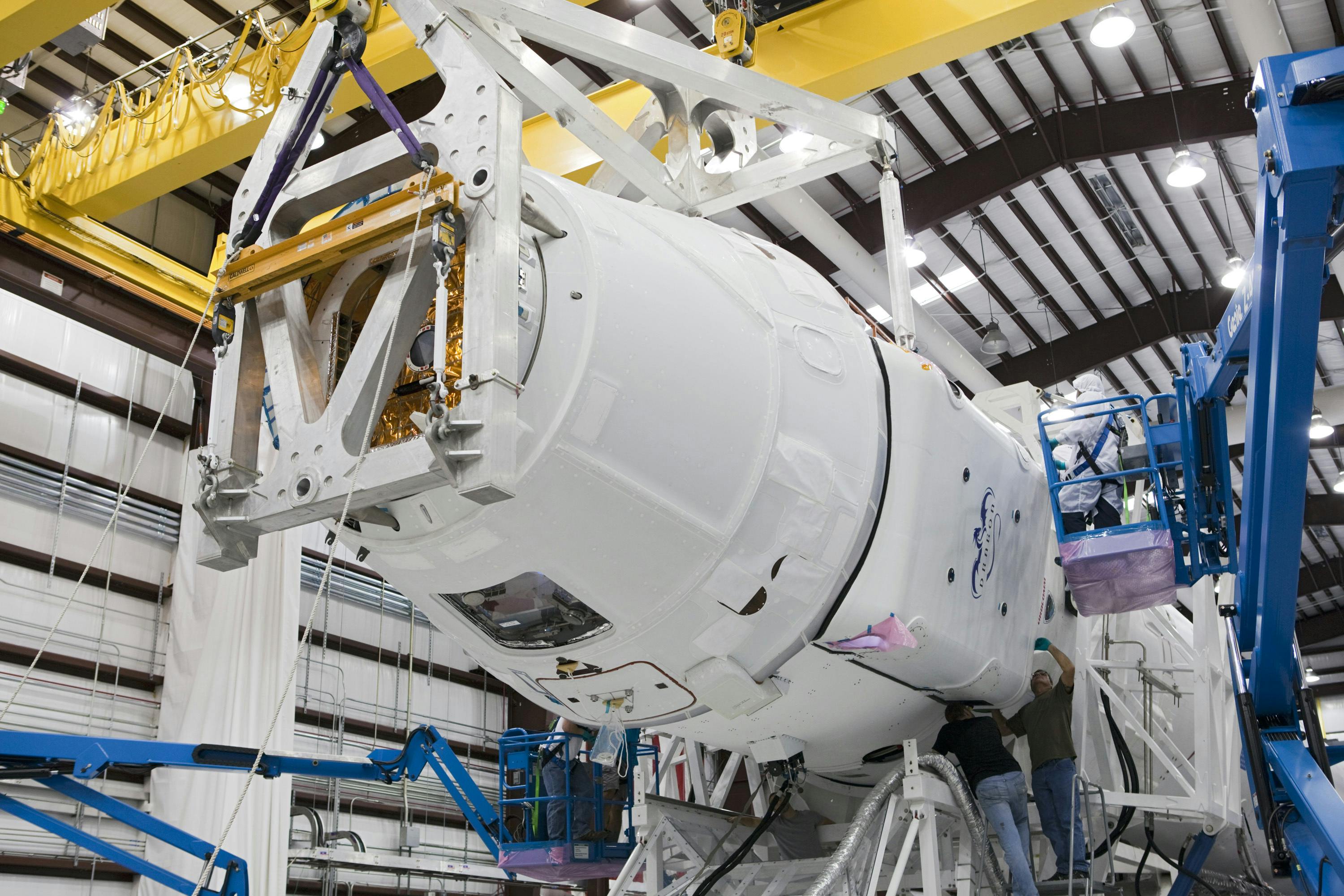
SpaceX hit 50 launches in 2026 on April 26. Falcon Heavy's ViaSat-3 mission, only its 12th flight, scrubbed on weather at Kennedy; new date pending.
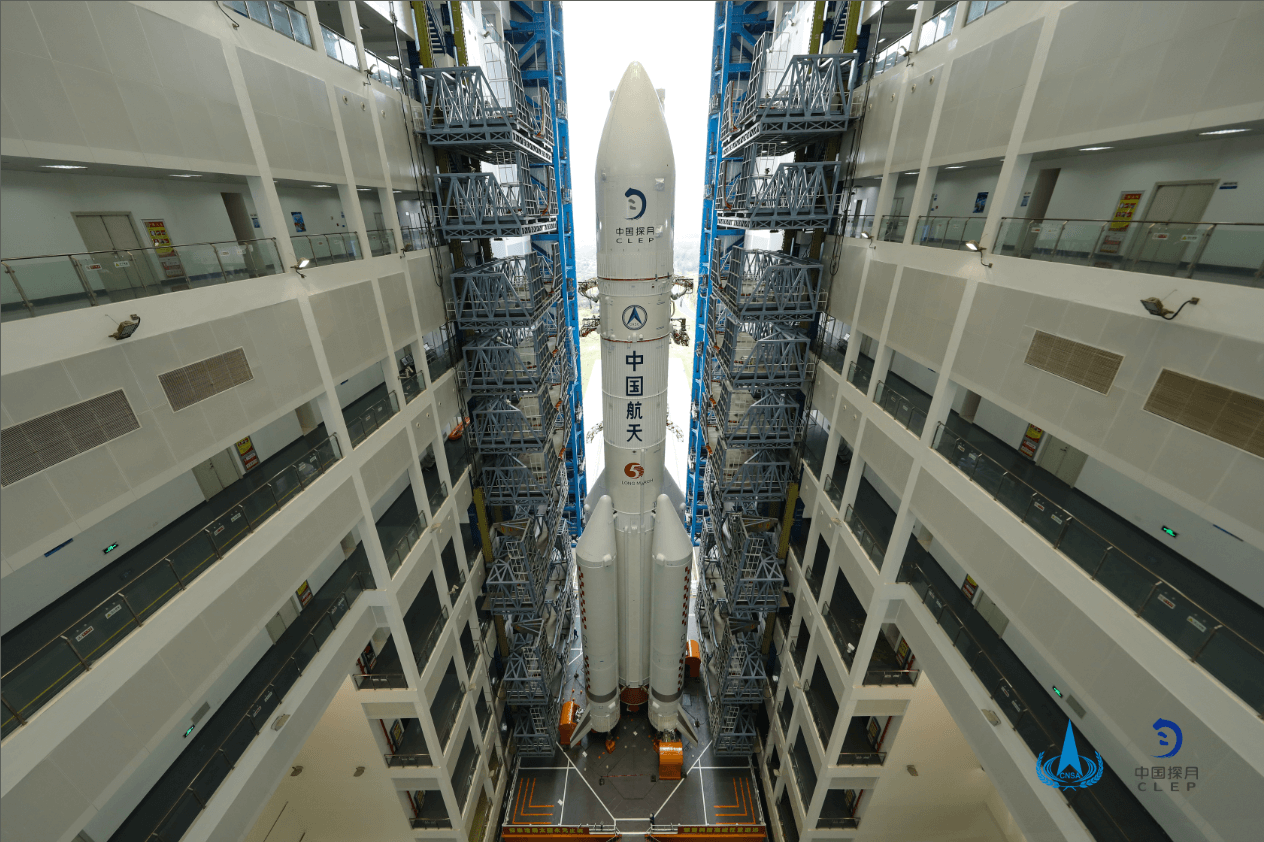
NASA concludes MAVEN mission after six months attempting to restore contact with Mars probe. Meanwhile, Falcon 9 booster flies record 35th flight on Starlink 10-35 mission.
NRO expands commercial imaging with HEO, SatVu, and Sierra Nevada. ChatGPT rolls out to 3 million military users via GenAI.mil. C-130J deliveries paused.

On April 22, 2026, the FAA published a final rule implementing per-launch user fees for commercial space transportation — the first time the U.S. government has charged payload-based fees for rocket launches. Starting at 25 cents per pound with a $30,000 cap, the fees are modest today. By 2033, they won't be.