



Space Brief 25 Nov 2025
Today's briefing covers Chinese satellite launches, military defense strategies in space, increasing launch activity at the Space Coast, and potential rivals to SpaceX's Starlink.



Launch Date
November 7, 2024
Launch Site
Launch Pad
LC40
Launch Vehicle
NORAD ID
61864
International Designator
2024-202V
Epoch
Sun, 19 Jul 2026 02:42:54 GMT
Apogee
Calculating...
Perigee
Calculating...
Inclination
43.00°
Right Ascension
216.08°
Eccentricity
Calculating...
Argument of Perigee
283.81°
Period
94.27 min
Mean Motion
15.28 rev/day
Latitude
Calculating...
Longitude
Calculating...
Altitude
Calculating...
Velocity
Calculating...
Name
STARLINK-32318
Alternative Name
Starlink 32318
Type
Status
Owner
SPXS
Country
United States
Constellation
N/A
Related Satellites
Major Events
N/A
1 61864U 24202V 26200.11313492 .00000885 00000+0 41702-4 0 9997
2 61864 43.0019 216.0832 0002035 283.8144 76.2481 15.27576101 95430
Source: Celestrak
Length
0.3
Diameter
4.1
Span
29
Dry Mass
700
Launch Mass
730
Shape
Box + pan
Radar Cross Section
Unknown
Visual Magnitude
Unknown
Color
Unknown
Material Composition
Unknown
Payload
Starlink Group 6-77-20
Purpose
Communication
Mission
Communication
Manufacturer
SPXS
Life Expectancy
Unknown
Bus
Starlink V2M
Configuration
Starlink v2 Mini
Motor
Argon ion thrusters
Equipment
Ku/Ka/E-band payload, optical inter-satellite link
Power System
Solar arrays, batteries
ADCS
Unknown
Transmitter Frequency
Unknown
Learn more about satellites and other related topics.
Today's briefing covers Chinese satellite launches, military defense strategies in space, increasing launch activity at the Space Coast, and potential rivals to SpaceX's Starlink.

Forty years ago today, Challenger lifted off LC-39A on a science mission that nobody outside Morton-Thiokol would call dangerous. Years later, after the orbiter and seven other astronauts were gone, investigators looked at the recovered boosters from STS-51B and realized the crew had come within a fraction of a second of dying first. This is the story of the launch that should have been a warning.

Key space events for today include potential changes in US space policy involving SpaceX, uncertainties regarding NASA's Starliner, and China's new steps in asteroid exploration.
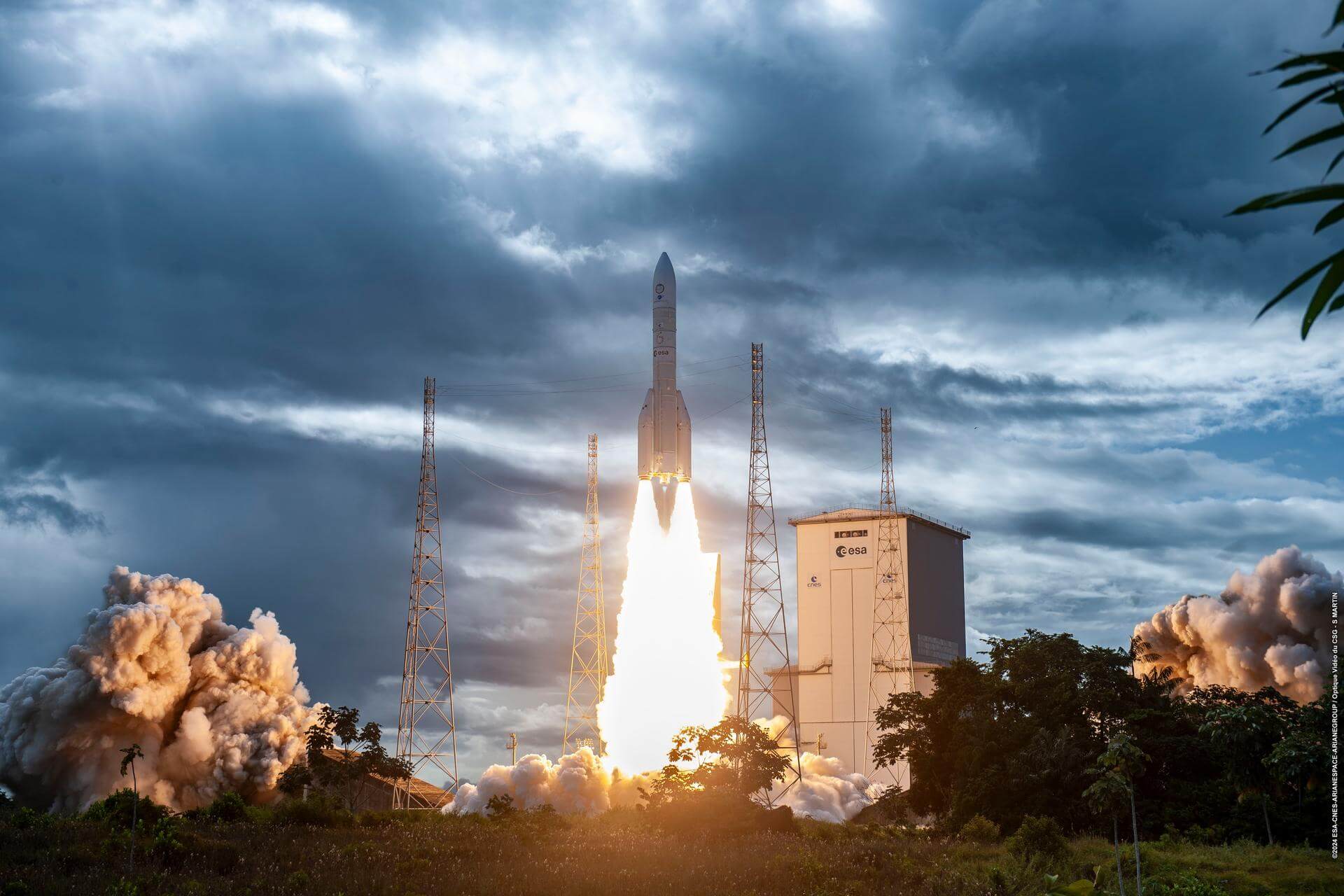
Highlights include US military astronaut rescue drills, China's commercial involvement in lunar missions, ESA's budget proposals, global opposition to space advertising, and NASA lunar landers.

GAO flags growing cost problems across Space Force satellite portfolio with workforce reductions compounding risks to missile-warning constellations like NGG and SWAT.
Today's highlights include SpaceX's record-breaking launches, Japan's final H-2A launch, and significant developments in satellite data policies impacting weather forecasting.
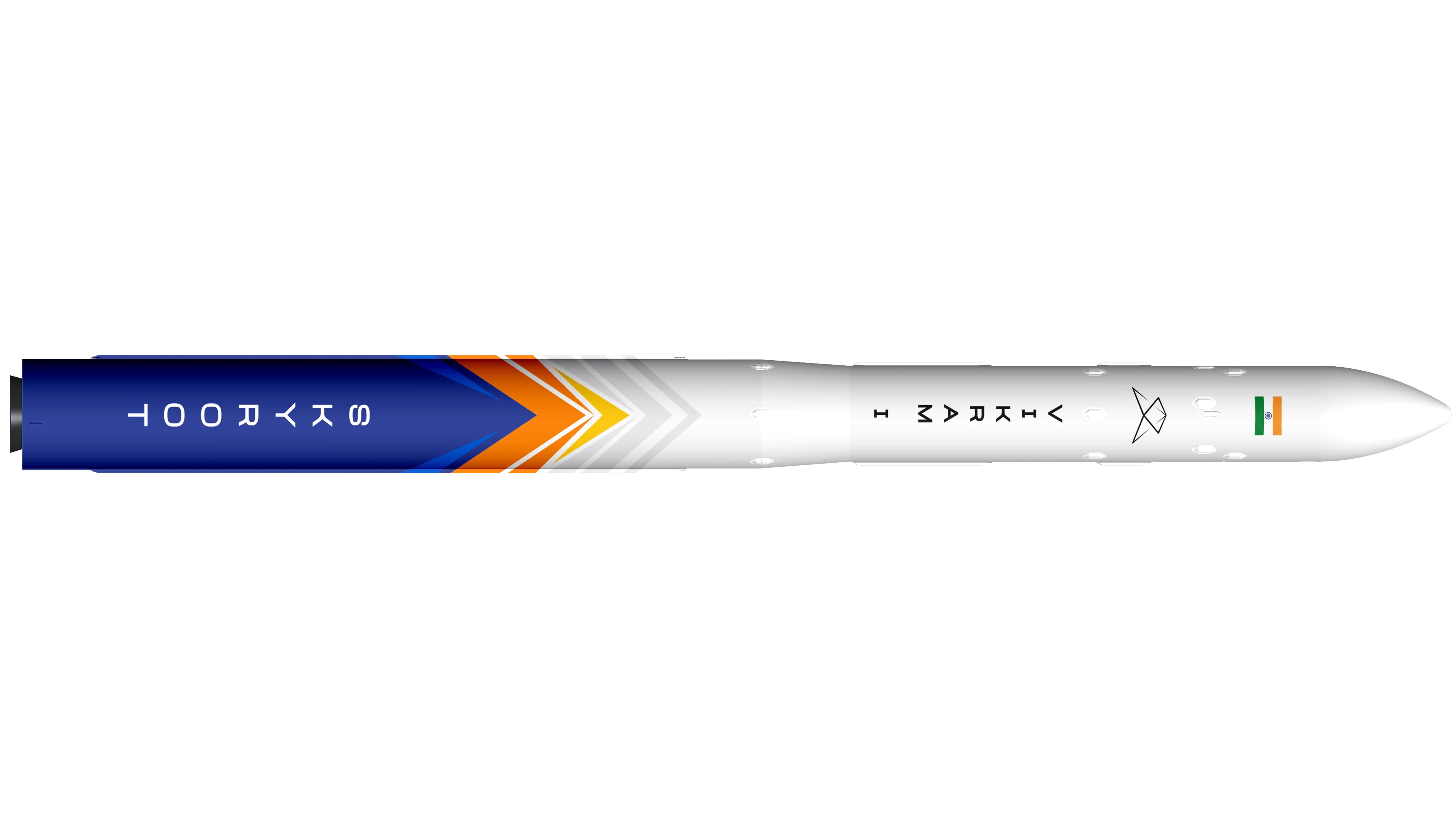
SDA hands L3Harris and Sierra Space $1.75B to build missile warning satellites for Pentagon's Golden Dome shield, targeting 2028 demonstration under accelerated schedule.

Explore today's key space events including a SpaceX Starlink launch, Neuraspace's new telescope for space traffic monitoring, and Globalstar's defense-focused satellite service debut.