



Space Brief 21 Jan 2025
Today's Space Brief highlights a SpaceX launch of Starlink satellites, international efforts to tackle space debris, and innovative lunar power solutions from China.



Launch Date
November 7, 2024
Launch Site
Launch Pad
LC40
Launch Vehicle
NORAD ID
61859
International Designator
2024-202Q
Epoch
Sun, 19 Jul 2026 17:53:01 GMT
Apogee
Calculating...
Perigee
Calculating...
Inclination
43.00°
Right Ascension
212.22°
Eccentricity
Calculating...
Argument of Perigee
284.19°
Period
94.27 min
Mean Motion
15.28 rev/day
Latitude
Calculating...
Longitude
Calculating...
Altitude
Calculating...
Velocity
Calculating...
Name
STARLINK-32466
Alternative Name
Starlink 32466
Type
Status
Owner
SPXS
Country
United States
Constellation
N/A
Related Satellites
Major Events
N/A
1 61859U 24202Q 26200.74515573 .00000242 00000+0 18312-4 0 9992
2 61859 43.0027 212.2238 0001450 284.1867 75.8824 15.27575215 95539
Source: Celestrak
Length
0.3
Diameter
4.1
Span
29
Dry Mass
700
Launch Mass
730
Shape
Box + pan
Radar Cross Section
Unknown
Visual Magnitude
Unknown
Color
Unknown
Material Composition
Unknown
Payload
Starlink Group 6-77-15
Purpose
Communication
Mission
Communication
Manufacturer
SPXS
Life Expectancy
Unknown
Bus
Starlink V2M
Configuration
Starlink v2 Mini
Motor
Argon ion thrusters
Equipment
Ku/Ka/E-band payload, optical inter-satellite link
Power System
Solar arrays, batteries
ADCS
Unknown
Transmitter Frequency
Unknown
Learn more about satellites and other related topics.
Today's Space Brief highlights a SpaceX launch of Starlink satellites, international efforts to tackle space debris, and innovative lunar power solutions from China.

SpaceX successfully launched the Sentinel-6B satellite, marking a significant milestone as its 500th mission with a reused rocket, furthering global sea level monitoring efforts.
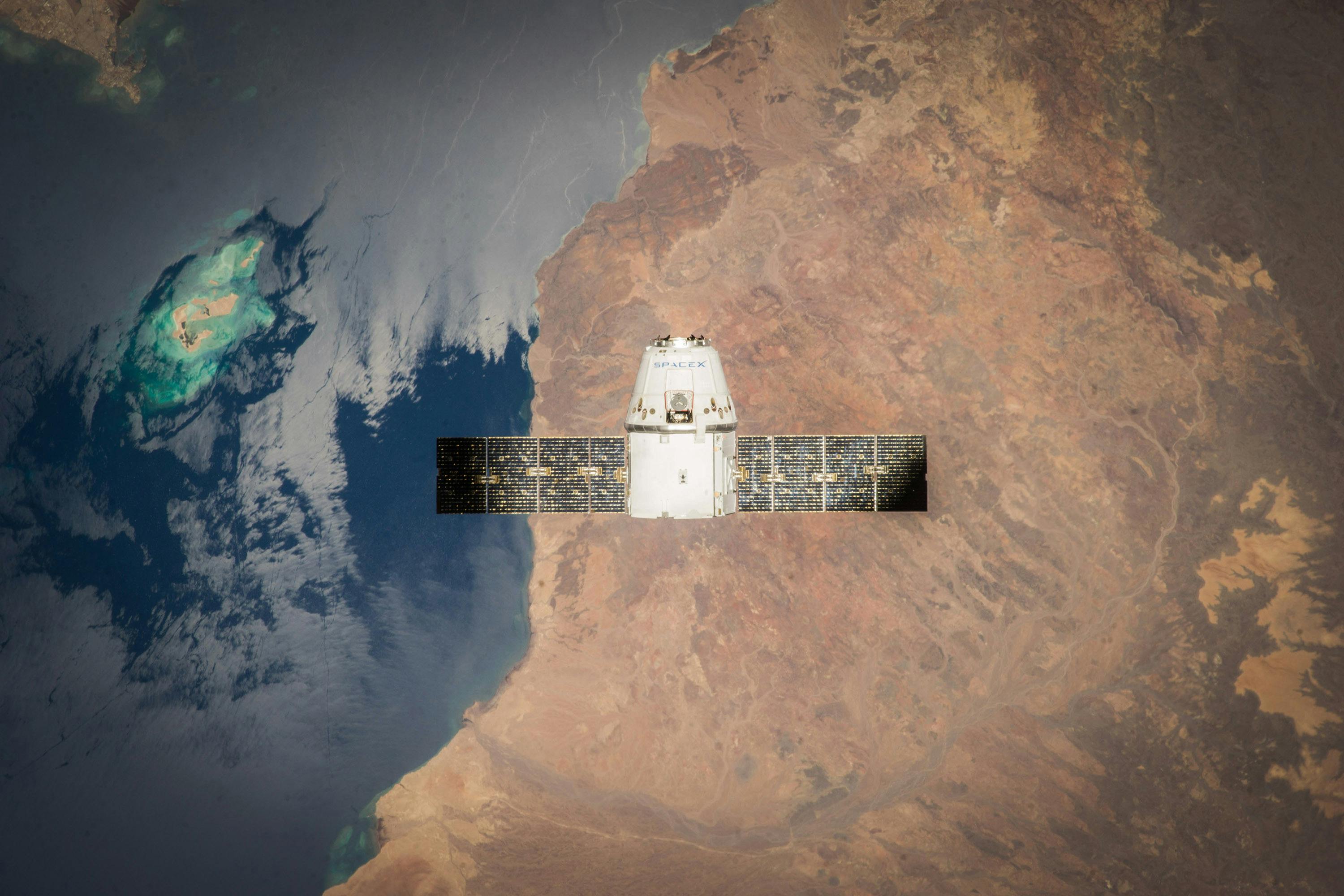
SpaceX celebrates significant milestones with the launch of Falcon 9 and developments in the Starship program, while Elon Musk addresses media narratives surrounding Starlink's humanitarian efforts.
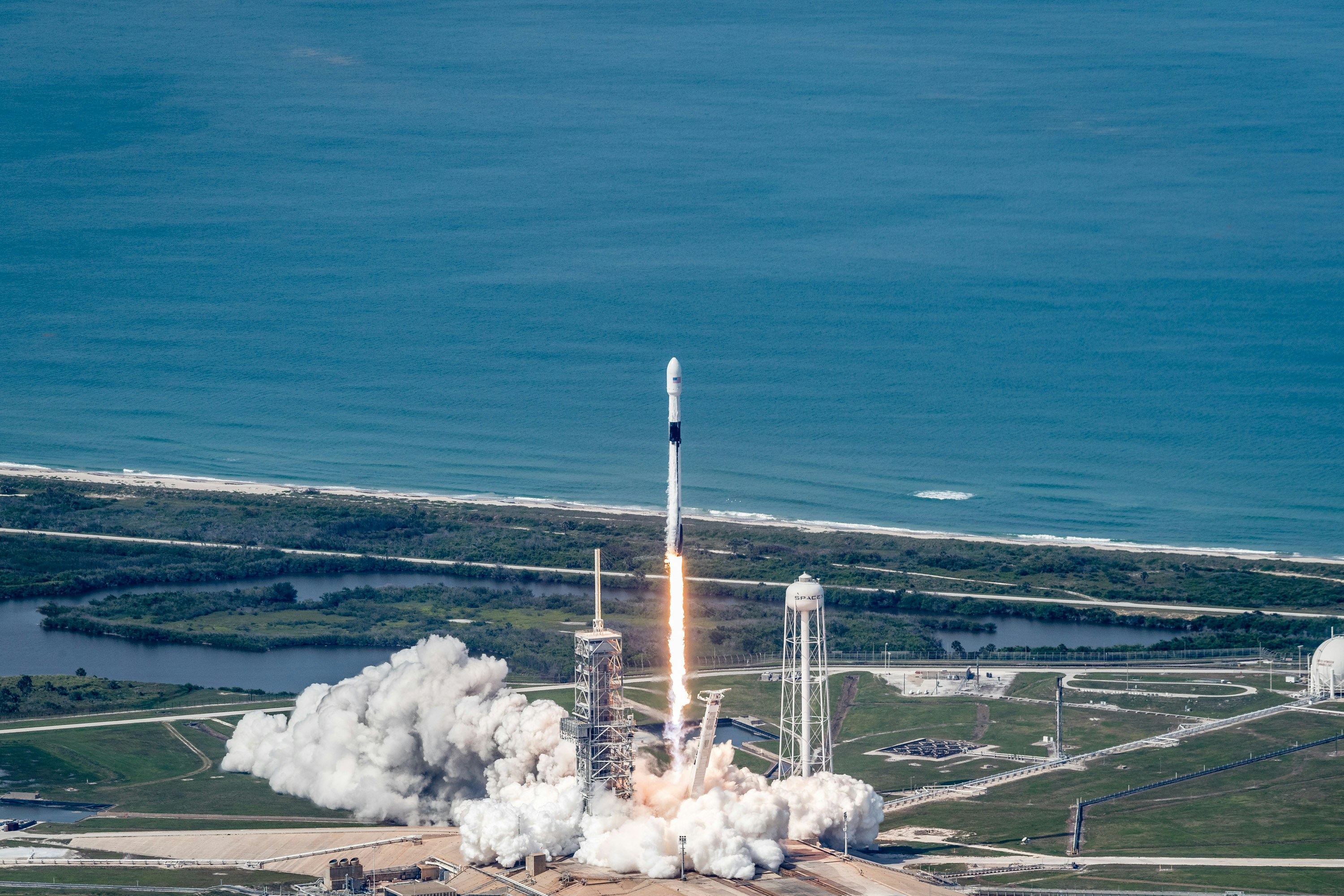
SpaceX continues to make strides in satellite deployment with a successful launch. The European Space Agency's new satellite enhances global atmospheric forecasting, showcasing the expanding role of launches in improving environmental monitoring.
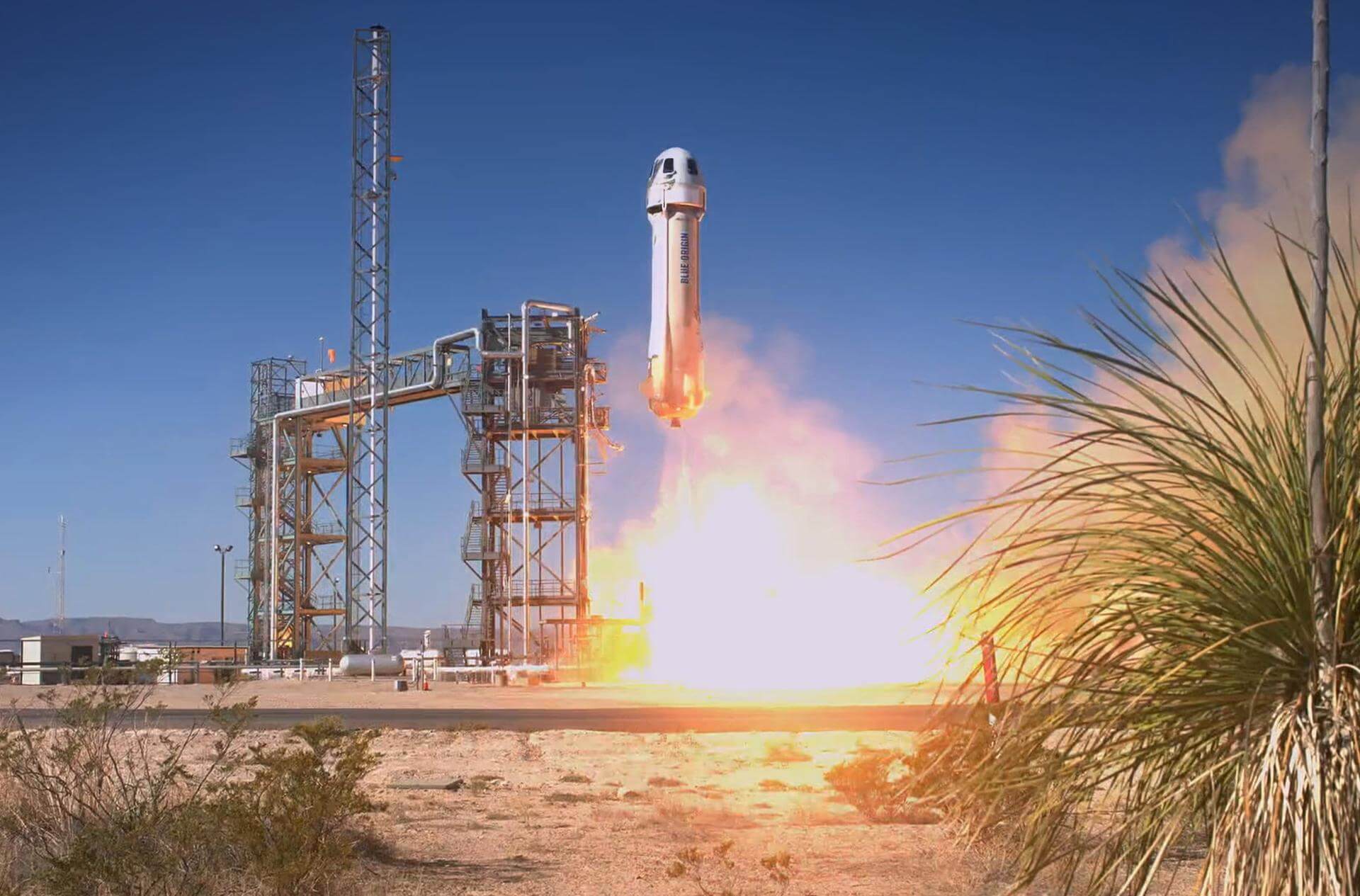
Today's highlights include multiple SpaceX Starlink launches, a successful Rocket Lab mission for JAXA, and a scheduled launch update from Kennedy Space Center.

SpaceX successfully launches 23 Starlink satellites, NASA selects SpaceX for astrophysics mission, and Starship Flight 8 advances with Booster 15 static fire.
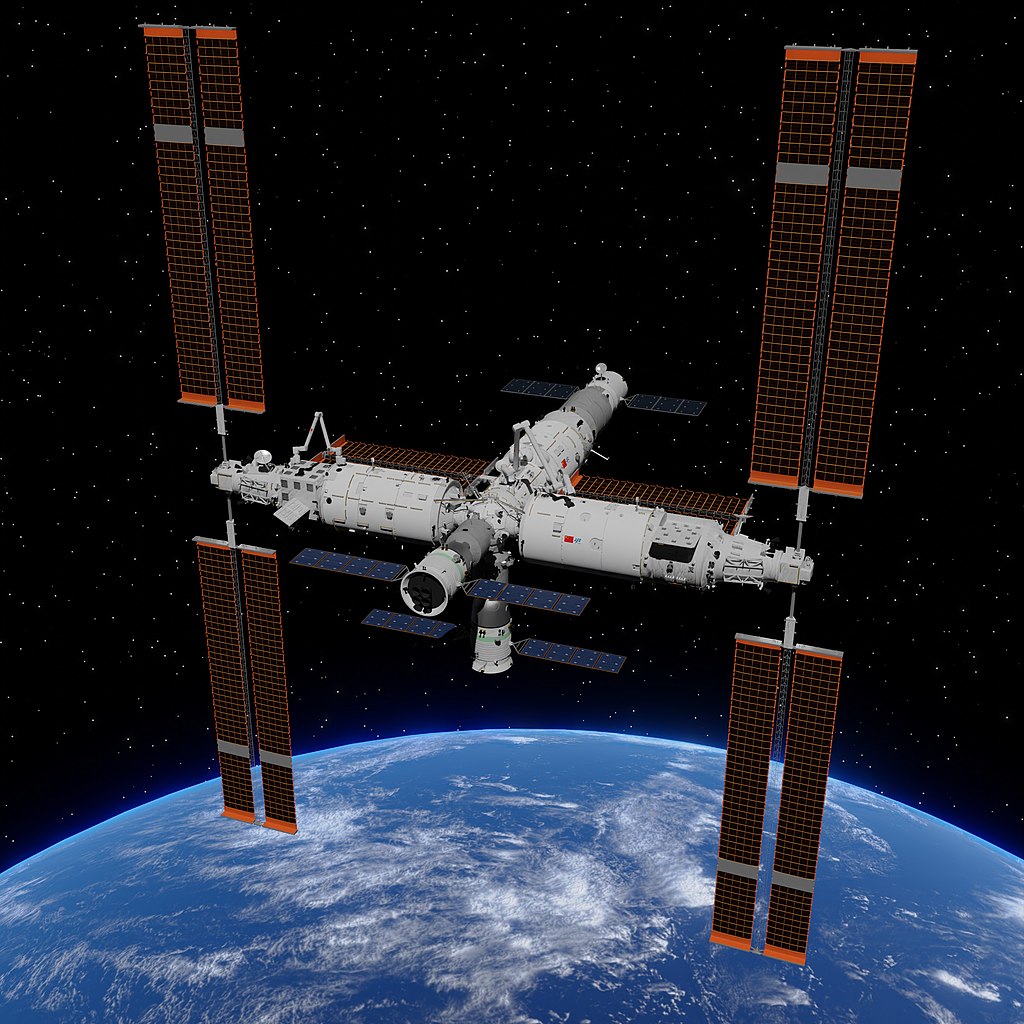
Today's briefing covers China's successful Shenzhou 19 launch to the Tiangong space station, NASA's upcoming spacewalks plan after a spacesuit issue, and innovative propulsion research for space journeys.
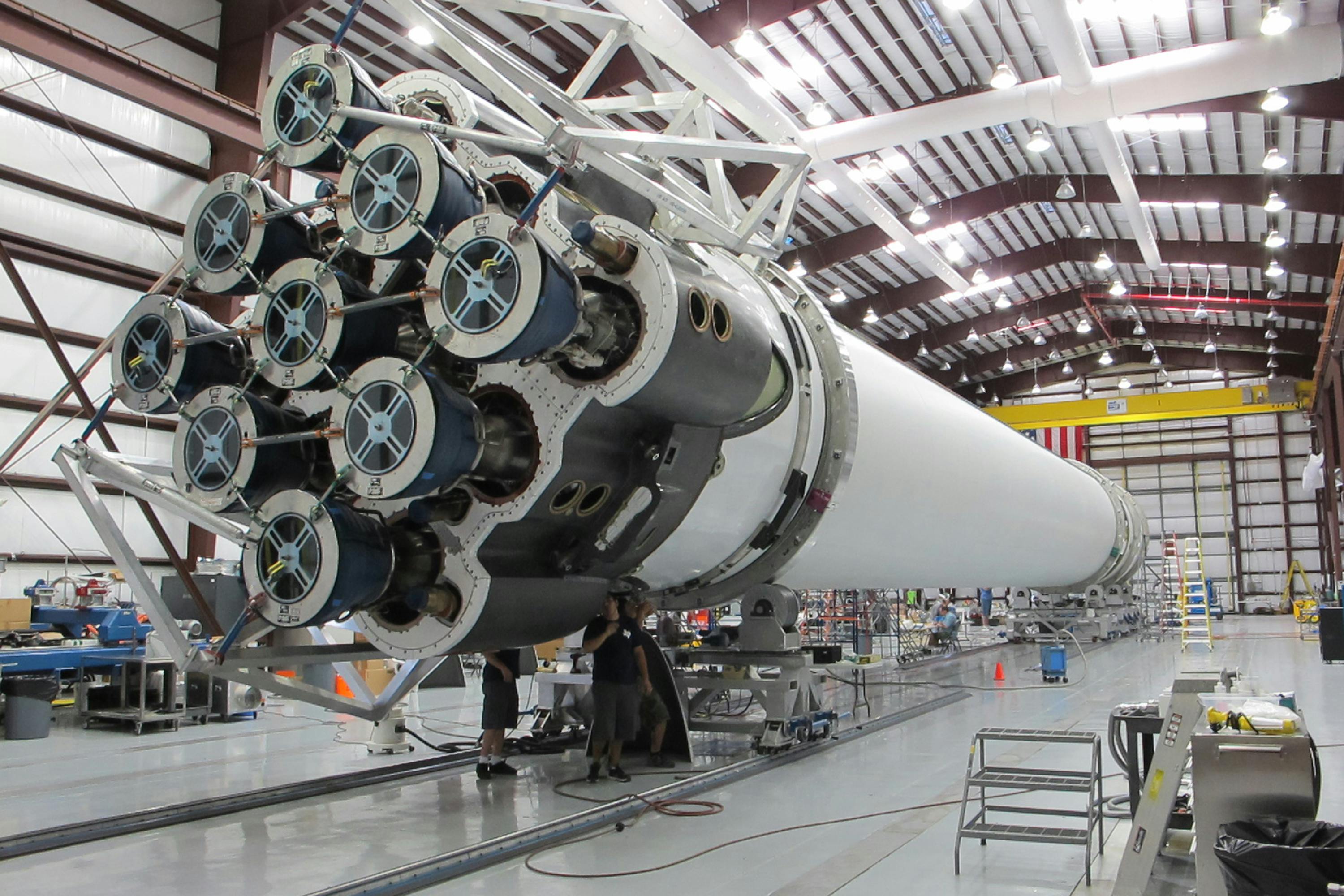
SpaceX ignited all 33 next-gen Raptor V3 engines on the Super Heavy booster at Starbase, Texas, marking a critical milestone toward the next Starship flight.