


Space Brief 21 Jun 2025
Today's brief highlights a Pentagon satellite network challenge, the expanding use of AI in military strategy, and advancements in commercial launch vehicle production.



Launch Date
November 7, 2024
Launch Site
Launch Pad
LC40
Launch Vehicle
NORAD ID
61856
International Designator
2024-202M
Epoch
Mon, 20 Jul 2026 07:45:39 GMT
Apogee
Calculating...
Perigee
Calculating...
Inclination
43.00°
Right Ascension
208.82°
Eccentricity
Calculating...
Argument of Perigee
279.10°
Period
94.27 min
Mean Motion
15.28 rev/day
Latitude
Calculating...
Longitude
Calculating...
Altitude
Calculating...
Velocity
Calculating...
Name
STARLINK-32483
Alternative Name
Starlink 32483
Type
Status
Owner
SPXS
Country
United States
Constellation
N/A
Related Satellites
Major Events
N/A
1 61856U 24202M 26201.32337198 -.00001789 00000+0 -55533-4 0 9994
2 61856 42.9995 208.8213 0000916 279.0952 80.9796 15.27561888 95622
Source: Celestrak
Length
0.3
Diameter
4.1
Span
29
Dry Mass
700
Launch Mass
730
Shape
Box + pan
Radar Cross Section
Unknown
Visual Magnitude
Unknown
Color
Unknown
Material Composition
Unknown
Payload
Starlink Group 6-77-12
Purpose
Communication
Mission
Communication
Manufacturer
SPXS
Life Expectancy
Unknown
Bus
Starlink V2M
Configuration
Starlink v2 Mini
Motor
Argon ion thrusters
Equipment
Ku/Ka/E-band payload, optical inter-satellite link
Power System
Solar arrays, batteries
ADCS
Unknown
Transmitter Frequency
Unknown
Learn more about satellites and other related topics.
Today's brief highlights a Pentagon satellite network challenge, the expanding use of AI in military strategy, and advancements in commercial launch vehicle production.
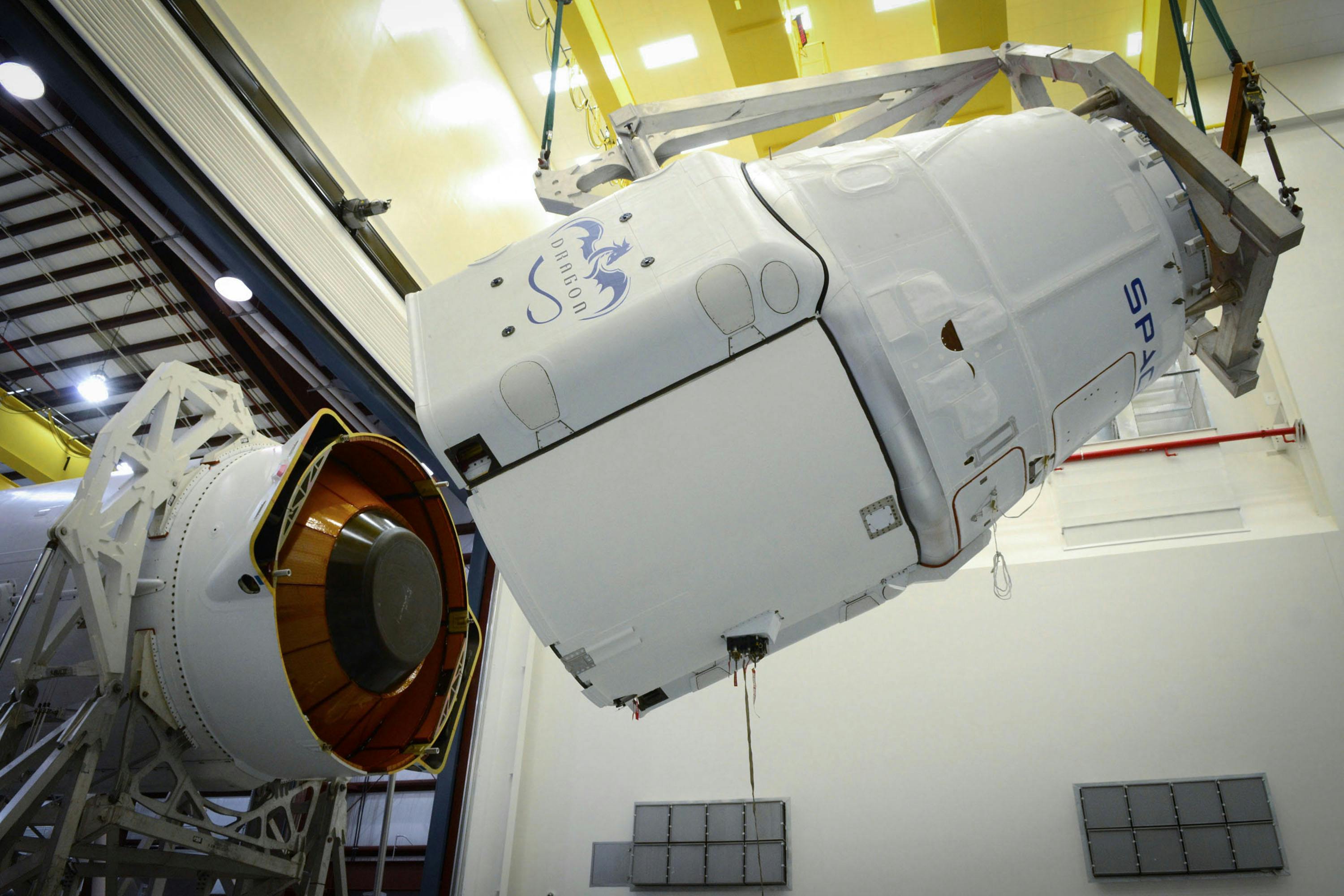
SpaceX continues its ambitious satellite deployment schedule with two successful Starlink launches in just 24 hours, enhancing global connectivity.
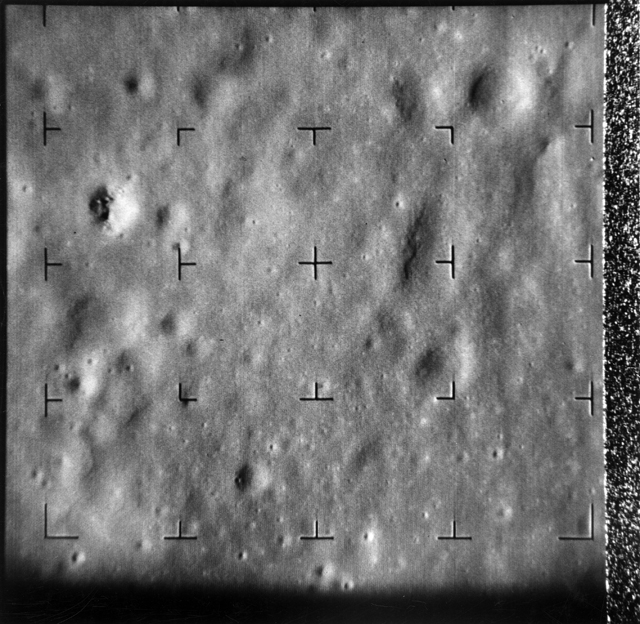
Sixty years ago, a pioneering spacecraft called Ranger 8 captured thousands of detailed photographs of the lunar surface before intentionally crashing into the Moon, helping pave the way for humanity's first steps on another world
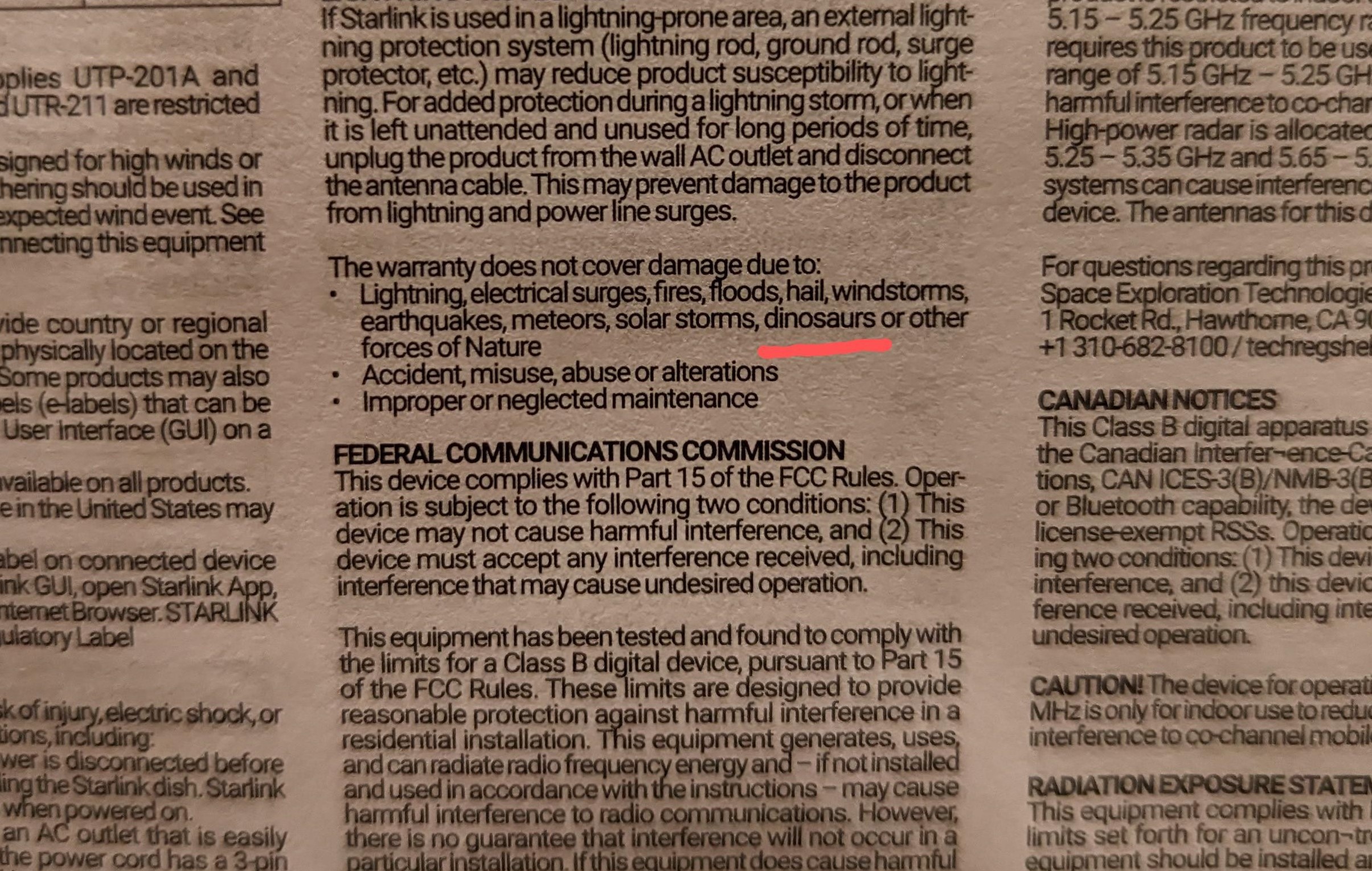
Discover the hidden gems and lesser-known aspects of SpaceX's revolutionary Starlink satellite internet service, from Easter eggs to advanced technical features.
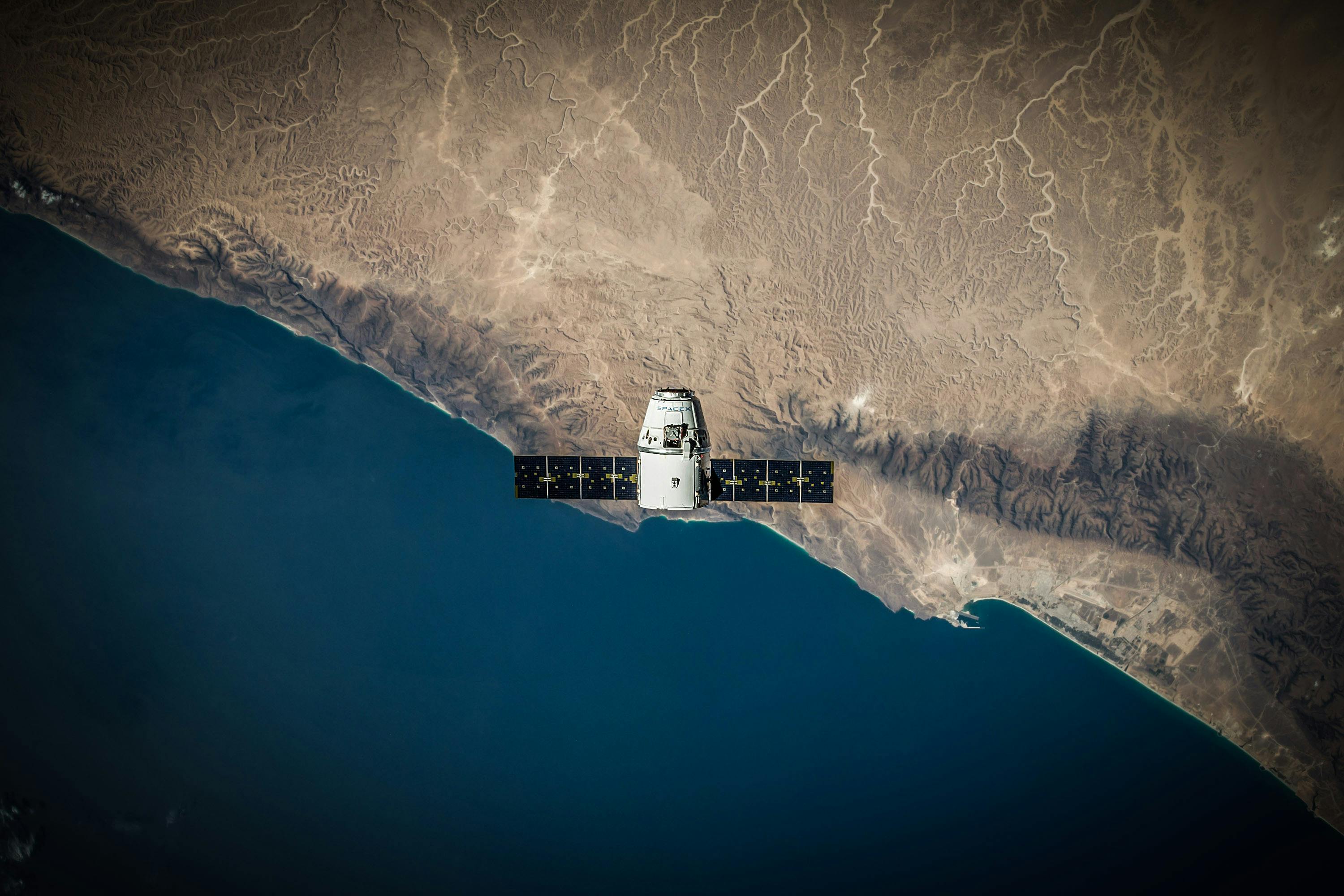
Falcon 9 returns to flight with Starlink 17-33 mission after brief stand-down. Crew-12 astronaut launch confirmed for Feb 11. SpaceX shifts Dragon launches away from pad 39A.

SpaceX executes a rapid response GPS mission for the U.S. Space Force, Starlink extends its reach with a beta smartphone connectivity service by T-Mobile, and Starship approaches its seventh launch with readiness milestones.
Today's brief covers advances in satellite docking technology, challenges faced by space companies with government navigation, and China's leap in space autonomy through AI developments.
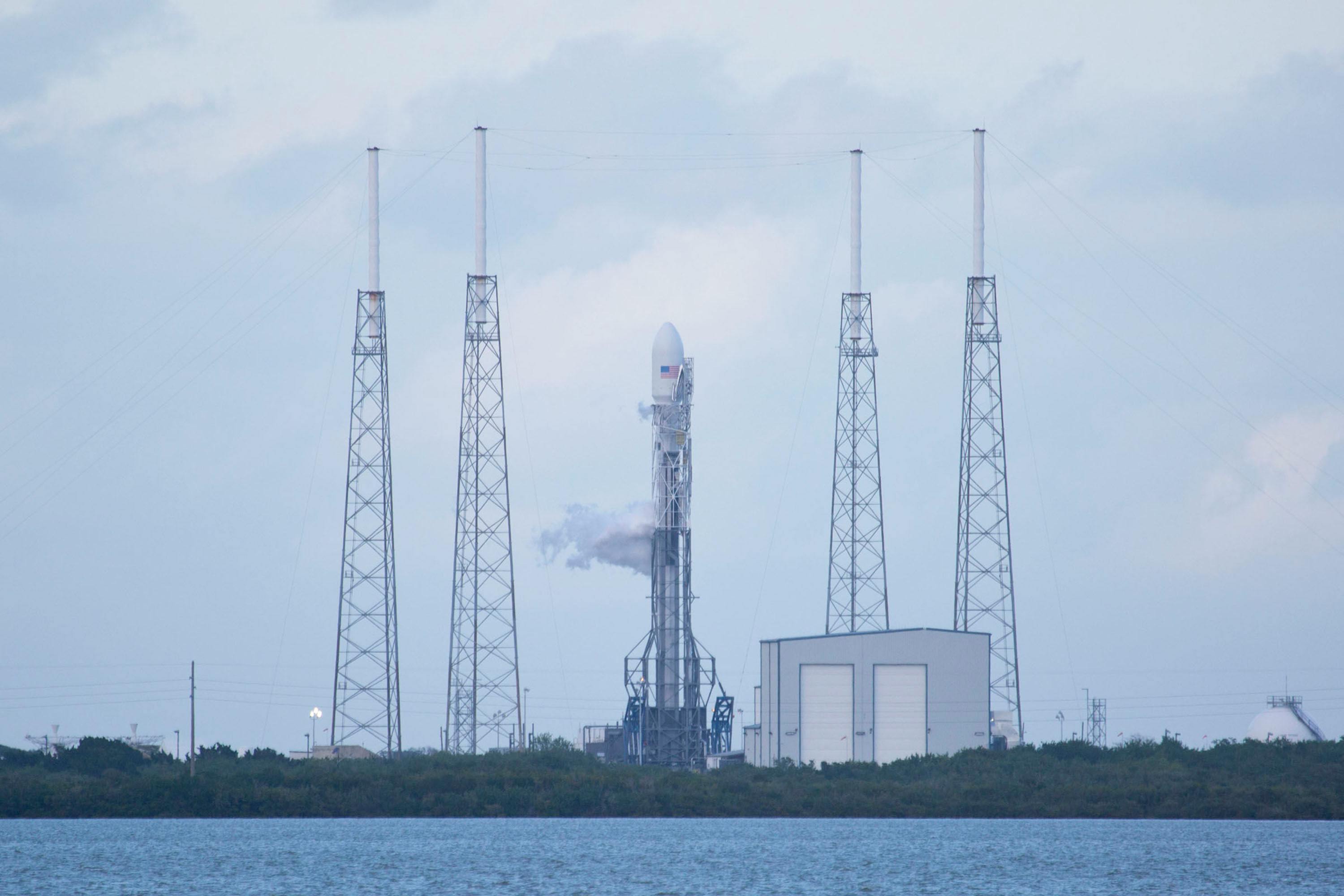
The FAA has approved Starship Flight 9, paving the way for an upcoming test launch, while SpaceX's Dragon spacecraft is set to undock from the ISS after weather delays.