



Space Brief 18 Dec 2024
Today's highlights include SpaceX's rapid response GPS launch, Raytheon's new rocket motor test, and Starlink's revenue surge. Plus, the Space Force's modernization push.



Launch Date
November 7, 2024
Launch Site
Launch Pad
LC40
Launch Vehicle
NORAD ID
61852
International Designator
2024-202H
Epoch
Sun, 19 Jul 2026 17:17:52 GMT
Apogee
Calculating...
Perigee
Calculating...
Inclination
43.00°
Right Ascension
212.04°
Eccentricity
Calculating...
Argument of Perigee
271.81°
Period
94.27 min
Mean Motion
15.28 rev/day
Latitude
Calculating...
Longitude
Calculating...
Altitude
Calculating...
Velocity
Calculating...
Name
STARLINK-32433
Alternative Name
Starlink 32433
Type
Status
Owner
SPXS
Country
United States
Constellation
N/A
Related Satellites
Major Events
N/A
1 61852U 24202H 26200.72074390 .00000390 00000+0 23686-4 0 9994
2 61852 43.0009 212.0403 0001242 271.8054 88.2655 15.27573907 95530
Source: Celestrak
Length
0.3
Diameter
4.1
Span
29
Dry Mass
700
Launch Mass
730
Shape
Box + pan
Radar Cross Section
Unknown
Visual Magnitude
Unknown
Color
Unknown
Material Composition
Unknown
Payload
Starlink Group 6-77-08
Purpose
Communication
Mission
Communication
Manufacturer
SPXS
Life Expectancy
Unknown
Bus
Starlink V2M
Configuration
Starlink v2 Mini
Motor
Argon ion thrusters
Equipment
Ku/Ka/E-band payload, optical inter-satellite link
Power System
Solar arrays, batteries
ADCS
Unknown
Transmitter Frequency
Unknown
Learn more about satellites and other related topics.
Today's highlights include SpaceX's rapid response GPS launch, Raytheon's new rocket motor test, and Starlink's revenue surge. Plus, the Space Force's modernization push.

Starlink gains ground in geopolitical shifts, while SpaceX makes progress on next-gen facilities and prepares for Crew-11 mission to ISS.
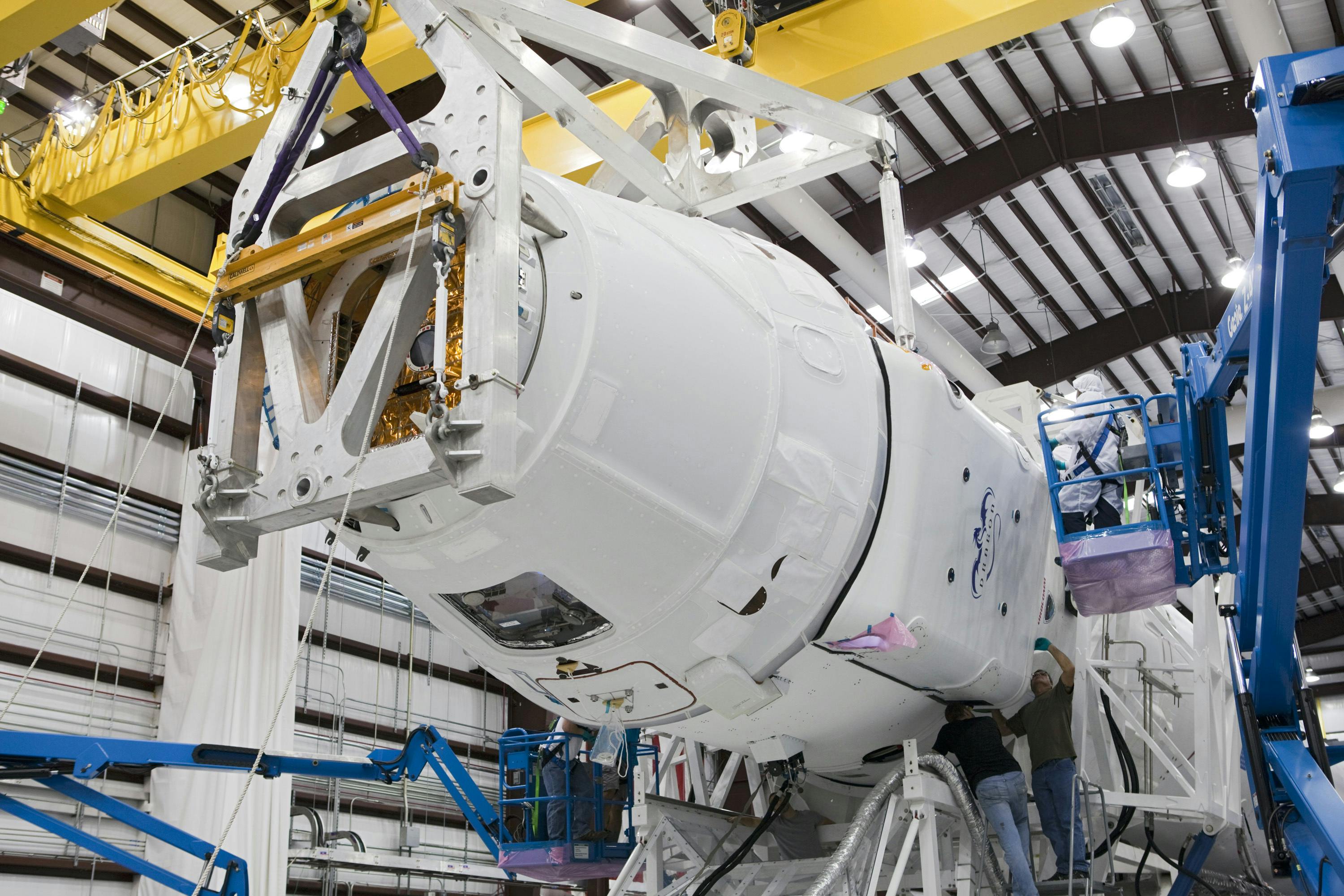
SpaceX hit 50 launches in 2026 on April 26. Falcon Heavy's ViaSat-3 mission, only its 12th flight, scrubbed on weather at Kennedy; new date pending.

For nearly two decades, the U.S. Air Force and Space Force have been the world's unofficial civilian space traffic control system. The Department of Commerce's Traffic Coordination System for Space (TraCSS) is now taking over that job for commercial satellite operators - in stages, against persistent congressional pressure to kill the program, and with Department of Defense advocates pushing to make it happen before it is too late.

Today's brief covers potential roles for commercial satellites in missile defense, SpaceX's new launch site plans at Vandenberg, and partnerships for space nuclear propulsion. Discover updates on military space projects and international defense agreements.
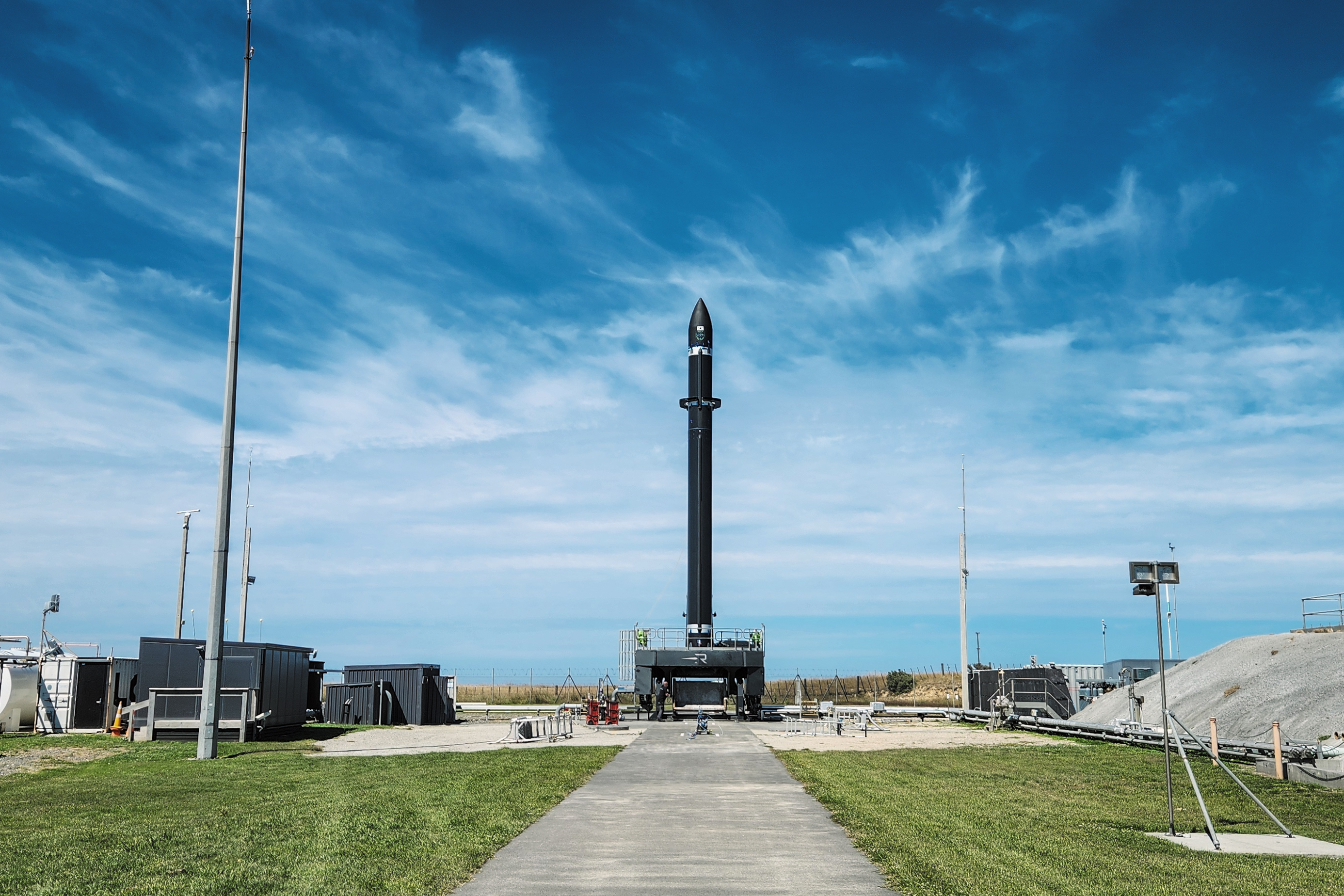
SDA awards $3.5B in contracts for 72 Tracking Layer satellites to Lockheed Martin and Rocket Lab. Terran Orbital selected for satellite bus production. Israel eyes 2026 defense growth.
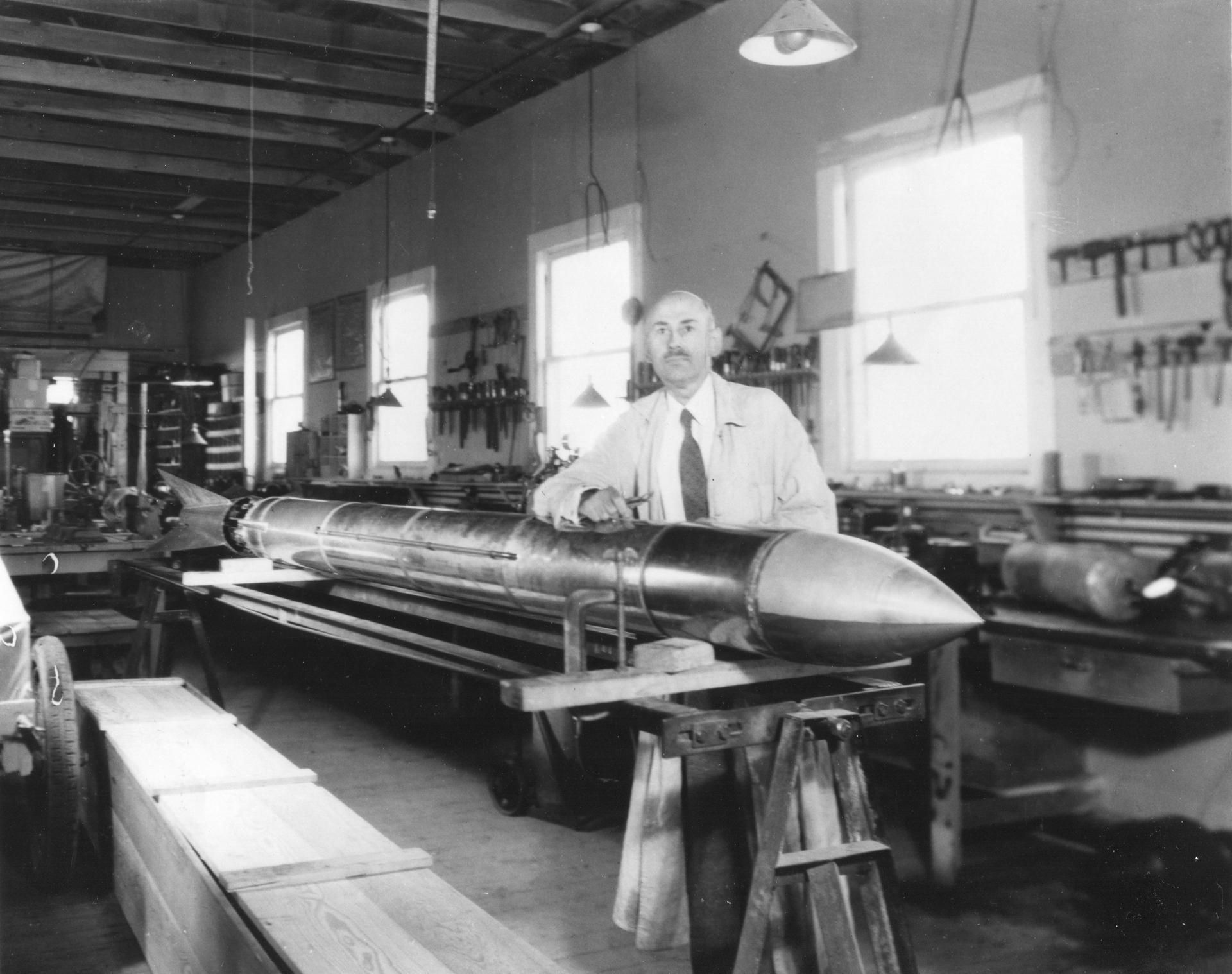
On February 2, 1909, Robert Goddard made a revolutionary breakthrough in his notebook: liquid oxygen and liquid hydrogen could achieve 50% efficiency in converting heat energy to kinetic energy for rocket propulsion

SpaceX's X-37B spaceplane launch, featuring advanced tech, highlights today’s space events. The launch of the first reprogrammable navigation satellite by the US Space Force is another significant milestone.