


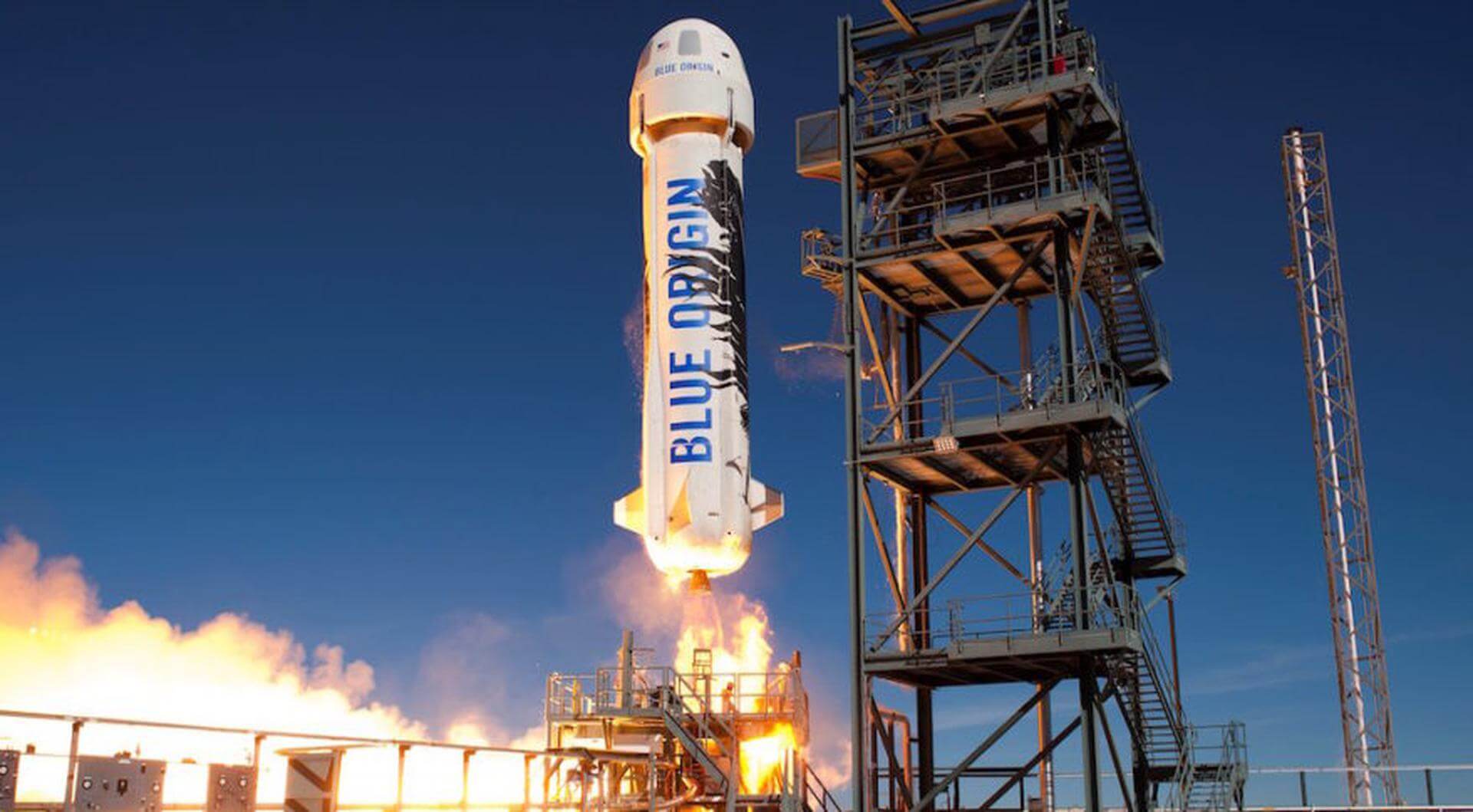
Space Brief 31 Mar 2025
Today's brief covers significant space events, including milestone national security certifications for ULA Vulcan and Rocket Lab, SpaceX's groundbreaking polar orbit mission, and a failed launch attempt by Isar Aerospace.



Launch Date
August 6, 2024
Launch Site
TAISC
Launch Pad
TYSC -
Launch Vehicle
Chang Zheng 6A
NORAD ID
61828
International Designator
2024-140ACU
Epoch
Mon, 20 Jul 2026 05:26:30 GMT
Apogee
Calculating...
Perigee
Calculating...
Inclination
88.97°
Right Ascension
270.96°
Eccentricity
Calculating...
Argument of Perigee
152.65°
Period
102.29 min
Mean Motion
14.08 rev/day
Latitude
Calculating...
Longitude
Calculating...
Altitude
Calculating...
Velocity
Calculating...
Name
CZ-6A DEB
Alternative Name
deb CZ-6A Y21
Type
Status
Owner
CNSA
Country
China
Constellation
N/A
Related Satellites
Major Events
N/A
1 61828U 24140ACU 26201.22674396 .00000961 00000+0 52009-3 0 9990
2 61828 88.9743 270.9567 0126781 152.6454 208.1482 14.07711586 95148
Source: Celestrak
Length
0
Diameter
0
Span
0
Dry Mass
0
Launch Mass
0
Shape
N/A
Radar Cross Section
Unknown
Visual Magnitude
Unknown
Color
Unknown
Material Composition
Unknown
Payload
Unknown
Purpose
Unknown
Mission
Unknown
Manufacturer
SAST
Life Expectancy
Unknown
Bus
Unknown
Configuration
Unknown
Motor
Unknown
Equipment
Unknown
Power System
Unknown
ADCS
Unknown
Transmitter Frequency
Unknown
Learn more about satellites and other related topics.
Today's brief covers significant space events, including milestone national security certifications for ULA Vulcan and Rocket Lab, SpaceX's groundbreaking polar orbit mission, and a failed launch attempt by Isar Aerospace.

How a catastrophic fire in 1967 fundamentally altered NASA's approach to human spaceflight and continues to influence modern spacecraft design

Today marks significant milestones and setbacks for SpaceX as Starship Flight 9 completes a historic launch but ultimately suffers a loss of control. Additionally, a successful Starlink deployment continues to expand global internet coverage.
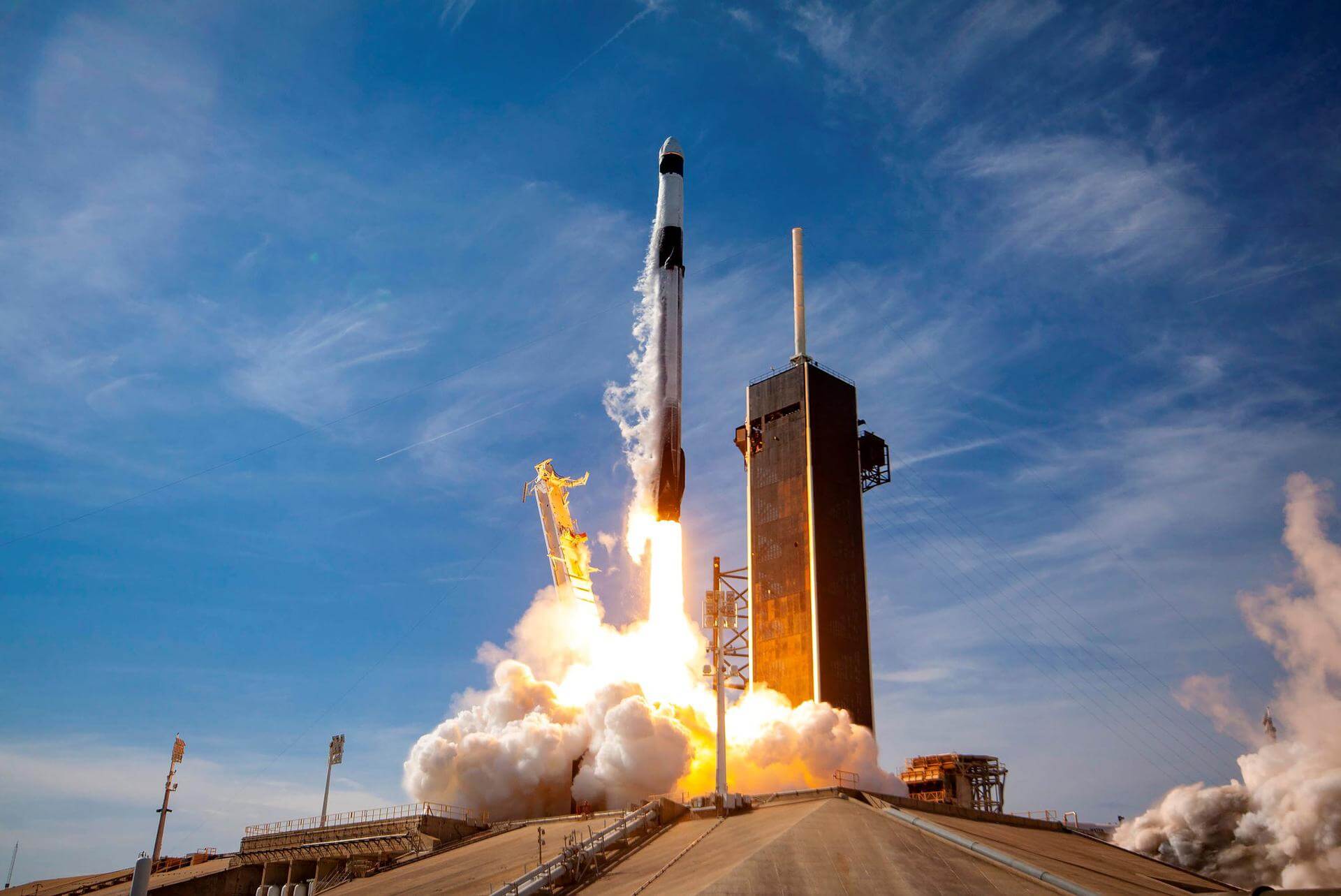
CBO estimates Golden Dome national missile shield at $1.2 trillion over 20 years. Space-based intercept layer could add thousands of satellites to tracked orbital regimes.
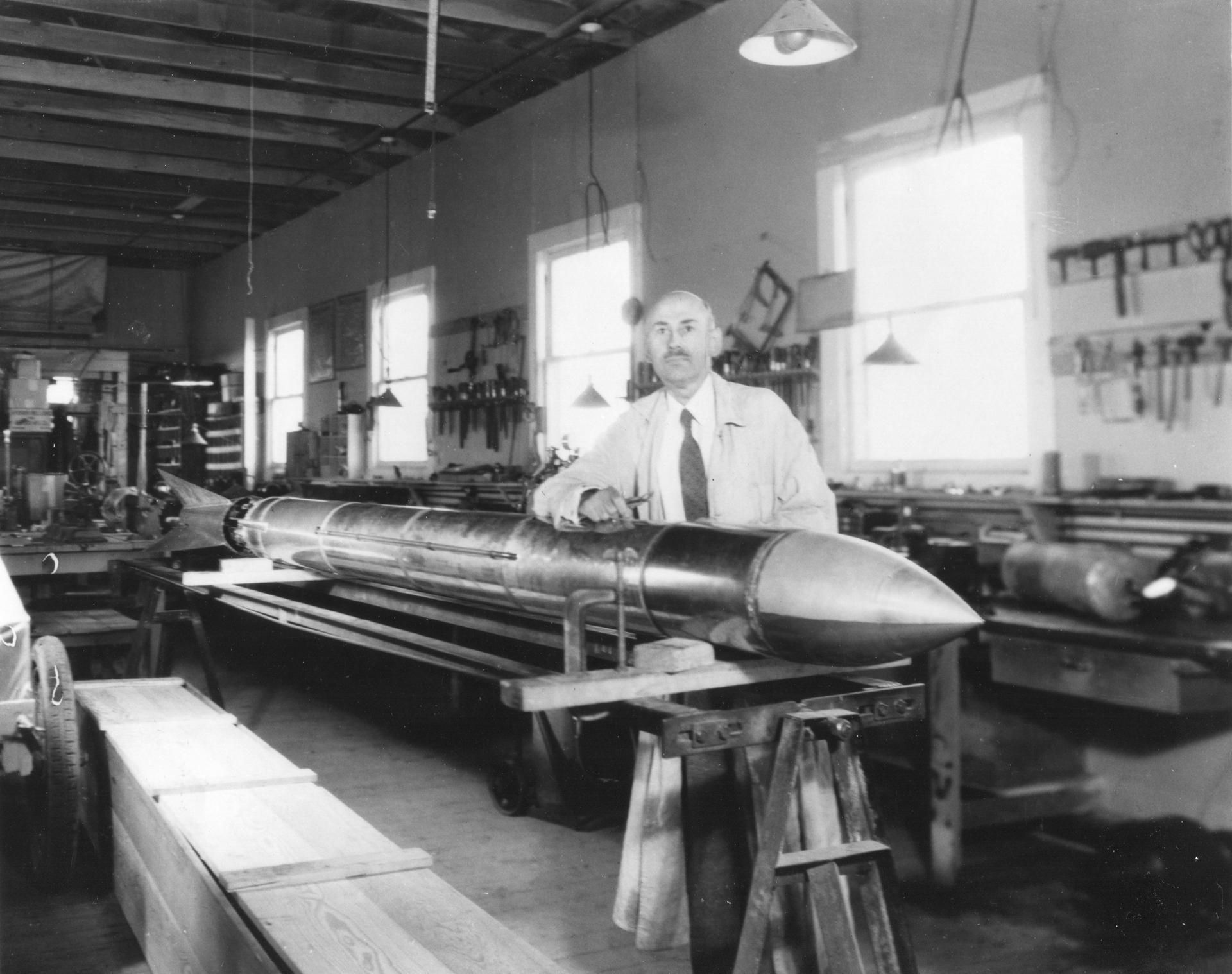
On February 2, 1909, Robert Goddard made a revolutionary breakthrough in his notebook: liquid oxygen and liquid hydrogen could achieve 50% efficiency in converting heat energy to kinetic energy for rocket propulsion
Keck Foundation team proposes first-ever graviton detector concept. Space Force shelves Resilient GPS program. China advances Long March 12B reusable rocket with static fire test at Jiuquan.

Today's Space Brief covers potential changes in the procurement strategies for the Space Force, developments in missile detection technology, and budgetary impacts on space programs.
Rocket Lab to acquire Iridium's 66-satellite LEO constellation for end-to-end vertical integration. Deal includes spacecraft manufacturing, launch, and on-orbit operations control.