


X Report 30 Jan 2025
SpaceX's Falcon 9 launches SpainSat NG-1 satellite as Starlink compatibility causes market ripples.



Launch Date
August 6, 2024
Launch Site
TAISC
Launch Pad
TYSC -
Launch Vehicle
Chang Zheng 6A
NORAD ID
61824
International Designator
2024-140ACQ
Epoch
Sun, 19 Jul 2026 03:34:14 GMT
Apogee
Calculating...
Perigee
Calculating...
Inclination
88.91°
Right Ascension
261.68°
Eccentricity
Calculating...
Argument of Perigee
219.43°
Period
100.15 min
Mean Motion
14.38 rev/day
Latitude
Calculating...
Longitude
Calculating...
Altitude
Calculating...
Velocity
Calculating...
Name
CZ-6A DEB
Alternative Name
deb CZ-6A Y21
Type
Status
Owner
CNSA
Country
China
Constellation
N/A
Related Satellites
Major Events
N/A
1 61824U 24140ACQ 26200.14877990 .00001737 00000+0 57122-3 0 9994
2 61824 88.9117 261.6827 0006302 219.4301 140.6441 14.37859166 96937
Source: Celestrak
Length
0
Diameter
0
Span
0
Dry Mass
0
Launch Mass
0
Shape
N/A
Radar Cross Section
Unknown
Visual Magnitude
Unknown
Color
Unknown
Material Composition
Unknown
Payload
Unknown
Purpose
Unknown
Mission
Unknown
Manufacturer
SAST
Life Expectancy
Unknown
Bus
Unknown
Configuration
Unknown
Motor
Unknown
Equipment
Unknown
Power System
Unknown
ADCS
Unknown
Transmitter Frequency
Unknown
Learn more about satellites and other related topics.
SpaceX's Falcon 9 launches SpainSat NG-1 satellite as Starlink compatibility causes market ripples.

Today's brief covers Blue Origin's launch delay, SpaceX's upcoming Starlink mission, and highlights the YAOGAN-43 O1C satellite.
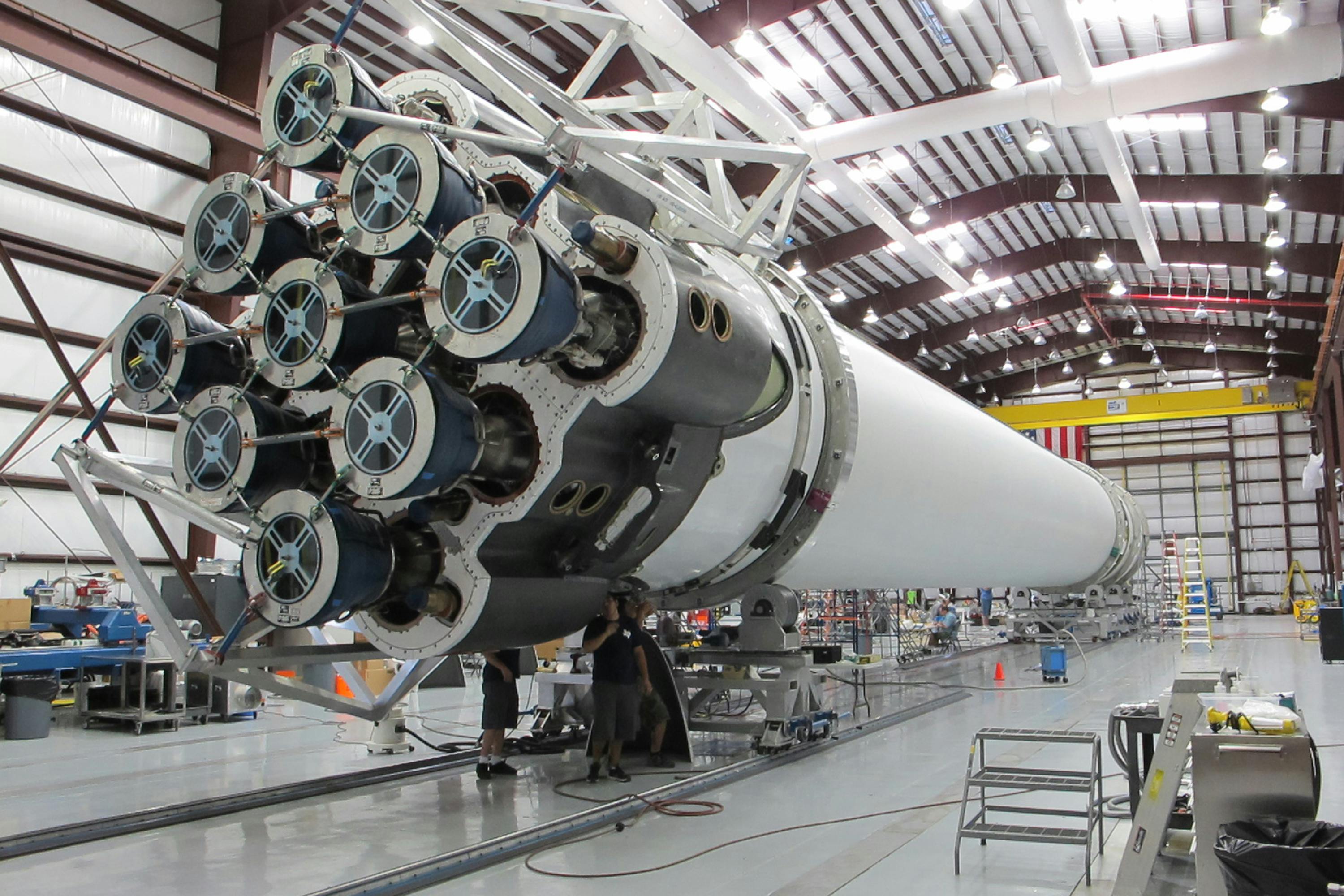
SpaceX continues to dominate the space launch market with a new Starlink mission, breaking Florida's annual launch record. The latest batch of satellites enhances global broadband coverage.
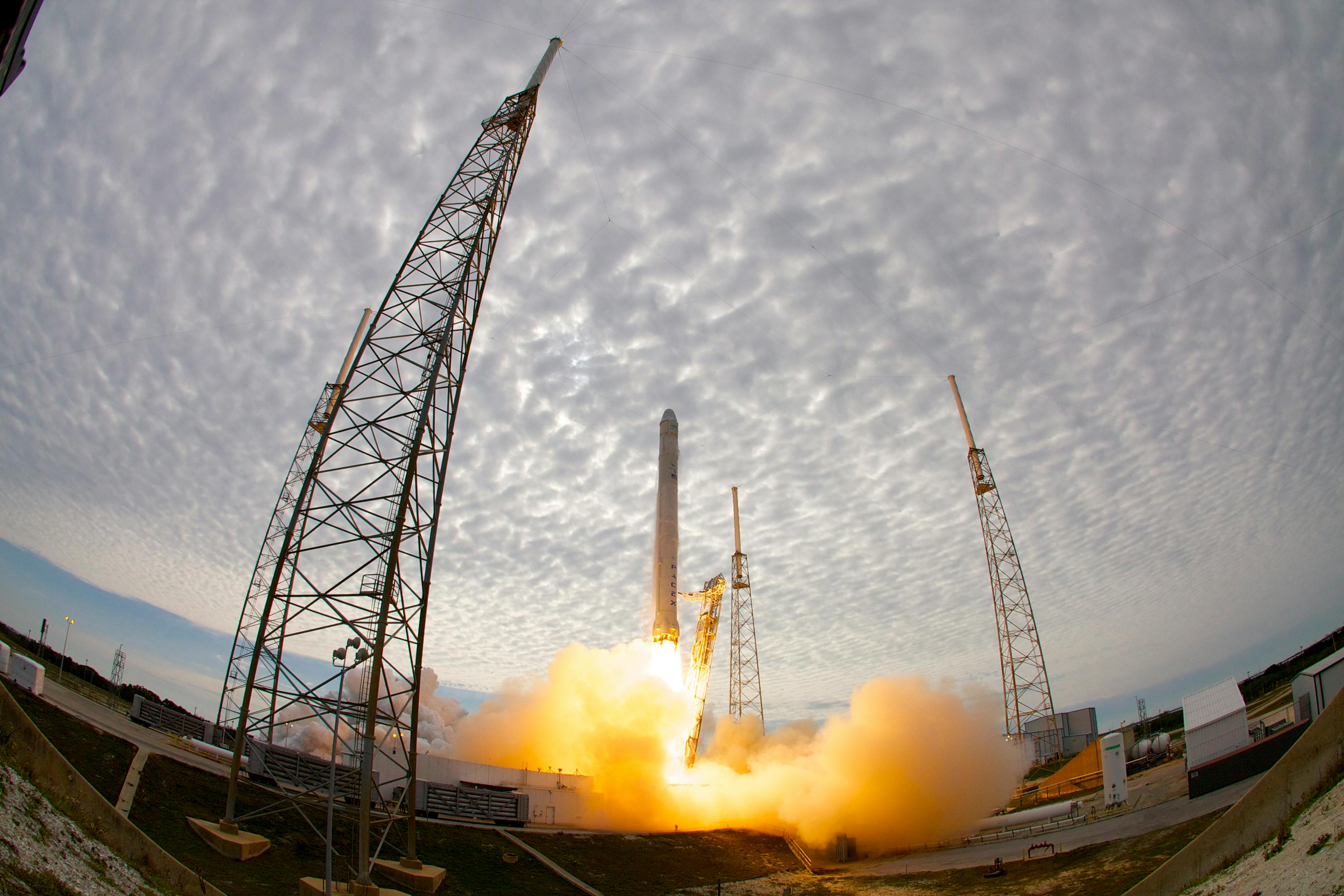
SpaceX conducts another Starship test flight, with high-profile audience; SEOPS secures Falcon 9 for rideshare mission; Ontario partners with Starlink for rural connectivity.

Discover today's fascinating space events, from exceptional aurora displays to potential exomoon formations, alongside intriguing satellite insights.
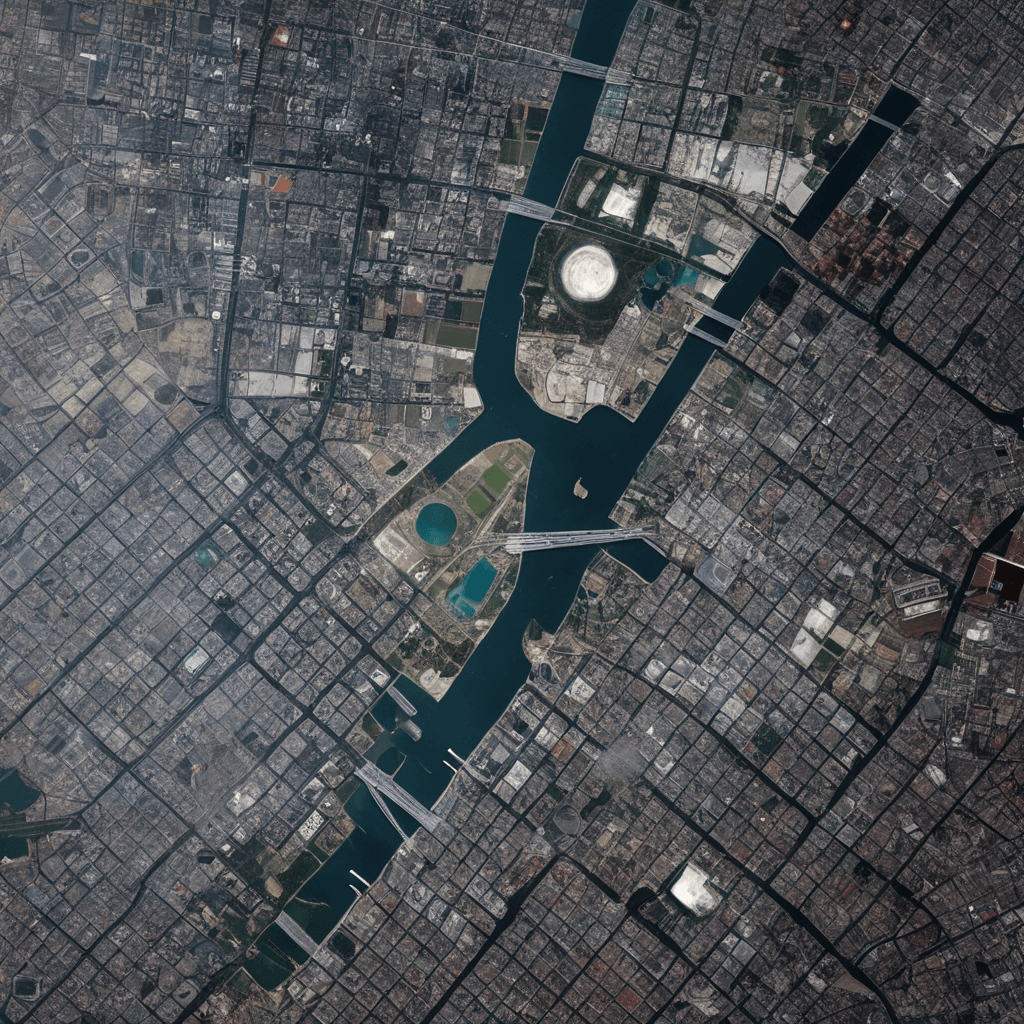
Learn which satellites take photos and why we can't get updates instantly.
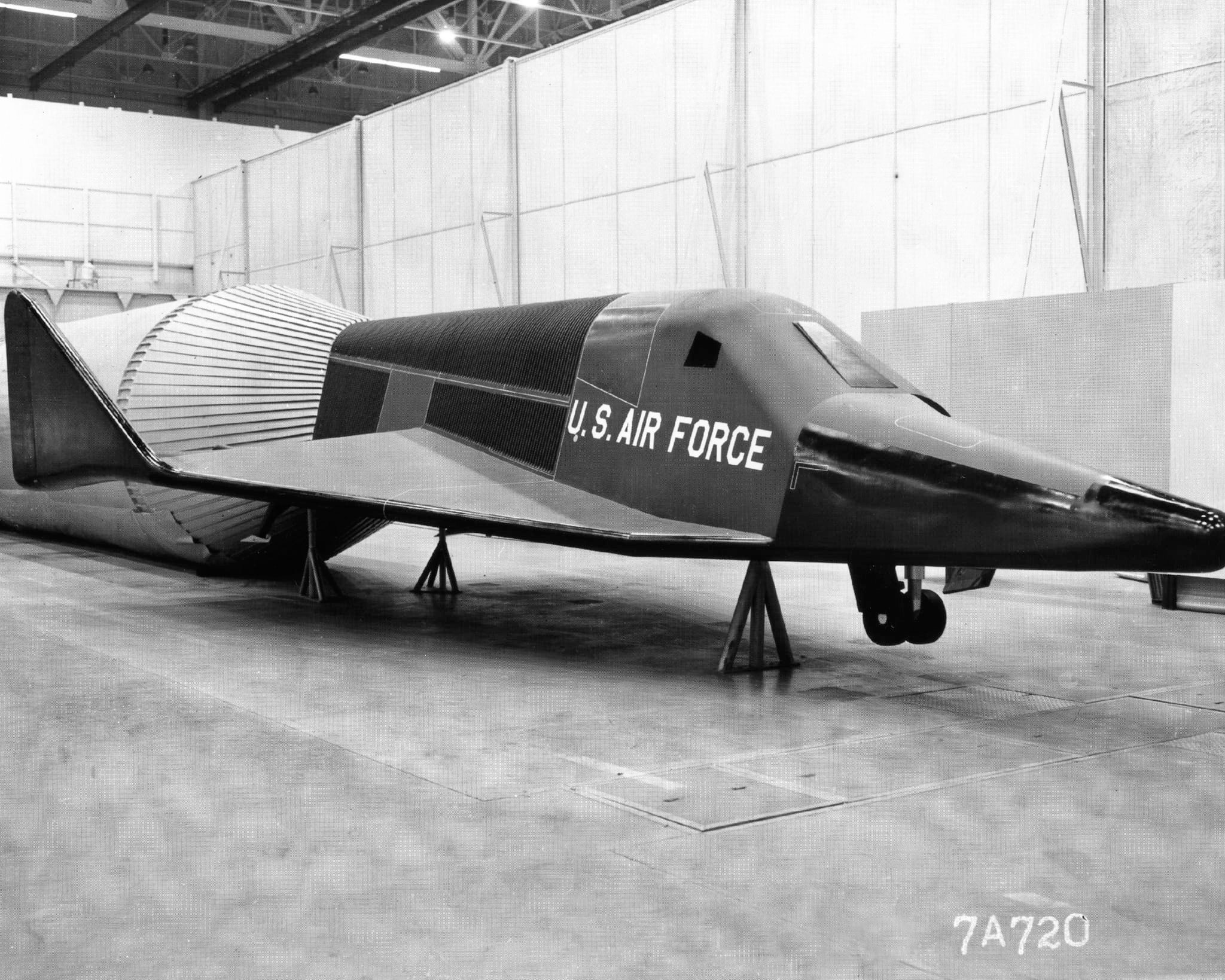
Exactly 62 years ago, Defense Secretary Robert McNamara ended the X-20 Dyna-Soar program, canceling one of the most ambitious spaceplane projects of the early Space Race - a vehicle that could have put aircraft in orbit decades before the Space Shuttle.

Forty-one years ago, astronaut Bruce McCandless II became the first human to float completely free in space, pushing the boundaries of both technology and human courage