


Space Force Eyes 1,000 Launches by 2031, New Site Required | KeepTrack Space Brief
Space Force projects ~1,000 launches between FY2027–FY2031, averaging 200 annually. DAF study concludes new launch site is "probably" required to absorb cadence.


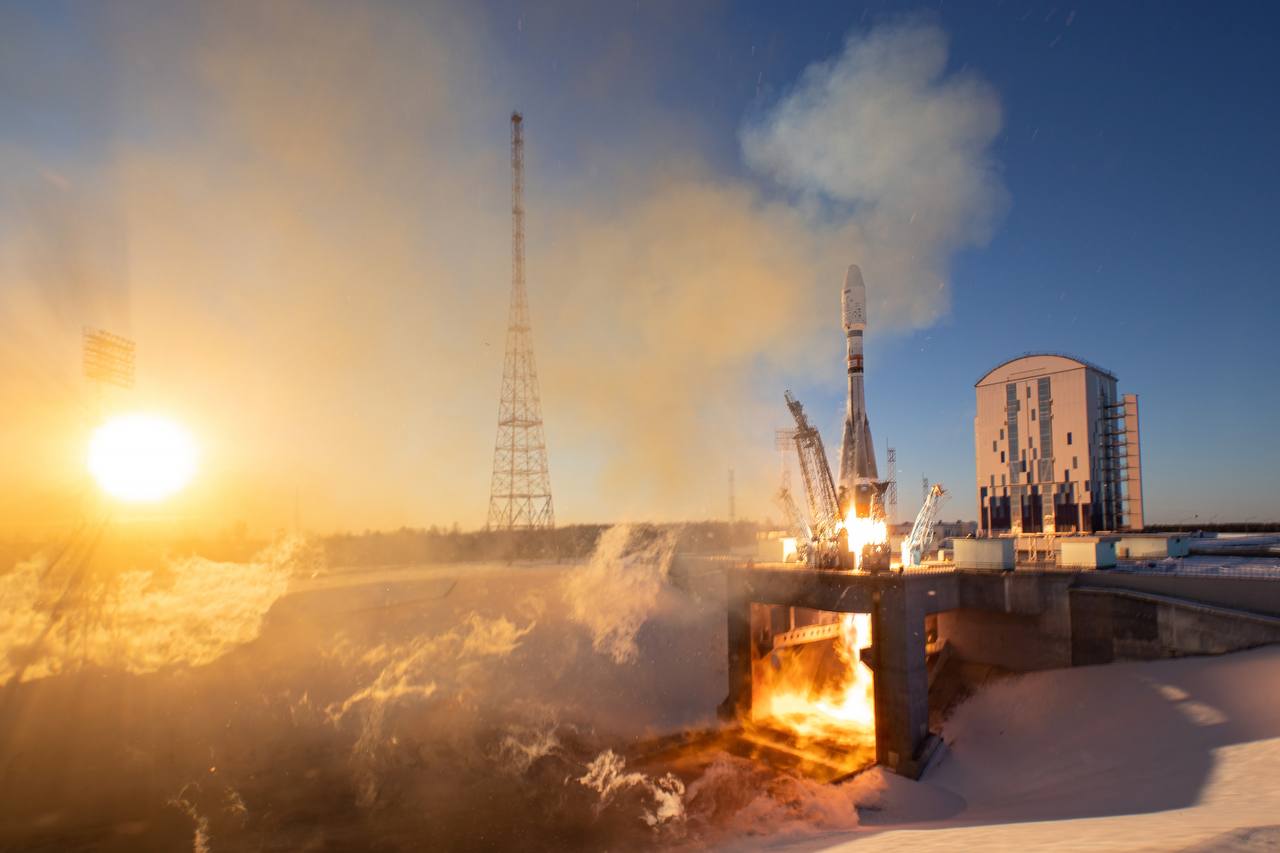
Launch Date
November 4, 2024
Launch Site
VOSTO
Launch Pad
PU1S
Launch Vehicle
Soyuz-2-1B
NORAD ID
61783
International Designator
2024-199BA
Decay Date
1/20/2026
Name
ZIMSAT-2
Alternative Name
ZIMSAT-2
Type
Status
Owner
ZINGSA/YUZGU
Country
ZW
Constellation
N/A
Related Satellites
Major Events
N/A
Apologies, there is no summary for this satellite yet. I am working to generate these for every object in the catalog, but it is going to take time.
Length
0.3
Diameter
0.1
Span
0.3
Dry Mass
5
Launch Mass
5
Shape
Box
Radar Cross Section
Unknown
Visual Magnitude
Unknown
Color
Unknown
Material Composition
Unknown
Payload
AMAISAT
Purpose
Unknown
Mission
Unknown
Manufacturer
YUZGU
Life Expectancy
Unknown
Bus
Cubesat 3U
Configuration
Unknown
Motor
Unknown
Equipment
Unknown
Power System
Unknown
ADCS
Unknown
Transmitter Frequency
Unknown
Learn more about satellites and other related topics.
Space Force projects ~1,000 launches between FY2027–FY2031, averaging 200 annually. DAF study concludes new launch site is "probably" required to absorb cadence.

SpaceX's Starship gains military attention, a feather-light achievement, and a busy week for Falcon 9.

DARPA's robotic satellite servicing mission targets GEO orbit by summer 2026. NASA adds six SpaceX crew missions as Boeing Starliner remains uncertified.
Today's key topics include the halting of the U.S. Air Force's rocket landing pad plans, the Space Force's shift to a flexible satellite strategy, delays in Australia's Eris 1 rocket launch, and the controversial cut of satellite sea-ice data to climate scientists.

Today's briefing covers the Space Force's plans for future launches, new initiatives in missile defense, and the latest on military and aerospace advancements.

Sixty-four years ago, NASA made a decision that would shape the future of human spaceflight by selecting three astronauts to compete for America's first journey into space

In 2024, China launched 68 orbital missions. In 2025, the number jumped to 97. In 2026, state media and Western analysts agree the target is 140 or more. Most of that growth is being driven by two state-backed mega-constellations, a half-dozen private launch companies hitting stride, and a deliberate national pivot toward commercial space. Beijing is no longer trying to catch SpaceX. It is trying to build an industrial base that outlasts one.

SpaceX readies Starship Flight 13 for July 16 launch to deploy first Starlink V3 satellites as Falcon 9 logs its 600th booster reuse.