


X Report 20 Jan 2025
SpaceX continues to push forward with its ambitious plans as the FAA investigates Starship debris reports, while Starlink maintains robust satellite operations.


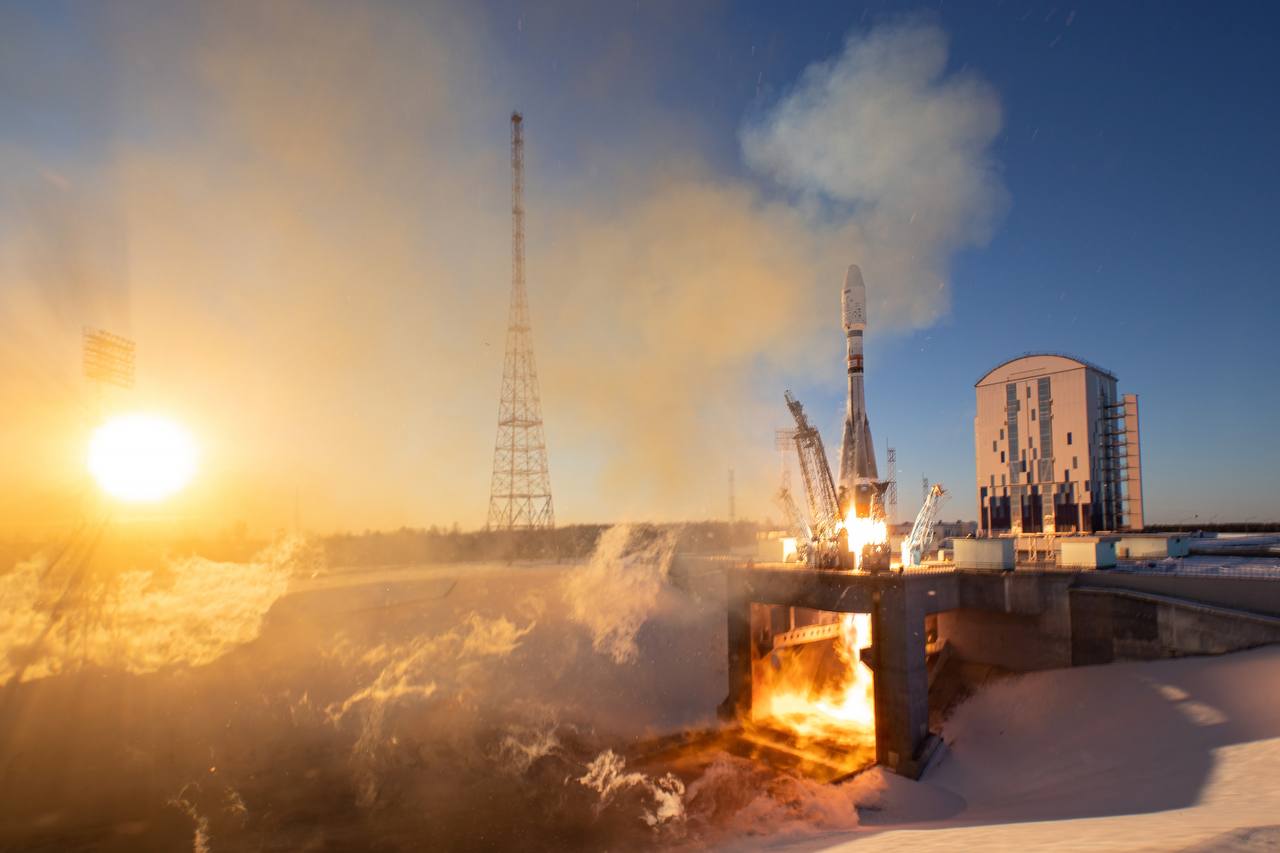
Launch Date
November 4, 2024
Launch Site
VOSTO
Launch Pad
PU1S
Launch Vehicle
Soyuz-2-1B
NORAD ID
61750
International Designator
2024-199R
Epoch
Sun, 19 Jul 2026 19:16:45 GMT
Apogee
Calculating...
Perigee
Calculating...
Inclination
97.29°
Right Ascension
77.19°
Eccentricity
Calculating...
Argument of Perigee
146.71°
Period
92.46 min
Mean Motion
15.57 rev/day
Latitude
Calculating...
Longitude
Calculating...
Altitude
Calculating...
Velocity
Calculating...
Name
OBJECT R
Alternative Name
Vladivostok-1
Type
Status
Owner
STTS
Country
Russia
Constellation
N/A
Related Satellites
Major Events
N/A
1 61750U 24199R 26200.80330024 .00022378 00000+0 30540-3 0 9990
2 61750 97.2899 77.1941 0007760 146.7070 213.4675 15.57466649142625
Source: Celestrak
Apologies, there is no summary for this satellite yet. I am working to generate these for every object in the catalog, but it is going to take time.
Length
0.3
Diameter
0.1
Span
0.3
Dry Mass
3
Launch Mass
3
Shape
Box
Radar Cross Section
Unknown
Visual Magnitude
Unknown
Color
Unknown
Material Composition
Unknown
Payload
Vladivostok-1
Purpose
Unknown
Mission
Unknown
Manufacturer
STTS/SPBPU
Life Expectancy
Unknown
Bus
Cubesat 3U
Configuration
Unknown
Motor
Unknown
Equipment
Unknown
Power System
Unknown
ADCS
Unknown
Transmitter Frequency
Unknown
Learn more about satellites and other related topics.
SpaceX continues to push forward with its ambitious plans as the FAA investigates Starship debris reports, while Starlink maintains robust satellite operations.

Today's briefing covers the Space Force's plans for future launches, new initiatives in missile defense, and the latest on military and aerospace advancements.
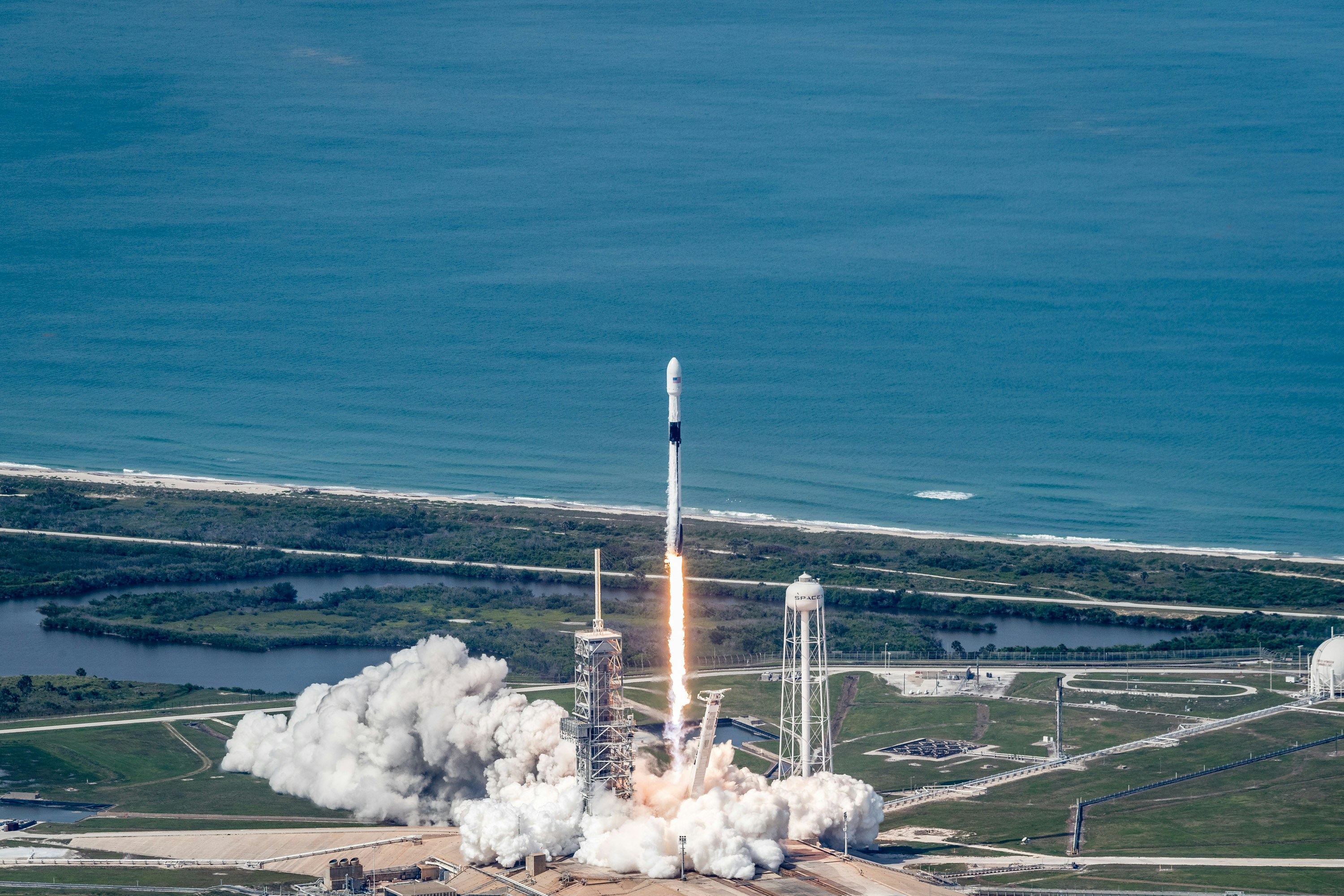
SpaceX's Falcon 9 rideshare lifted 45 satellites including South Korea's CAS500-2 Earth observer from Vandenberg at 0700 UTC May 3.

FCC approves 7,500 additional Starlink Gen2 satellites. Space Force awards SpaceX $739M for nine national security launches. NASA plans Crew-11 medical evacuation from ISS on January 14.

Forty years ago today, Challenger lifted off LC-39A on a science mission that nobody outside Morton-Thiokol would call dangerous. Years later, after the orbiter and seven other astronauts were gone, investigators looked at the recovered boosters from STS-51B and realized the crew had come within a fraction of a second of dying first. This is the story of the launch that should have been a warning.
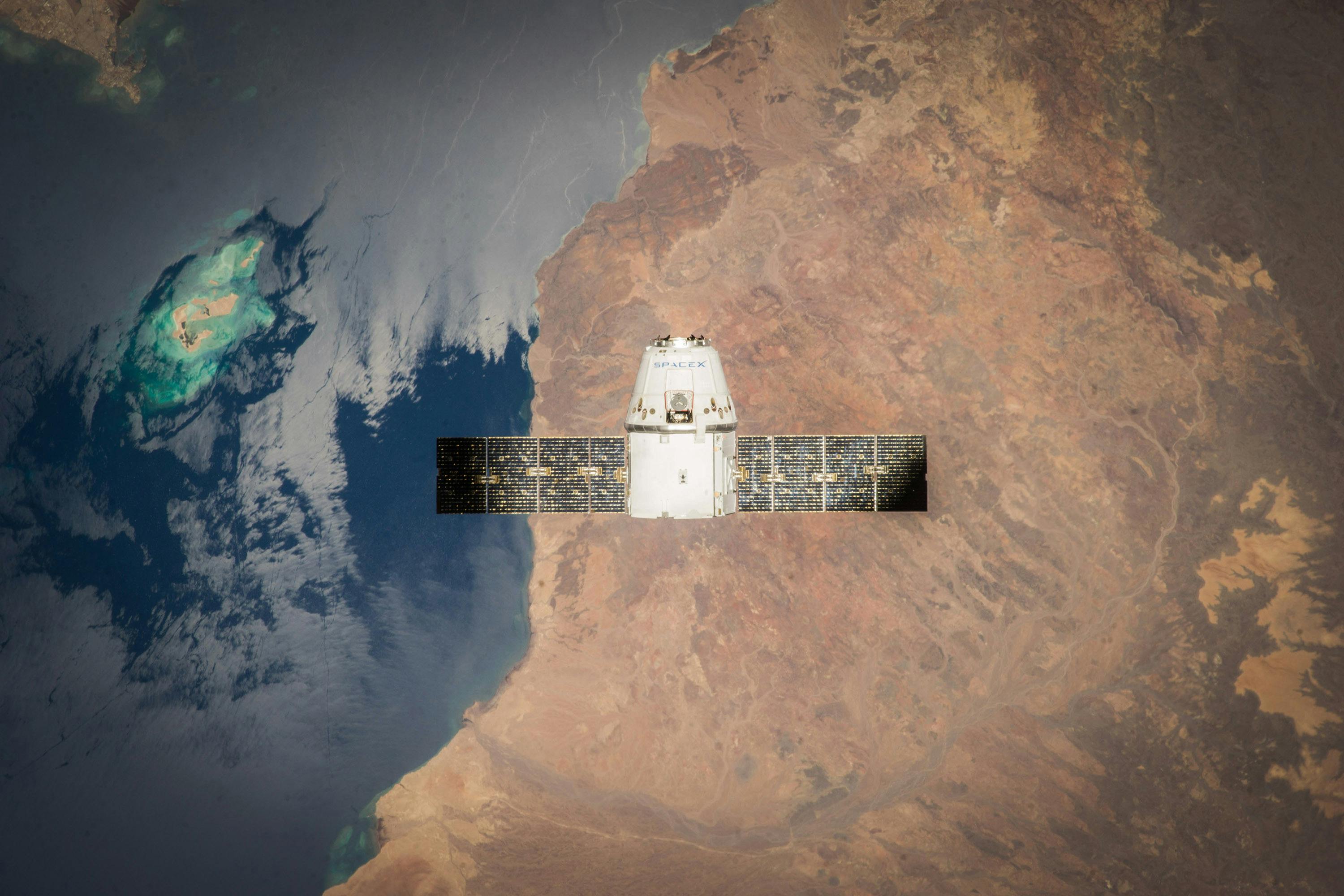
SpaceX readies Starlink 17-20 launch of 25 satellites to polar orbit from Vandenberg pad 4E — seventh Starlink mission of the year. 11,009 total Starlink satellites launched to date.
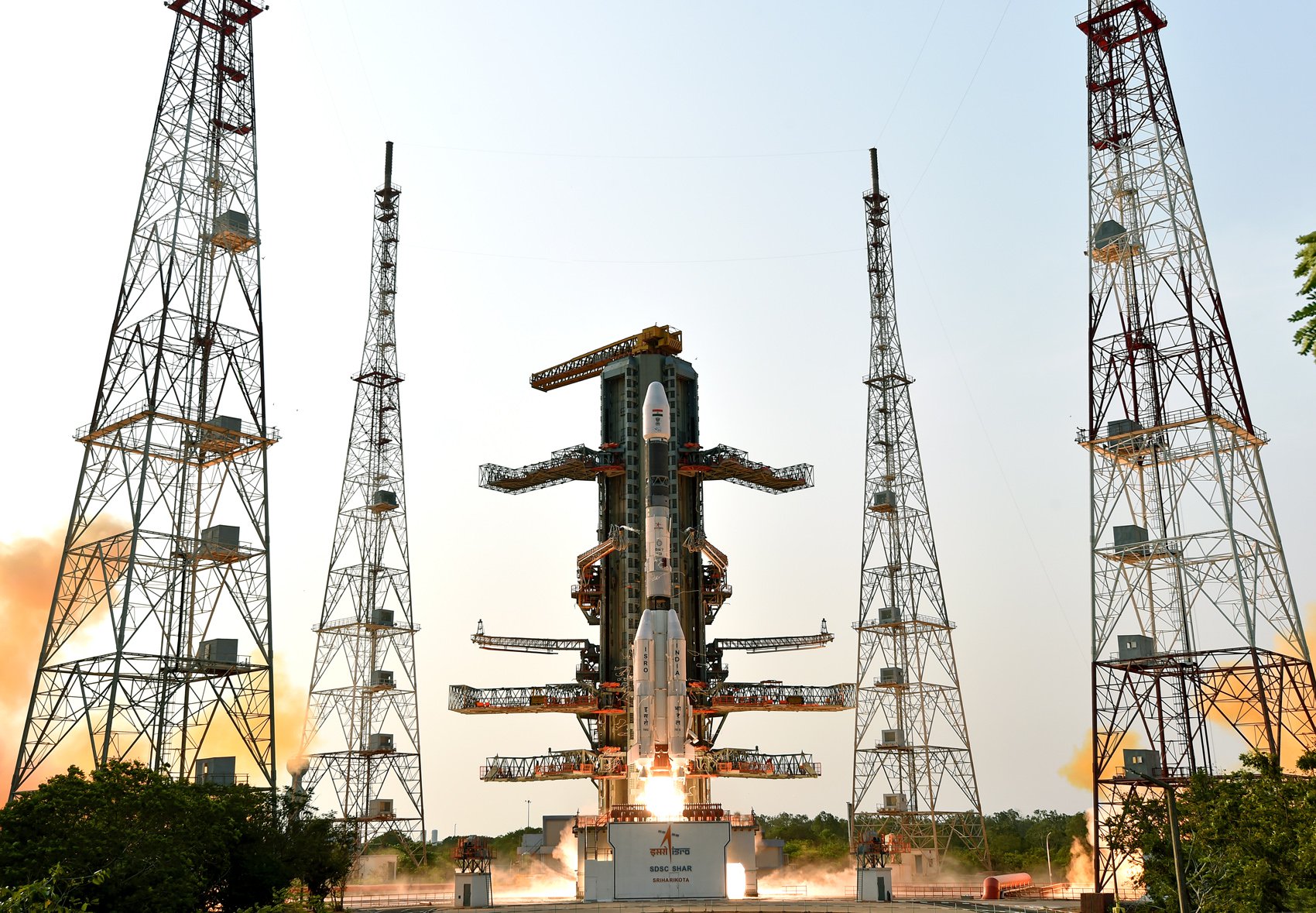
Today's brief covers new military space funding, intriguing scientific discoveries, and defense contracts impacting global military strategies.
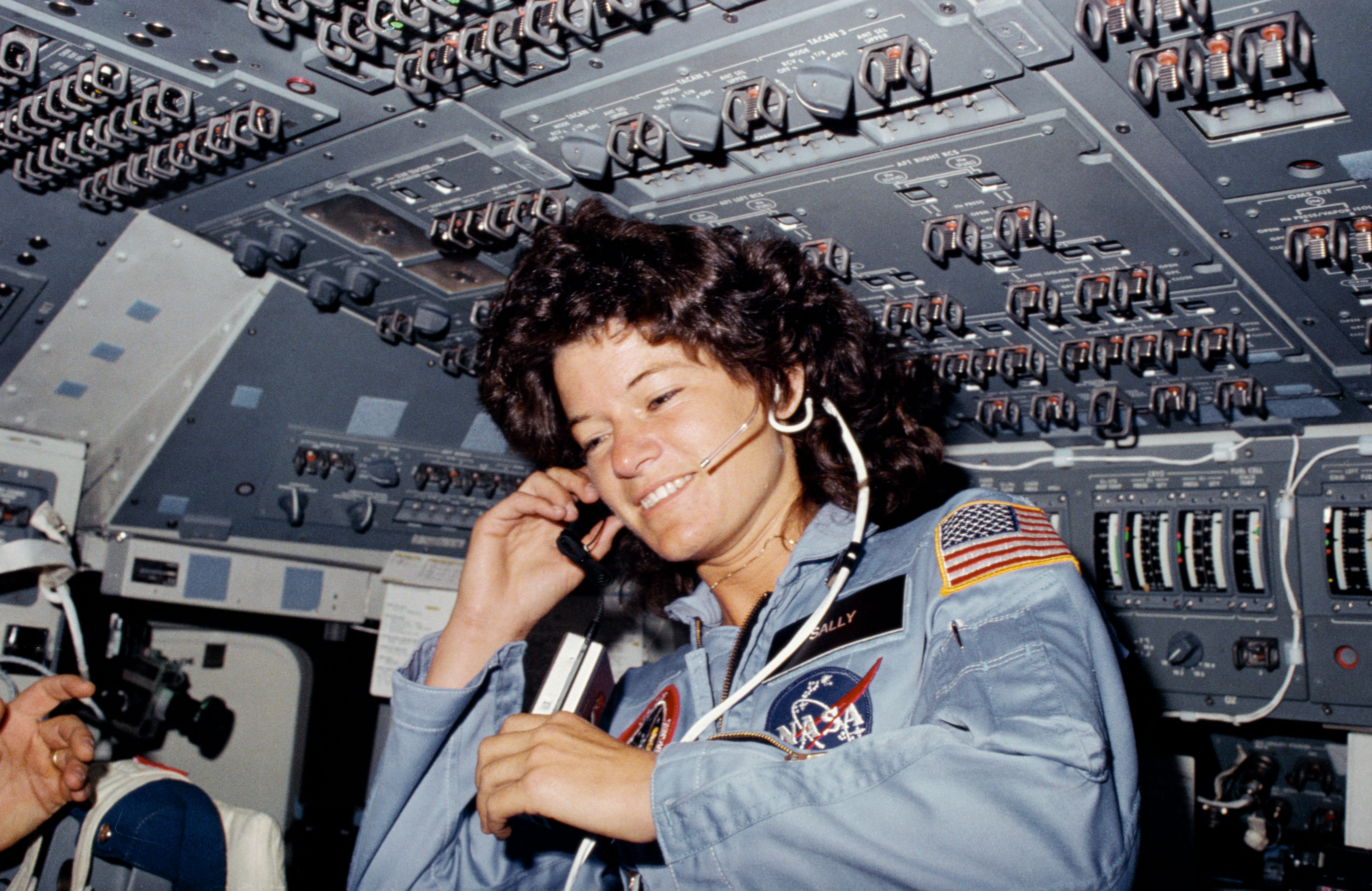
At 7:33 on the morning of 18 June 1983, a 32-year-old astrophysicist named Sally Ride rode Challenger off Pad 39A and became the first American woman in space. She got there two decades after the Soviets, and only after months of being asked whether spaceflight would damage her reproductive organs and whether she planned to cry.