


X Report 14 Mar 2025
SpaceX advances pre-launch tests amid Starlink deployment surge and strategic expansions in Texas.


Launch Date
November 4, 2024
Launch Site
TANSC
Launch Pad
Y2
Launch Vehicle
H3-22S
NORAD ID
61734
International Designator
2024-198B
Decay Date
3/22/2025
Name
H-3 R/B
Alternative Name
H3 F4 Stage 2
Type
Status
Owner
MHI
Country
Japan
Constellation
N/A
Related Satellites
Major Events
N/A
Length
12
Diameter
5.2
Span
12
Dry Mass
2500
Launch Mass
2500
Shape
Cyl
Radar Cross Section
Unknown
Visual Magnitude
Unknown
Color
Unknown
Material Composition
Unknown
Payload
H3 Stage 2
Purpose
Unknown
Mission
Unknown
Manufacturer
MHITO
Life Expectancy
Unknown
Bus
H-2A Stage 2
Configuration
Unknown
Motor
Unknown
Equipment
Unknown
Power System
Unknown
ADCS
Unknown
Transmitter Frequency
Unknown
Learn more about satellites and other related topics.
SpaceX advances pre-launch tests amid Starlink deployment surge and strategic expansions in Texas.

SpaceX confidentially files for a record-breaking IPO targeting a $1.75T valuation and $80B raise, while a Starlink satellite breaks apart in orbit.
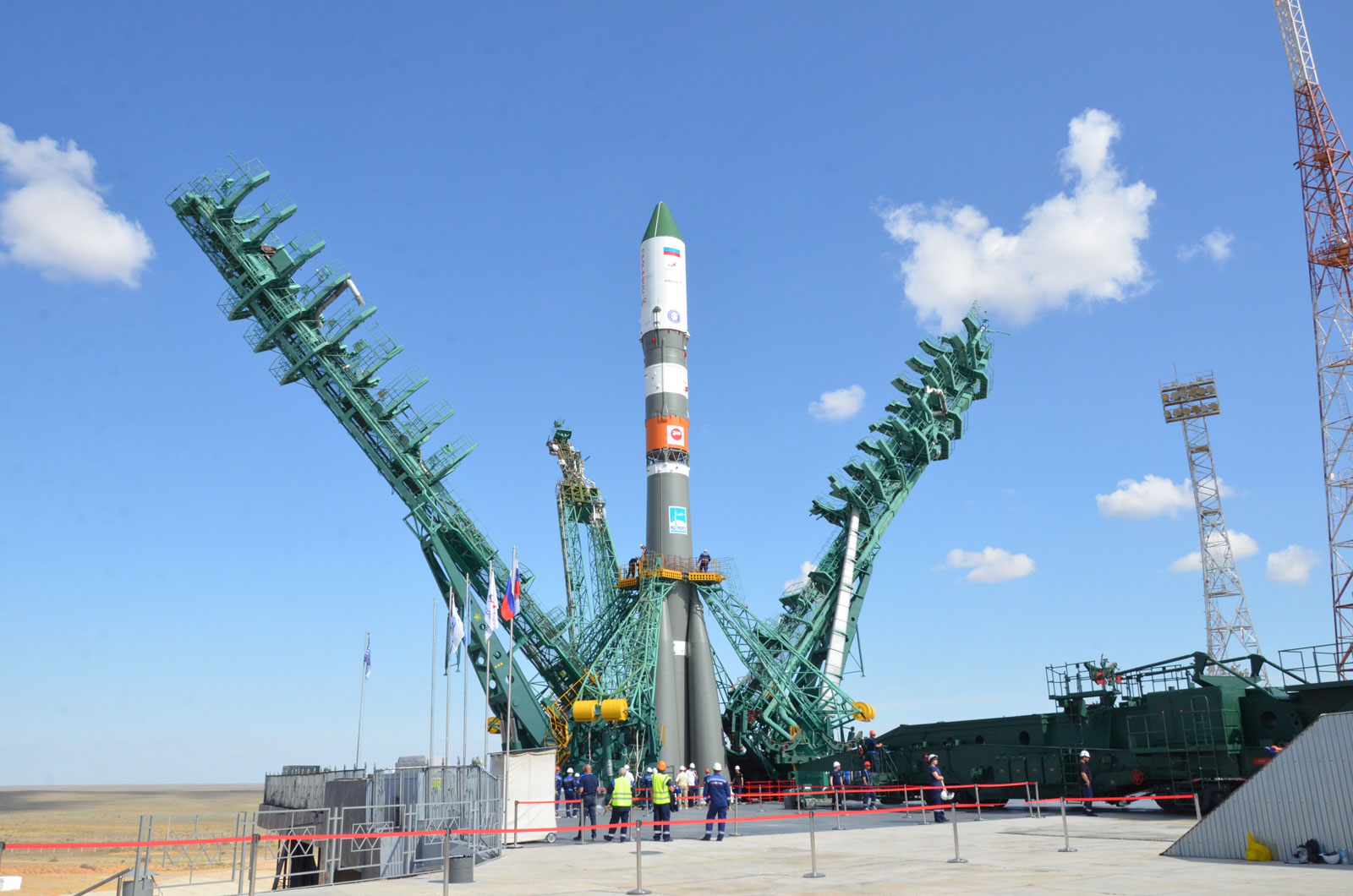
Today's highlights include a record-breaking event at the International Space Station, significant funding for hypersonic missile production, and several key military developments impacting space strategy.
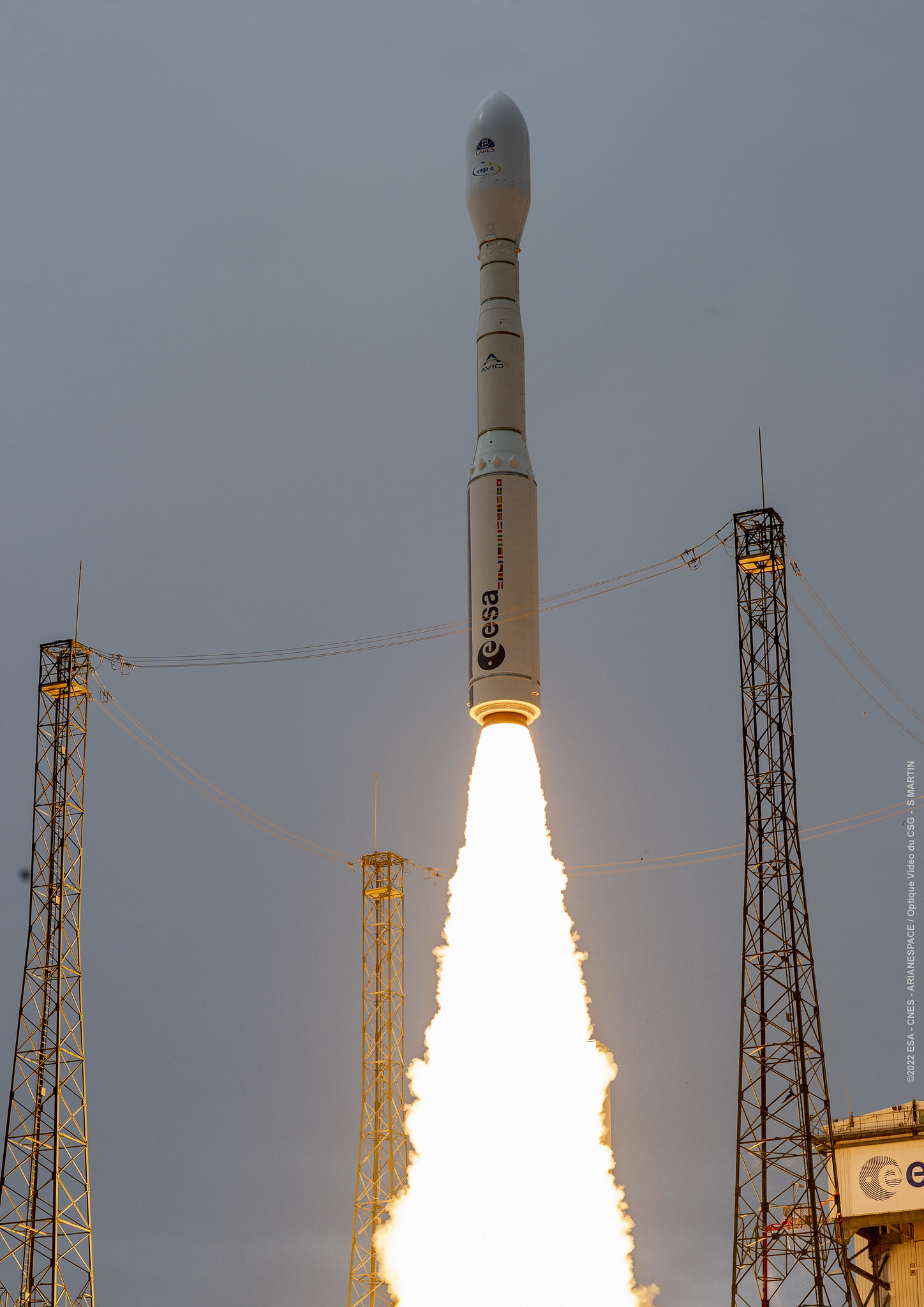
Today's highlights include a space debris incident involving China's spacecraft, development advancements for military space missions, and a notable setback for SpaceX's Starship booster.

SpaceX continues to make strides with successful satellite launches and competitive maneuvering in the direct-to-device market, as AST SpaceMobile aligns with Verizon for space-based cellular services.

Discover the history and significance of Two-Line Element Sets (TLEs) in satellite tracking. Dive into their components, applications, and how they are evolving to meet future space challenges.
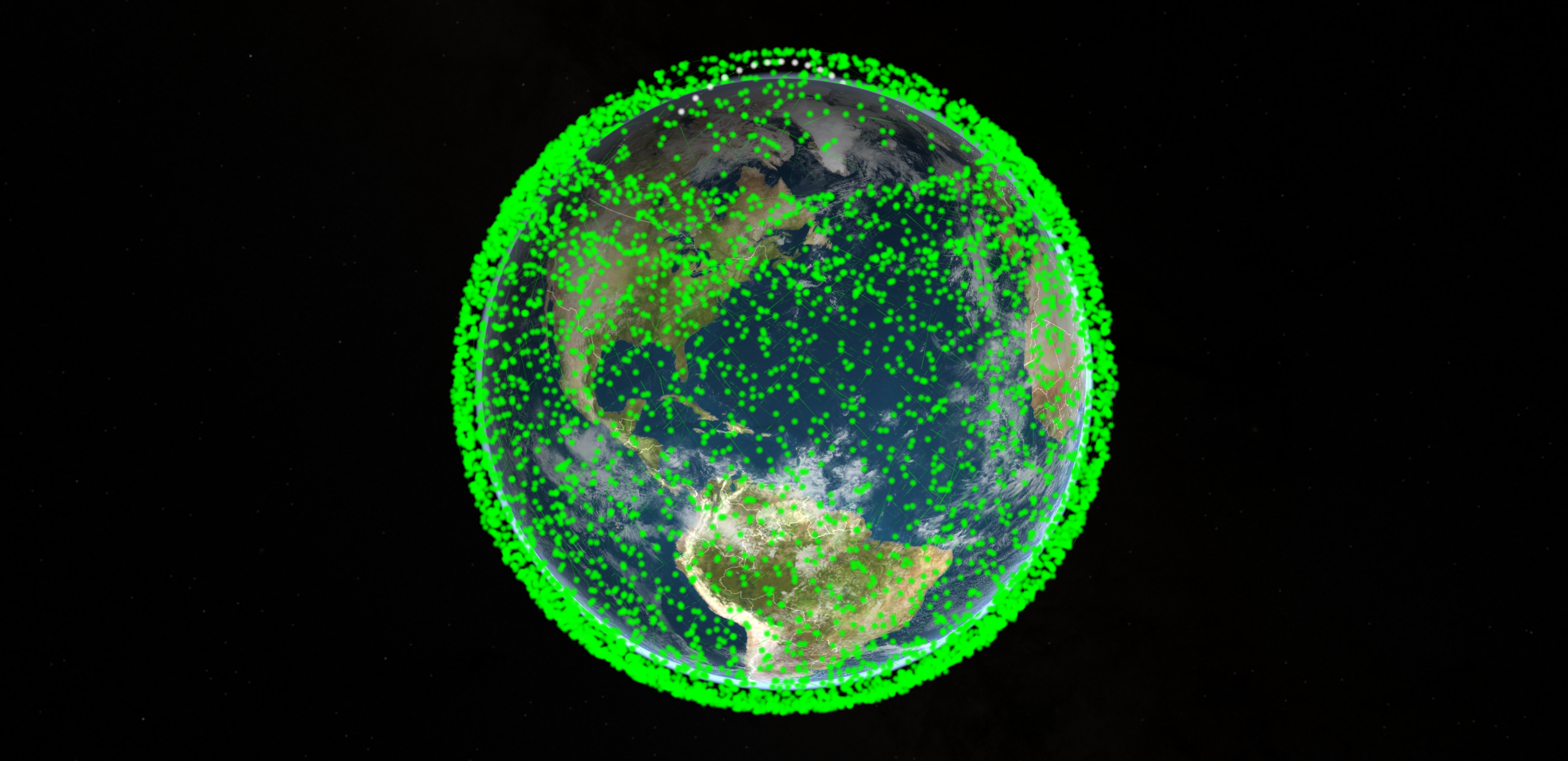
STARLINK-34343 broke apart at 560 kilometers. SpaceX's response - launch more satellites the next morning - tells you everything about the confidence gap between fleet statistics and individual failure modes.
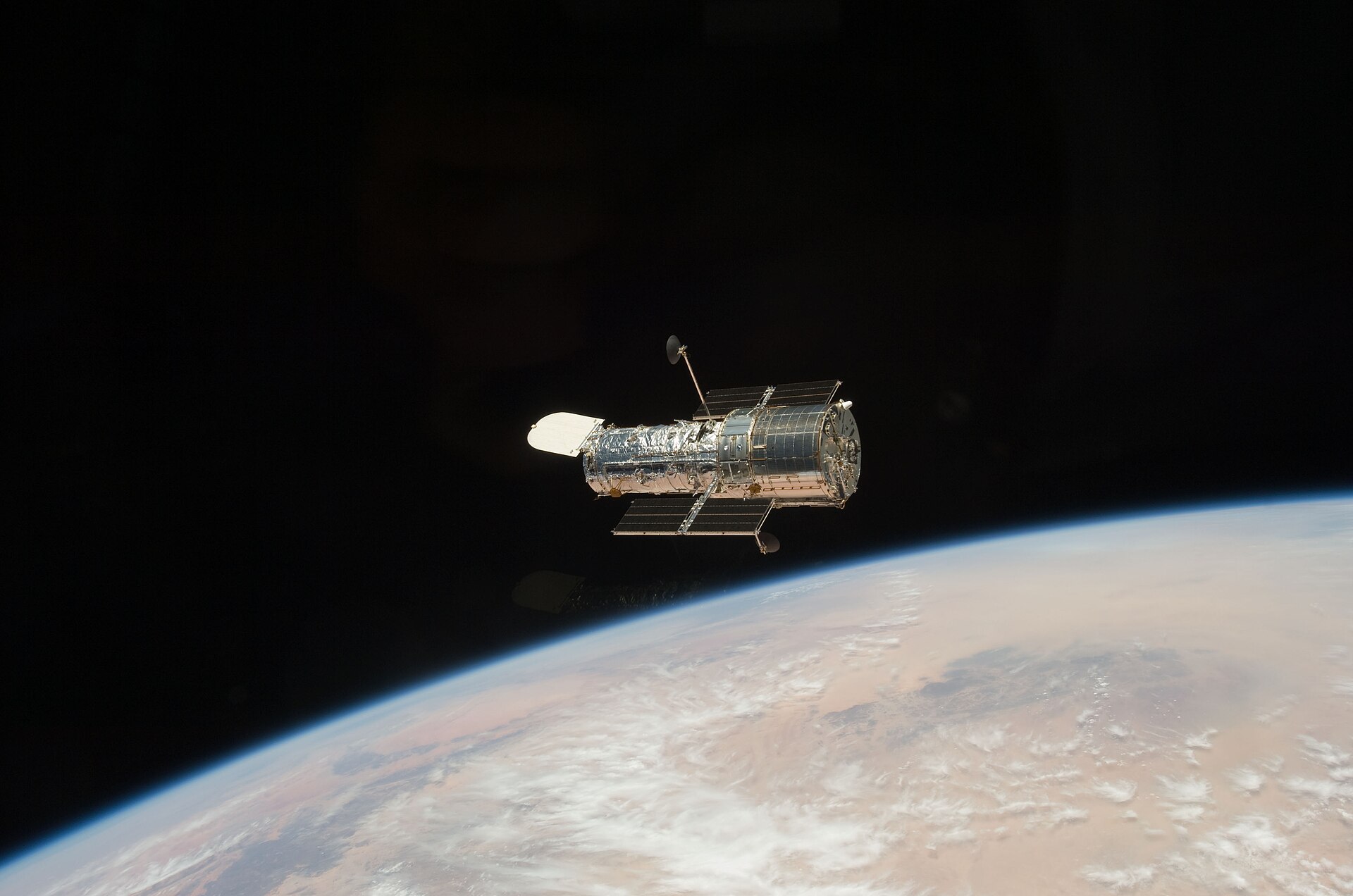
On April 25, 1990, the Space Shuttle Discovery's robotic arm lifted a 11,110-kilogram barrel of mirrors and instruments out of the payload bay and released it into orbit. Six weeks later, the first images came back badly out of focus. The Hubble Space Telescope had been ground to the wrong prescription, and America had just spent $2.5 billion on what the press was calling a 'technoturkey.'