

Space Brief 6 Aug 2025
Highlights of today's Space Brief include advancements in missile defense systems, a historic lunar project by NASA, and strategic military investments in satellite technology.


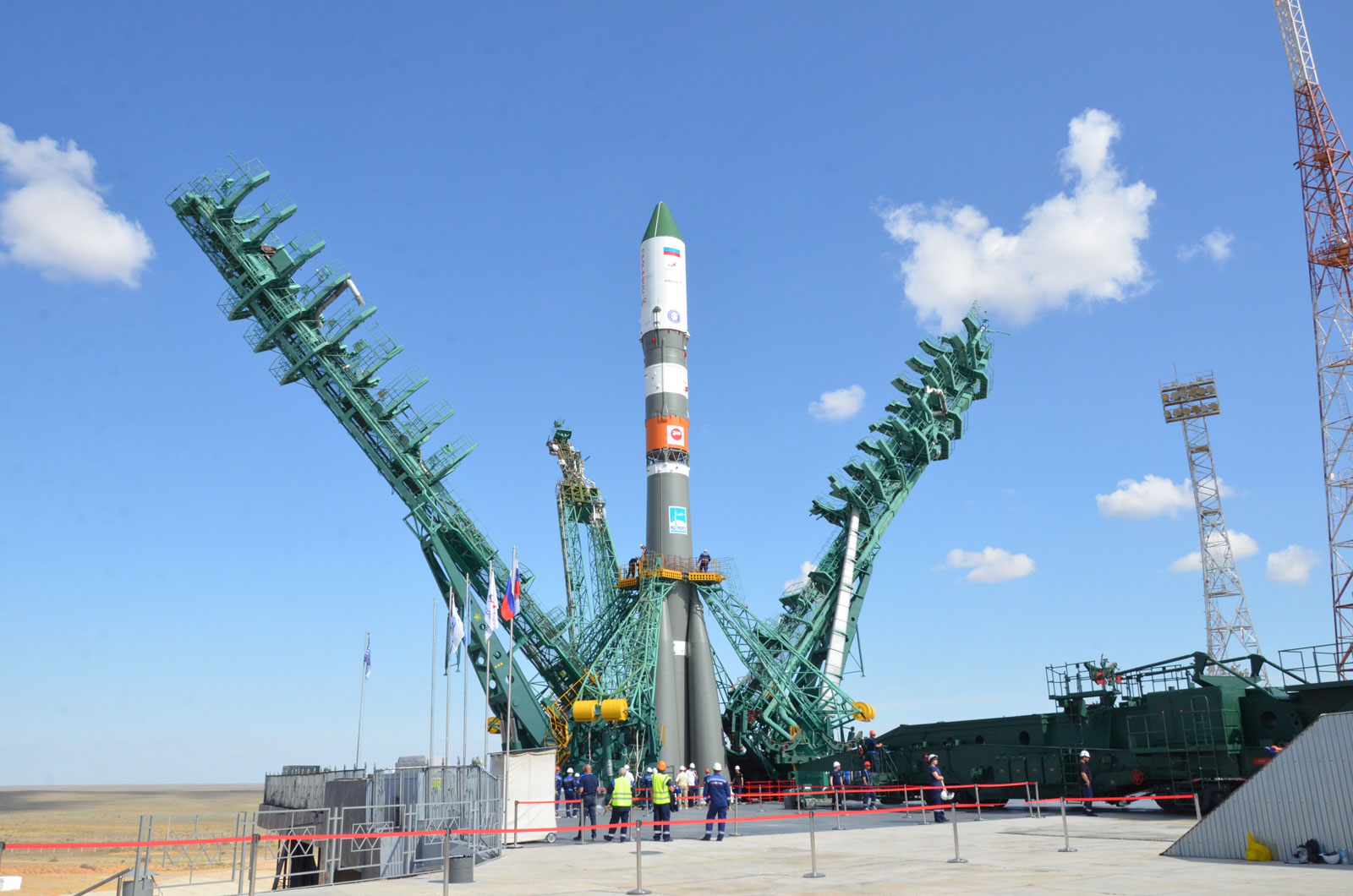
Launch Date
August 30, 1972
Launch Site
Launch Pad
LC31
Launch Vehicle
Voskhod 11A57
NORAD ID
06169
International Designator
1972-067B
Decay Date
9/3/1972
Name
SL-4 R/B
Alternative Name
Voskhod (N195) Blok-I
Type
Status
Owner
RVSN
Country
USSR
Constellation
N/A
Related Satellites
Major Events
N/A
Length
6.7
Diameter
2.7
Span
6.7
Dry Mass
2350
Launch Mass
2350
Shape
Cyl
Radar Cross Section
Unknown
Visual Magnitude
Unknown
Color
Unknown
Material Composition
Unknown
Payload
11A57I
Purpose
Unknown
Mission
Unknown
Manufacturer
PROG
Life Expectancy
Unknown
Bus
Blok-I
Configuration
Unknown
Motor
Unknown
Equipment
Unknown
Power System
Unknown
ADCS
Unknown
Transmitter Frequency
Unknown
Learn more about satellites and other related topics.
Highlights of today's Space Brief include advancements in missile defense systems, a historic lunar project by NASA, and strategic military investments in satellite technology.
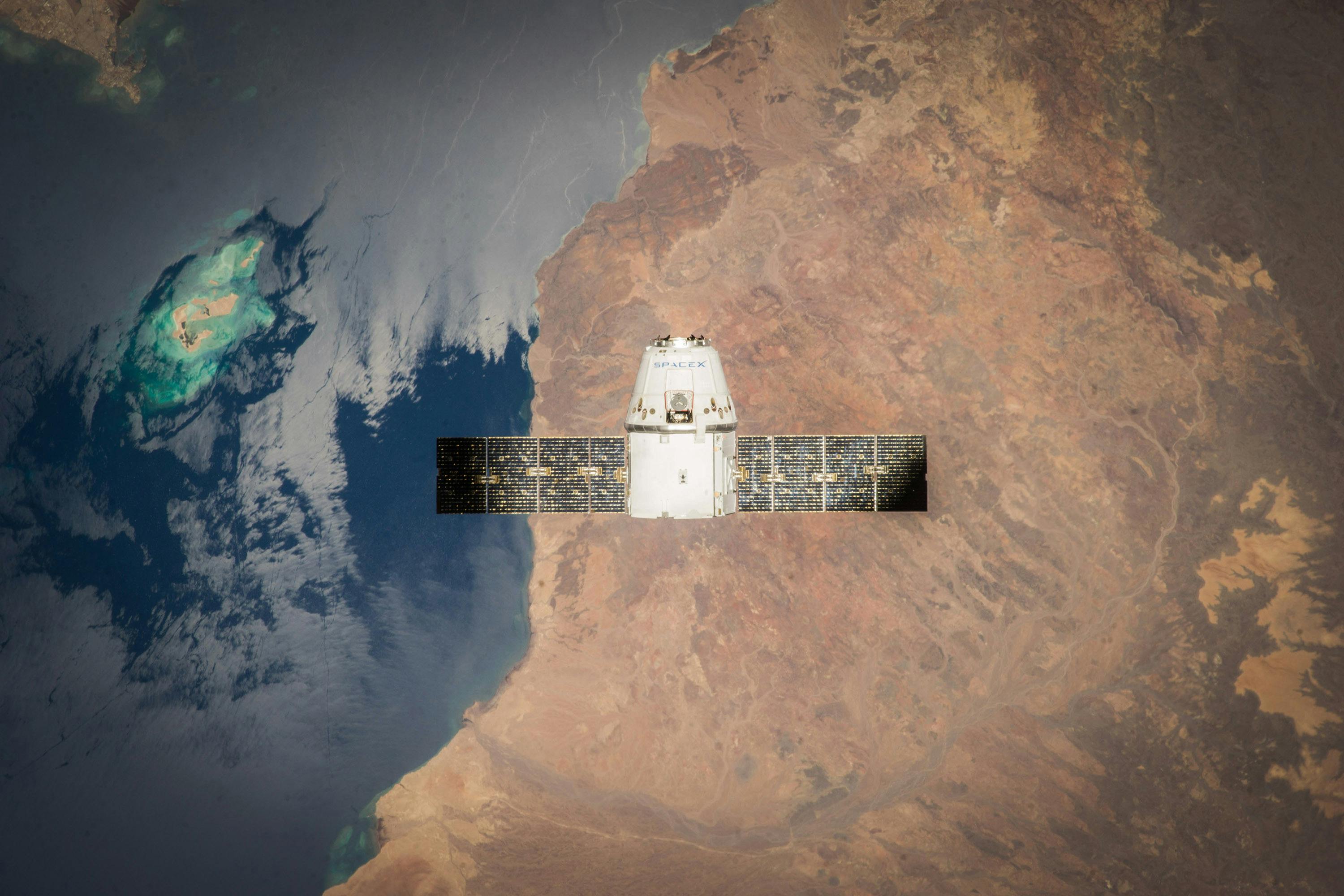
SpaceX executes dual Starlink launches and secures Dragonfly mission contract while managing NRO satellite deployment.
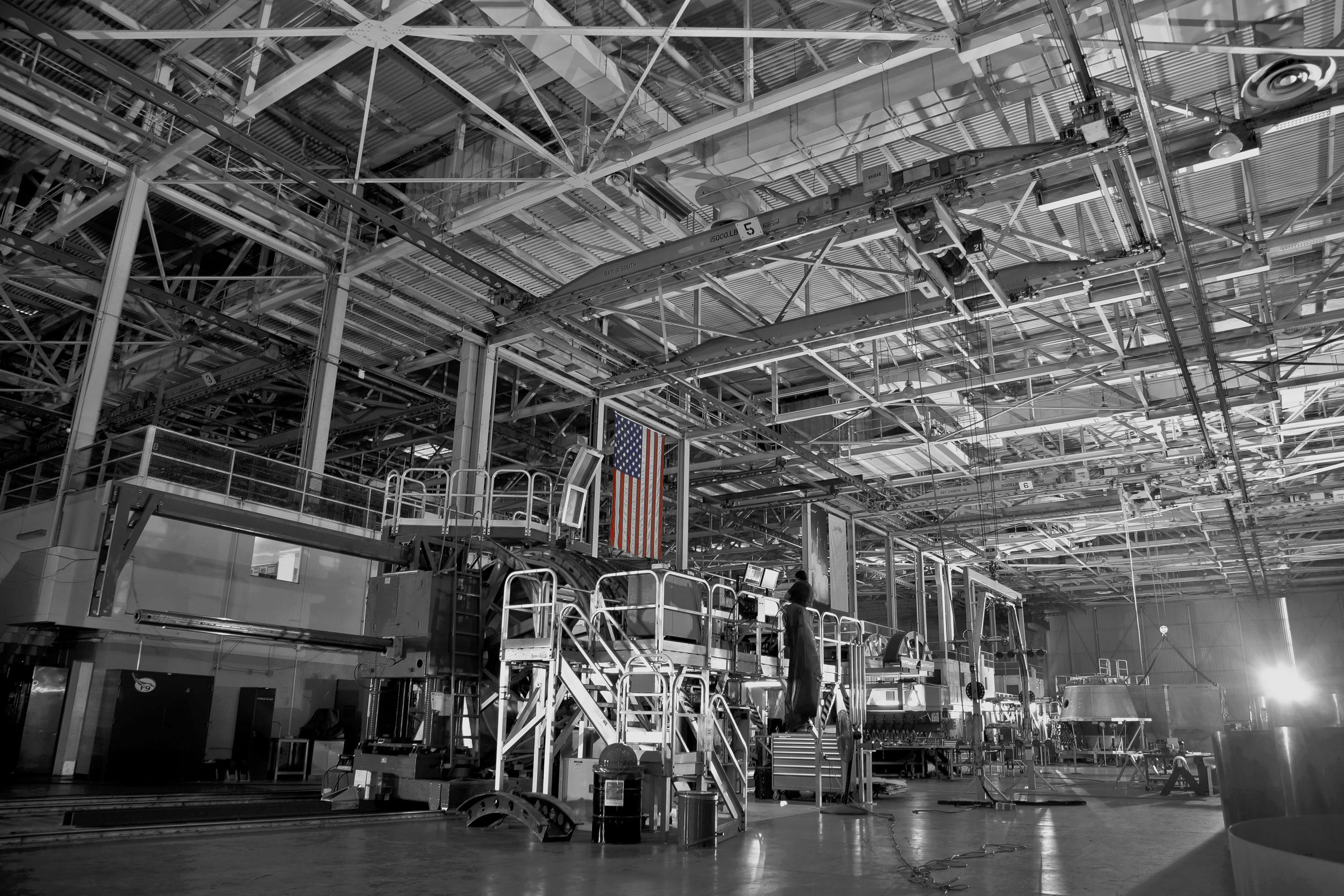
SpaceX successfully launched 21 military satellites, marking a key achievement in national security efforts, while preparations continue for the upcoming NASA mission and insights emerge from the Starship development process.
Keck Foundation team proposes first-ever graviton detector concept. Space Force shelves Resilient GPS program. China advances Long March 12B reusable rocket with static fire test at Jiuquan.

SpaceX successfully launched Northrop Grumman's new Cygnus XL cargo spacecraft to the ISS, marking a significant advancement in cargo delivery capabilities.

SpaceX safely returns Crew-9 from ISS, launches new Starlink satellites, and showcases its satellite kit production capabilities.
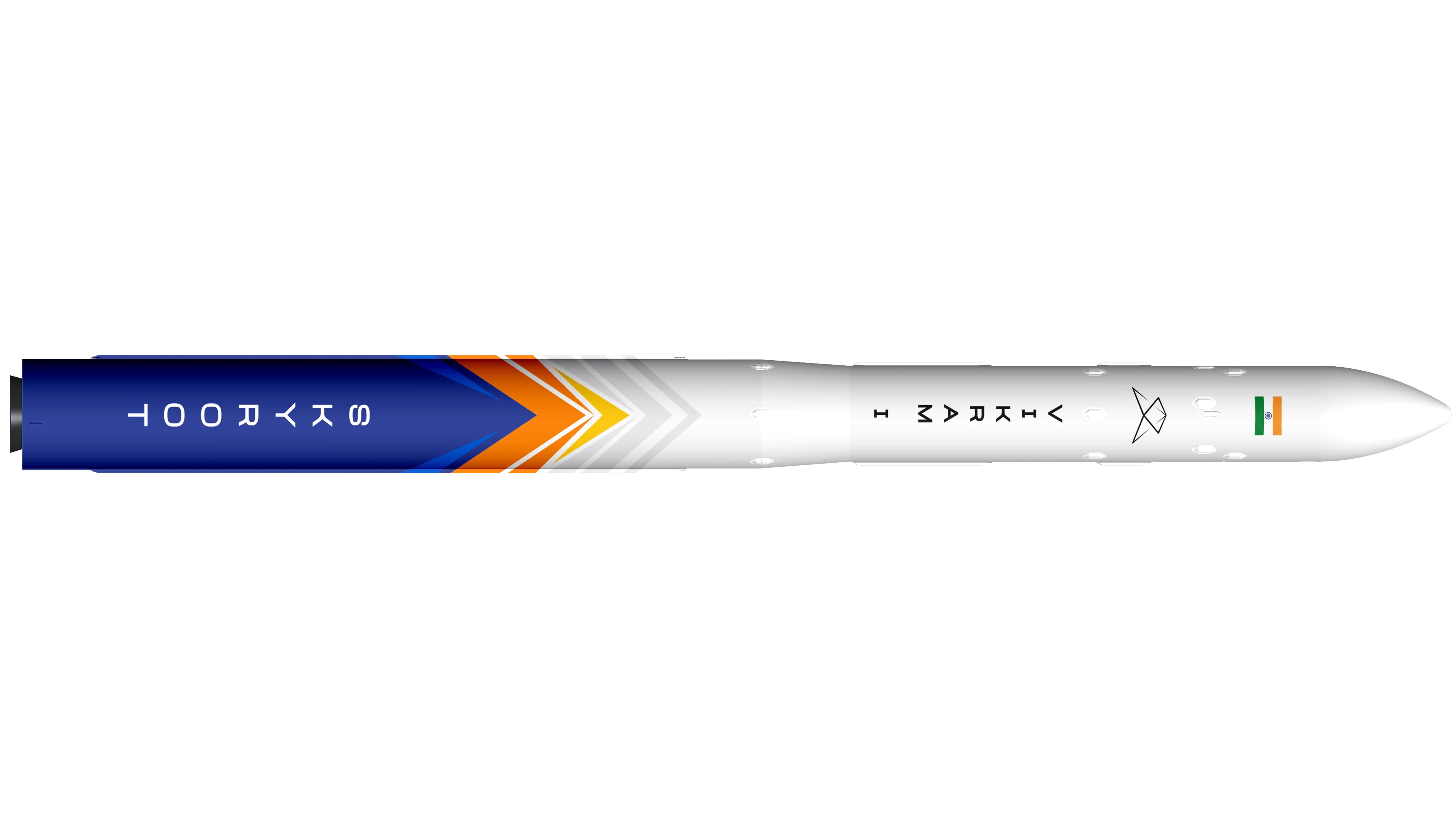
SpaceX rideshare Falcon 9 deployed 81 payloads including military tech demos to sun-synchronous orbit. China's Long March 10B and India's Vikram-I both debut this week among 6 scheduled launches.
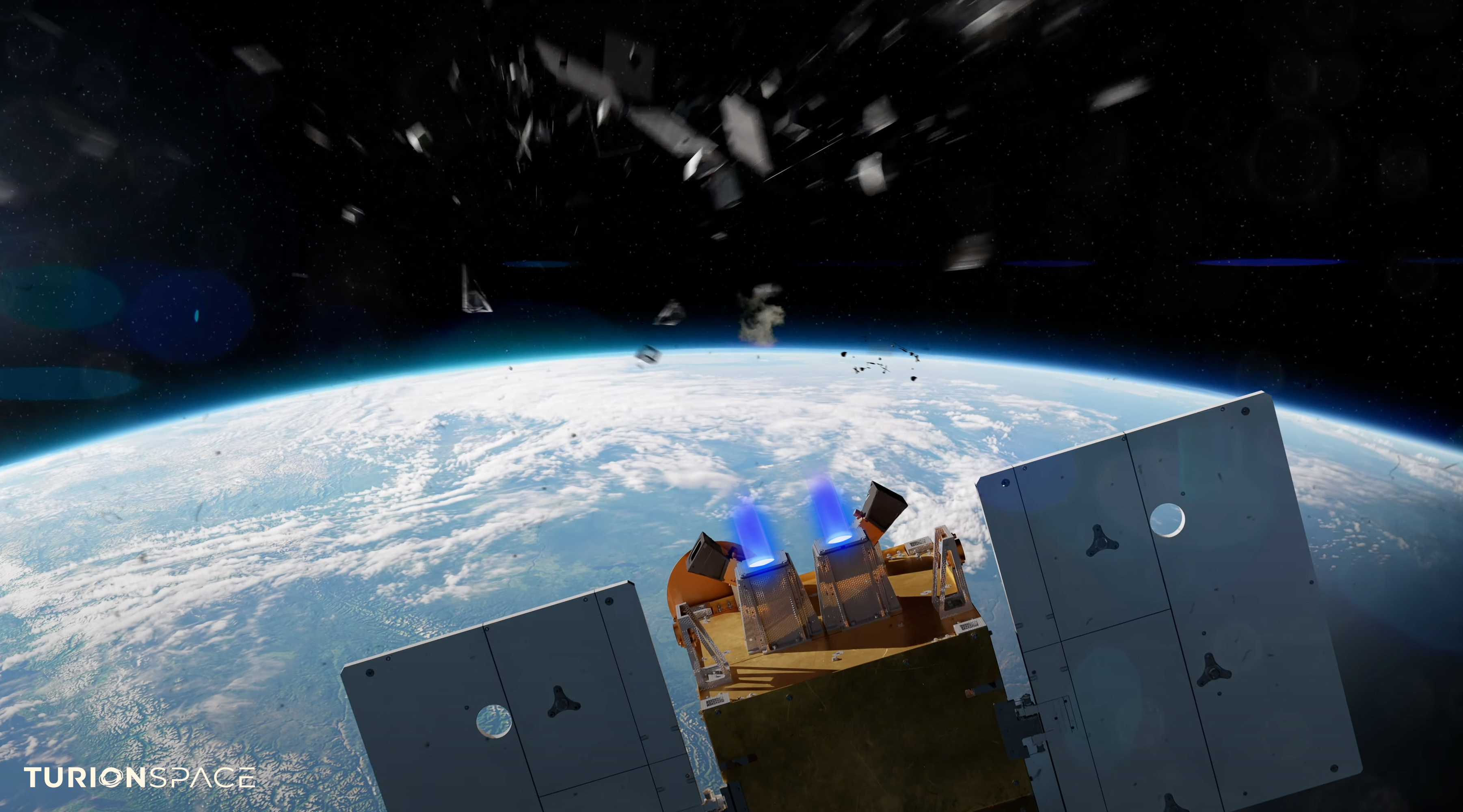
A 90-kilogram spacecraft with iodine thrusters and two Australian-built cameras is quietly building the case that tracking space debris is a business worth billions - and that a four-year-old startup from Irvine can own it.