STARLINK-11335 [DTC] (61687)

COSPAR: 2024-195A | Alt Name: Starlink 11335

Image
STARLINK-11335 [DTC] Satellite Image
Additional Sources
Launch Details

Launch Date

October 30, 2024

Launch Site

AFWTR

Launch Pad

SLC4E

Launch Vehicle

Falcon 9

Orbital Elements

NORAD ID

61687

International Designator

2024-195A

Epoch

Sun, 19 Jul 2026 23:04:33 GMT

Apogee

Calculating...

Perigee

Calculating...

Inclination

53.16°

Right Ascension

94.56°

Eccentricity

Calculating...

Argument of Perigee

96.61°

Period

91.74 min

Mean Motion

15.70 rev/day

Latitude

Calculating...

Longitude

Calculating...

Altitude

Calculating...

Velocity

Calculating...

Polar Plot
3D Visualization
Basic Satellite Info

Name

STARLINK-11335 [DTC]

Alternative Name

Starlink 11335

Type

Payload

Status

Operational

Owner

SPXS

Country

United States

Constellation

N/A

Related Satellites

Major Events

N/A

Latest TLEs
1 61687U 24195A   26200.96149622 -.00000456  00000+0  10977-5 0  9992
2 61687  53.1601  94.5595 0001146  96.6055 263.5093 15.69708991 99805

Source: Celestrak

Summary
The satellite named STARLINK-11335 [DTC], also known as Starlink 11335, is a part of the Starlink Group 9-9-01 and was launched on October 30, 2024, from AFWTR at SLC4E using a Falcon 9 launch vehicle. It has a configuration described as "Box + pan" with dimensions including a length of 0.3 meters, diameter of 4.1 meters, and span of 29 meters. The satellite's dry mass is 700 kilograms, and it had a launch mass of 730 kilograms. Manufactured by SPXS (SpaceX), the satellite was launched for its owner SPXS with no specific mission or equipment details provided.

Starlink is a satellite constellation developed by SpaceX with the aim of providing global broadband internet coverage. Thousands of small satellites are deployed in low Earth orbit (LEO), enabling high-speed internet access even in remote areas. However, the rapid increase in satellites raises concerns about space debris and the potential for collisions, which can lead to further debris creation and endanger other spacecraft. Additionally, the sheer number of Starlink satellites can affect astronomical observations by increasing light pollution. Proper deorbiting plans and international coordination are essential to mitigate these challenges and ensure long-term sustainability in space.
Physical Characteristics

Length

0.3

Diameter

4.1

Span

29

Dry Mass

700

Launch Mass

730

Shape

Box + pan

Radar Cross Section

Unknown

Visual Magnitude

Unknown

Color

Unknown

Material Composition

Unknown

Technical Details

Payload

Starlink Group 9-9-01

Purpose

Unknown

Mission

Unknown

Manufacturer

SPXS

Life Expectancy

Unknown

Bus

Starlink V2M

Configuration

Unknown

Motor

Unknown

Equipment

Unknown

Power System

Unknown

ADCS

Unknown

Transmitter Frequency

Unknown

Map
This tool will help you track the satellite's position and predict its upcoming passes over your location. Simply input the coordinates or click the geolocation button to get started.
Next Pass
Azimuth Elevation Time (Local)
Start Azimuth
Max Elevation
Stop Azimuth
Time Until
Pass Duration

Satellite Articles

View All Posts »

Learn more about satellites and other related topics.

Artemis 2 Returns to Pad, Targets April 1 Launch | KeepTrack Space Brief

Artemis 2 Returns to Pad, Targets April 1 Launch | KeepTrack Space Brief

NASA's SLS and Orion spacecraft rolled back to Launch Complex 39B, targeting April 1 for first crewed lunar flyby with four astronauts aboard.

The Day a Jupiter-Bound Spacecraft Traveled Past Venus

The Day a Jupiter-Bound Spacecraft Traveled Past Venus

Thirty-five years ago, NASA's Galileo spacecraft made a crucial flyby of Venus, pioneering a complex path through the inner solar system that would revolutionize planetary exploration

Orion Crew Returns After Historic Lunar Mission | KeepTrack Space Brief

Orion Crew Returns After Historic Lunar Mission | KeepTrack Space Brief

Artemis 2's four-person crew splashed down April 10 after first crewed lunar flyby since Apollo 17. Orion performance data critical for Artemis 3 south pole landing planning.

SpaceX Launches 2 Starlink Batches in 48 Hours, Both Coasts | KeepTrack X Report

SpaceX Launches 2 Starlink Batches in 48 Hours, Both Coasts | KeepTrack X Report

SpaceX launched Starlink batches from Vandenberg and Cape Canaveral within 48 hours, pushing the active constellation toward 10,000 operational satellites.
Falcon 9 Booster Hits Record 35th Flight | KeepTrack X Report

Falcon 9 Booster Hits Record 35th Flight | KeepTrack X Report

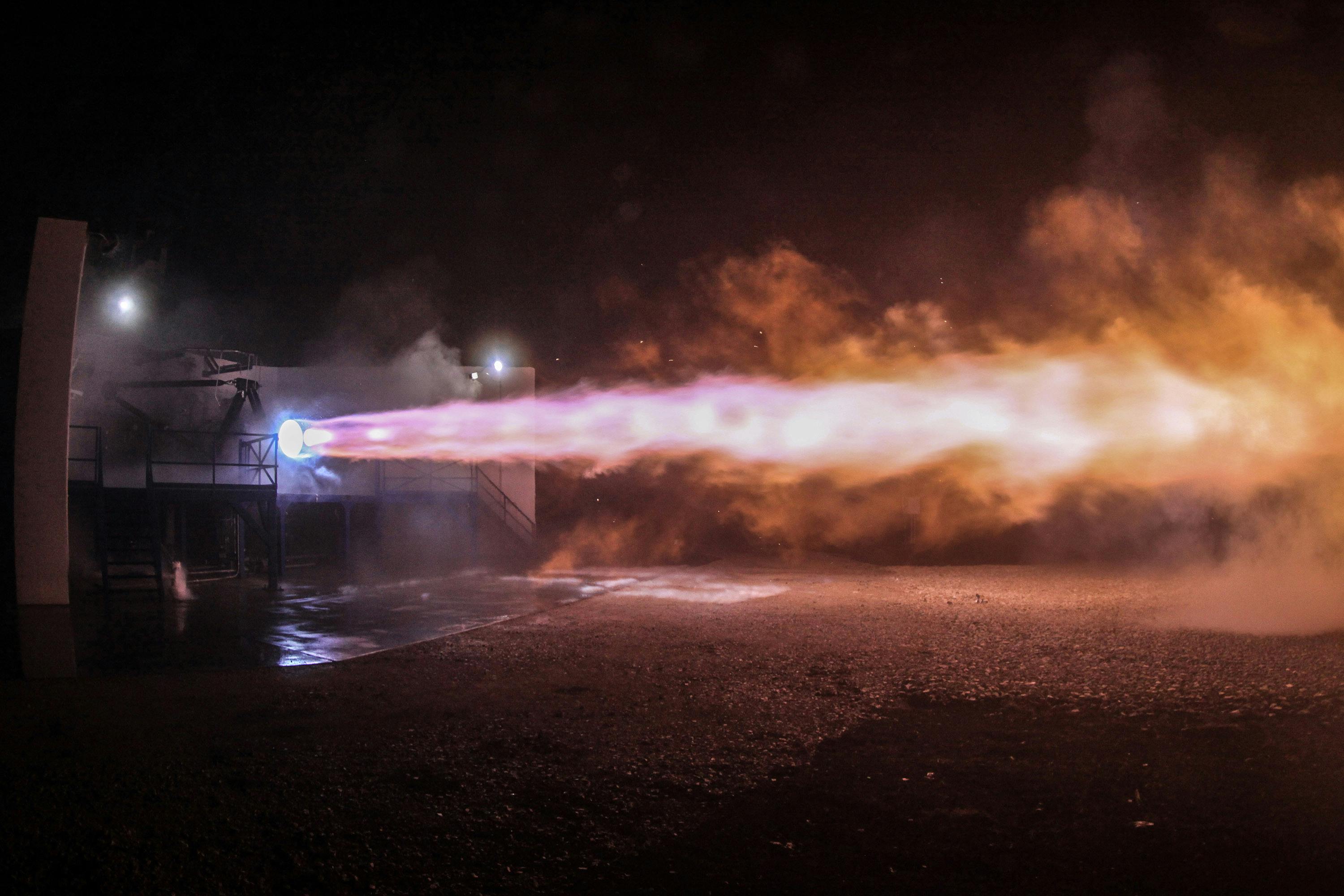
A Falcon 9 booster sets a reusability record on its 35th flight during the Starlink 10-35 mission, the constellation's 53rd dedicated launch.

X Report 18 Dec 2025

X Report 18 Dec 2025

SpaceX carried out a double-header Starlink launch from both coasts while milestones from Max Space and Lux Aeterna signal growth in the commercial space sector.

Space Brief 24 Jan 2025

Space Brief 24 Jan 2025

Today's highlights include China's launch of classified TJS-14 satellite, Boeing's defense program losses, and the fourth batch launch of Thousand Sails satellites.

Van Allen Probe A Reenters March 10 After 14 Years | KeepTrack Space Brief

Van Allen Probe A Reenters March 10 After 14 Years | KeepTrack Space Brief

NASA's Van Allen Probe A (1,300 lbs) reenters today after 14 years studying Earth's radiation belts. Most debris will burn up; ocean impact statistically likely.