STARLINK-32426 (61681)

COSPAR: 2024-193W | Alt Name: Starlink 32426

Image
STARLINK-32426 Satellite Image
Additional Sources
Launch Details

Launch Date

October 26, 2024

Launch Pad

LC40

Launch Vehicle

Falcon 9

Orbital Elements

NORAD ID

61681

International Designator

2024-193W

Epoch

Sun, 19 Jul 2026 16:47:08 GMT

Apogee

Calculating...

Perigee

Calculating...

Inclination

53.16°

Right Ascension

198.13°

Eccentricity

Calculating...

Argument of Perigee

77.02°

Period

94.11 min

Mean Motion

15.30 rev/day

Latitude

Calculating...

Longitude

Calculating...

Altitude

Calculating...

Velocity

Calculating...

Polar Plot
3D Visualization
Basic Satellite Info

Name

STARLINK-32426

Alternative Name

Starlink 32426

Type

Payload

Status

Operational

Owner

SPXS

Country

United States

Constellation

N/A

Related Satellites

Major Events

N/A

Latest TLEs
1 61681U 24193W   26200.69940392  .00000659  00000+0  34365-4 0  9997
2 61681  53.1581 198.1338 0001149  77.0208 283.0921 15.30191494 96736

Source: Celestrak

Summary
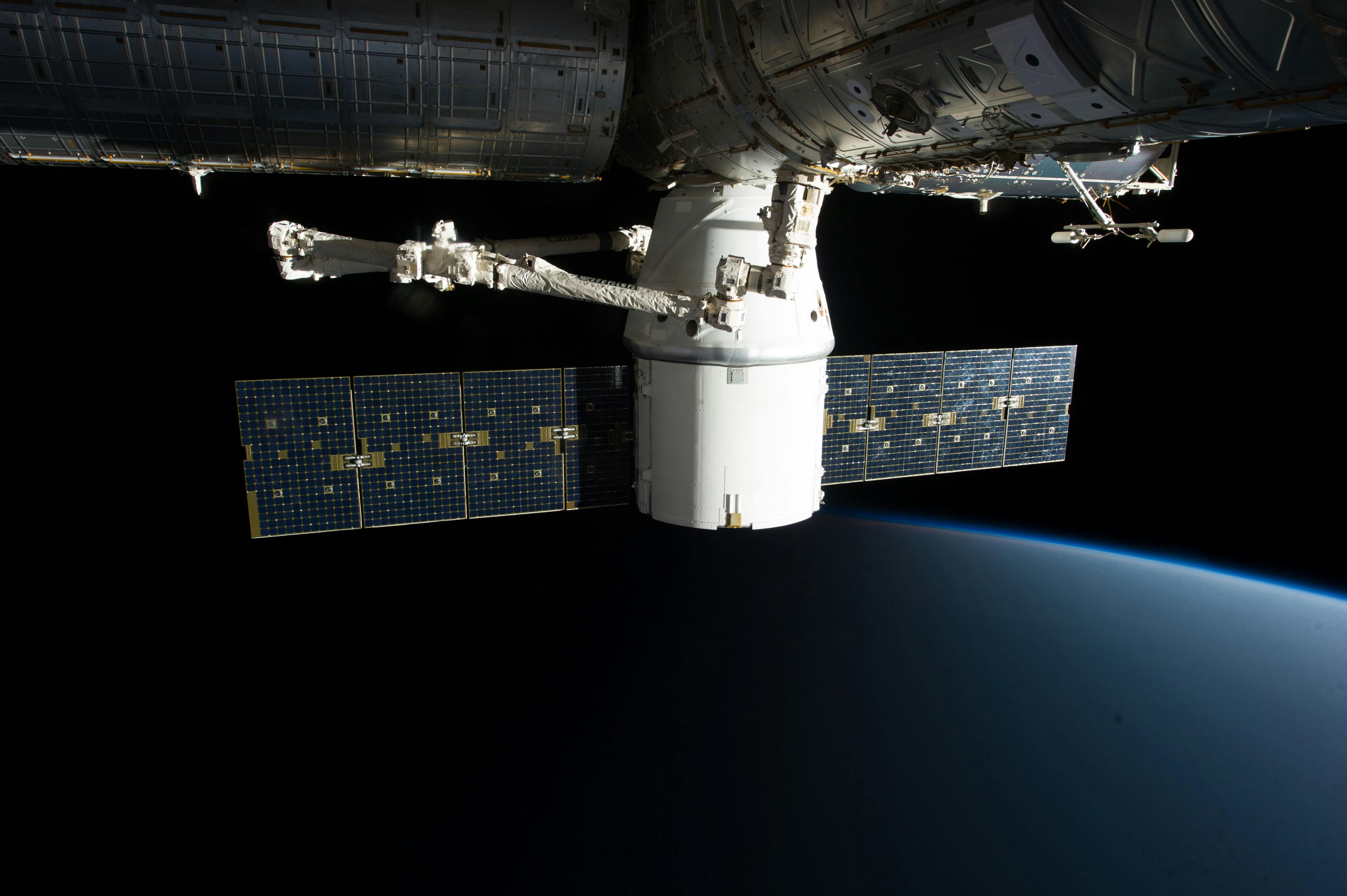
STARLINK-32426, also known as Starlink 32426, is a communication satellite belonging to the Starlink v2 Mini configuration and part of the Starlink Group 10-8-21 payload. Launched on October 26, 2024, from Launch Complex 40 at Cape Canaveral Air Force Station using a Falcon 9 launch vehicle, it has dimensions of 0.3 meters in length, 4.1 meters in diameter, and spans 29 meters when deployed. The satellite's dry mass is 700 kg, with a launch mass of 730 kg. It is equipped with Ku/Ka/E-band payload capabilities, an optical inter-satellite link, solar arrays for power generation, batteries for energy storage, and Argon ion thrusters for propulsion. Manufactured by SpaceX (SPXS), the satellite operates as part of its communication mission to provide global internet coverage.

Starlink is a satellite constellation developed by SpaceX with the aim of providing global broadband internet coverage. Thousands of small satellites are deployed in low Earth orbit (LEO), enabling high-speed internet access even in remote areas. However, the rapid increase in satellites raises concerns about space debris and the potential for collisions, which can lead to further debris creation and endanger other spacecraft. Additionally, the sheer number of Starlink satellites can affect astronomical observations by increasing light pollution. Proper deorbiting plans and international coordination are essential to mitigate these challenges and ensure long-term sustainability in space.
Physical Characteristics

Length

0.3

Diameter

4.1

Span

29

Dry Mass

700

Launch Mass

730

Shape

Box + pan

Radar Cross Section

Unknown

Visual Magnitude

Unknown

Color

Unknown

Material Composition

Unknown

Technical Details

Payload

Starlink Group 10-8-21

Purpose

Communication

Mission

Communication

Manufacturer

SPXS

Life Expectancy

Unknown

Bus

Starlink V2M

Configuration

Starlink v2 Mini

Motor

Argon ion thrusters

Equipment

Ku/Ka/E-band payload, optical inter-satellite link

Power System

Solar arrays, batteries

ADCS

Unknown

Transmitter Frequency

Unknown

Map
This tool will help you track the satellite's position and predict its upcoming passes over your location. Simply input the coordinates or click the geolocation button to get started.
Next Pass
Azimuth Elevation Time (Local)
Start Azimuth
Max Elevation
Stop Azimuth
Time Until
Pass Duration

Satellite Articles

View All Posts »

Learn more about satellites and other related topics.

China's Rocket Factory Finds a Second Gear

China's Rocket Factory Finds a Second Gear

In 2024, China launched 68 orbital missions. In 2025, the number jumped to 97. In 2026, state media and Western analysts agree the target is 140 or more. Most of that growth is being driven by two state-backed mega-constellations, a half-dozen private launch companies hitting stride, and a deliberate national pivot toward commercial space. Beijing is no longer trying to catch SpaceX. It is trying to build an industrial base that outlasts one.
SpaceX Launches 29 Starlink Satellites From Cape Canaveral | KeepTrack X Report

SpaceX Launches 29 Starlink Satellites From Cape Canaveral | KeepTrack X Report

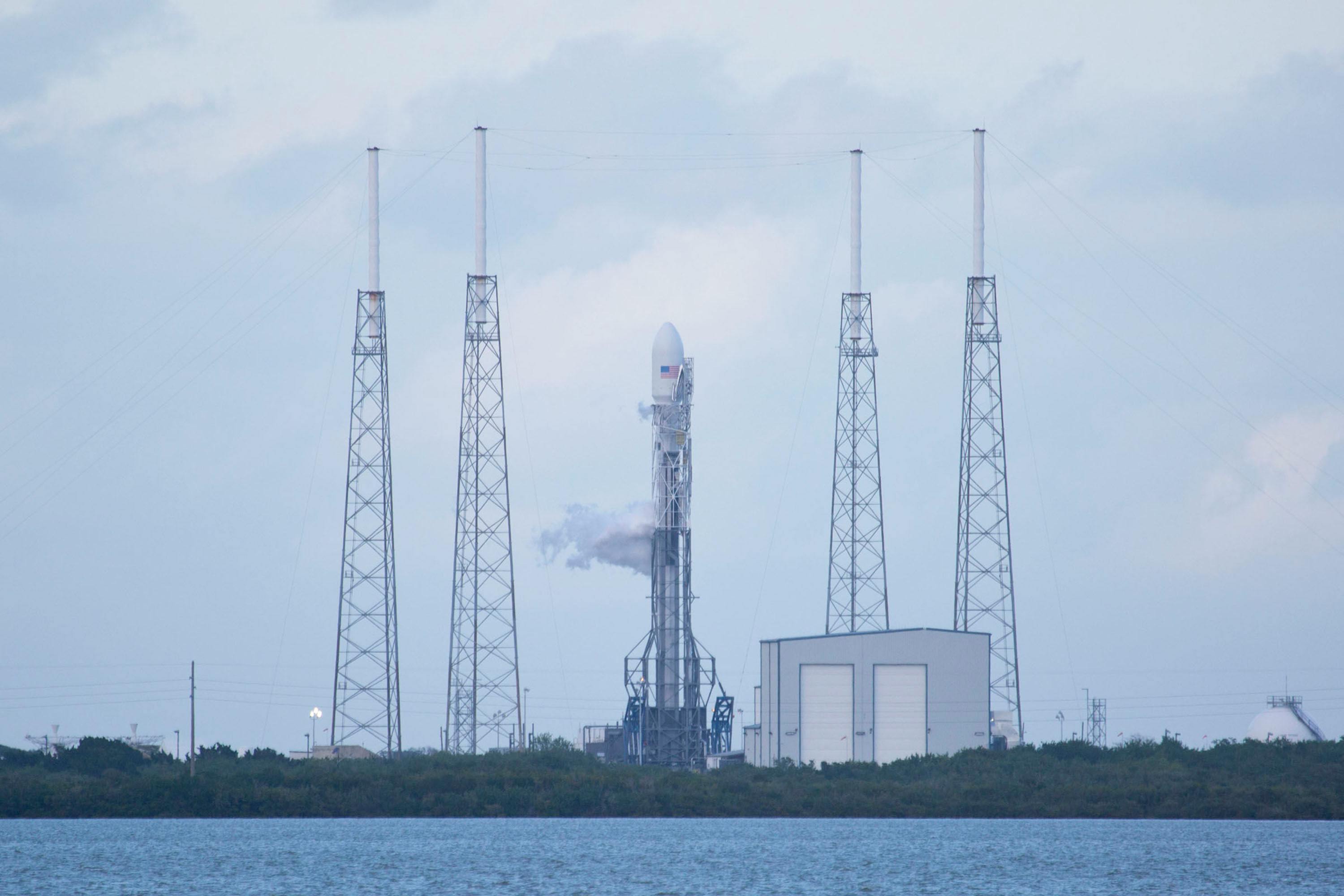
SpaceX deploys 29 Starlink satellites from Cape Canaveral on the Starlink 6-100 mission. Falcon 9 lifted off at 6:31 p.m. EST continuing SpaceX's dominant satellite internet market position.

Starship V3 Debuts Flight 12 With First-Ever Self-Imaging Maneuver | KeepTrack X Report

Starship V3 Debuts Flight 12 With First-Ever Self-Imaging Maneuver | KeepTrack X Report

SpaceX's Starship V3 targets Flight 12 with an unprecedented self-inspection maneuver, while Delta Air Lines walks away from Starlink inflight Wi-Fi.

X Report 27 May 2025

X Report 27 May 2025

Today marks a significant day for SpaceX as the company prepares for the 9th test flight of its Starship-Super Heavy rocket, alongside a successful launch of 24 Starlink satellites to polar orbit.

SpaceX Lands $2.29B Space Force Contract, X Report 27 May 2026

SpaceX Lands $2.29B Space Force Contract, X Report 27 May 2026

SpaceX wins a $2.29 billion US Space Force contract for a military space data network, NASA adds 6 crew missions, and Starship V3 makes its first flight.

X Report 1 Jan 2025

X Report 1 Jan 2025

SpaceX wraps up a record-breaking year with an impressive launch count, while the Starship program looks to make significant advancements in 2025.

Satellites by Country

Satellites by Country

Explore a comprehensive breakdown of satellite counts by country, detailing the USA, Russia, China, and others.

X Report 18 Aug 2025

X Report 18 Aug 2025

SpaceX's 100th Falcon 9 mission successfully launched 24 Starlink satellites, continuing to expand its broadband constellation.