STARLINK-32395 (61679)

COSPAR: 2024-193U | Alt Name: Starlink 32395

Image
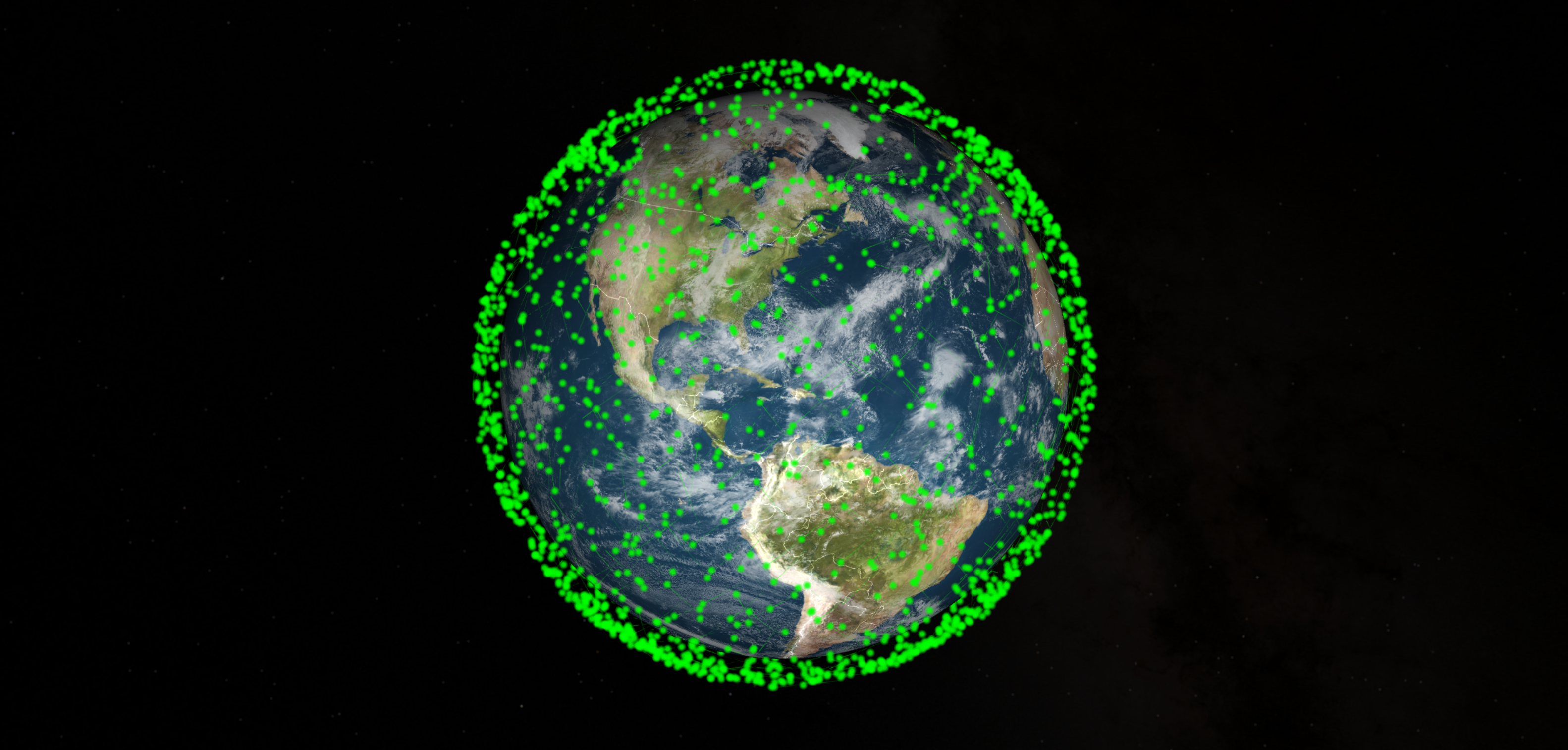
STARLINK-32395 Satellite Image
Additional Sources
Launch Details

Launch Date

October 26, 2024

Launch Pad

LC40

Launch Vehicle

Falcon 9

Orbital Elements

NORAD ID

61679

International Designator

2024-193U

Epoch

Sun, 19 Jul 2026 09:01:26 GMT

Apogee

Calculating...

Perigee

Calculating...

Inclination

53.16°

Right Ascension

199.67°

Eccentricity

Calculating...

Argument of Perigee

83.91°

Period

94.11 min

Mean Motion

15.30 rev/day

Latitude

Calculating...

Longitude

Calculating...

Altitude

Calculating...

Velocity

Calculating...

Polar Plot
3D Visualization
Basic Satellite Info

Name

STARLINK-32395

Alternative Name

Starlink 32395

Type

Payload

Status

Operational

Owner

SPXS

Country

United States

Constellation

N/A

Related Satellites

Major Events

N/A

Latest TLEs
1 61679U 24193U   26200.37599582 -.00000352  00000+0  23495-6 0  9995
2 61679  53.1588 199.6706 0001283  83.9148 276.1999 15.30187791 96680

Source: Celestrak

Summary
The satellite named STARLINK-32395 (OBJECT_ID: 2024-193U) is a Starlink V2M configuration operated by SpaceX (SPXS). It was launched on October 26, 2024, from Cape Canaveral Air Force Station's Launch Complex 40 using a Falcon 9 launch vehicle. The satellite has dimensions of 0.3 meters in length, 4.1 meters in diameter, and spans 29 meters. It weighs 700 kilograms dry with a total launch mass of 730 kilograms. Equipped with a Ku/Ka/E-band payload and an optical inter-satellite link, it utilizes solar arrays and batteries for power. The satellite is configured to perform communication tasks using Argon ion thrusters as its propulsion system.

Starlink is a satellite constellation developed by SpaceX with the aim of providing global broadband internet coverage. Thousands of small satellites are deployed in low Earth orbit (LEO), enabling high-speed internet access even in remote areas. However, the rapid increase in satellites raises concerns about space debris and the potential for collisions, which can lead to further debris creation and endanger other spacecraft. Additionally, the sheer number of Starlink satellites can affect astronomical observations by increasing light pollution. Proper deorbiting plans and international coordination are essential to mitigate these challenges and ensure long-term sustainability in space.
Physical Characteristics

Length

0.3

Diameter

4.1

Span

29

Dry Mass

700

Launch Mass

730

Shape

Box + pan

Radar Cross Section

Unknown

Visual Magnitude

Unknown

Color

Unknown

Material Composition

Unknown

Technical Details

Payload

Starlink Group 10-8-19

Purpose

Communication

Mission

Communication

Manufacturer

SPXS

Life Expectancy

Unknown

Bus

Starlink V2M

Configuration

Starlink v2 Mini

Motor

Argon ion thrusters

Equipment

Ku/Ka/E-band payload, optical inter-satellite link

Power System

Solar arrays, batteries

ADCS

Unknown

Transmitter Frequency

Unknown

Map
This tool will help you track the satellite's position and predict its upcoming passes over your location. Simply input the coordinates or click the geolocation button to get started.
Next Pass
Azimuth Elevation Time (Local)
Start Azimuth
Max Elevation
Stop Azimuth
Time Until
Pass Duration

Satellite Articles

View All Posts »

Learn more about satellites and other related topics.

Your Phone Already Talks to Space

Your Phone Already Talks to Space

SpaceX quietly built the world's largest 4G network without a single cell tower. Over 650 satellites now connect standard smartphones directly from orbit, and most people carrying compatible phones don't know the service exists.

Space Force Awards $1.8B Andromeda Program to 14 Firms | KeepTrack Space Brief

Space Force Awards $1.8B Andromeda Program to 14 Firms | KeepTrack Space Brief

Space Force selects 14 companies for $1.8 billion Andromeda program to replace GSSAP geosynchronous surveillance satellites with commercial alternatives through 2036.

The Evolution of Space Stations

The Evolution of Space Stations

A brief journey through the evolution of space stations, delving into Russia's Mir, the International Space Station, China's Tiangong, and envisioning the future of orbital habitats.

The Morning a Supply Ship Tore Open Mir

The Morning a Supply Ship Tore Open Mir

On 25 June 1997, a seven-ton cargo ship under hand control drifted into Mir's Spektr module, breached the hull, and left three crew members listening to their air hiss into space. It remains the worst collision in the history of human spaceflight.

X Report 26 Mar 2025

X Report 26 Mar 2025

SpaceX's Starlink dish offers gigabit speeds, boosting competitiveness; NRO taps SpaceX for satellite launches, expanding spy satellite network.

Falcon 9 B1067 Targets 36th Flight Record on Starlink 10-42 | KeepTrack Space Brief

Falcon 9 B1067 Targets 36th Flight Record on Starlink 10-42 | KeepTrack Space Brief

SpaceX Falcon 9 booster B1067 set for 36th flight Thursday with Starlink 10-42 mission from Cape Canaveral. Long March 10B debuts Friday in China.

Space Brief 1 Oct 2025

Space Brief 1 Oct 2025

Today's brief covers an increase in Chinese satellite launches, the operational status of the Space Force's ATLAS software, and a significant fundraising event in the defense sector.

SpaceX Starfall Reentry Capsule Makes Debut Flight | KeepTrack X Report

SpaceX Starfall Reentry Capsule Makes Debut Flight | KeepTrack X Report

SpaceX's secretive Starfall reentry demo launched June 23 as Starmind AI constellation targets 1M orbital compute nodes.