STARLINK-32310 (61662)

COSPAR: 2024-193B | Alt Name: Starlink 32310

Image
STARLINK-32310 Satellite Image
Additional Sources
Launch Details

Launch Date

October 26, 2024

Launch Pad

LC40

Launch Vehicle

Falcon 9

Orbital Elements

NORAD ID

61662

International Designator

2024-193B

Epoch

Mon, 20 Jul 2026 06:04:36 GMT

Apogee

Calculating...

Perigee

Calculating...

Inclination

53.16°

Right Ascension

194.49°

Eccentricity

Calculating...

Argument of Perigee

81.72°

Period

94.01 min

Mean Motion

15.32 rev/day

Latitude

Calculating...

Longitude

Calculating...

Altitude

Calculating...

Velocity

Calculating...

Polar Plot
3D Visualization
Basic Satellite Info

Name

STARLINK-32310

Alternative Name

Starlink 32310

Type

Payload

Status

Operational

Owner

SPXS

Country

United States

Constellation

N/A

Related Satellites

Major Events

N/A

Latest TLEs
1 61662U 24193B   26201.25319978  .00000441  00000+0  25980-4 0  9991
2 61662  53.1588 194.4904 0001256  81.7192 278.3952 15.31701767 96836

Source: Celestrak

Summary
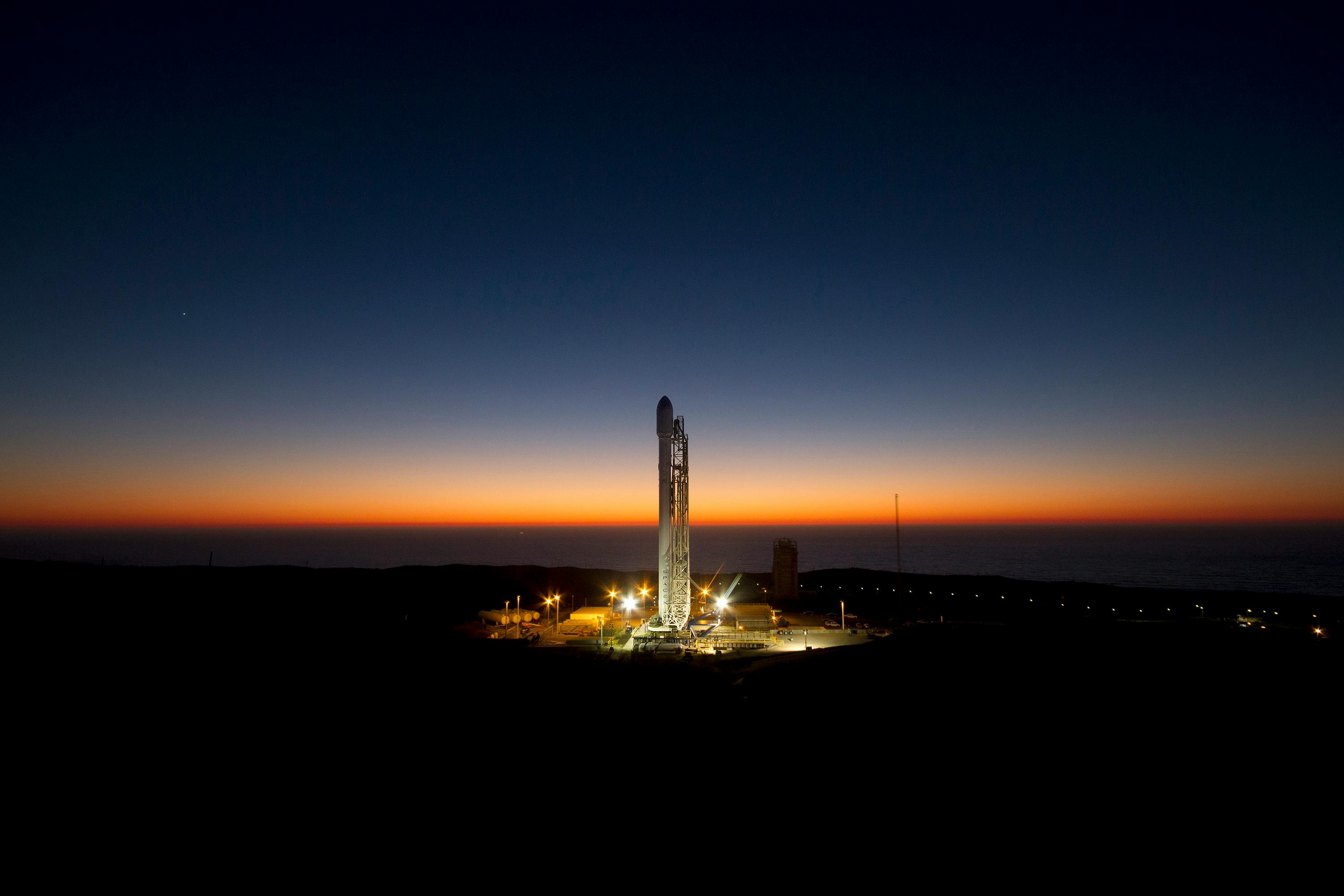
STARLINK-32310, also known as Starlink 32310, is a communication satellite belonging to SpaceX's Starlink constellation. Launched on October 26, 2024, from Launch Complex 40 at the Cape Canaveral Space Force Station using a Falcon 9 launch vehicle, this spacecraft has a configuration known as Starlink v2 Mini and operates under the Starlink Group 10-8-02 payload. It measures 0.3 meters in length with a diameter of 4.1 meters and a span of 29 meters, featuring solar arrays and batteries for power generation. The satellite's dry mass is 700 kg while its launch mass was 730 kg. Equipped with Ku/Ka/E-band payload and an optical inter-satellite link, it uses Argon ion thrusters for propulsion. The mission of STARLINK-32310 is to provide communication services as part of the Starlink constellation.

Starlink is a satellite constellation developed by SpaceX with the aim of providing global broadband internet coverage. Thousands of small satellites are deployed in low Earth orbit (LEO), enabling high-speed internet access even in remote areas. However, the rapid increase in satellites raises concerns about space debris and the potential for collisions, which can lead to further debris creation and endanger other spacecraft. Additionally, the sheer number of Starlink satellites can affect astronomical observations by increasing light pollution. Proper deorbiting plans and international coordination are essential to mitigate these challenges and ensure long-term sustainability in space.
Physical Characteristics

Length

0.3

Diameter

4.1

Span

29

Dry Mass

700

Launch Mass

730

Shape

Box + pan

Radar Cross Section

Unknown

Visual Magnitude

Unknown

Color

Unknown

Material Composition

Unknown

Technical Details

Payload

Starlink Group 10-8-02

Purpose

Communication

Mission

Communication

Manufacturer

SPXS

Life Expectancy

Unknown

Bus

Starlink V2M

Configuration

Starlink v2 Mini

Motor

Argon ion thrusters

Equipment

Ku/Ka/E-band payload, optical inter-satellite link

Power System

Solar arrays, batteries

ADCS

Unknown

Transmitter Frequency

Unknown

Map
This tool will help you track the satellite's position and predict its upcoming passes over your location. Simply input the coordinates or click the geolocation button to get started.
Next Pass
Azimuth Elevation Time (Local)
Start Azimuth
Max Elevation
Stop Azimuth
Time Until
Pass Duration

Satellite Articles

View All Posts »

Learn more about satellites and other related topics.

The Day When Cassini Chose the Long Way Home

The Day When Cassini Chose the Long Way Home

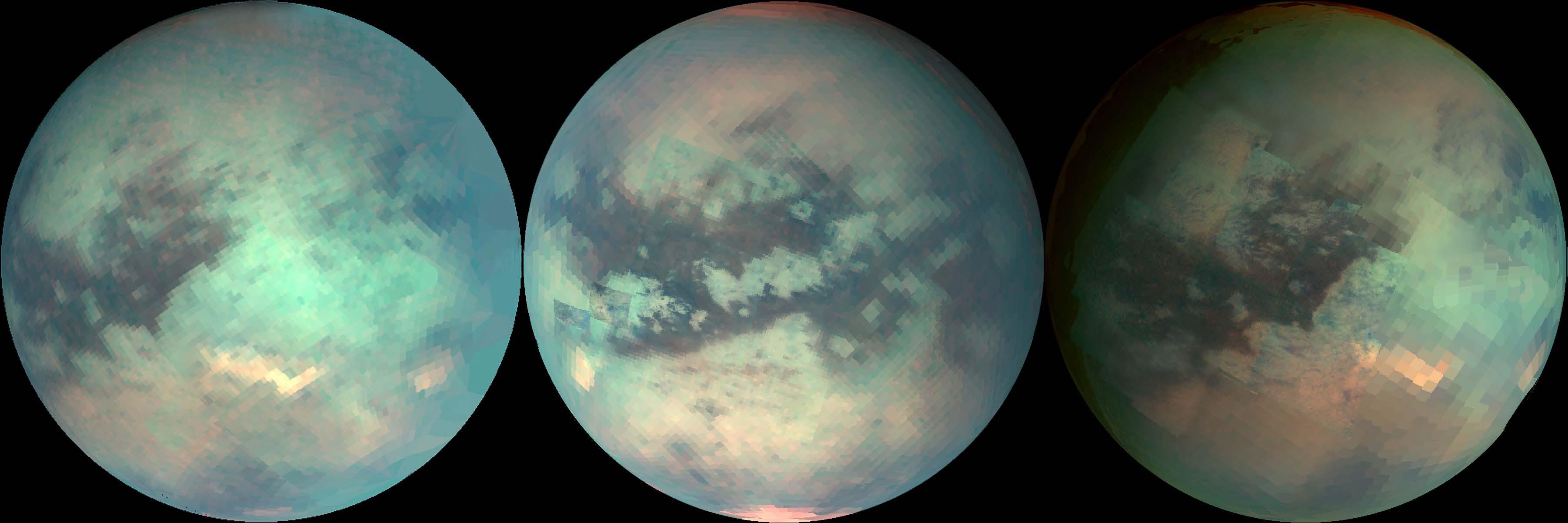
Cassini's Titan T-115 encounter marked the moment the spacecraft stopped looking down and started looking sideways, trading one type of science for another as it entered the final chapter of an iconic mission.

X Report 23 Nov 2024

X Report 23 Nov 2024

SpaceX advances with Starship tests as Starlink continues global expansion. Key infrastructure updates from Cape Canaveral involve multiple industry players.

X Report 27 Nov 2024

X Report 27 Nov 2024

SpaceX secures FCC nod for Starlink's direct-to-phone connectivity, lands NASA's Dragonfly mission, and sees new competition with the ZhuQue-2E launch.

The Bomb That NASA Built by Accident

The Bomb That NASA Built by Accident

An overlooked thermostat, eight hours of overheating on a Florida launch pad, and 200,000 miles of coasting through deep space. Then Oxygen Tank No. 2 tore itself apart, and three men had to figure out how to come home alive in a spacecraft designed to land on the Moon.

Six Missions Worth Watching After Artemis II

Six Missions Worth Watching After Artemis II

Artemis II grabbed the headlines, but six other missions are quietly approaching milestones that could reshape what we know about Mercury, Mars, asteroids, exoplanets, and the Moon's south pole. Here is what is actually happening with each of them.

X Report 21 Jan 2025

X Report 21 Jan 2025

SpaceX successfully launches 21 Starlink satellites, marking their return post-Starship explosion. Starship's recent test flight leaves debris washing ashore, while Blue Origin's New Glenn debut sparks discussion.

X Report 5 Jun 2025

X Report 5 Jun 2025

SpaceX celebrates significant milestones with its 500th Falcon launch and the continued expansion of Starlink connectivity.

Four Raptors Fail, Starship 13 Scrubbed at T-0, X Report 18 Jul 2026

Four Raptors Fail, Starship 13 Scrubbed at T-0, X Report 18 Jul 2026

Four Raptor engines failed to ignite at T-0, scrubbing Starship Flight 13 on July 16; SpaceX now targets July 20 for next attempt.