


X Report 7 Nov 2024
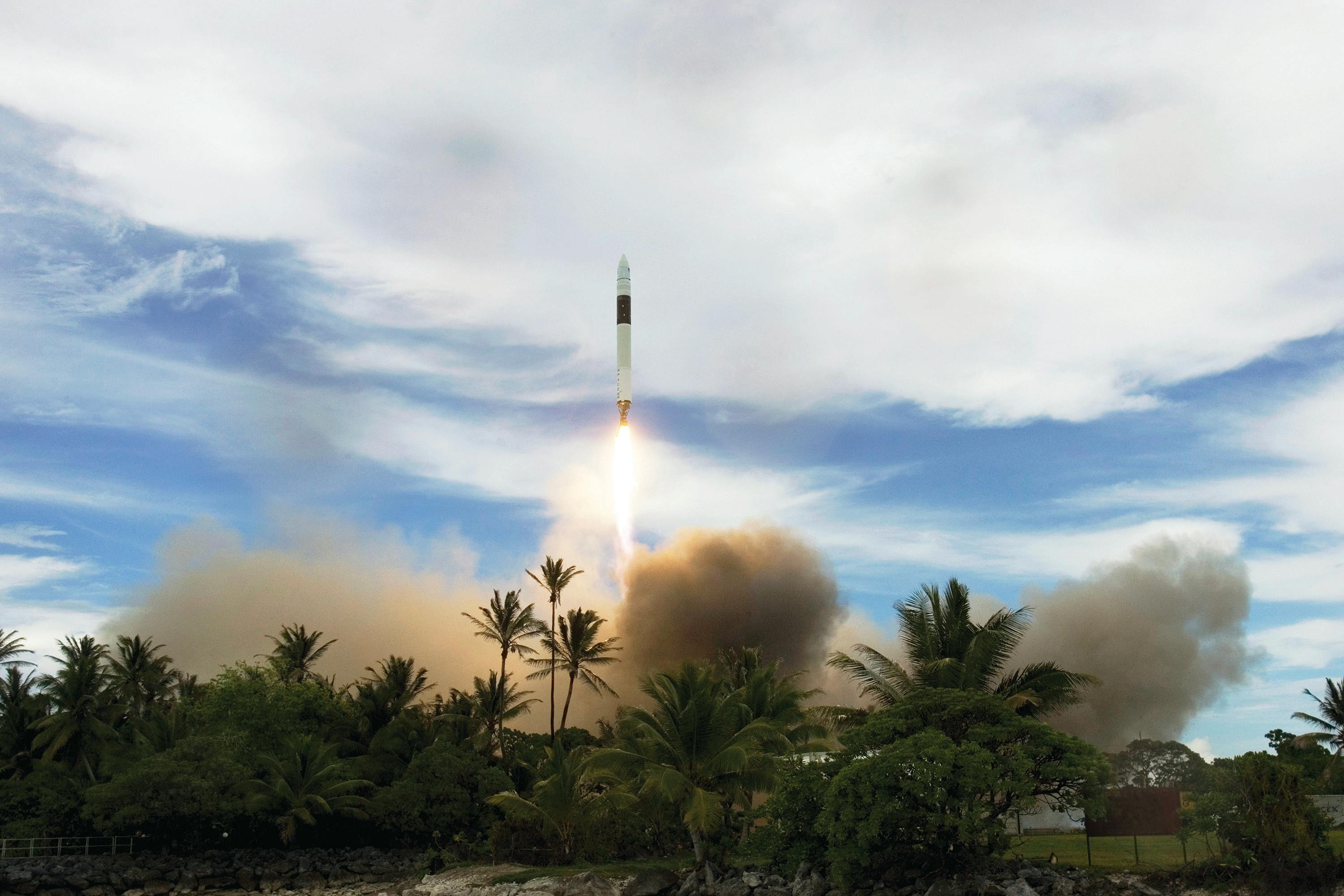
SpaceX prepares for sixth Starship flight, slated for mid-November, following successful fifth test in October.



Launch Date
October 23, 2024
Launch Site
Launch Pad
LC40
Launch Vehicle
NORAD ID
61643
International Designator
2024-191Y
Epoch
Sun, 19 Jul 2026 19:29:17 GMT
Apogee
Calculating...
Perigee
Calculating...
Inclination
43.00°
Right Ascension
128.27°
Eccentricity
Calculating...
Argument of Perigee
262.82°
Period
94.27 min
Mean Motion
15.28 rev/day
Latitude
Calculating...
Longitude
Calculating...
Altitude
Calculating...
Velocity
Calculating...
Name
STARLINK-32337
Alternative Name
Starlink 32337
Type
Status
Owner
SPXS
Country
United States
Constellation
N/A
Related Satellites
Major Events
N/A
1 61643U 24191Y 26200.81200737 .00000202 00000+0 16862-4 0 9995
2 61643 43.0023 128.2693 0001054 262.8181 97.2551 15.27577953 98505
Source: Celestrak
Length
0.3
Diameter
4.1
Span
29
Dry Mass
700
Launch Mass
730
Shape
Box + pan
Radar Cross Section
Unknown
Visual Magnitude
Unknown
Color
Unknown
Material Composition
Unknown
Payload
Starlink Group 6-61-23
Purpose
Communication
Mission
Communication
Manufacturer
SPXS
Life Expectancy
Unknown
Bus
Starlink V2M
Configuration
Starlink v2 Mini
Motor
Argon ion thrusters
Equipment
Ku/Ka/E-band payload, optical inter-satellite link
Power System
Solar arrays, batteries
ADCS
Unknown
Transmitter Frequency
Unknown
Learn more about satellites and other related topics.
SpaceX prepares for sixth Starship flight, slated for mid-November, following successful fifth test in October.
SpaceX prepares for its 250th mission from SLC-40, while Starlink experiences a surge during a crisis in Spain and Portugal. Additionally, SpaceX celebrates the official designation of Starbase City, aiming to boost launch capabilities.
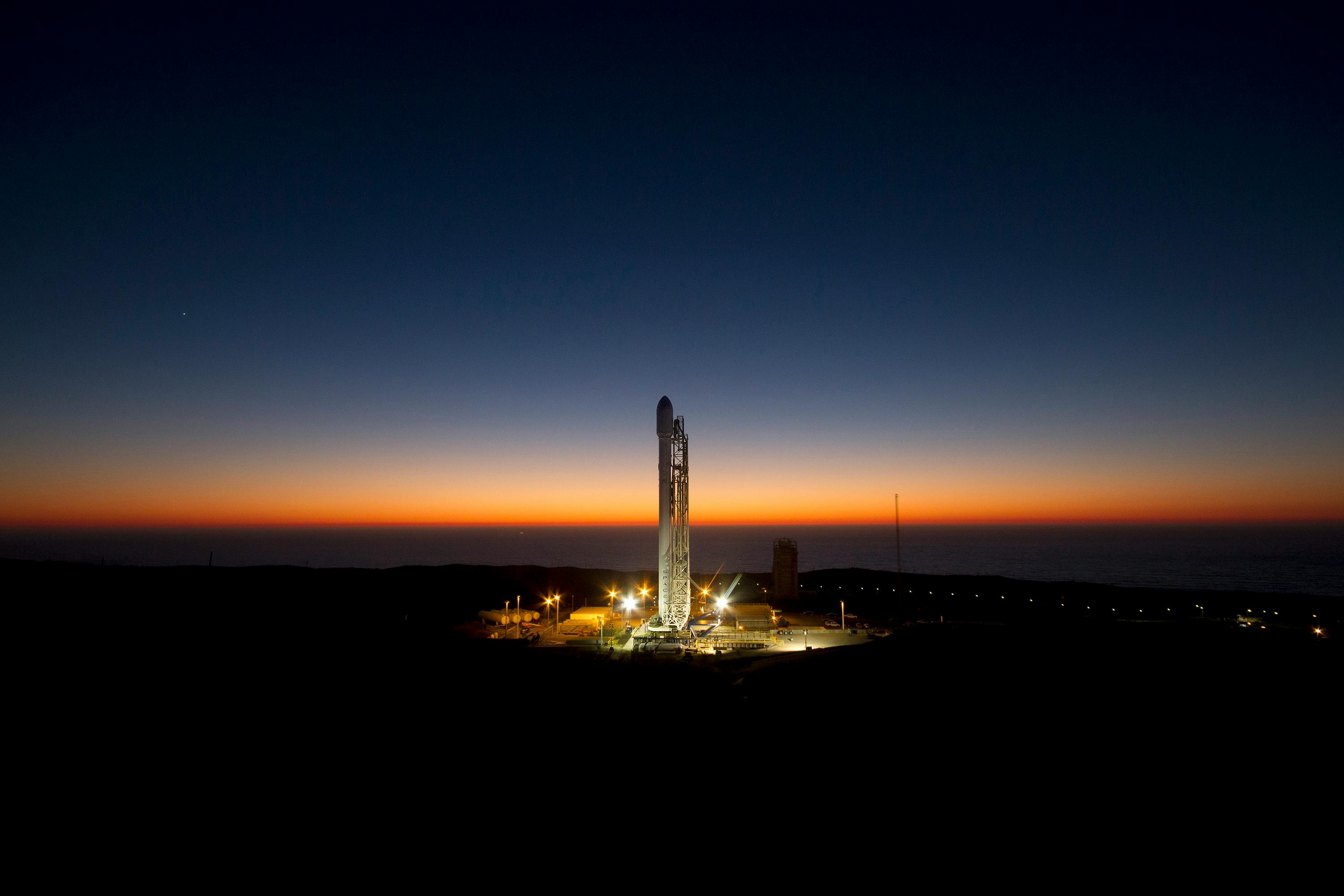
SpaceX successfully launches 21 Starlink satellites, marking their return post-Starship explosion. Starship's recent test flight leaves debris washing ashore, while Blue Origin's New Glenn debut sparks discussion.

Today's highlights include a Minotaur IV launch of U.S. spy satellites, Rocket Lab's new defense contracts, and the unveiling of Space Force's warfighting framework. Plus, the Satellite Spotlight dives into METEOR 3-1.

Starship testing progresses at the Cape; Lynk Global secures funding amidst rising satellite competition.

Today's brief covers a significant hypersonic flight by Stratolaunch, the US Space Force's missile warning upgrades, and major government space investments.
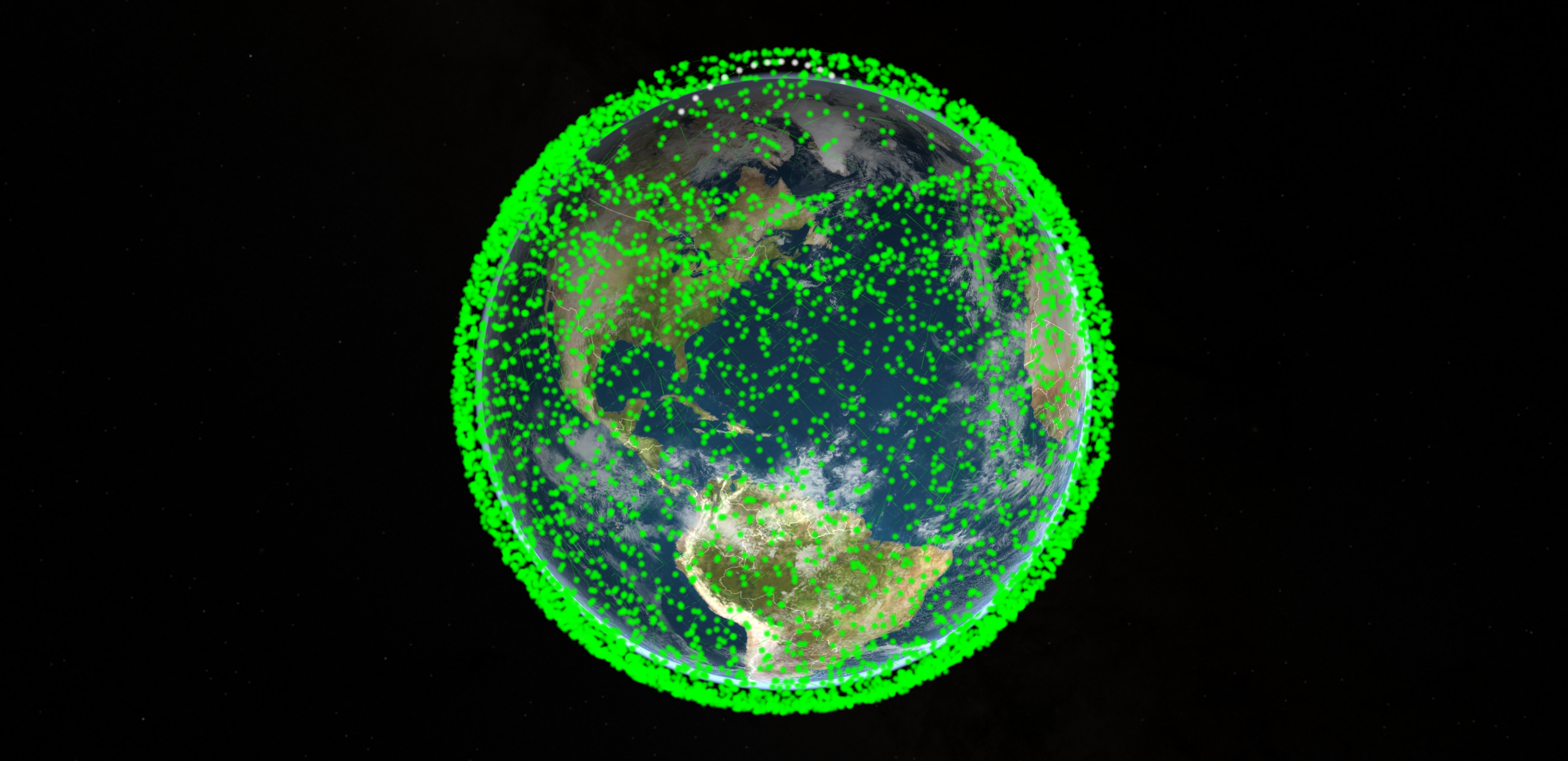
STARLINK-34343 broke apart at 560 kilometers. SpaceX's response - launch more satellites the next morning - tells you everything about the confidence gap between fleet statistics and individual failure modes.

The Kessler Syndrome threatens humanity's future in space as cascading satellite collisions create exponential debris growth. With 36,000+ tracked objects and recent incidents accelerating risks, we face a critical juncture: implement solutions now or potentially lose access to low Earth orbit forever.