


X Report 27 Mar 2025
SpaceX successfully launches 27 Starlink satellites and gains approval for internet services in Vietnam.



Launch Date
October 23, 2024
Launch Site
Launch Pad
LC40
Launch Vehicle
NORAD ID
61635
International Designator
2024-191Q
Epoch
Sun, 19 Jul 2026 12:46:45 GMT
Apogee
Calculating...
Perigee
Calculating...
Inclination
43.00°
Right Ascension
129.61°
Eccentricity
Calculating...
Argument of Perigee
265.21°
Period
94.27 min
Mean Motion
15.28 rev/day
Latitude
Calculating...
Longitude
Calculating...
Altitude
Calculating...
Velocity
Calculating...
Name
STARLINK-32370
Alternative Name
Starlink 32370
Type
Status
Owner
SPXS
Country
United States
Constellation
N/A
Related Satellites
Major Events
N/A
1 61635U 24191Q 26200.53247029 .00000353 00000+0 22351-4 0 9997
2 61635 43.0036 129.6130 0001203 265.2137 94.8577 15.27577308 97701
Source: Celestrak
Length
0.3
Diameter
4.1
Span
29
Dry Mass
700
Launch Mass
730
Shape
Box + pan
Radar Cross Section
Unknown
Visual Magnitude
Unknown
Color
Unknown
Material Composition
Unknown
Payload
Starlink Group 6-61-15
Purpose
Communication
Mission
Communication
Manufacturer
SPXS
Life Expectancy
Unknown
Bus
Starlink V2M
Configuration
Starlink v2 Mini
Motor
Argon ion thrusters
Equipment
Ku/Ka/E-band payload, optical inter-satellite link
Power System
Solar arrays, batteries
ADCS
Unknown
Transmitter Frequency
Unknown
Learn more about satellites and other related topics.
SpaceX successfully launches 27 Starlink satellites and gains approval for internet services in Vietnam.
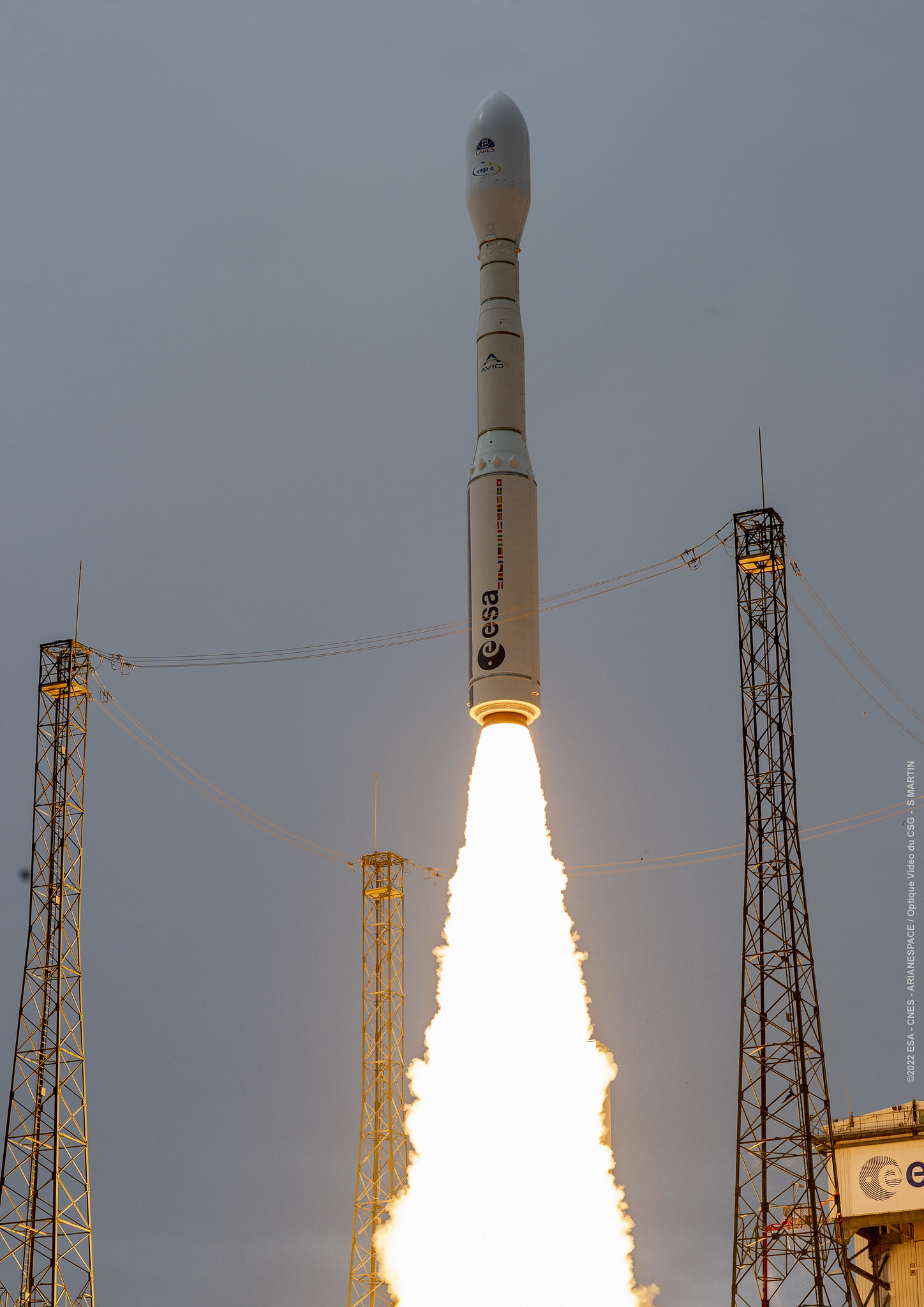
NASA's Artemis 3 lunar landing mission schedule continues slipping over 2 months after revised plans announced, with no crew or surface activity details released publicly yet.

Seventeen years ago, a Navy cruiser in the Pacific fired a missile at a tumbling reconnaissance satellite that had failed within hours of reaching orbit - officially to prevent toxic fuel from reaching the ground, unofficially to prove something far more significant to China and the world

SpaceX awarded $2.29 billion to build Space Force's LEO communications backbone, integrating with SDA Transport layer satellites for military tactical data relay through space.
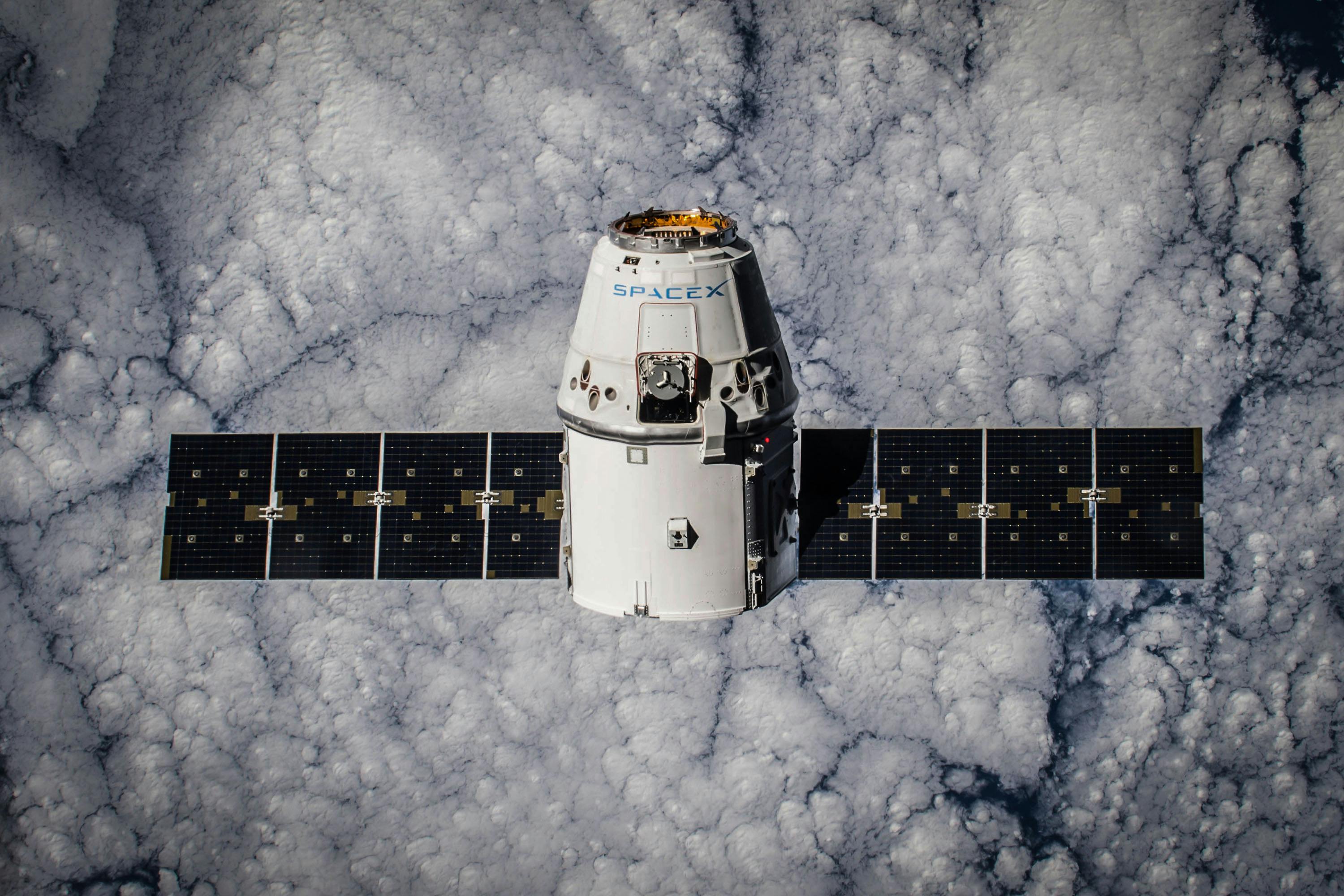
SpaceX makes strides with new GPS and Starlink launches while securing major U.S. government contracts.
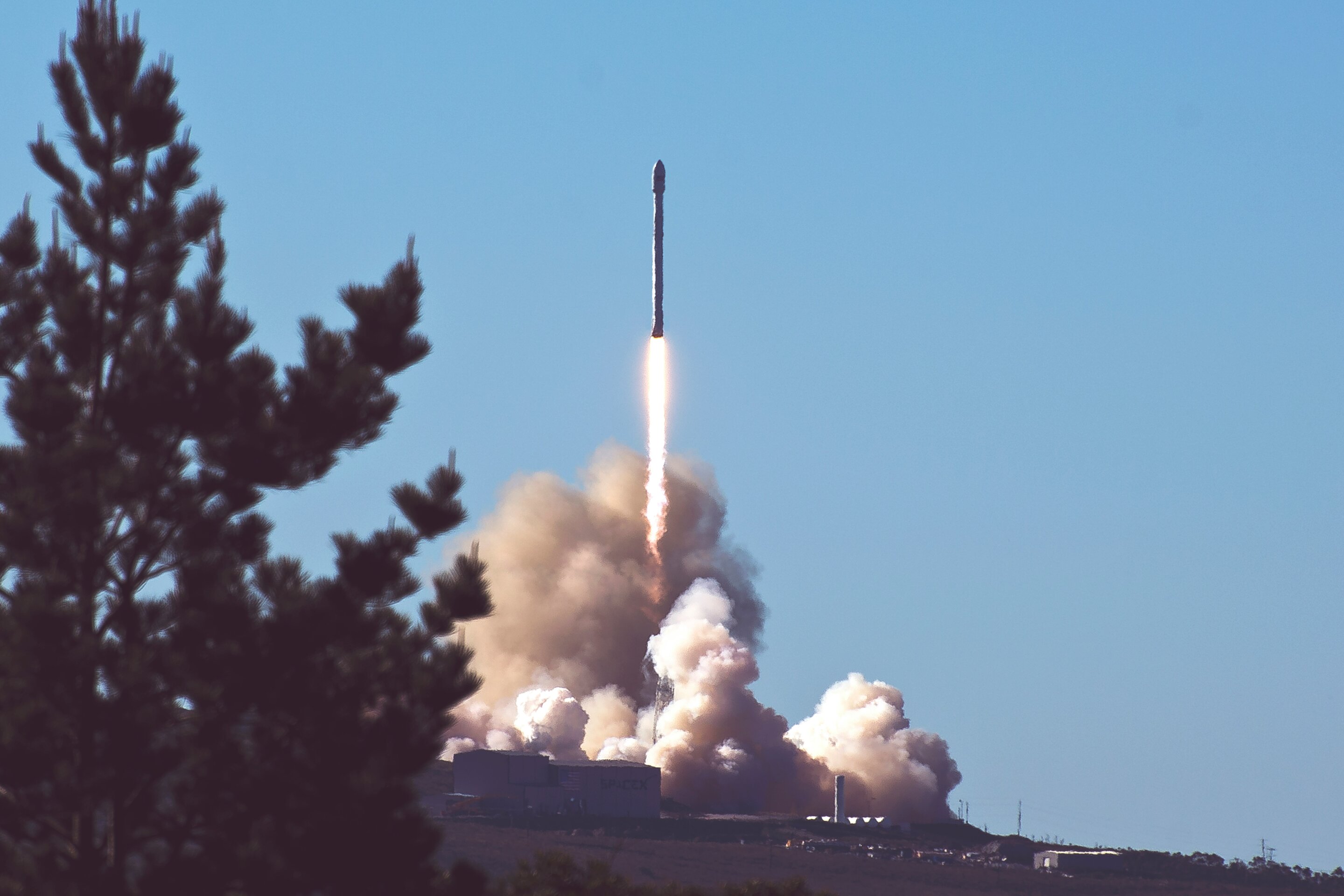
An exciting day in space with potential maneuver revelations from the X-37B, SpaceX's resumption of Falcon 9 launches, and significant advancements in lunar exploration tied to new U.S. spacesuits.

Today's brief covers the launch of the X-37B, cutting-edge quantum navigation systems, and the future of space-based military technology. Discover the role of SpaceX and the advancements in inertial navigation.
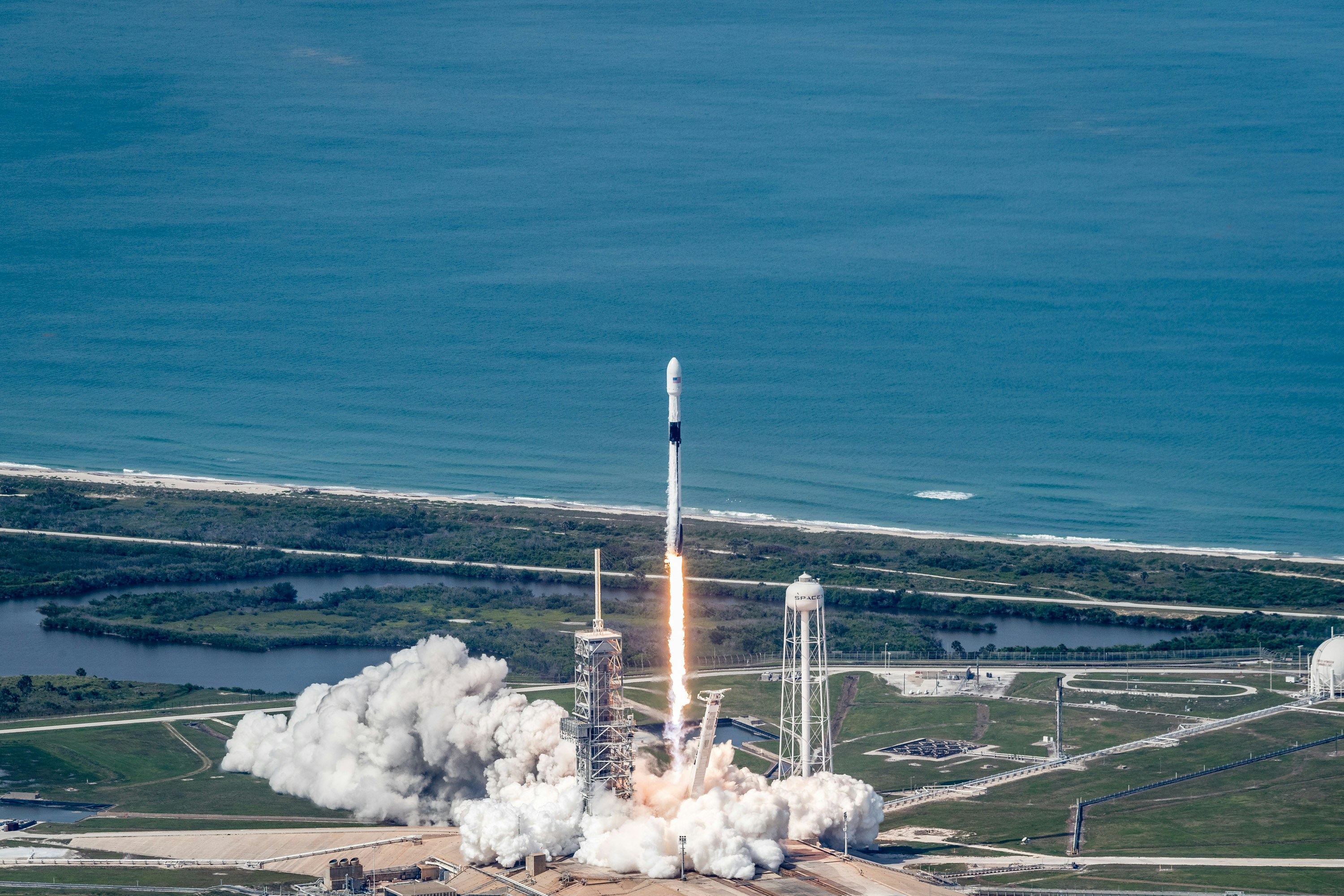
Today's key development highlights SpaceX's upcoming launch of 29 Starlink satellites from Cape Canaveral, marking the start of an active month for the satellite constellation.