


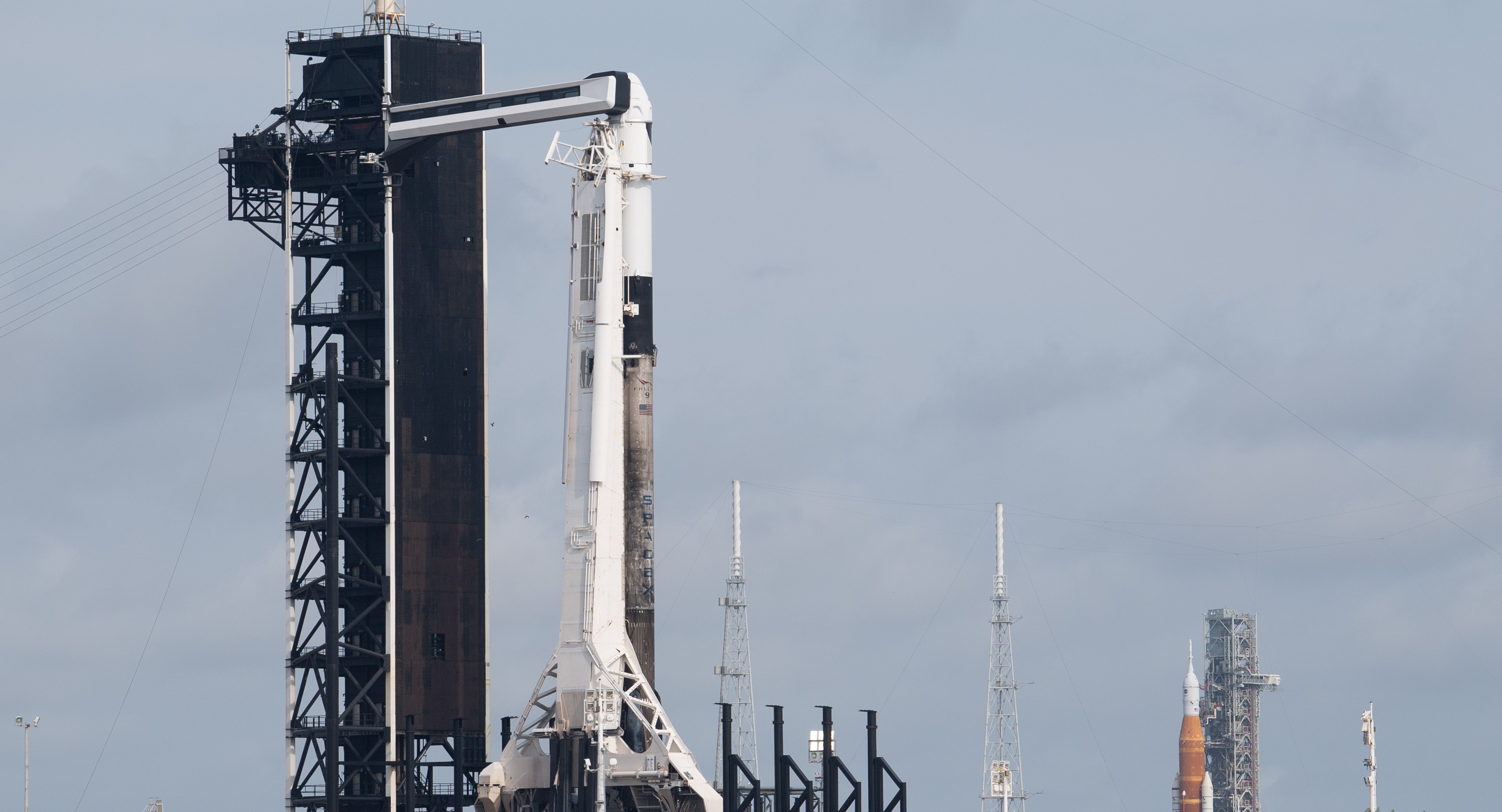
10 Surprising Facts About SpaceX
Discover lesser-known aspects of SpaceX's history, achievements, and innovations that have shaped the commercial space industry over the past two decades.



Launch Date
October 23, 2024
Launch Site
Launch Pad
LC40
Launch Vehicle
NORAD ID
61629
International Designator
2024-191J
Epoch
Sun, 19 Jul 2026 19:34:50 GMT
Apogee
Calculating...
Perigee
Calculating...
Inclination
43.00°
Right Ascension
128.30°
Eccentricity
Calculating...
Argument of Perigee
277.24°
Period
94.27 min
Mean Motion
15.28 rev/day
Latitude
Calculating...
Longitude
Calculating...
Altitude
Calculating...
Velocity
Calculating...
Name
STARLINK-32403
Alternative Name
Starlink 32403
Type
Status
Owner
SPXS
Country
United States
Constellation
N/A
Related Satellites
Major Events
N/A
1 61629U 24191J 26200.81586441 .00000529 00000+0 28716-4 0 9991
2 61629 43.0008 128.3010 0000542 277.2391 82.8399 15.27579931 97743
Source: Celestrak
Length
0.3
Diameter
4.1
Span
29
Dry Mass
700
Launch Mass
730
Shape
Box + pan
Radar Cross Section
Unknown
Visual Magnitude
Unknown
Color
Unknown
Material Composition
Unknown
Payload
Starlink Group 6-61-09
Purpose
Communication
Mission
Communication
Manufacturer
SPXS
Life Expectancy
Unknown
Bus
Starlink V2M
Configuration
Starlink v2 Mini
Motor
Argon ion thrusters
Equipment
Ku/Ka/E-band payload, optical inter-satellite link
Power System
Solar arrays, batteries
ADCS
Unknown
Transmitter Frequency
Unknown
Learn more about satellites and other related topics.
Discover lesser-known aspects of SpaceX's history, achievements, and innovations that have shaped the commercial space industry over the past two decades.
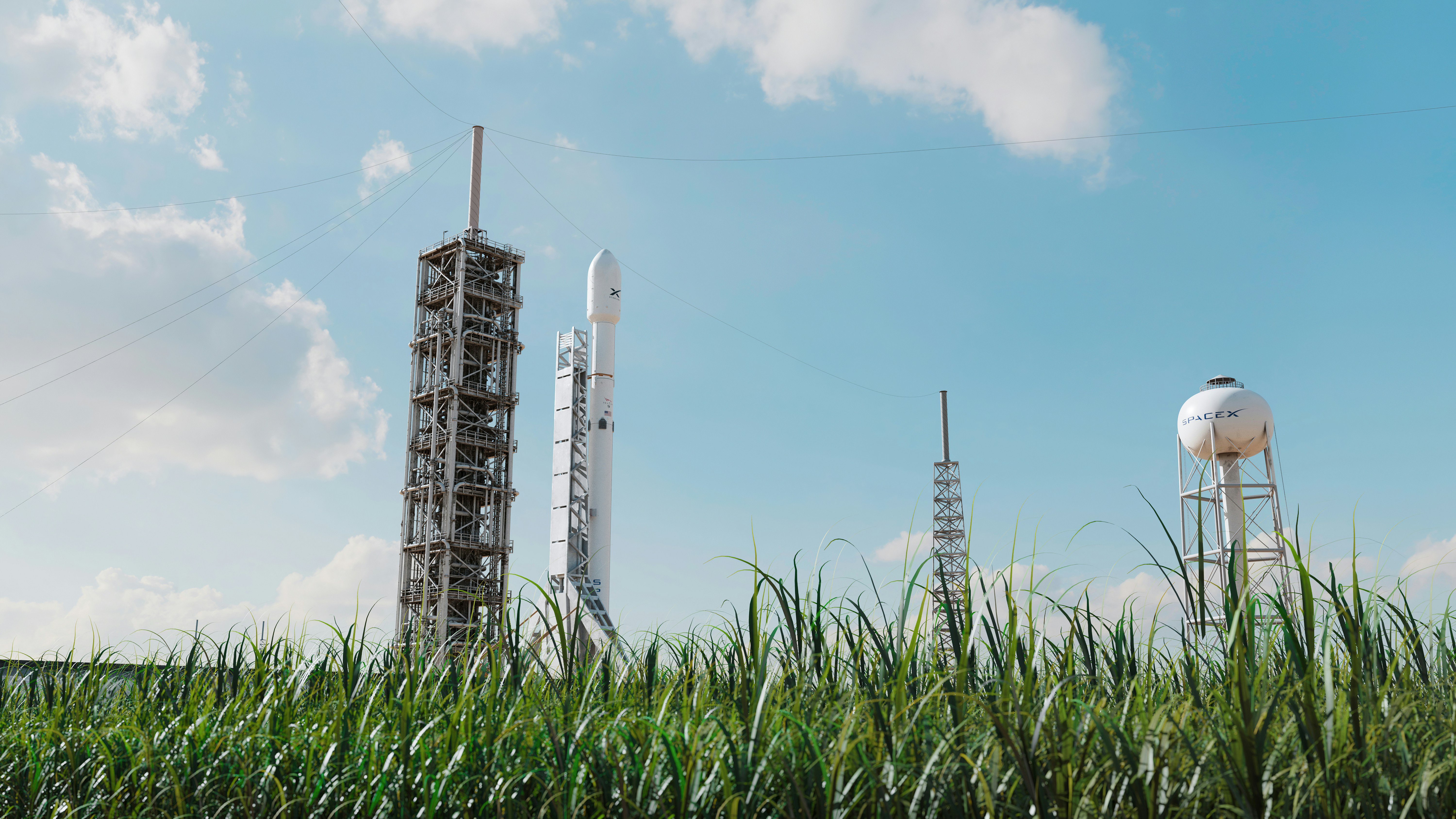
Falcon 9 booster reuse record: SpaceX's most-flown booster flew a 33rd flight Feb 21 with 28 Starlink V2 Minis. Two launches in a day; 9,779 on orbit.
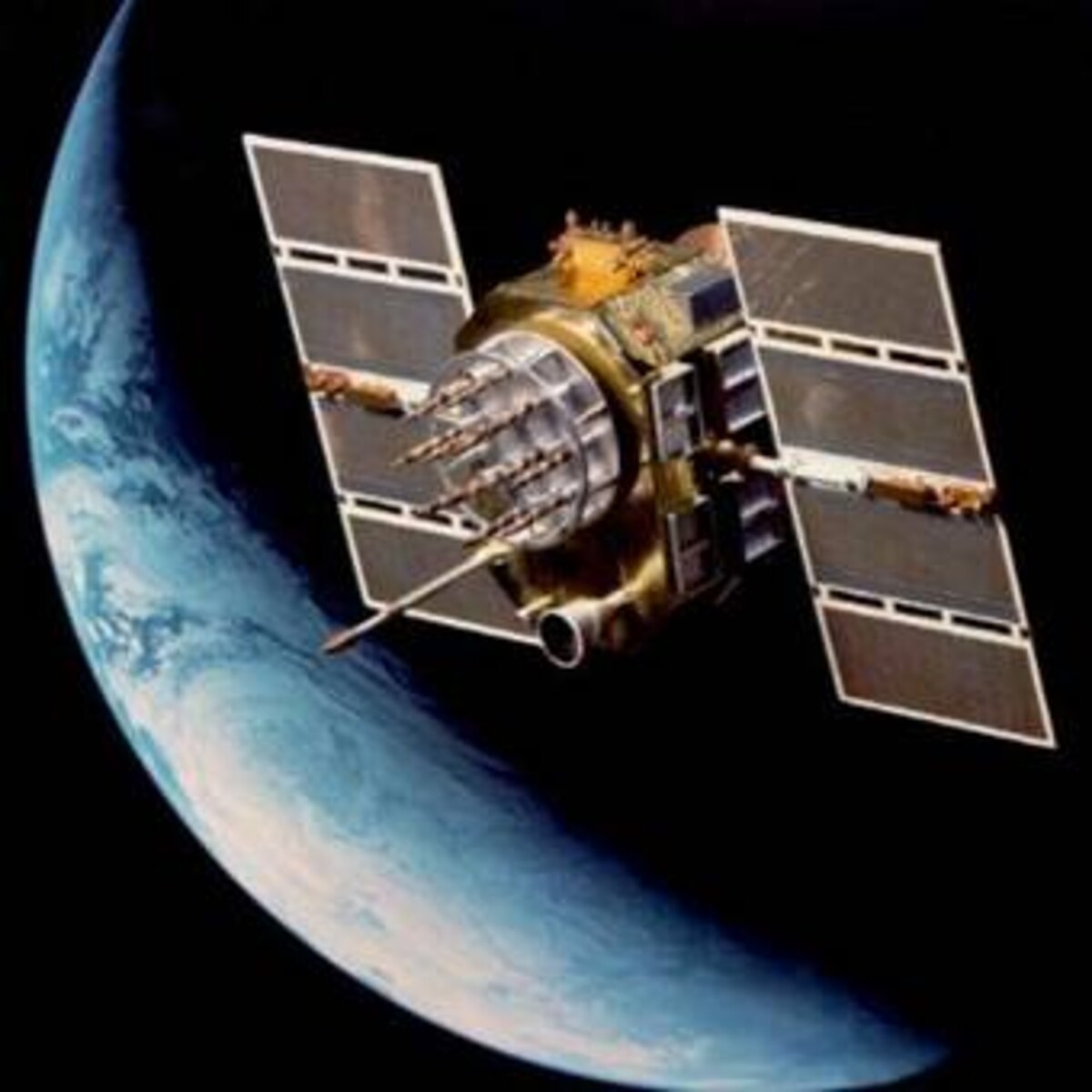
Forty-seven years ago, an Atlas rocket carried the first GPS satellite into orbit, launching a revolution in navigation that would transform daily life across the globe
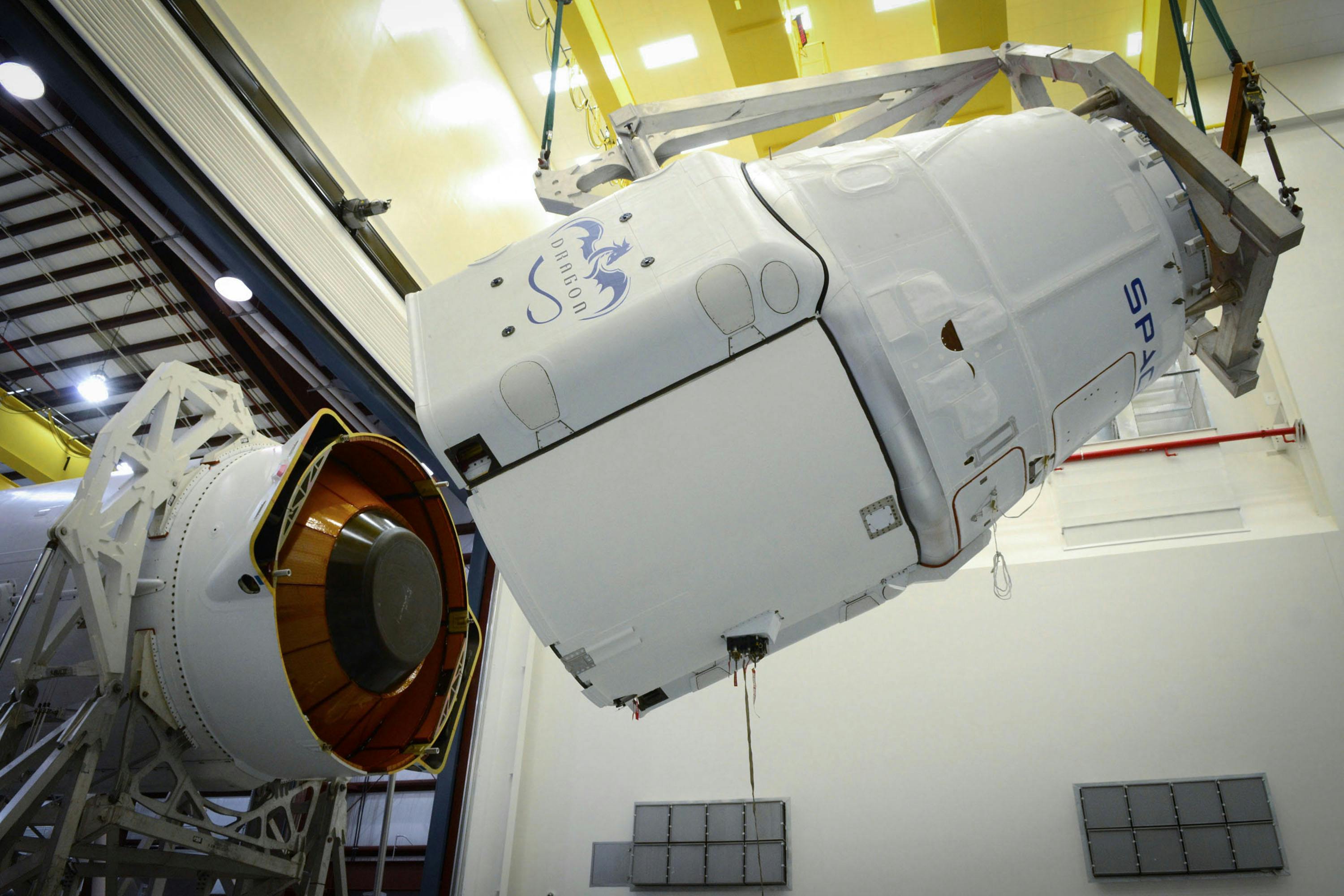
SpaceX wins a $2.29 billion US Space Force contract for a military space data network, NASA adds 6 crew missions, and Starship V3 makes its first flight.

SpaceX successfully launched the historic Axiom-4 mission to the ISS, marking a significant milestone in private space travel, while also expanding Starlink's reach into Vietnam's healthcare sector.
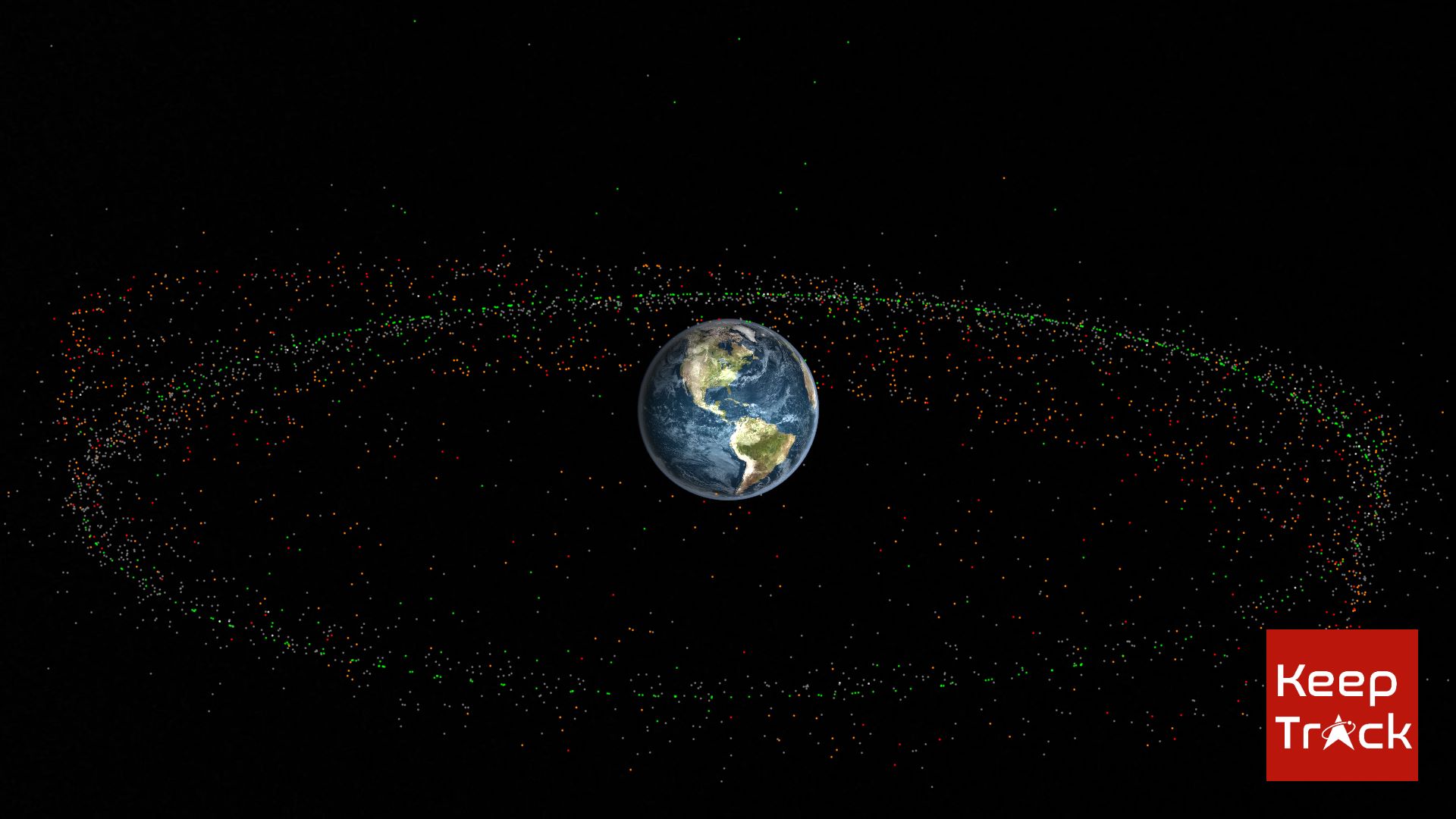
Understanding the unique orbital sweet spot that keeps satellites perfectly positioned above Earth
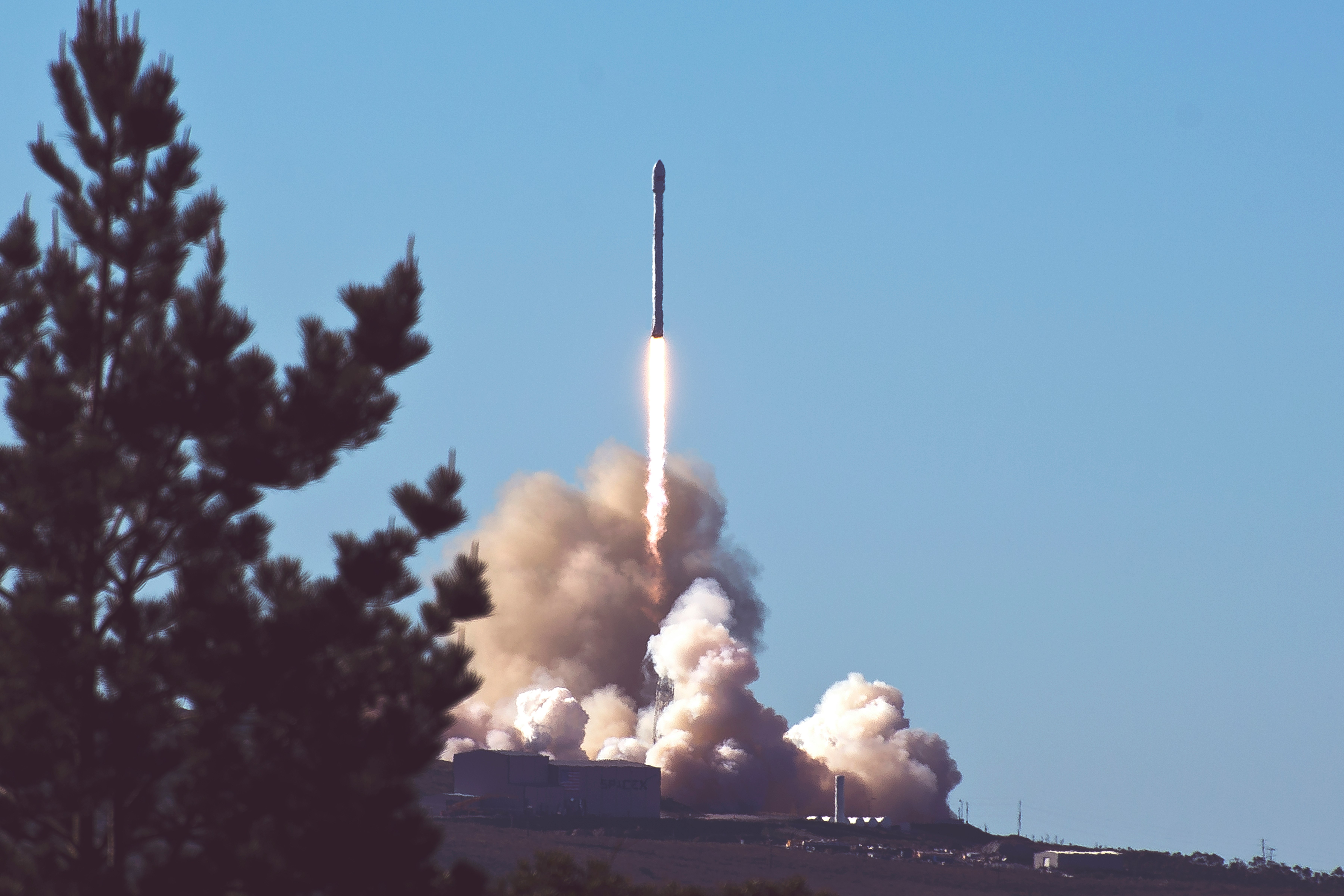
SpaceX wraps up a stellar year with Starship achievements and prepares for a lunar triple-shot in 2025.
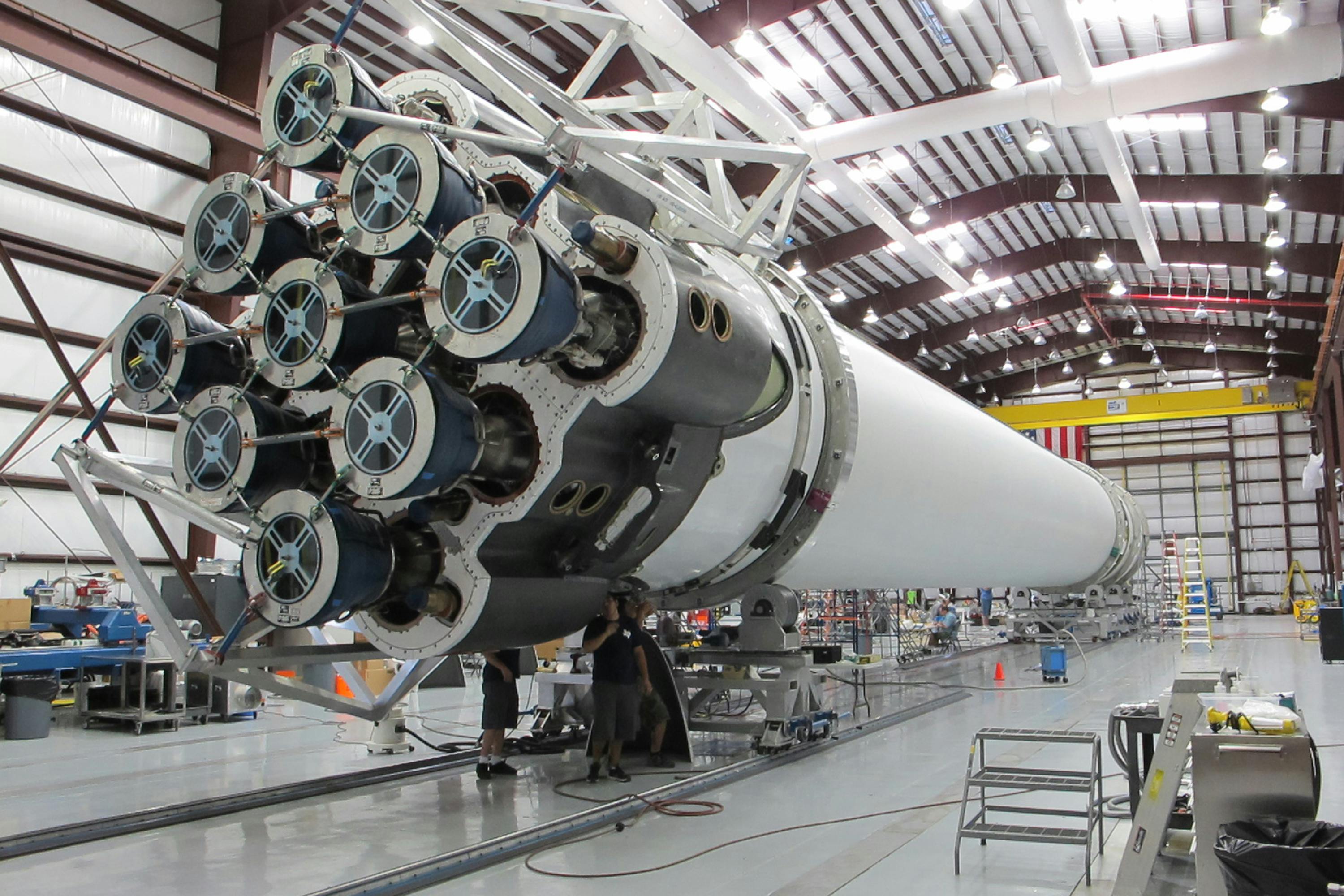
SpaceX makes strides with United States national security satellites, securing substantial spectrum for Starlink's direct-to-cell services, and preparing for future Starship developments.