


X Report 23 Nov 2024
SpaceX advances with Starship tests as Starlink continues global expansion. Key infrastructure updates from Cape Canaveral involve multiple industry players.


![STARLINK-11368 [DTC] Satellite Image](/images/sat/starlink.jpg)
Launch Date
October 18, 2024
Launch Site
Launch Pad
LC40
Launch Vehicle
NORAD ID
61583
International Designator
2024-187K
Epoch
Mon, 20 Jul 2026 03:57:13 GMT
Apogee
Calculating...
Perigee
Calculating...
Inclination
53.16°
Right Ascension
3.45°
Eccentricity
Calculating...
Argument of Perigee
79.12°
Period
91.74 min
Mean Motion
15.70 rev/day
Latitude
Calculating...
Longitude
Calculating...
Altitude
Calculating...
Velocity
Calculating...
Name
STARLINK-11368 [DTC]
Alternative Name
Starlink 11368
Type
Status
Owner
SPXS
Country
United States
Constellation
N/A
Related Satellites
Major Events
N/A
1 61583U 24187K 26201.16473446 -.00000339 00000+0 20595-5 0 9992
2 61583 53.1606 3.4452 0000864 79.1153 280.9962 15.69706941101509
Source: Celestrak
Length
0.3
Diameter
4.1
Span
29
Dry Mass
700
Launch Mass
730
Shape
Box + pan
Radar Cross Section
Unknown
Visual Magnitude
Unknown
Color
Unknown
Material Composition
Unknown
Payload
Starlink Group 8-19-10
Purpose
Communication
Mission
Communication
Manufacturer
SPXS
Life Expectancy
Unknown
Bus
Starlink V2M
Configuration
Starlink v2 Mini
Motor
Argon ion thrusters
Equipment
D2C payload, optical inter-satellite link
Power System
Solar arrays, batteries
ADCS
Unknown
Transmitter Frequency
Unknown
Learn more about satellites and other related topics.
SpaceX advances with Starship tests as Starlink continues global expansion. Key infrastructure updates from Cape Canaveral involve multiple industry players.
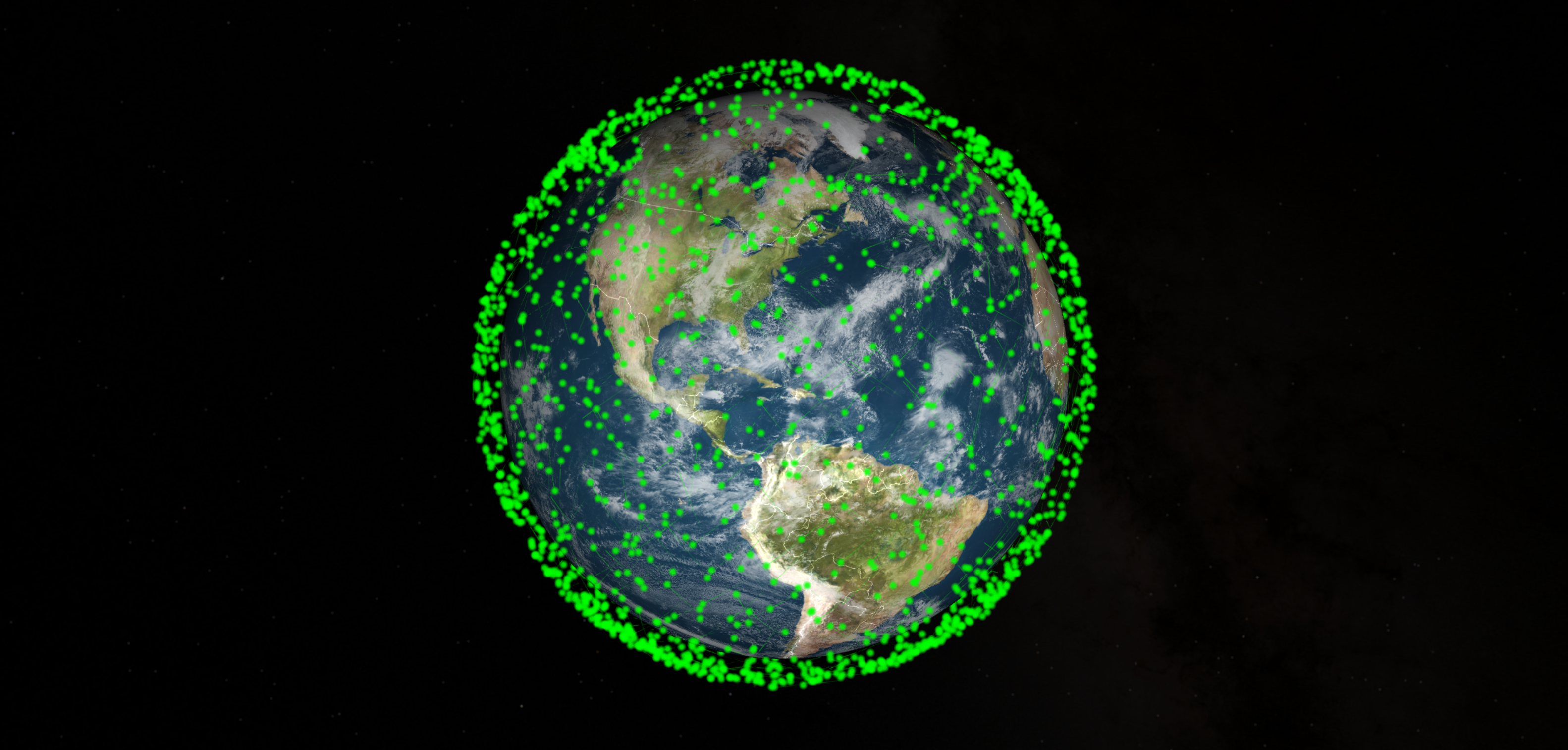
SpaceX quietly built the world's largest 4G network without a single cell tower. Over 650 satellites now connect standard smartphones directly from orbit, and most people carrying compatible phones don't know the service exists.
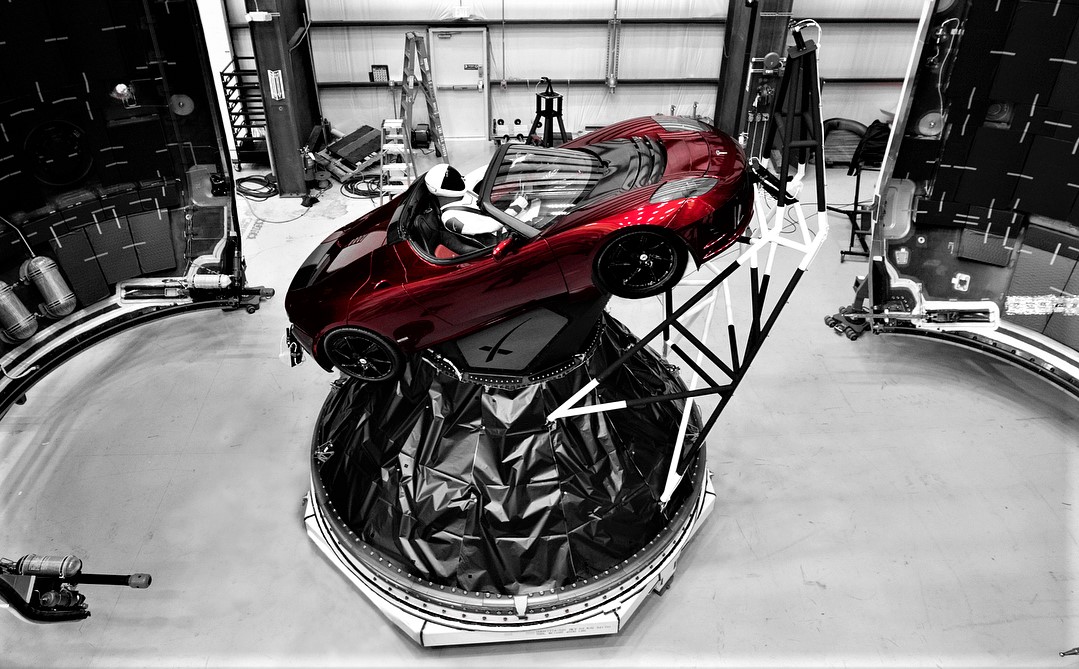
Seven years ago, SpaceX revolutionized spaceflight by launching the most powerful operational rocket in the world, carrying with it a cherry-red Tesla Roadster that captured global imagination
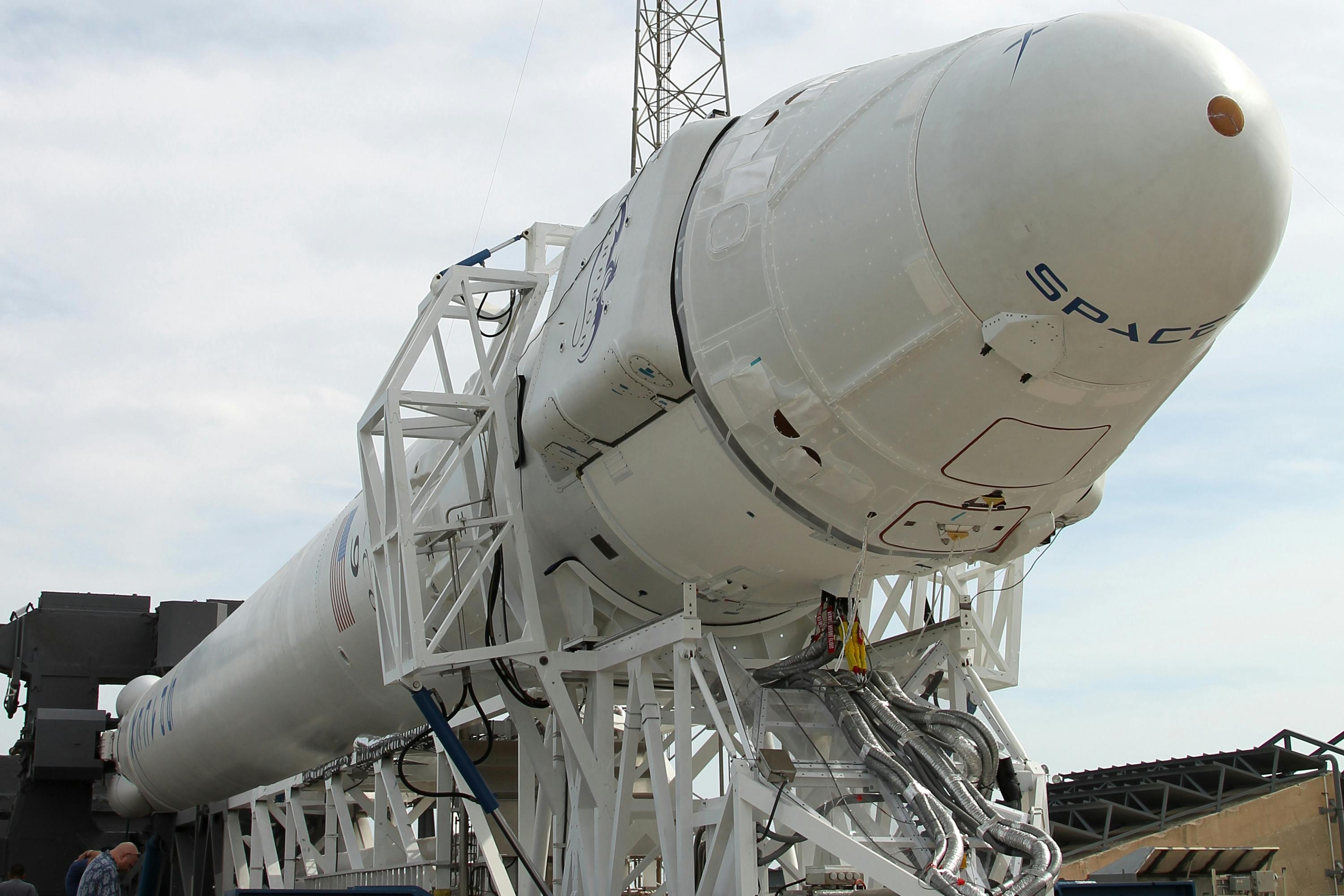
SpaceX progresses on Starship testing while Rocket Lab delays its Neutron rocket debut, potentially impacting the competitive landscape in space launches.
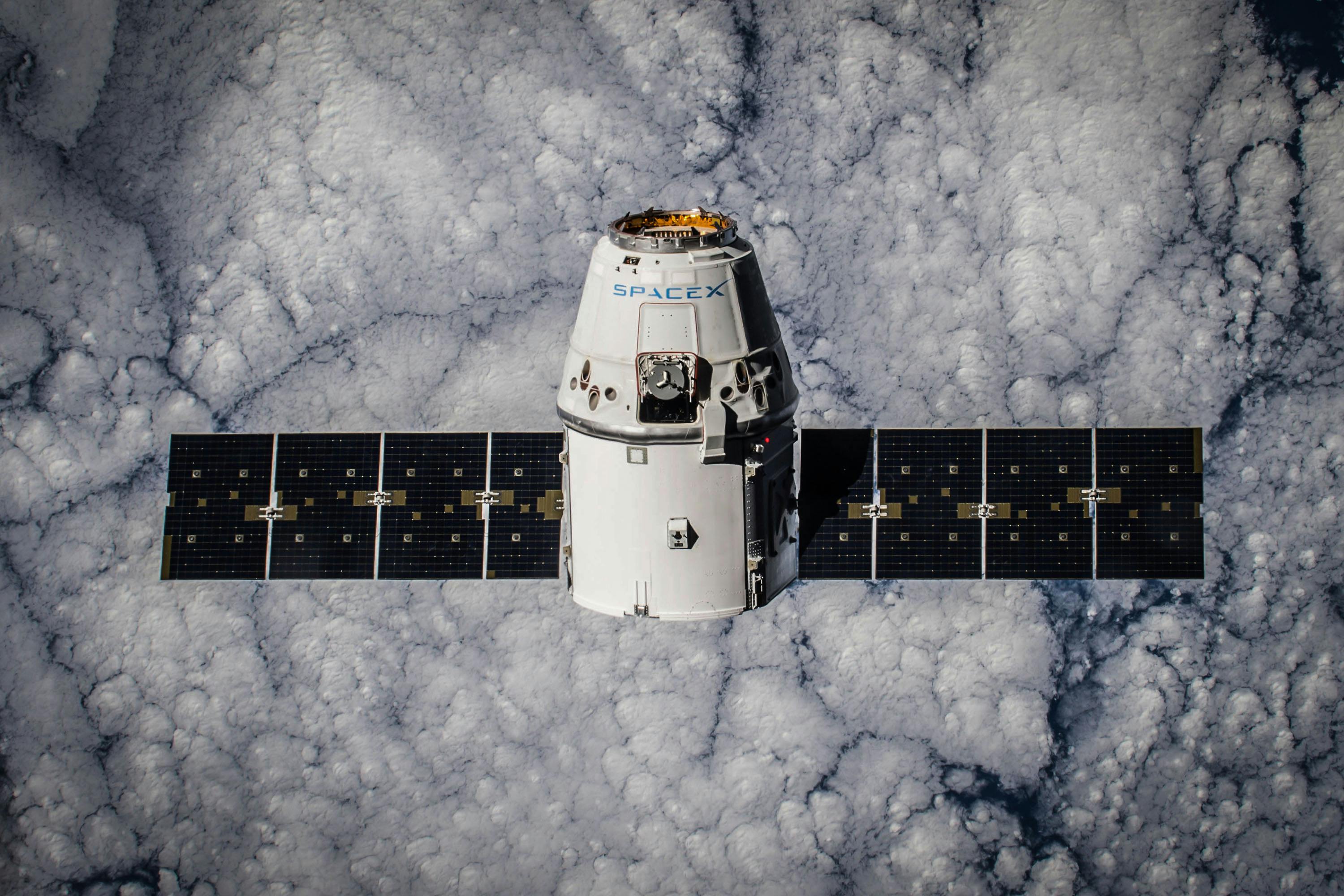
SpaceX continues making strides in satellite deployments and Starship preparations while managing challenges in space traffic.
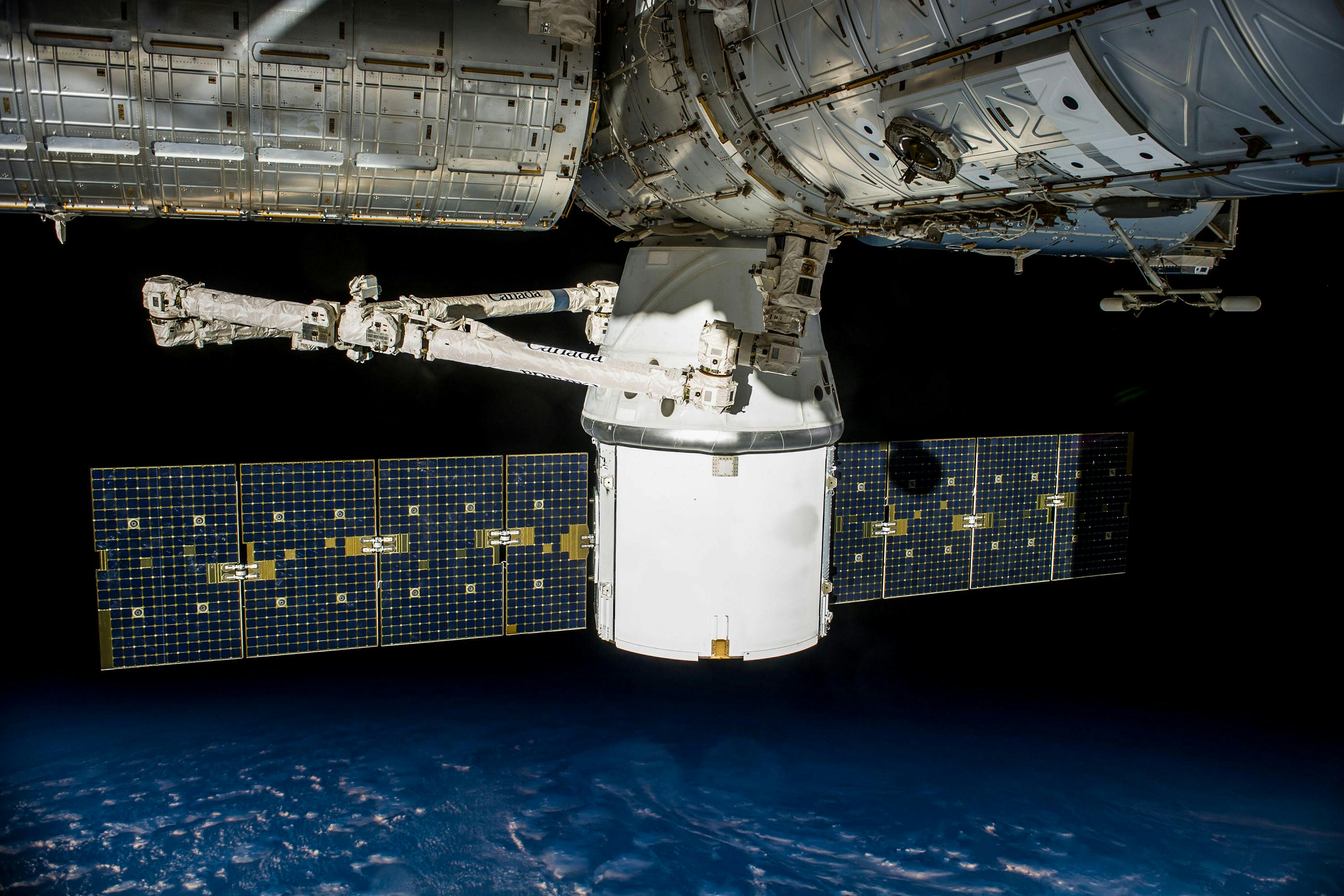
SpaceX makes significant strides with Starship Flight Test 10 approved and updates on the new Starbase pad design.
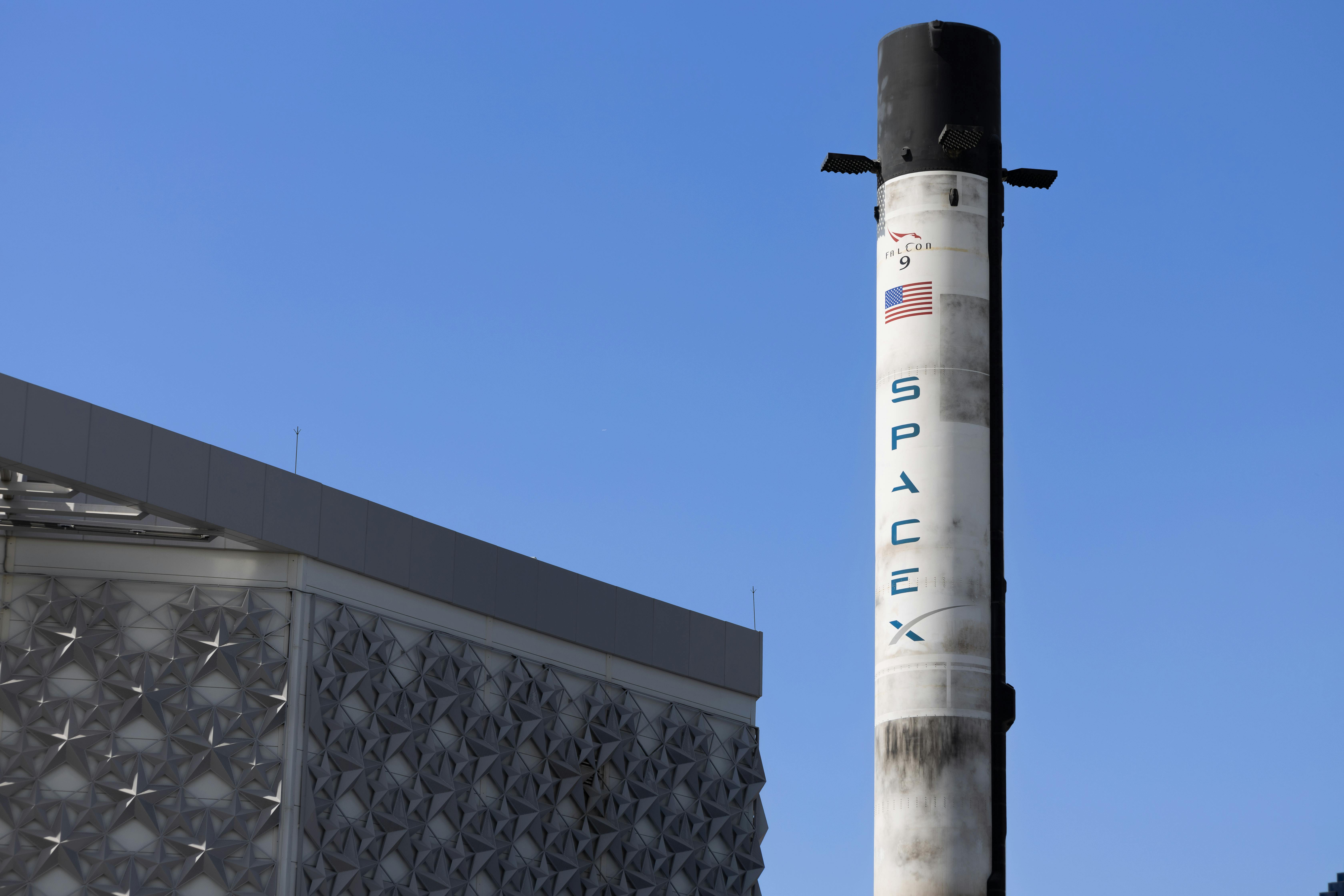
SpaceX successfully launches two rideshare missions to mid-inclination orbits, expanding their satellite deployment capabilities.
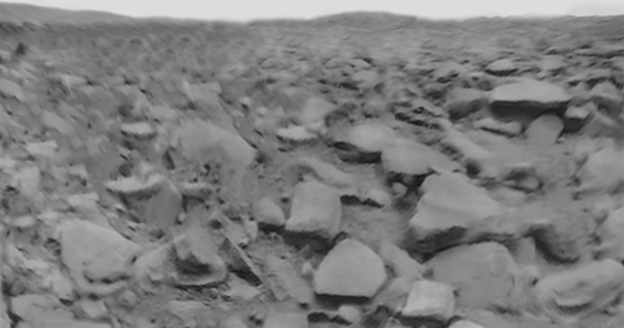
On December 15, 1970, a battered Soviet probe accomplished something no spacecraft had done before - it survived landing on another world and lived to tell about it.