



X Report 26 Apr 2025
SpaceX launches 28 Starlink satellites and discusses upcoming business strategies, while T-Mobile slashes Starlink cellular prices.



Launch Date
October 15, 2024
Launch Site
Launch Pad
LC40
Launch Vehicle
NORAD ID
61531
International Designator
2024-183Y
Epoch
Sun, 19 Jul 2026 09:08:03 GMT
Apogee
Calculating...
Perigee
Calculating...
Inclination
53.16°
Right Ascension
243.02°
Eccentricity
Calculating...
Argument of Perigee
72.57°
Period
93.85 min
Mean Motion
15.34 rev/day
Latitude
Calculating...
Longitude
Calculating...
Altitude
Calculating...
Velocity
Calculating...
Name
STARLINK-32358
Alternative Name
Starlink 32358
Type
Status
Owner
SPXS
Country
United States
Constellation
N/A
Related Satellites
Major Events
N/A
1 61531U 24183Y 26200.38059205 -.00000298 00000+0 23100-5 0 9996
2 61531 53.1591 243.0213 0000793 72.5723 287.5366 15.34385802 99927
Source: Celestrak
Length
0.3
Diameter
4.1
Span
29
Dry Mass
700
Launch Mass
730
Shape
Box + pan
Radar Cross Section
Unknown
Visual Magnitude
Unknown
Color
Unknown
Material Composition
Unknown
Payload
Starlink Group 10-10-23
Purpose
Communication
Mission
Communication
Manufacturer
SPXS
Life Expectancy
Unknown
Bus
Starlink V2M
Configuration
Starlink v2 Mini
Motor
Argon ion thrusters
Equipment
Ku/Ka/E-band payload, optical inter-satellite link
Power System
Solar arrays, batteries
ADCS
Unknown
Transmitter Frequency
Unknown
Learn more about satellites and other related topics.
SpaceX launches 28 Starlink satellites and discusses upcoming business strategies, while T-Mobile slashes Starlink cellular prices.
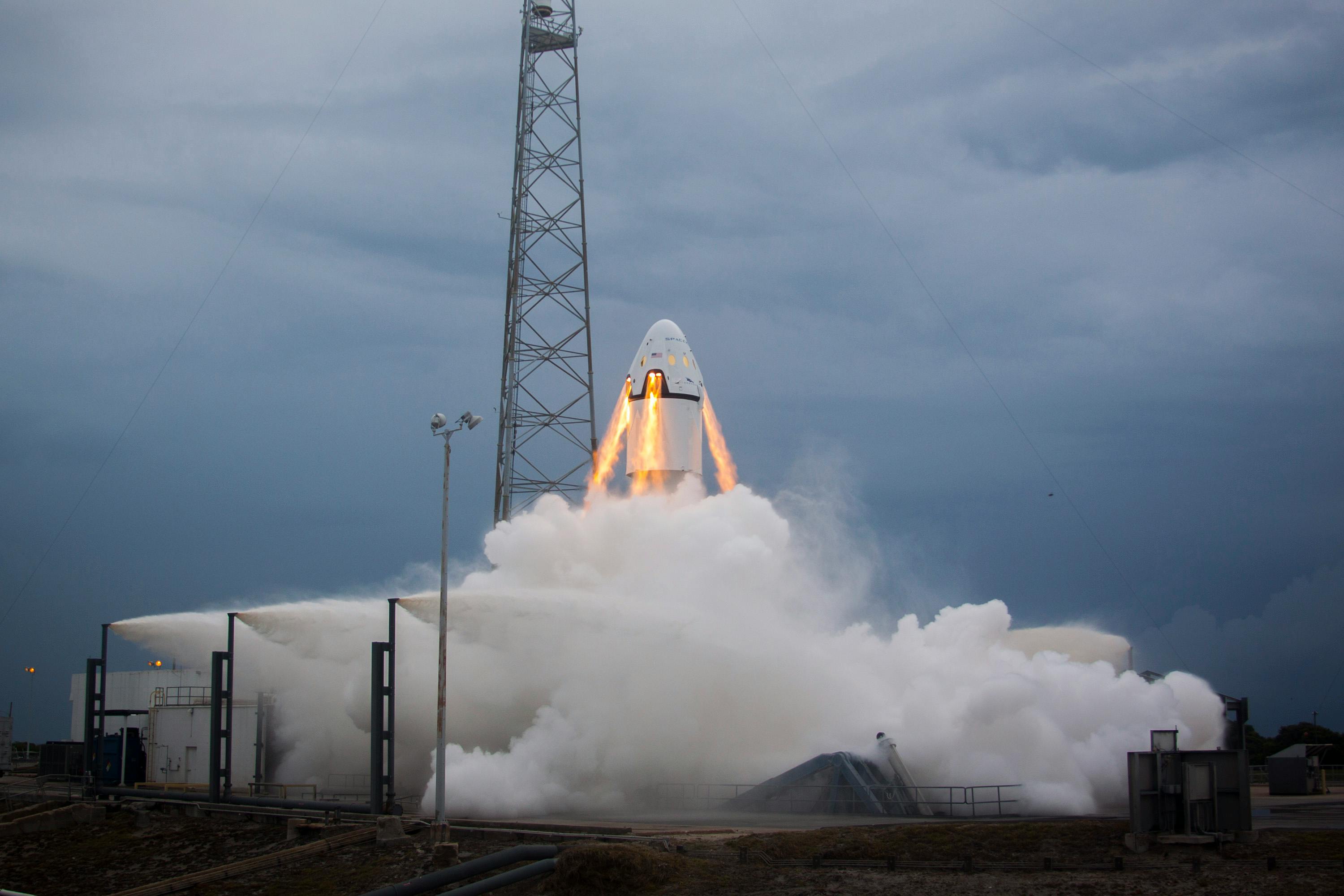
SpaceX achieves a milestone with its 350th successful mission, including a significant Starlink launch, while Starship advances in testing. Meanwhile, SpaceX boosts SiriusXM's satellite fleet and industry competitors make strides.

NASA's Artemis II launches 4 astronauts on lunar flyby April 1. Soyuz-5 inaugural flight confirmed for April 3. Space warfare doctrines shift toward agentic AI for faster decision loops.

US military praised for space operations against Iran assessed as jamming or spoofing satellite communications. Electronic warfare effects invisible to orbital tracking data.

A startup built on Cold War-era radar science now tracks 25,000 objects in orbit - and the Pentagon can't get enough of it. But can its radars really compete with the Space Surveillance Network?
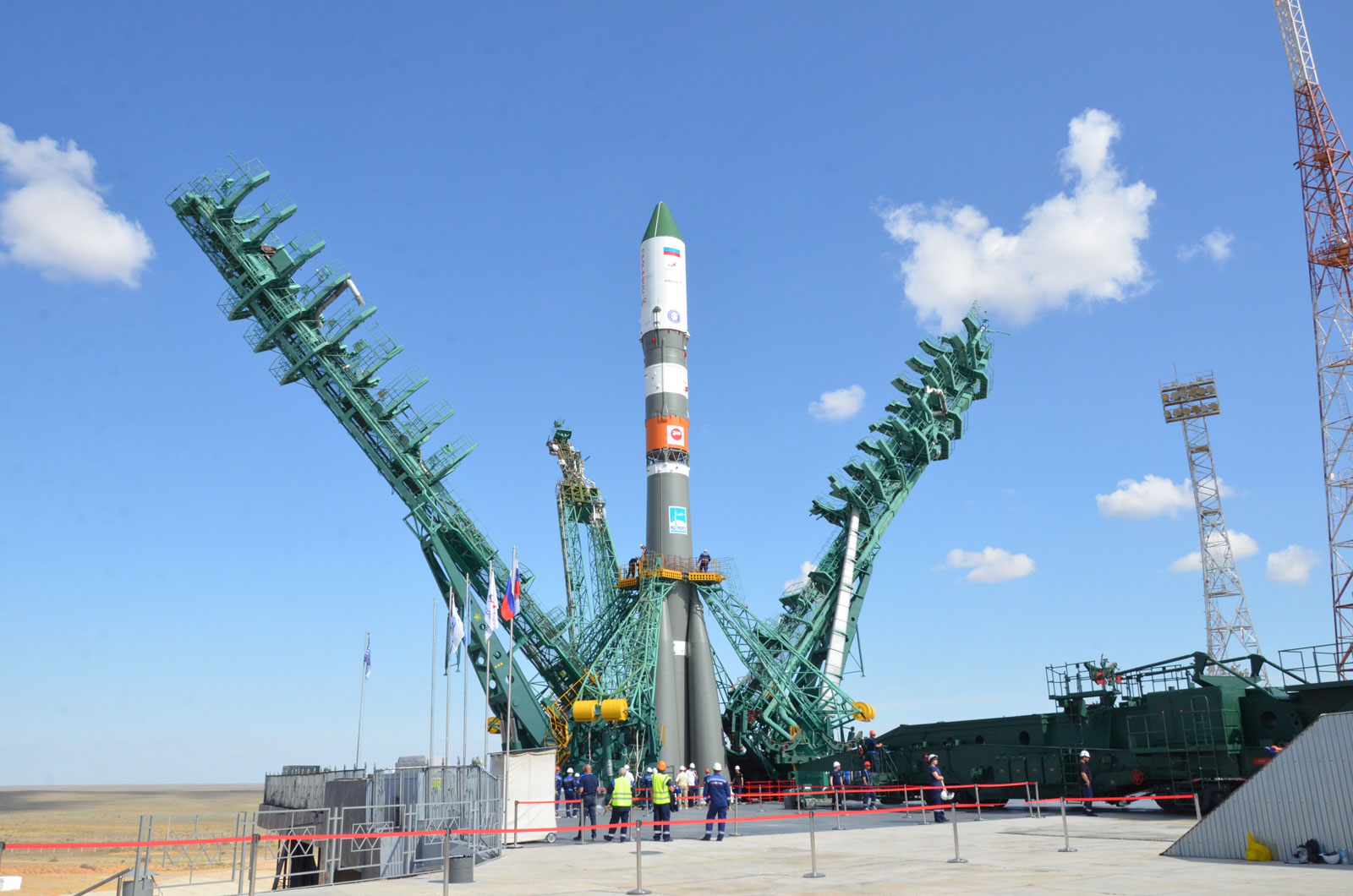
Today's brief covers the Vulcan Centaur's first mission, military space automation insights, and the retirement reflections of a Space Force leader.
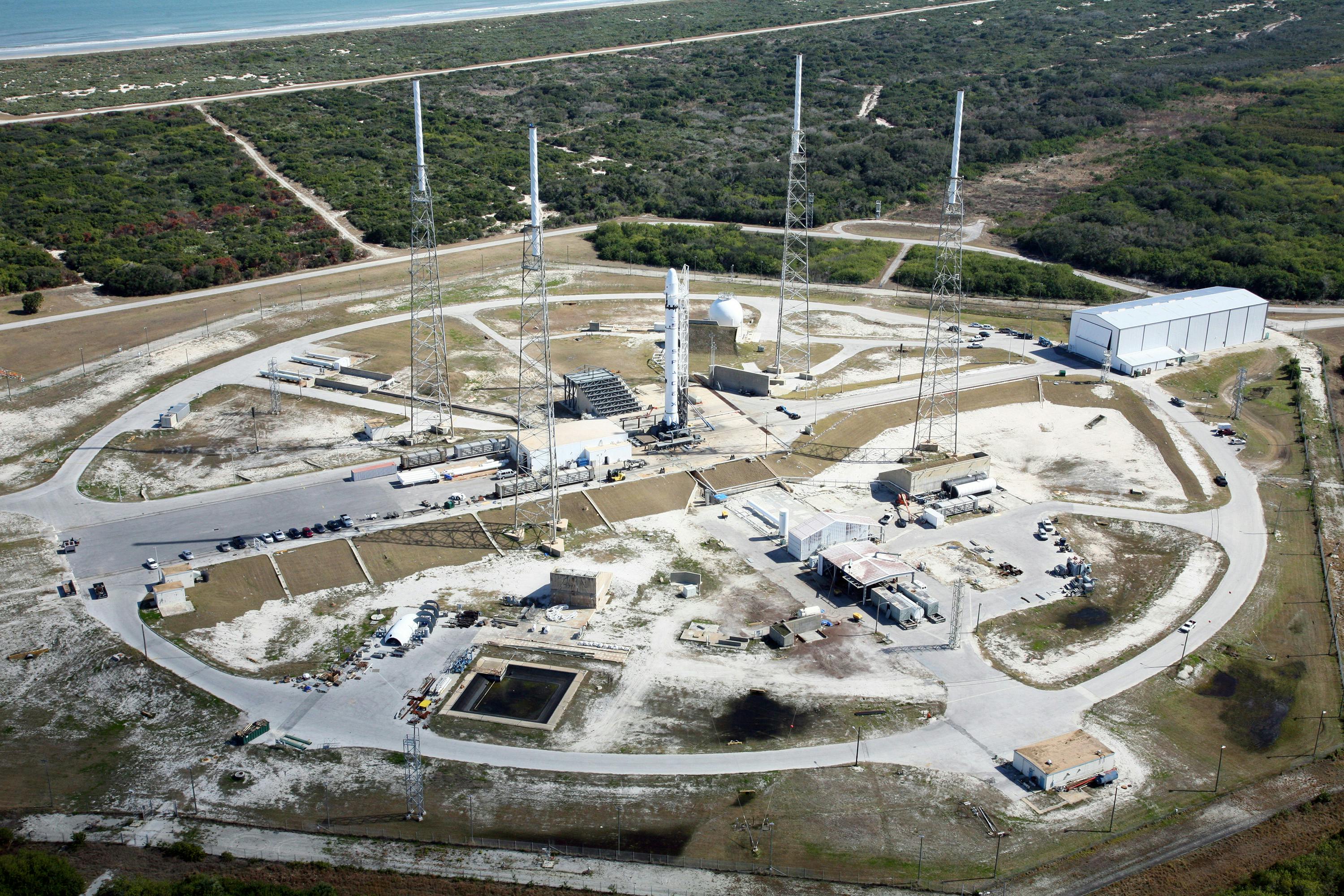
The FAA has approved an increase in Falcon 9 launches while reviewing the environmental impacts of Starship launches in Florida, amidst growing community concerns on noise and other issues related to the Starship program.
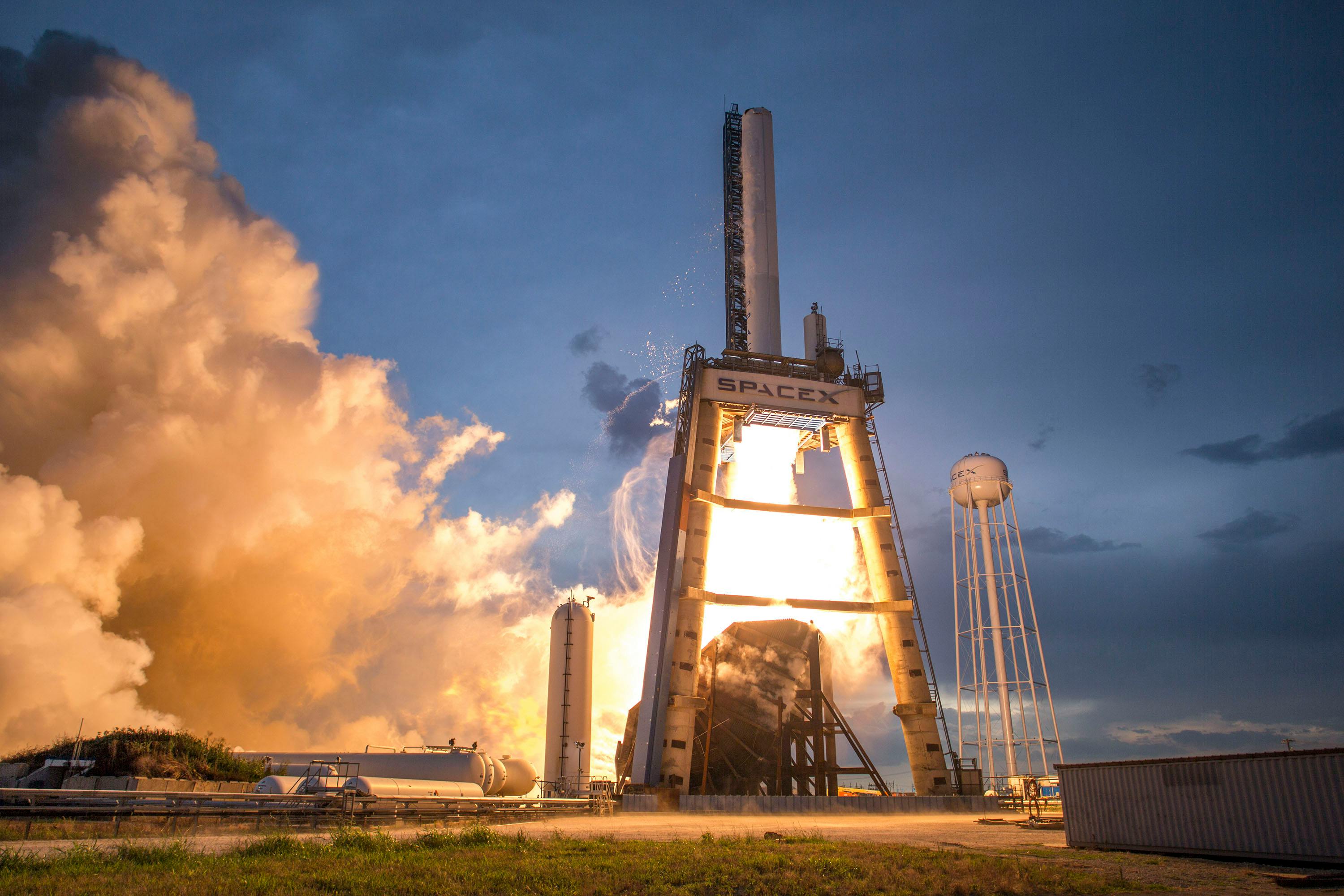
SpaceX wins a $4.16B Pentagon contract for missile-tracking satellites, while hitting its 50th Starlink launch of 2026 in a landmark May.