CZ-6A DEB (61483)

COSPAR: 2024-140AAR | Alt Name: deb CZ-6A Y21

Image
CZ-6A DEB Satellite Image
Additional Sources
Launch Details

Launch Date

August 6, 2024

Launch Site

TAISC

Launch Pad

TYSC -

Launch Vehicle

Chang Zheng 6A

Orbital Elements

NORAD ID

61483

International Designator

2024-140AAR

Epoch

Sun, 19 Jul 2026 12:55:49 GMT

Apogee

Calculating...

Perigee

Calculating...

Inclination

88.65°

Right Ascension

240.45°

Eccentricity

Calculating...

Argument of Perigee

351.80°

Period

100.77 min

Mean Motion

14.29 rev/day

Latitude

Calculating...

Longitude

Calculating...

Altitude

Calculating...

Velocity

Calculating...

Polar Plot
3D Visualization
Explore in the Catalog
Basic Satellite Info

Name

CZ-6A DEB

Alternative Name

deb CZ-6A Y21

Type

Debris

Status

Space Junk

Owner

CNSA

Country

China

Constellation

N/A

Related Satellites

Major Events

N/A

Latest TLEs
1 61483U 24140AAR 26200.53876919  .00001053  00000+0  40187-3 0  9992
2 61483  88.6479 240.4537 0063692 351.8022   8.2125 14.28970644 97210

Source: Celestrak

Summary
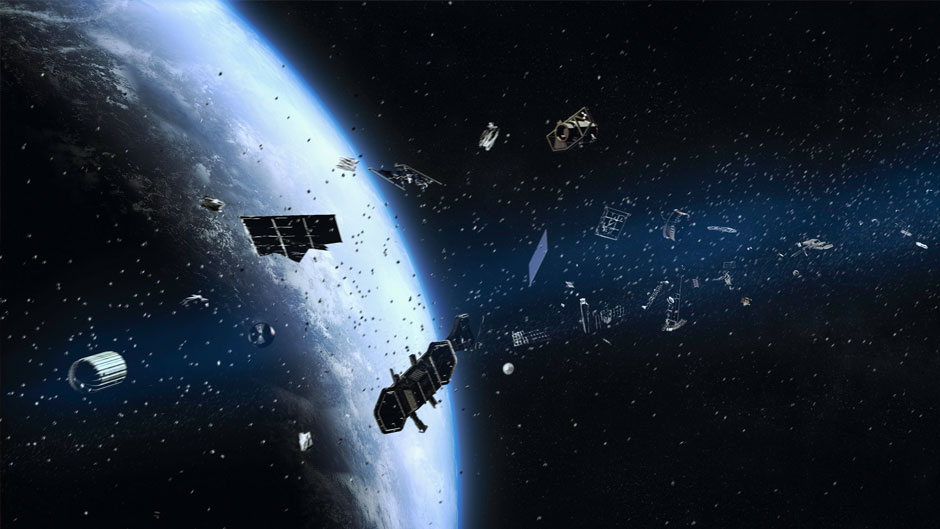
Space debris, also known as space junk, encompasses all non-functional objects orbiting Earth such as defunct satellites, spent rocket stages, and fragments from collisions or disintegrations. Over time, this debris can accumulate and create an increasingly hazardous environment in orbit. Even tiny fragments, traveling at extremely high velocities, can inflict significant damage on operational satellites and spacecraft. If left unmanaged, the density of debris raises the risk of catastrophic collisions and further fragmentation, compounding the problem and threatening the safety and sustainability of space activities.
Physical Characteristics

Length

0

Diameter

0

Span

0

Dry Mass

0

Launch Mass

0

Shape

N/A

Radar Cross Section

Unknown

Visual Magnitude

Unknown

Color

Unknown

Material Composition

Unknown

Technical Details

Payload

Unknown

Purpose

Unknown

Mission

Unknown

Manufacturer

SAST

Life Expectancy

Unknown

Bus

Unknown

Configuration

Unknown

Motor

Unknown

Equipment

Unknown

Power System

Unknown

ADCS

Unknown

Transmitter Frequency

Unknown

Map
This tool will help you track the satellite's position and predict its upcoming passes over your location. Simply input the coordinates or click the geolocation button to get started.
Next Pass
Azimuth Elevation Time (Local)
Start Azimuth
Max Elevation
Stop Azimuth
Time Until
Pass Duration

Satellite Articles

View All Posts »

Learn more about satellites and other related topics.

The Day Two Satellites Hit Each Other at 26,000 MPH

The Day Two Satellites Hit Each Other at 26,000 MPH

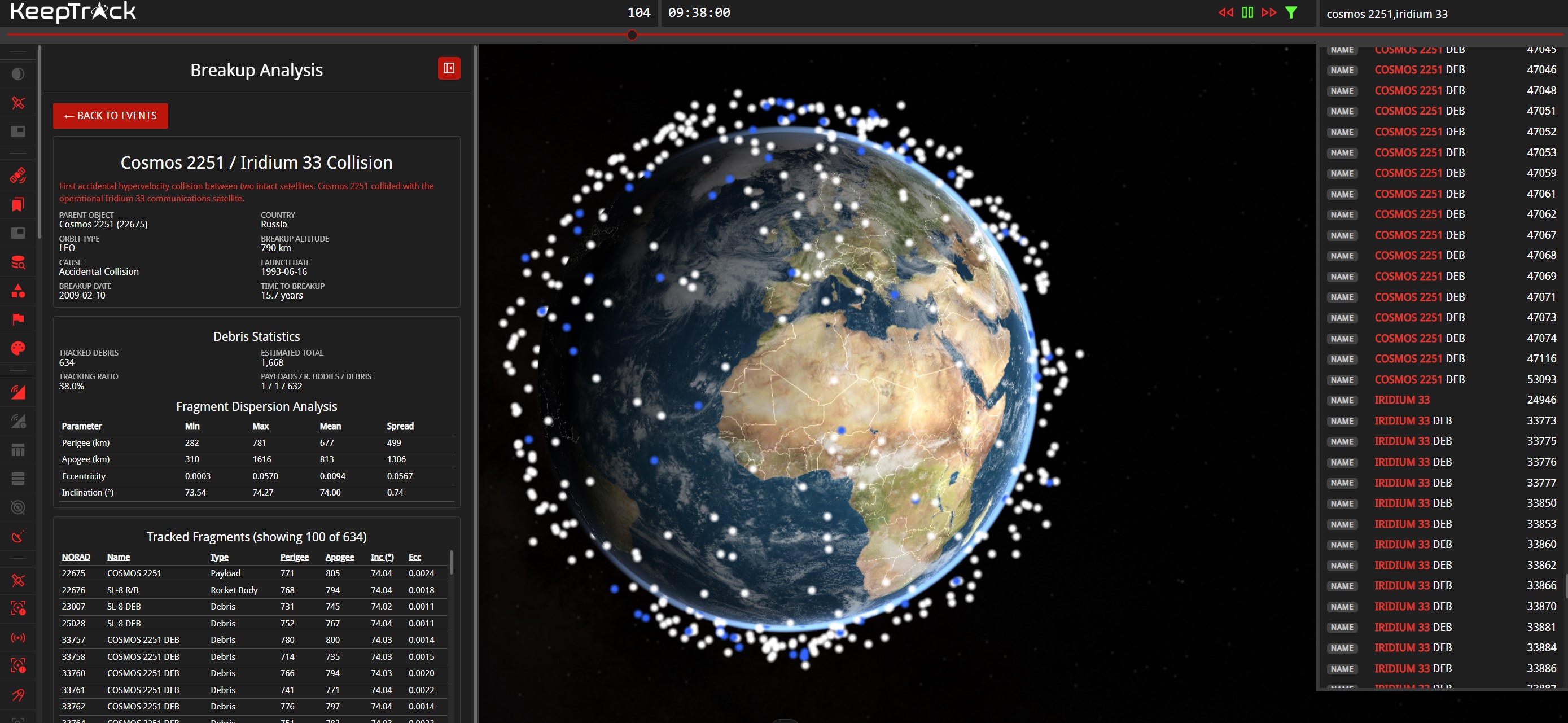
On February 10, 2009, an active Iridium communications satellite and a derelict Soviet military spacecraft slammed into each other 789 kilometers above Siberia. The collision produced more than 2,300 pieces of trackable debris that are still up there. Seventeen years later, the Iridium-Cosmos collision remains the event that made space debris a policy problem the world could no longer ignore.

Falcon Heavy Returns After 18-Month Hiatus for ViaSat-3 | KeepTrack X Report

Falcon Heavy Returns After 18-Month Hiatus for ViaSat-3 | KeepTrack X Report

SpaceX's Falcon Heavy lifts off for the 12th time after 18 months grounded, delivering the final ViaSat-3 satellite from LC-39A at 10:21 a.m. EDT.

Iran Strikes UAE and Saudi Targets, Space Force Opens Tracking to Commercial Firms | KeepTrack Space Brief

Iran Strikes UAE and Saudi Targets, Space Force Opens Tracking to Commercial Firms | KeepTrack Space Brief

Iran launches drones and missiles at UAE and Saudi targets. Space Force opens secretive tracking data to commercial firms. Falcon 9 breakup linked to lithium pollution in upper atmosphere.

The Day Space Became Crowded

The Day Space Became Crowded

Eight years ago, a single Indian rocket launched 104 satellites into orbit, marking a pivotal moment when space tracking professionals realized the dawn of a new, congested era in orbital operations

Starlink Constellation Size Hits 9,931, X Report 7 Mar 2026

Starlink Constellation Size Hits 9,931, X Report 7 Mar 2026

Starlink constellation size in 2026: 9,931 satellites in orbit, 9,920 working from 11,463 launched. Starlink 17-18 adds 25 more from Vandenberg.

Space Brief 31 Mar 2025

Space Brief 31 Mar 2025

Today's brief covers significant space events, including milestone national security certifications for ULA Vulcan and Rocket Lab, SpaceX's groundbreaking polar orbit mission, and a failed launch attempt by Isar Aerospace.

Van Allen Probe A Reenters March 10 After 14 Years | KeepTrack Space Brief

Van Allen Probe A Reenters March 10 After 14 Years | KeepTrack Space Brief

NASA's Van Allen Probe A (1,300 lbs) reenters today after 14 years studying Earth's radiation belts. Most debris will burn up; ocean impact statistically likely.

X Report 10 May 2025

X Report 10 May 2025

SpaceX continues its rapid launch cadence by deploying 28 Starlink satellites while expanding its service with collaborations such as United Airlines and Entel in Chile.