


Space Brief 25 Aug 2024
Today's Space Brief covers NASA's decision on Starliner, SpaceX's preparations for the Polaris Dawn mission, and updates on various space activities. Also featured is an in-depth look at the Hubble Space Telescope.


Launch Date
August 6, 2024
Launch Site
TAISC
Launch Pad
TYSC -
Launch Vehicle
Chang Zheng 6A
NORAD ID
61431
International Designator
2024-140YY
Epoch
Sun, 19 Jul 2026 17:09:22 GMT
Apogee
Calculating...
Perigee
Calculating...
Inclination
89.13°
Right Ascension
276.03°
Eccentricity
Calculating...
Argument of Perigee
89.41°
Period
97.95 min
Mean Motion
14.70 rev/day
Latitude
Calculating...
Longitude
Calculating...
Altitude
Calculating...
Velocity
Calculating...
Name
CZ-6A DEB
Alternative Name
deb CZ-6A Y21
Type
Status
Owner
CNSA
Country
China
Constellation
N/A
Related Satellites
Major Events
N/A
1 61431U 24140YY 26200.71483872 .00001179 00000+0 15640-3 0 9992
2 61431 89.1288 276.0324 0162684 89.4095 272.5761 14.70096933102228
Source: Celestrak
Length
0
Diameter
0
Span
0
Dry Mass
0
Launch Mass
0
Shape
N/A
Radar Cross Section
Unknown
Visual Magnitude
Unknown
Color
Unknown
Material Composition
Unknown
Payload
Unknown
Purpose
Unknown
Mission
Unknown
Manufacturer
SAST
Life Expectancy
Unknown
Bus
Unknown
Configuration
Unknown
Motor
Unknown
Equipment
Unknown
Power System
Unknown
ADCS
Unknown
Transmitter Frequency
Unknown
Learn more about satellites and other related topics.
Today's Space Brief covers NASA's decision on Starliner, SpaceX's preparations for the Polaris Dawn mission, and updates on various space activities. Also featured is an in-depth look at the Hubble Space Telescope.
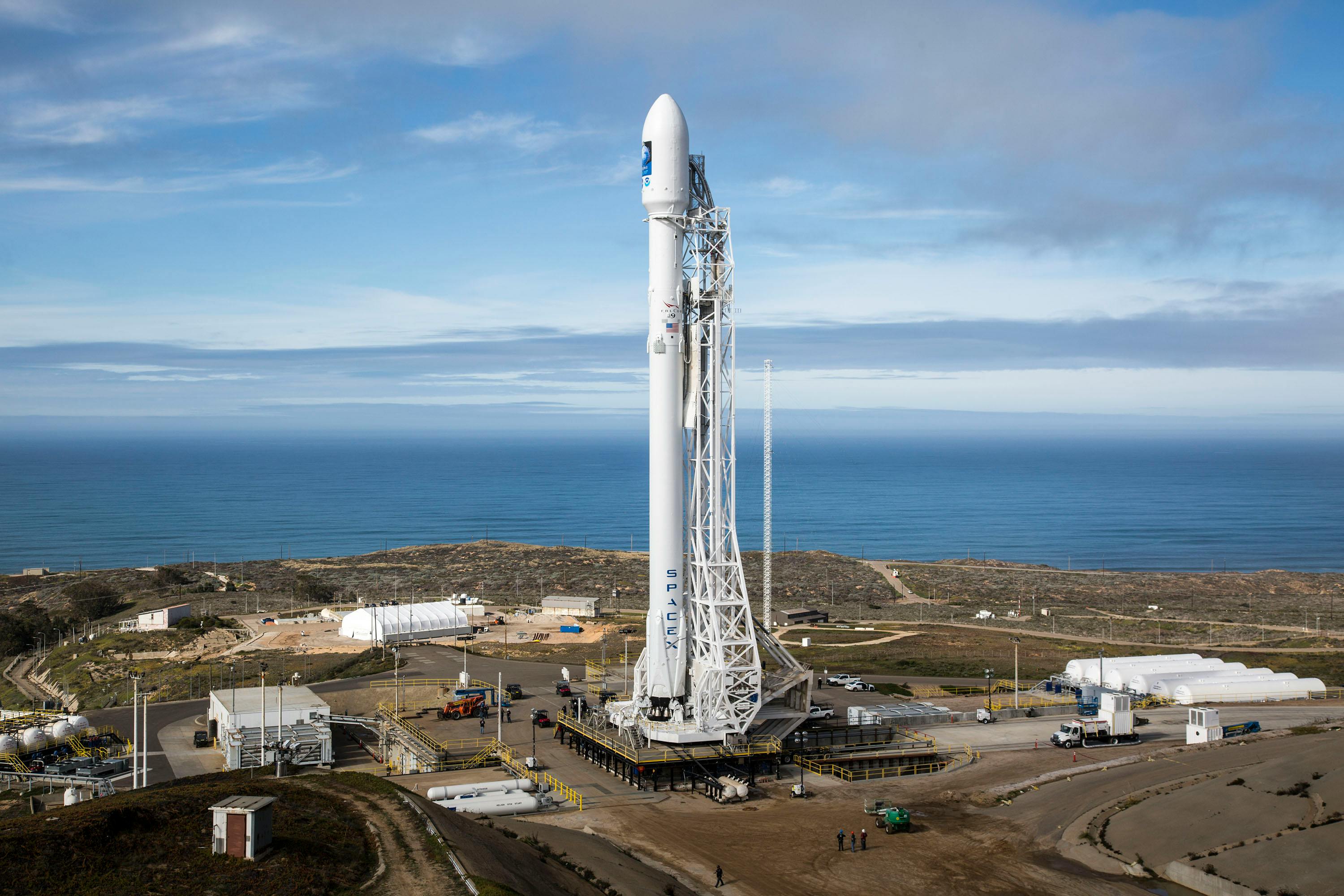
Starlink satellite count for April 2026: 10,177 in orbit, 10,168 working from 11,724 launched. No new anomalies, four reentries expected Apr 5-7.
SpaceX secures major U.S. military contracts, Fram2 concludes historic mission, and preparations for another Starlink launch.
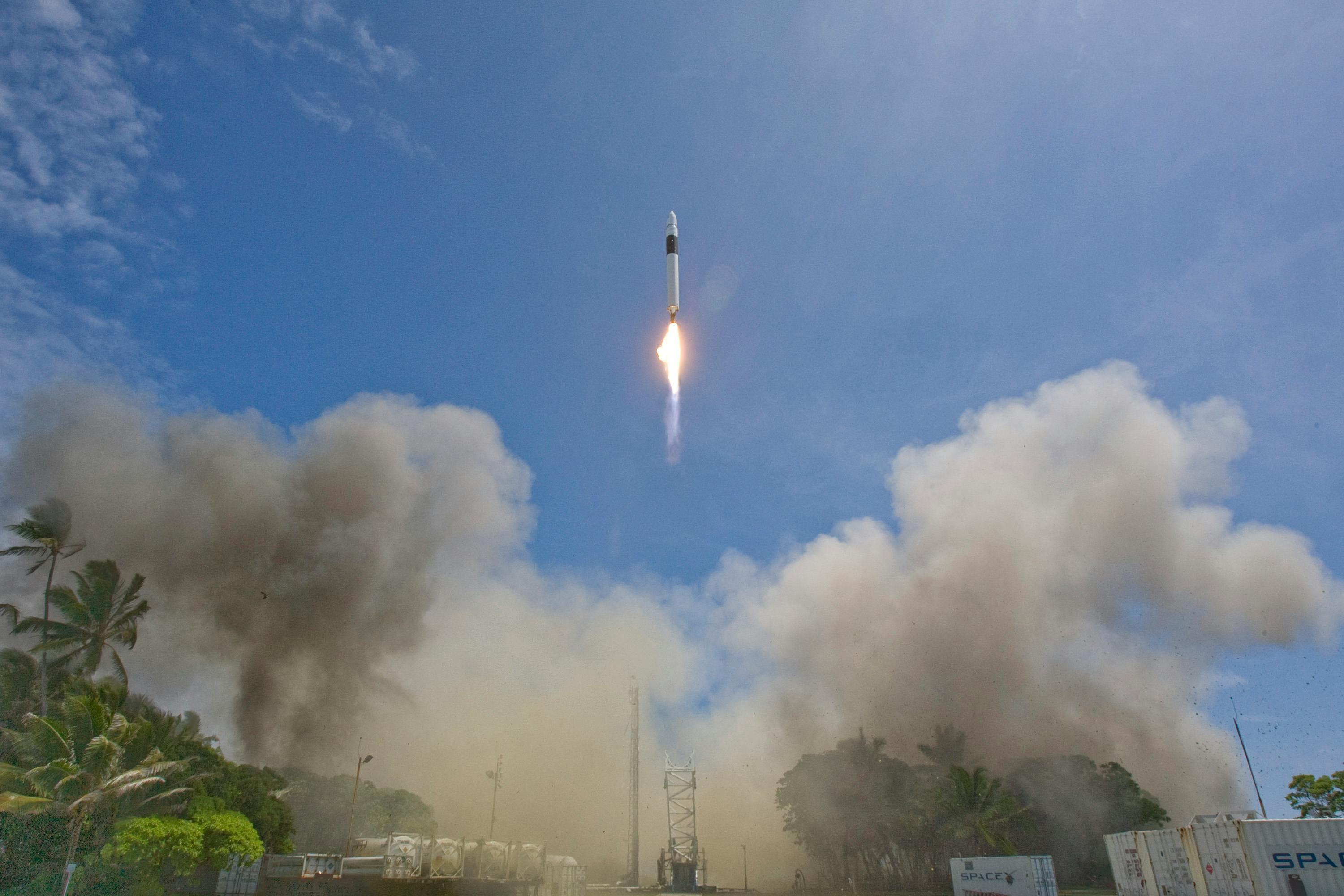
SpaceX successfully launched 29 Starlink satellites, marking the start of a busy month for their satellite deployment efforts. The mission is part of an ongoing expansion of their broadband internet constellation.

Today's briefing covers a new naming system by Space Force, China's space advances, drone defense at Cape Canaveral, and more military updates impacting space operations.
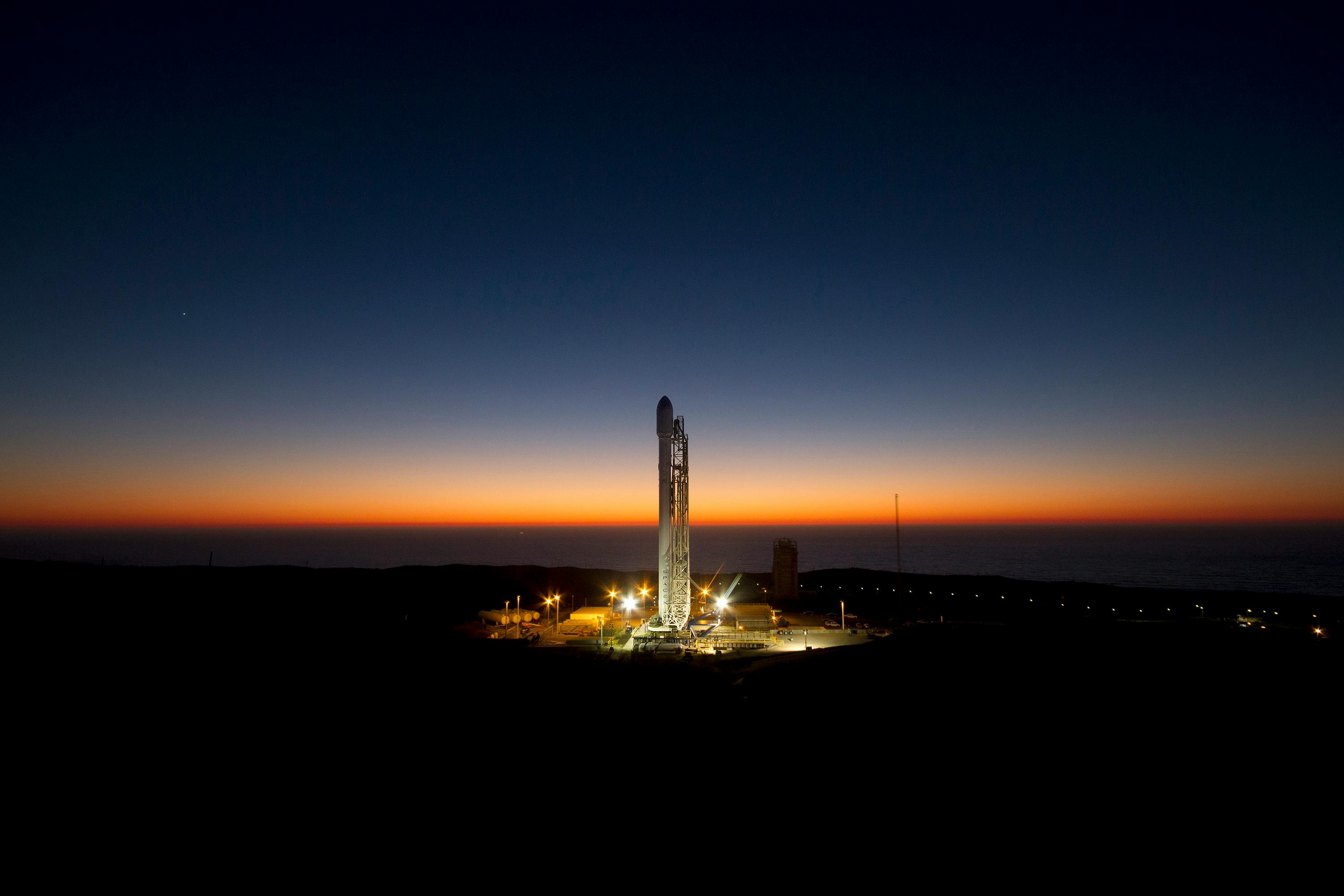
SpaceX sets launch milestones with quick turnarounds and new Starlink deployments, while eyeing rapid Starship expansions next year.
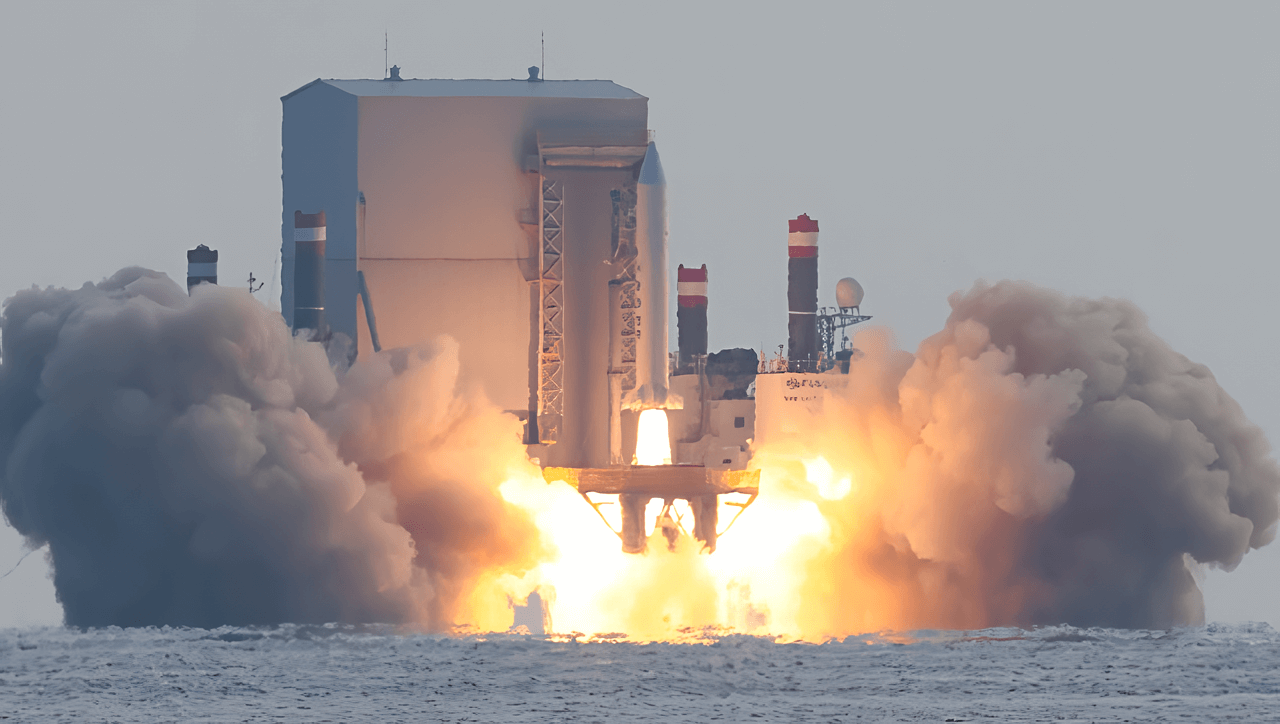
NASA officially ended the MAVEN Mars orbiter mission after months of radio silence following an anomaly. Space Force assessing Eastern Range damage from separate incident affecting launch cadence.
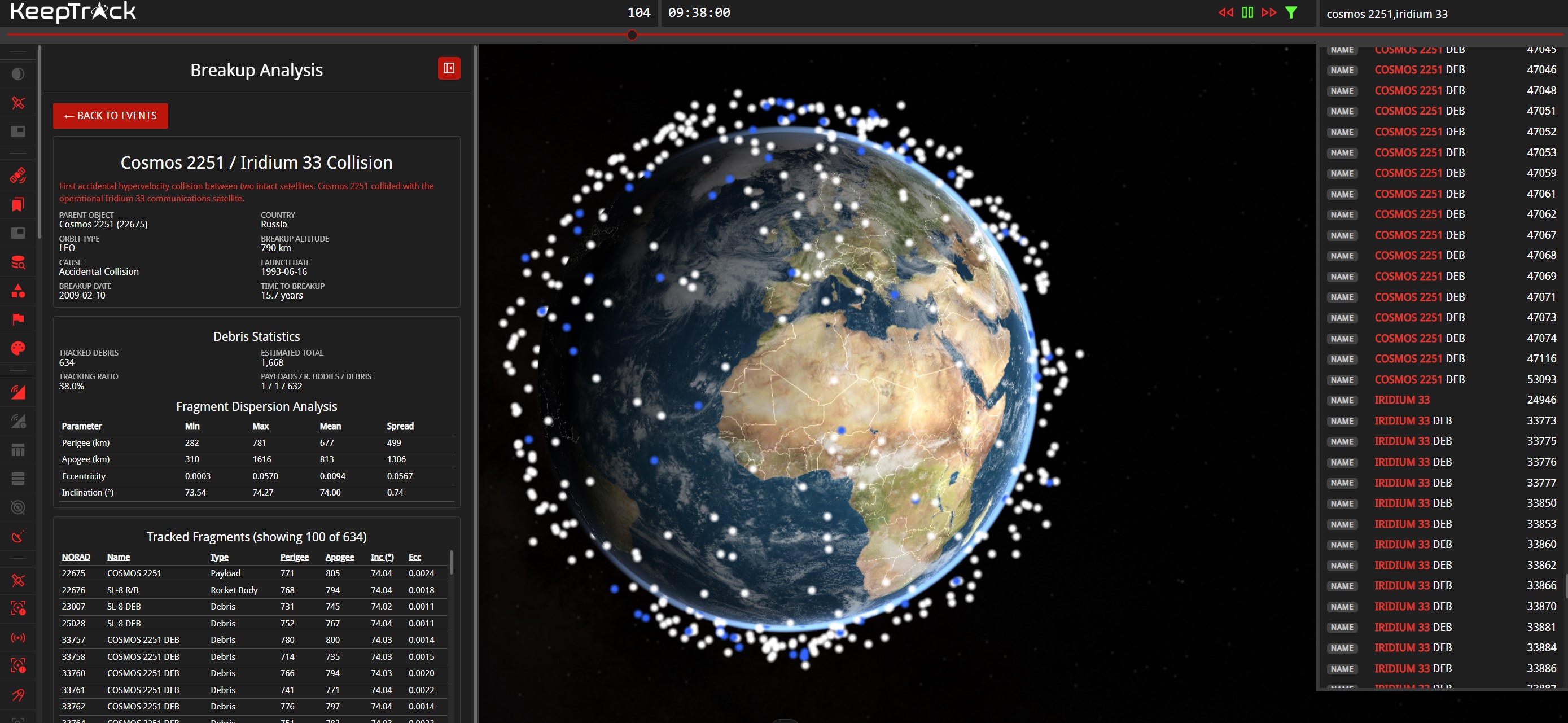
On February 10, 2009, an active Iridium communications satellite and a derelict Soviet military spacecraft slammed into each other 789 kilometers above Siberia. The collision produced more than 2,300 pieces of trackable debris that are still up there. Seventeen years later, the Iridium-Cosmos collision remains the event that made space debris a policy problem the world could no longer ignore.